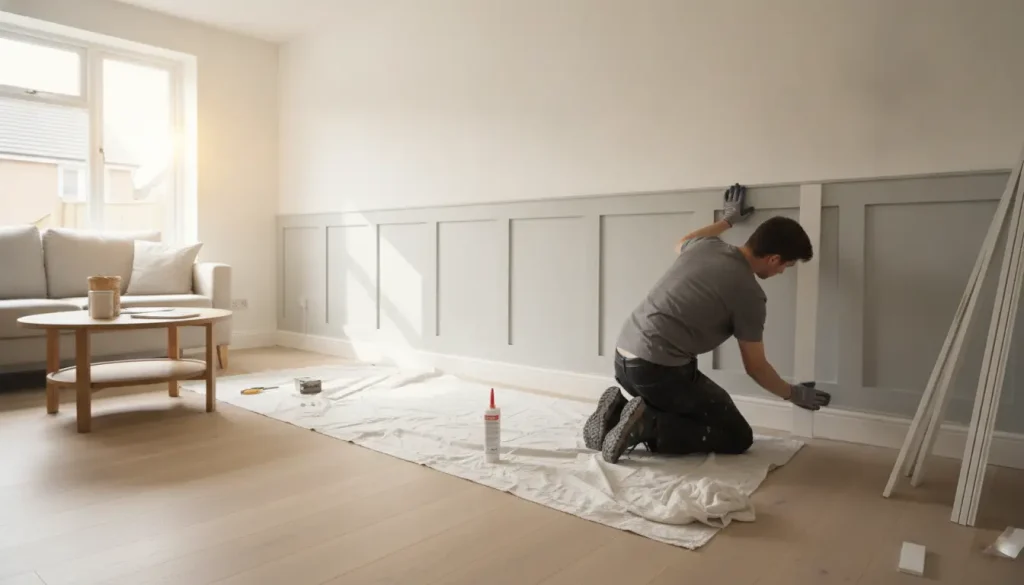
DIY wall panelling can cost from around £15 per square metre for basic MDF materials, although the final price will depend on the size of the wall, the style of panelling you choose and whether you buy the materials separately or use a ready-made pack. Larger walls, full-height designs and premium timber panels will naturally cost more.
For many homeowners, the most affordable option is a simple MDF design installed using a low-cost wall panelling pack. By completing the work yourself, you can avoid hundreds of pounds worth of professional labour charges and create a feature wall for considerably less than the cost of bespoke or professionally fitted panelling.
Wall panelling can completely change the look of a room, adding character and interest to an otherwise plain wall. You will also need to account for finishing materials such as adhesive, filler, primer and paint, but it can still be a relatively low-cost home improvement when planned carefully.
What Is the Average Cost of Wall Panelling?
Wall panelling prices vary considerably because the term covers everything from simple MDF strips to bespoke solid timber installations.
Checkatrade estimates that wall panelling in the UK can cost between £50 and £400 per square metre, with an average cost of around £225 per square metre. However, these figures cover a broad range of projects and can include more expensive materials and professional installation. Solid wood and bespoke panelling will usually sit towards the higher end of the range.
For a straightforward DIY project, the cost can be much lower. MyJobQuote reports that supply-only MDF wall panels can start from approximately £15 per square metre, making MDF one of the most affordable materials for domestic wall panelling.
These prices should only be treated as a general guide. Your actual cost will depend on the dimensions of your wall, the design you want to create and the materials included in your chosen pack.
Is Wall Panelling Measured by The Square Metre?
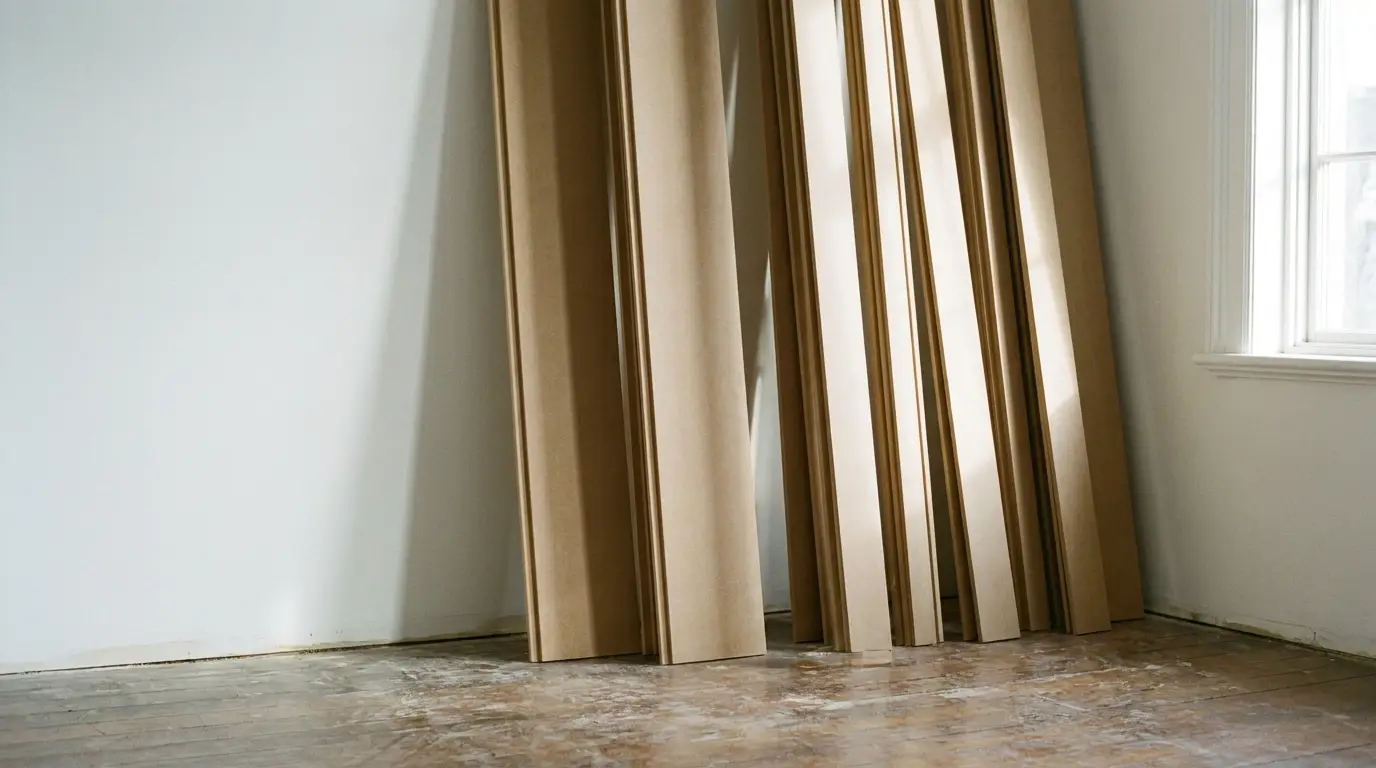
Wall panelling costs are often compared by square metre, particularly when looking at full sheets, slatted panels or panelling that covers most of the wall.
To calculate the area of a wall, multiply its width by its height.
For example, a wall that is four metres wide and 2.4 metres high has a total area of 9.6 square metres.
However, decorative styles such as shaker-style panelling do not necessarily cover the entire wall. They are often created using strips of MDF positioned at set intervals. In this case, the overall wall measurement is still useful, but the amount of material required will also depend on:
- The number of vertical and horizontal strips
- The width of each strip
- The spacing between the panels
- Whether the panelling is full-height or half-height
- The number of doors, sockets or other obstacles
A wall panelling pack can make this stage easier because the parts are already grouped together, reducing the need to calculate and purchase every strip individually.
What Affects the Cost of Diy Wall Panelling?
The Size of The Wall
The larger the wall, the more panelling, adhesive and paint you will need.
A small feature wall behind a bed will naturally cost less than panelling an entire hallway or several walls in a living room. Full-height panelling also requires more material than a half-height design.
Before ordering, measure the full width and height of the wall carefully. It is sensible to allow for a small amount of additional material to cover cutting errors or last-minute adjustments.
The Type of Wall Panelling
The style and material you select will have one of the biggest effects on the total price.
MDF is commonly used for DIY wall panelling because it is relatively inexpensive, easy to cut and provides a smooth surface for painting. Simple shaker or board-and-batten designs can therefore be created without the expense of solid timber.
Solid wood panelling, decorative mouldings and acoustic slatted panels will usually cost more. The price can rise further if you choose oak, walnut or another premium finish.
If affordability is the main priority, a simple MDF design will generally offer the best balance between price, appearance and ease of installation.
Buying a Pack or Purchasing Materials Separately
Buying sheets or individual strips of MDF may seem cheaper initially, especially if you already own the necessary tools. However, you will need to calculate the required quantities, arrange cutting and make sure the pieces are consistent.
A low-cost wall panelling pack can provide a more straightforward option. The sections are supplied together for a particular style or wall size, helping to reduce waste and making it easier to understand the likely project cost before you begin.
For first-time DIYers, this can also reduce the chance of ordering the wrong amount of material.
Tools and Finishing Materials
The panels themselves are not the only items you may need to purchase.
Depending on the pack and the condition of your wall, your shopping list may include:
- Grab adhesive
- Decorator’s caulk
- Wood filler
- Sandpaper
- MDF primer
- Paint
- A spirit level
- A tape measure
- A hand saw, or mitre saw
Some of these may already be in your toolbox. If you are starting from scratch, include them in your budget rather than looking only at the price of the panels.
Paint can make a noticeable difference to the final total, especially when covering a large wall or using a premium brand. MDF may also require primer before the topcoat is applied, unless the product is supplied pre-primed.
The Condition of The Wall
Wall panelling is often used to add interest to a room, but it should not be treated as a way to conceal serious wall damage.
Small dents and holes can normally be filled before installation. More substantial cracks, damp or uneven plaster may require repair first, adding to the overall project cost.
Preparing the surface properly can help the adhesive bond effectively and produce a neater finish. It may take a little longer, but good preparation can prevent panels from lifting or visible gaps appearing later.
Diy Installation or Professional Fitting
Installing the panelling yourself is usually the most effective way to keep costs down.
Professional installation introduces labour charges, which can quickly cost more than the materials themselves. Checkatrade lists an average carpenter rate of around £35 per hour, although rates vary according to location, experience and the complexity of the work.
Simple MDF panelling is achievable for many domestic DIYers, provided you measure carefully, plan the layout and have the correct tools. More complicated designs, solid timber installations or walls with numerous sockets and awkward angles may be better suited to an experienced carpenter.
How Much Does It Cost to Panel One Wall Yourself?
There is no single price that applies to every feature wall.
As a general example, a small or medium-sized wall completed using affordable MDF strips or a low-cost panelling pack may cost considerably less than the £500 to £1,500 that MyBuilder estimates for some fully supplied and installed single-wall projects.
Your DIY budget would usually include:
- The wall panelling pack
- Adhesive and filler
- Primer and paint
- Any tools you do not already own
- A small allowance for waste
The most accurate approach is to measure your wall and compare packs that are suitable for its dimensions. Check what is included in the price, as some packs may contain only the panelling strips while others may include additional rails or decorative sections.
How Can You Reduce the Cost of Wall Panelling?
One of the simplest ways to save money is to choose a ready-to-use, affordable wall panelling pack rather than commissioning bespoke joinery.
You can also keep the total cost under control by:
- Panelling one feature wall rather than the whole room
- Choosing half-height rather than full-height panelling
- Using MDF instead of solid timber
- Selecting a simple design with fewer cuts
- Installing and painting the panels yourself
- Using leftover paint from another room
- Measuring carefully to reduce wasted material
A simple layout can still make a significant difference. Clean lines, even spacing and a neat painted finish will often have more impact than an unnecessarily complicated design.
Is Diy Wall Panelling Worth the Cost?
For homeowners looking for an affordable way to update a bedroom, hallway, living room or home office, DIY wall panelling can offer excellent value.
The total price will always depend on the size of the wall, the chosen material and the complexity of the design. Premium solid wood or professionally fitted panelling can cost hundreds of pounds per square metre, but a simple MDF project does not need to come close to that figure.
By using an affordable wall panelling pack and carrying out the installation yourself, you can create a stylish feature without paying for bespoke materials or professional labour. With careful measuring, good preparation and a little patience, wall panelling can deliver a high-end appearance on a much more manageable budget.
*All prices are indicative and may vary according to the supplier, location, wall dimensions and project requirements.