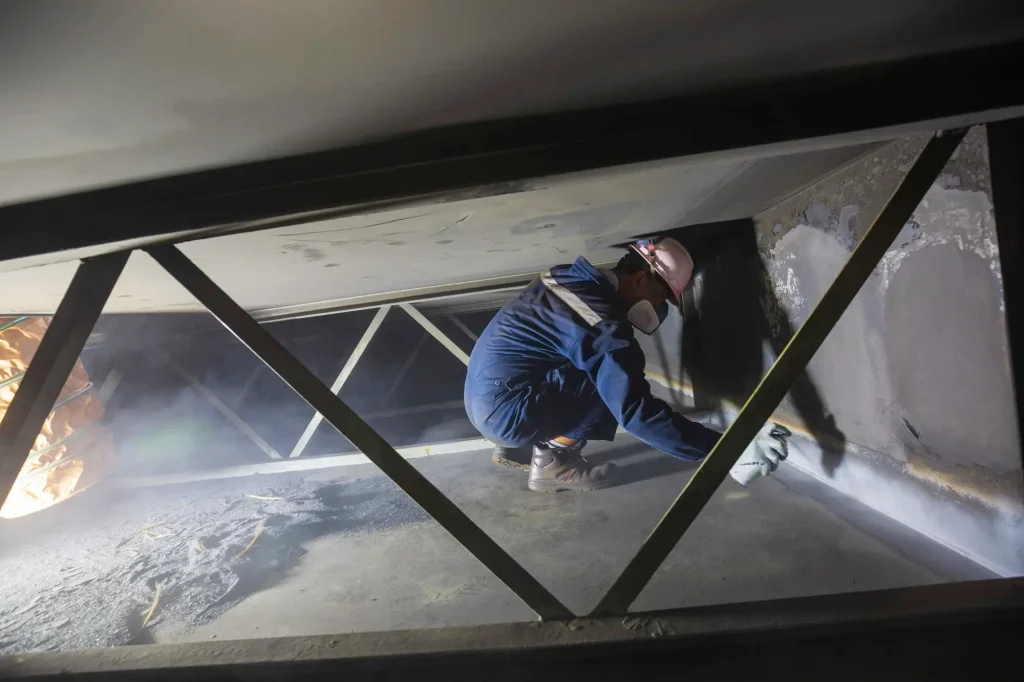
Crawl spaces are easy to overlook because they are hidden beneath the home. Unfortunately, moisture problems in these areas rarely stay contained. Water vapor, standing water, high humidity, and poor drainage can gradually affect floor framing, insulation, indoor air quality, and even the foundation.
By the time homeowners notice musty odors, uneven floors, or visible mold, the moisture problem may already have been developing for months or years. Choosing the right crawl space waterproofing company early can help prevent minor moisture concerns from becoming expensive structural repairs.
A qualified contractor should do more than install a plastic liner. Effective waterproofing requires identifying where moisture is coming from, correcting drainage problems, controlling humidity, protecting structural materials, and creating a long-term maintenance plan. Understanding these elements can help homeowners compare contractors and make an informed decision.
Why Crawl Space Moisture Is a Serious Problem
Moisture can enter a crawl space in several ways. Rainwater may collect near the foundation and seep through walls or open vents. Groundwater can rise through exposed soil, while plumbing leaks may introduce water from above. Even when there is no visible standing water, moisture can continuously evaporate from the ground and increase humidity.
A damp crawl space creates favorable conditions for mold, wood rot, insects, and insulation damage. Floor joists, support beams, subflooring, and other wooden components can absorb moisture over time. Prolonged exposure may weaken these materials and contribute to sagging or uneven floors.
Moisture can also influence the air inside the home. Air naturally moves upward through gaps around plumbing lines, wiring, ductwork, and floor penetrations. This movement, sometimes called the stack effect, can carry odors, humidity, mold particles, and other contaminants from the crawl space into living areas.
For these reasons, crawl space waterproofing is not simply about keeping the area beneath a house dry. It is part of protecting the home’s structure, comfort, energy efficiency, and indoor environment.
Recognize the Warning Signs Early
Homeowners do not always need to enter the crawl space to recognize a developing moisture problem. Changes elsewhere in the house may indicate that conditions below the floor require attention.
Common warning signs include:
- Persistent musty or earthy odors
- Condensation on pipes, ductwork, or foundation walls
- Standing water or damp soil beneath the home
- Visible mold on wood, insulation, or masonry
- Rusted metal fasteners, supports, or HVAC components
- Sagging, uneven, or soft-feeling floors
- Peeling paint or staining near lower walls
- Increased indoor humidity
- Higher heating or cooling costs
- Damp, fallen, or deteriorated insulation
- Increased activity from termites, ants, or other pests
One symptom does not automatically confirm a major waterproofing failure. However, repeated odors, visible moisture, or structural changes should not be ignored. Early inspection can make repairs more manageable and reduce the chance that damage will spread.
Look for a Thorough Inspection Process
A reliable waterproofing company should begin with a detailed inspection rather than recommending the same solution for every home.
The contractor should evaluate the crawl space floor, foundation walls, support columns, framing, insulation, drainage conditions, ventilation, plumbing, ductwork, and visible signs of mold or wood deterioration. The inspection should also include the exterior of the home.
Exterior grading, roof runoff, downspout placement, clogged gutters, landscaping, and soil conditions can all contribute to crawl space moisture. Installing an interior system without addressing exterior water sources may provide only partial protection.
Ask the contractor to explain:
- Where the moisture appears to be entering
- Whether the problem involves groundwater, surface runoff, humidity, plumbing, or several sources
- Which materials have already been affected
- What repairs are needed before waterproofing begins
- How the proposed system will manage future moisture
- What maintenance the system will require
A trustworthy contractor should be able to describe the problem in understandable terms and show homeowners the evidence supporting the recommendation.
Understand the Role of Drainage
Waterproofing begins with controlling liquid water. If rainwater or groundwater regularly enters the crawl space, a vapor barrier alone will not solve the problem.
Depending on the property, drainage improvements may include exterior grading corrections, downspout extensions, foundation drainage, interior perimeter drains, drainage mats, sump pumps, or a combination of these measures.
An interior drainage system is commonly installed around the crawl space perimeter to collect water and direct it toward a sump basin. The sump pump then moves the water away from the foundation. Homes with frequent storms, high groundwater, or a history of power outages may also benefit from a battery backup pump.
When comparing companies, ask where discharged water will go. Water should be directed far enough from the foundation that it does not flow back toward the crawl space.
The contractor should also explain how the drainage system can be accessed for cleaning, inspection, or repair. Hidden systems are useful only when they remain functional over time.
Evaluate the Vapor Barrier or Encapsulation System
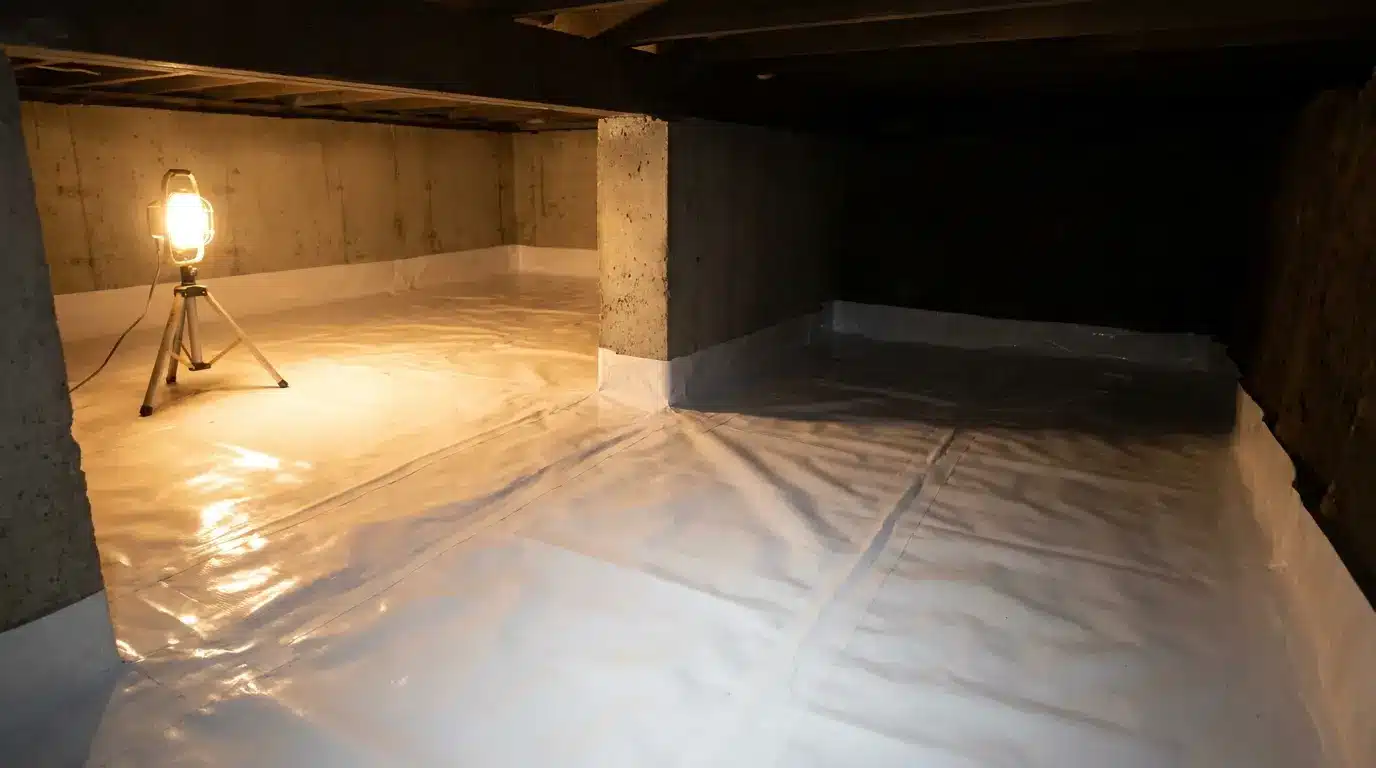
A ground vapor barrier helps reduce moisture evaporation from exposed soil. Basic barriers may cover only the ground, while full encapsulation systems generally cover the floor, foundation walls, piers, and other appropriate surfaces.
The quality of installation matters as much as the material itself. A durable vapor barrier should be properly overlapped, sealed at seams, fitted around support columns, and attached securely where needed. Open gaps can allow moisture to bypass the liner.
Before installation, the crawl space may need debris removal, surface preparation, drainage correction, mold treatment, or repairs to damaged wood. Covering contaminated or deteriorated materials without addressing the underlying problem can hide damage rather than resolve it.
When discussing encapsulation, ask about:
- Liner thickness and durability
- Seam-sealing methods
- Wall attachment details
- Treatment around piers and penetrations
- Access around plumbing and mechanical equipment
- Compatibility with drainage and humidity-control equipment
- Warranty coverage for materials and installation
A well-designed system should work as a complete moisture-control assembly rather than a collection of unrelated products.
Ask How Humidity Will Be Controlled
Stopping visible leaks does not always reduce crawl space humidity to a safe level. Warm, humid air can enter through vents, access doors, gaps, or leaks in the enclosure. Moisture may also remain in wood and soil after drainage repairs are completed.
Many sealed crawl spaces require a dedicated dehumidifier or another properly designed conditioning strategy. A crawl space dehumidifier should be sized for the space and capable of draining automatically. Homeowners should not need to empty a collection bucket manually.
The contractor should explain the target humidity range, how the equipment will be monitored, and where condensate will drain. It is also helpful to ask whether the dehumidifier has a replaceable filter, accessible controls, and service support.
Simply placing a residential portable dehumidifier in a crawl space may not provide reliable long-term performance. The environment can be dusty, confined, and more demanding than a normal living area.
Consider Mold Prevention and Remediation
Mold prevention depends on moisture control. Cleaning visible mold without stopping water entry or lowering humidity will often lead to recurring growth.
If mold is present, the contractor should explain whether remediation is included or whether a separate specialist is needed. The process may involve removing contaminated insulation, cleaning affected surfaces, drying structural wood, and replacing materials that cannot be safely restored.
Be cautious of contractors who rely only on spraying chemicals or applying stain-blocking coatings. Surface treatment may be one part of remediation, but it should not replace physical cleaning, material removal, drying, and source correction when those steps are necessary.
Homeowners should also ask how workers will prevent dust, debris, or mold particles from spreading into occupied areas during the project.
Review the Condition of the Insulation
Crawl space insulation can become ineffective when it is damp, compressed, moldy, or falling from the floor system. Wet fiberglass insulation may trap moisture against wood framing and create conditions that encourage deterioration.
The best insulation strategy depends on the crawl space design and local climate. In some homes, insulation remains beneath the floor. In an encapsulated crawl space, insulation may instead be installed along foundation walls where building codes and conditions allow.
A qualified contractor should evaluate existing insulation rather than automatically covering or replacing it. Ask whether damaged insulation will be removed, how exposed surfaces will be inspected, and whether the proposed system meets applicable energy and fire-safety requirements.
Verify Qualifications, Experience, and Insurance
Before hiring a contractor, confirm that the company has appropriate licensing where required, general liability insurance, workers’ compensation coverage, and experience with crawl space moisture systems.
Homeowners comparing a Professional Crawl Space Waterproofing Company should look for a provider that evaluates drainage, humidity, structural conditions, insulation, and air quality as connected parts of the same problem.
Ask for references from customers with similar crawl space conditions. Online reviews can be useful, but direct references may provide more detail about communication, cleanliness, scheduling, warranty service, and system performance after heavy rain.
Qualified professionals should also recognize the limits of their work. Serious foundation movement, extensive wood damage, electrical hazards, major plumbing leaks, asbestos-containing materials, or widespread contamination may require additional specialists.
Compare Written Proposals Carefully
Do not compare waterproofing estimates based only on the total price. Two proposals may describe very different levels of protection.
A complete written estimate should specify:
- The moisture sources being addressed
- Preparation and debris removal
- Drainage components
- Sump pump specifications
- Vapor barrier or encapsulation materials
- Dehumidification equipment
- Mold-related work
- Insulation removal or replacement
- Structural repairs, if included
- Electrical work
- Cleanup and disposal
- Project timeline
- Warranty terms
- Recommended maintenance
Watch for vague descriptions such as “seal crawl space” without details. Homeowners should know exactly which surfaces will be covered, which problems will be corrected, and which work is excluded.
Be cautious of unusually low bids that leave out drainage, preparation, humidity control, or damaged-material removal. A lower initial price may lead to additional expenses if the moisture source remains active.
Examine the Warranty and Maintenance Requirements
Waterproofing systems require periodic inspection. Pumps need testing, dehumidifier filters need replacement, drains may need cleaning, and exterior runoff conditions can change over time.
Ask whether the company offers maintenance services and what actions are required to keep the warranty valid. Some warranties cover only specific materials, while others may include labor or transferable protection for future homeowners.
Read exclusions carefully. Flooding, plumbing failures, power outages, foundation movement, and lack of maintenance may not be covered.
A strong warranty is valuable, but it should support a properly designed system rather than compensate for poor installation.
Protecting the Home for the Long Term
Crawl space waterproofing is most effective when it addresses the entire moisture pathway. Drainage manages liquid water. Vapor barriers reduce ground moisture. Encapsulation limits humid air movement. Dehumidification controls remaining moisture, while proper insulation supports comfort and energy performance.
When these measures are designed to work together, they can help protect framing, reduce mold-friendly conditions, improve indoor comfort, and limit the risk of costly repairs.
The right contractor will not pressure homeowners into an immediate decision. Instead, the company should document the problem, explain available options, provide a detailed proposal, and recommend a system appropriate for the home.
Addressing crawl space moisture early is usually easier than repairing widespread mold, decayed floor framing, damaged insulation, or foundation-related problems later.
Frequently Asked Questions
1. Is a Vapor Barrier Enough to Waterproof a Crawl Space?
A vapor barrier can reduce moisture rising from exposed soil, but it may not be enough when the crawl space has standing water, foundation seepage, poor exterior drainage, or high humidity. These conditions may require drainage, a sump pump, sealing, and dehumidification.
2. What Is the Difference Between Waterproofing and Encapsulation?
Waterproofing focuses primarily on controlling water entry through drainage, pumps, grading, and related measures. Encapsulation seals the crawl space with a durable liner and controlled environment. Many homes require both approaches.
3. How Long Does Crawl Space Waterproofing Take?
The timeline depends on crawl space size, accessibility, water conditions, mold contamination, drainage needs, and structural repairs. A basic project may take a few days, while more complex work can take longer.
4. Will Crawl Space Waterproofing Improve Indoor Air Quality?
It may help by reducing humidity, musty odors, mold-supporting conditions, and air movement from a damp crawl space. However, indoor air quality can also be affected by ventilation, HVAC conditions, household pollutants, and other moisture sources.
5. How Often Should a Waterproofed Crawl Space Be Inspected?
Homeowners should inspect the space periodically and after severe storms. Pumps, drains, vapor barriers, dehumidifiers, plumbing, and structural materials should be checked according to the installer’s maintenance recommendations.