Why Mould Shows Up Right Where You Can See It
Mould rarely feels random. It tends to pop up in the same familiar places: behind a wardrobe on an outside wall, above a steamy shower, around a window that “always” looks a little wet on cold mornings. The common thread is moisture that lingers longer than the surface can handle, especially on cooler walls where warm indoor air condenses.
In real homes, it often starts with something small. A family keeps the bathroom door shut to “hold in the heat,” a bedroom radiator stays off overnight, or a sofa is pushed tight against an exterior wall for better furniture layout. None of these choices are dramatic, but together they can create a pocket of still, damp air that makes paint and plaster an easy target.
Spot the Source Before You Reach for a Sponge
Cleaning is satisfying, but if you skip the detective work, mould tends to return like clockwork. Start by asking what kind of moisture you’re dealing with. Condensation is the most common in lived-in spaces and usually shows up as speckling in corners, around windows, or behind bulky furniture. Penetrating damp can appear as persistent patches after rain, sometimes with staining that spreads. Leaks can create a very specific “map” that follows pipe routes, ceilings, or the back of a shower wall.
A quick reality check helps: wipe the area dry, then watch what happens over the next 24 to 48 hours. If moisture beads up again during showers, cooking, or chilly nights, you’re likely dealing with condensation and ventilation. If the patch grows regardless of daily habits, investigate plumbing, gutters, cracked grout, or exterior masonry.
A Simple Room-by-Room Checklist
In bathrooms, check the fan, the window seal, and whether towels are drying indoors. In kitchens, look at lids on pans, extractor use, and whether the hob area is near a cold external wall. In bedrooms, pay attention to corners, wardrobes packed tight, and blackout curtains that trap cool air at the glass. In living rooms, note whether furniture sits flush to exterior walls and whether that wall feels noticeably colder to the touch.
Cleaning Mould While Protecting Paint, Plaster, and Decor
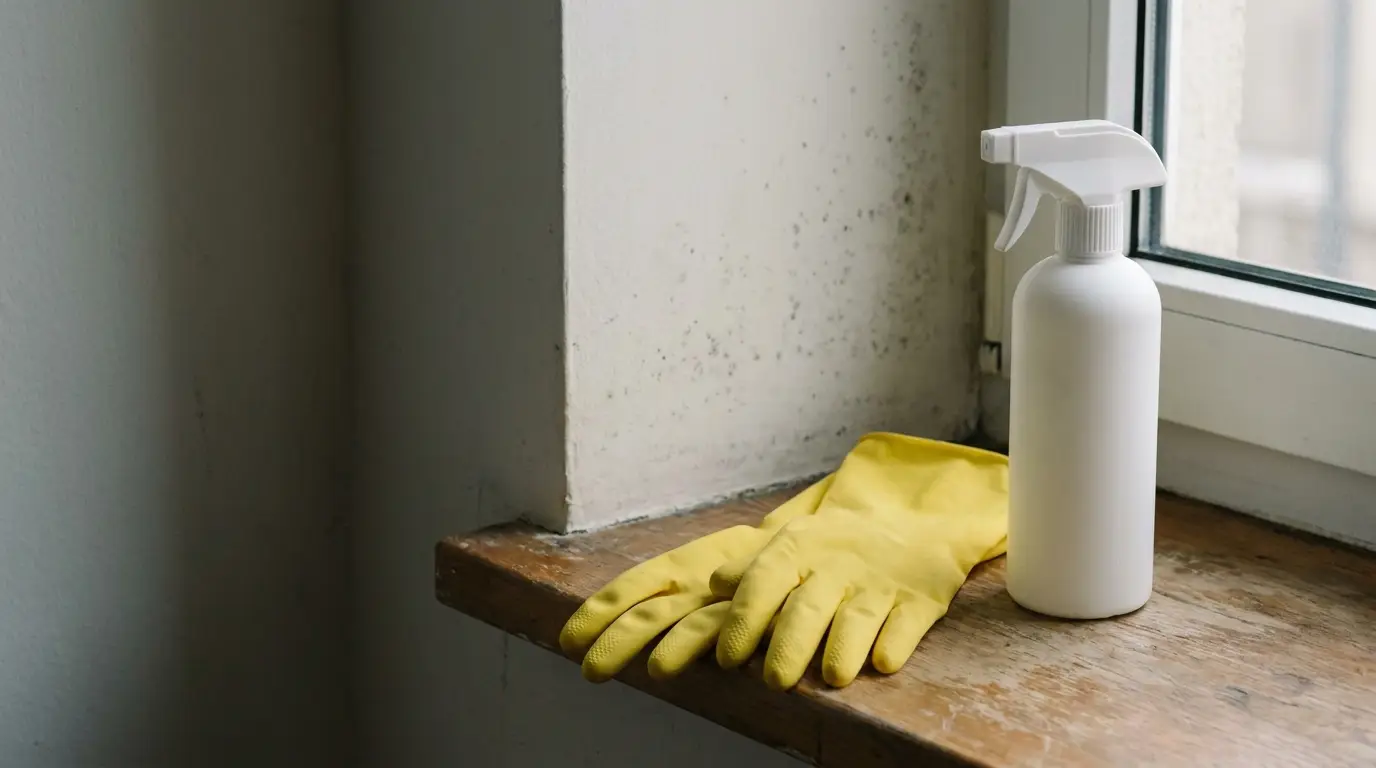
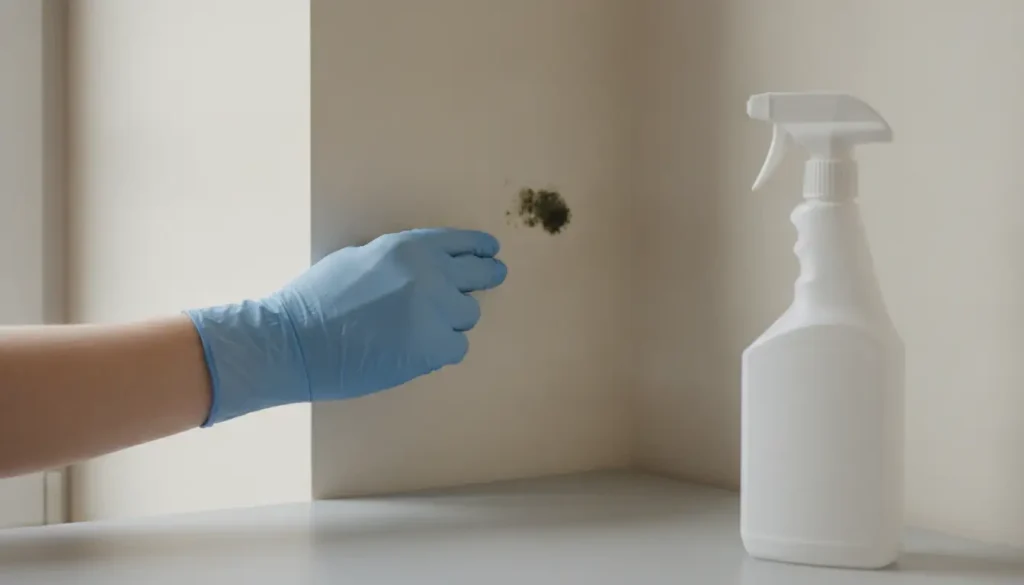
Before you clean, treat the area like a small “containment zone.” Open a window, keep the door mostly closed so spores don’t drift through the house, and wear gloves. If the patch is powdery or you’re sensitive to smells, consider eye protection and a mask. Remove nearby textiles like cushions, throws, and even a rug edge if it’s right up against the wall.
Then think about the finish. Flat or matte paints can scuff easily, and older plaster can soften if you over-wet it. The goal is controlled moisture, gentle agitation, and thorough drying. You can start by lightly misting (not soaking) to reduce airborne dust, then wipe with a disposable cloth. For a deeper dive on safe, effective removal methods and what to avoid, this guide on mould on walls lays out practical steps that help you clean without turning the wall into a bigger repair project.
What to Avoid if You Care About Your Finish
Skip vigorous dry-scrubbing, which can send spores into the air and burnish paint into shiny patches. Be cautious with over-saturating the wall, especially on plaster, because a wet wall is a slow wall to dry. Also avoid mixing cleaning agents. It’s not worth the risk, and it rarely improves results on a porous surface.
When It’s Time to Repaint, Patch, or Call in Help
If you clean and the stain keeps ghosting back through the paint, the wall may need more than a wipe-down. Paint can hide discolouration temporarily, but it won’t fix moisture trapped in plaster or recurring condensation in the same cold corner. Signs you might need repair include bubbling paint, a soft or crumbly surface, or a patch that feels damp even when the room is dry.
For small areas, you may be able to let the wall dry thoroughly, sand back lightly, patch any damage, and repaint with a mould-resistant primer and a durable topcoat that can handle gentle cleaning. If the affected area is larger, if there’s a persistent leak, or if you see mould spreading behind cabinetry or under flooring edges, it’s smart to bring in a qualified professional to identify the moisture pathway and ensure it’s properly resolved.
Prevention That Fits Real Homes and Real Routines
Most prevention is less about “perfect habits” and more about a few consistent tweaks that don’t feel like chores. Ventilate when you create moisture, especially during showers and cooking, and keep trickle vents clear if you have them. Try to heat rooms evenly in colder months, because big temperature swings encourage condensation on the coldest surfaces. If you love the look of furniture tight to the wall, aim for a small air gap, even just a couple of inches, so the wall can breathe.
Finally, keep an eye on the places you don’t photograph for decorating inspiration: the back of wardrobes, the corner behind the hamper, the window reveal hidden by curtains. Catching mould early means you can clean it gently and preserve your paintwork, instead of turning a simple refresh into a full weekend of patching and repainting.