Do you want to spend hours looking around your shed or garage for something you know is there? Avoid this hassle by keeping these spaces organized and tidy. As a result, you’ll avoid the strain of not finding what you need and can protect everything from your expensive power tools to larger equipment like generators.
Why Should I Organize My Garage or Shed?
Whether it’s time to mow the lawn or do some car maintenance, having an organized garage or shed can make these tasks easier. Keeping everything in a designated space can help you avoid searching through piles of clutter, which can reduce your mental load.
Clear the space to reduce hazards and protect valuable equipment from damage. Generator owners should also store a generator properly between uses, following appropriate short- or long-term storage practices to protect the equipment and keep it ready for future power outages.
If you’re working with limited space, various organization techniques can help you utilize it appropriately, from hooks to built-in storage.
What Steps Should I Take for Creating a Better Space?
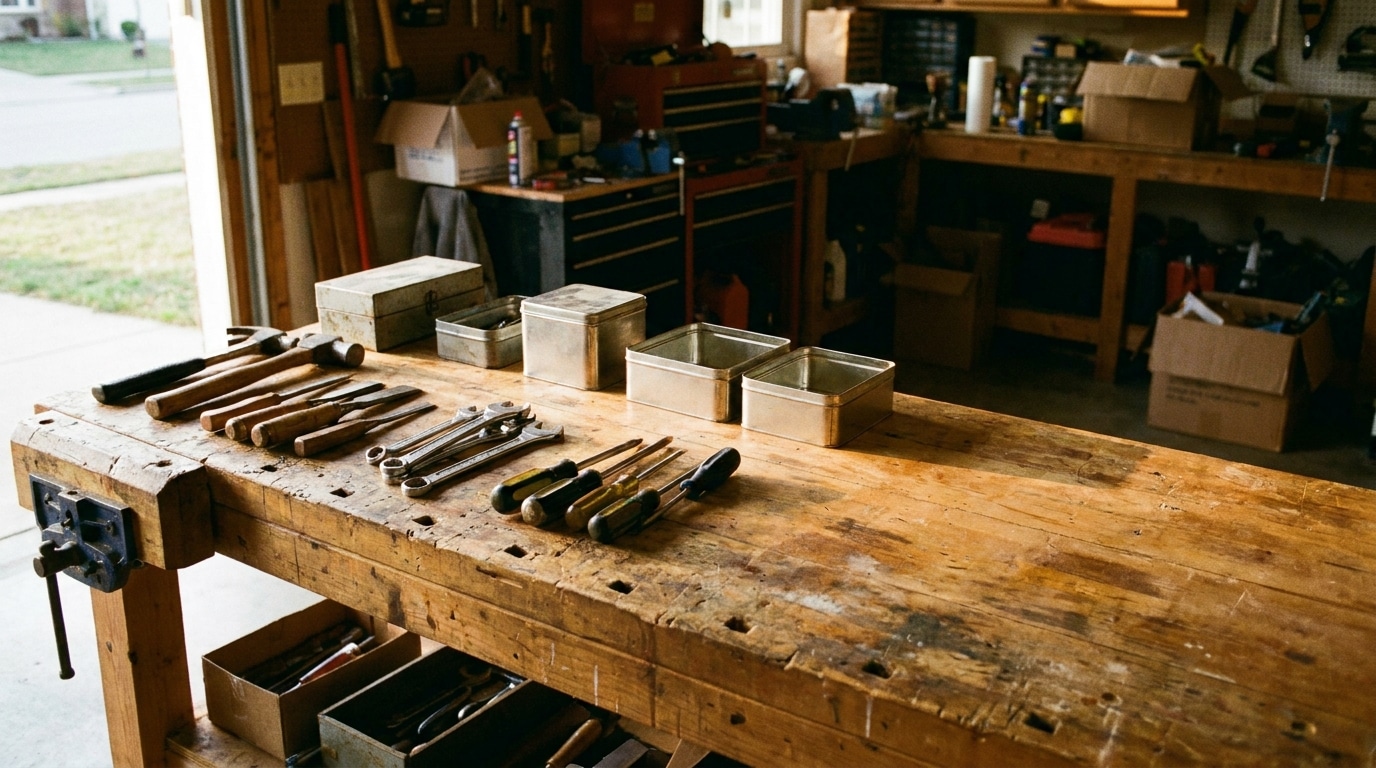
The first steps in creating a better-organized outdoor space are decluttering and maintenance.
Work section by section and start grouping items based on categories, such as seasonal equipment, power tools, and outdoor accessories.
As you work through each category, decide what you’ll:
- Keep
- Donate/sell
- Recycle
- Throw out
Tool redundancies are easy options to remove by giving away or seeing what you may sell.
Don’t forget about necessary maintenance. Your garage is an ideal place for wall-mounted storage, but make sure walls can hold up to their weight. Call in a professional to check for signs of damage and make necessary repairs.
Storage Zones
Now it’s time to create dedicated zones based on the items you use. Keep your most used items readily accessible on or near your workbench or closest to your door. Seasonal items can stay further away on a higher shelf.
Anything potentially hazardous, such as paint or other chemicals, should be tightly secured so children can’t reach them and pets can’t knock over. Form a clear pathway for moving around without bumping into things.
Free up floor space with vertical storage. Walls and ceilings are perfect places to add hooks and mounted shelving units. Pegboards are perfect for hanging hand tools. You can also add in ceiling racks for lightweight seasonal items or storing bicycles and related equipment.
Protect from moisture or humidity with sturdy airtight containers and closed shelves.
Instead of leaning them against the walls, hang long-handled tools up. Power tools can be dangerous in the wrong hands, so store them securely and keep accessories together. Your outdoor equipment, like lawn mowers, usually comes with manufacturer recommendations.
How Can I Keep Things Tidy?
Once you’ve done this set up, the work isn’t over. Maintain your organization by conducting an audit for tools that are unused or damaged and remove them appropriately. Make it a habit to return things to their designated spot after you’re finished. Do a regular seasonal refresh, ideally before winter or spring.
Protect Your Outdoor Equipment With More Organization
There’s a lot that goes into maintaining your home. Your garage and sheds keep most of these vital tools that allow you to do so. You can keep these spaces organized with storage zones based on your activity and appropriate assets, from hooks to airtight containers. Keep things in necessary reach and protect them from humidity.
Start the process by decluttering, and you’ll soon be able to find what you need when you need to take on any outdoor project.