There is a particular satisfaction in improving your own home. A room you reworked yourself, a tired space brought back to life, a project finished on a weekend. The best part is that the right improvements do more than please you day to day. They quietly lift what your home is worth.
The trick is knowing which projects deliver that double win and which simply drain a weekend and a budget. Some upgrades reliably pay for themselves when it comes time to sell, while others are pure indulgence. This guide runs through the renovations that tend to add real value, from small refreshes to bigger structural moves.
Start With High-Impact, Low-Cost Refreshes
Before knocking down walls, look at what a modest budget and some effort can achieve. These are the projects that reward do-it-yourself energy the most.
A fresh coat of paint in a current, neutral palette transforms a room for very little money and appeals to almost every buyer. Swapping dated cabinet handles, tap fittings and light switches for modern ones is a small change with an outsized effect. Updated lighting, from a statement pendant to well-placed lamps, makes a space feel warmer and more considered. None of these needs a tradesperson, and together they can lift the whole feel of a home.
The Rooms That Move the Needle
(Source)
When you are ready to invest more, two rooms consistently return the most: kitchens and bathrooms. Buyers scrutinise both, and a dated version of either drags down the overall impression of a home.
You do not need a luxury renovation to win here. A well-planned layout, quality but sensible finishes and good lighting usually beat an extravagant fit-out. In the kitchen, resurfacing cabinetry, updating benchtops and adding a fresh splashback can modernise the space without a full rebuild. In the bathroom, new tiling, a clean vanity and modern fixtures go a long way. Focus on timeless choices rather than trends that will date quickly.
Know Your Local Market
Before you invest further, factor in the step people most often skip. The value a renovation adds depends heavily on where your home is, so it pays to understand your local market before you spend. Every suburb has a rough price ceiling, and over-improving beyond it rarely returns the money, no matter how good the work is.
Newcastle is a good example of why local knowledge matters. The city’s housing market has matured well beyond its industrial roots, with character-filled period homes in suburbs like Cooks Hill and Hamilton sitting alongside coastal areas that command a premium. Many buyers there specifically seek homes with renovation potential.
If you are buying a place to improve in that market, it helps to understand your position before you commit, and an independent mortgage broker in Newcastle such as Wisebuy can help you work out what is realistic. Knowing your numbers early keeps your renovation ambitions grounded in what the area will actually reward.
Add Space and Function
Space is one of the most dependable value drivers, and you can often find it without extending. Converting an underused room into a home office, carving out a study nook or opening up a cramped floor plan can make a home feel significantly larger.
Outdoor living is worth attention too. A functional deck, a tidy patio, or a simple outdoor entertaining area extends the usable footprint of a home and is especially appealing in Australia’s climate. These projects blur the line between lifestyle and value, which is exactly what makes them worthwhile.
Kerb Appeal and First Impressions
The outside of your home sets the tone before anyone walks through the door, so it deserves as much attention as the interior. Happily, this is fertile ground for weekend projects with real payoff.
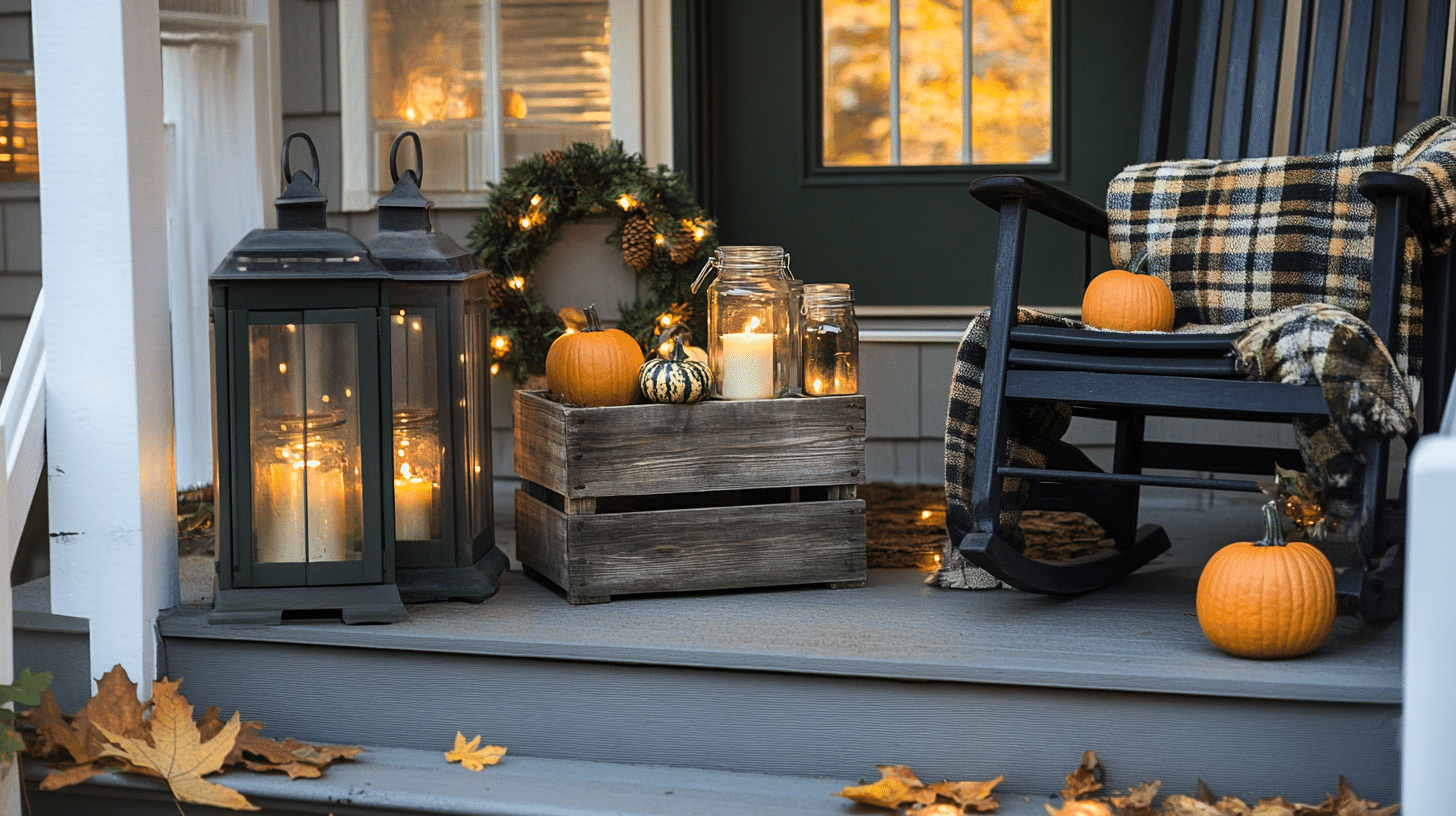
Tidy landscaping, a freshly painted front door, clean gutters and a welcoming entrance cost relatively little but shape the crucial first impression. A well-maintained facade signals a well-cared-for home, and buyers notice. Even small touches like new house numbers, a planted garden bed or a pressure-washed driveway can lift the whole presentation.
Plan Before You Pick Up a Hammer
The homeowners who avoid renovation regret are the ones who plan first. Start with a clear budget and build in a buffer of at least ten to fifteen percent, because older homes in particular love to hide surprises behind their walls.
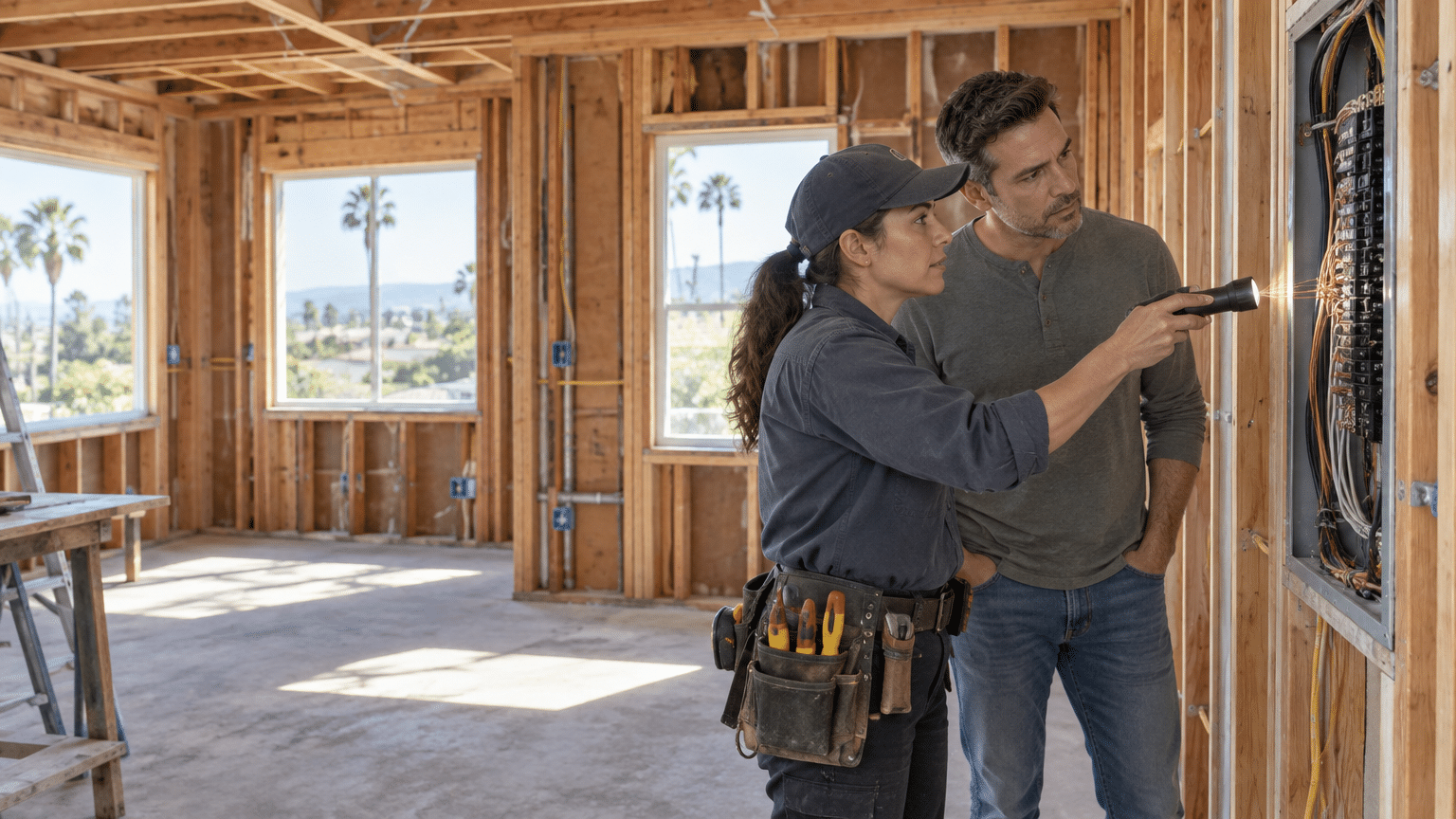
Be honest about what you can do yourself and what needs a professional. Painting, styling and simple hardware swaps are perfect DIY territory. Structural work, plumbing and electrical are not, and getting them wrong is expensive. Confirm whether your project needs council approval, since many additions and structural changes do in New South Wales. And where you are hiring, get more than one quote and agree the scope in writing before anyone starts.
The Bottom Line
Adding value to your home is not about spending the most. It is about spending in the right places, from quick refreshes that anyone can tackle to considered upgrades in the rooms buyers care about most.
Start small where you can, invest thoughtfully in kitchens, bathrooms and space and never lose sight of what your local market will actually pay for. Do that, and the work you put into your home rewards you twice: in the pleasure of living there now, and in the value you unlock down the track.