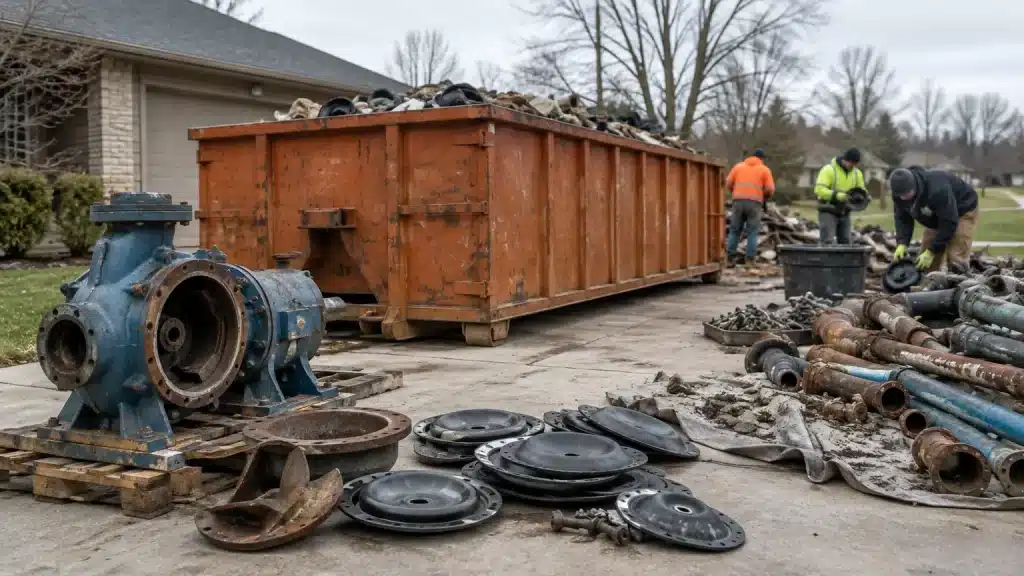
Property repairs often involve more waste than expected, especially when plumbing systems, water pumps, and surrounding structures need attention. What begins as a straightforward pump maintenance project can quickly involve damaged components, discarded packaging, broken fixtures, and construction debris. Planning how to manage that waste before work begins can help contractors maintain a safer, more organized job site.
One practical option is to Rent a Dumpster when a repair project involves substantial cleanup or multiple types of nonhazardous debris. Having a designated waste container on-site allows workers to dispose of approved materials as repairs progress rather than allowing debris to accumulate around equipment. However, dumpster size, placement, and accepted materials should be confirmed with the rental provider before delivery.
Understanding Waste Generated During Pump Repairs
CH&E pumps are used in various industrial, commercial, and water-handling applications. Depending on the pump model and operating conditions, maintenance may involve replacing worn internal components, inspecting seals, cleaning connected piping, or addressing damage caused by leaks. These activities can generate waste beyond the individual parts being replaced.
For example, replacing CH&E replacement diaphragms may involve removing worn rubber or elastomer components, inspecting nearby hardware, and cleaning contaminated surfaces. If the repair is part of a larger property restoration project, contractors might also remove damaged drywall, flooring, insulation, or other building materials. Separating these waste streams helps determine what can enter a general construction dumpster and what requires specialized disposal.
Why Dumpster Planning Matters for Property Repairs
Waste management affects more than the appearance of a construction site. Poorly organized debris can obstruct walkways, create trip hazards, and interfere with access to pumps or electrical equipment. It can also slow repairs when workers must repeatedly move discarded materials out of their way.
A well-positioned dumpster provides a central collection point for permitted waste. This is particularly useful when several trades are working simultaneously, such as plumbers, restoration contractors, and general maintenance crews.
However, not every pump repair requires a dumpster. If the project involves only a small diaphragm replacement and produces minimal waste, regular commercial waste collection or a suitable approved disposal service may be more economical.
The decision should depend on the actual volume and classification of debris rather than the type of pump being serviced.
Choosing the Right Dumpster Size
Dumpster sizes are typically measured in cubic yards, representing the approximate volume of material the container can hold. Selecting the appropriate capacity helps avoid unnecessary rental costs or additional pickups.
Small Repairs and Limited Cleanup
For minor property repairs involving a few removed fixtures, packaging materials, and small amounts of construction debris, a compact dumpster may be sufficient.
A 6-yard dumpster, where available, can be useful for smaller renovation projects. However, weight restrictions still apply, and heavy materials can reach the allowable weight limit before the container is full.
Medium-Sized Renovation Projects
When pump repairs are combined with replacing drywall, flooring, cabinetry, or damaged building materials, a 10- or 15-yard dumpster may provide more practical capacity.
Contractors should estimate the volume of debris before ordering. A dumpster that is too small may require multiple collections, while an oversized container may create unnecessary expense or placement difficulties.
Larger Restoration Projects
Major water damage restoration, commercial property repairs, or extensive remodeling may require a 20-yard or larger dumpster.
Before choosing a larger container, confirm that the property has sufficient delivery access and that the proposed location can safely support the loaded dumpster.
Identify Materials That Require Special Disposal
One of the most important considerations during pump maintenance is determining whether discarded materials are suitable for general waste disposal.
Used pump components may have been exposed to oils, chemicals, wastewater, or other substances. Their disposal requirements depend on the materials involved and the liquids the equipment handled.
For instance, a diaphragm removed from a pump handling clean water may present different disposal considerations from one used in a chemical-processing application.
Contractors should identify the materials and any contamination before placing them in a dumpster.
Common items that may require separate handling include:
- Pump components contaminated with hazardous chemicals
- Free liquids, oils, and solvents
- Batteries and certain electrical components
- Asbestos-containing building materials
- Paints, adhesives, and other regulated substances
- Contaminated absorbents or cleanup materials
Never assume that a construction dumpster accepts all materials generated during repairs. Ask the rental company about restrictions and consult applicable local disposal requirements.
Plan Dumpster Placement Before Delivery
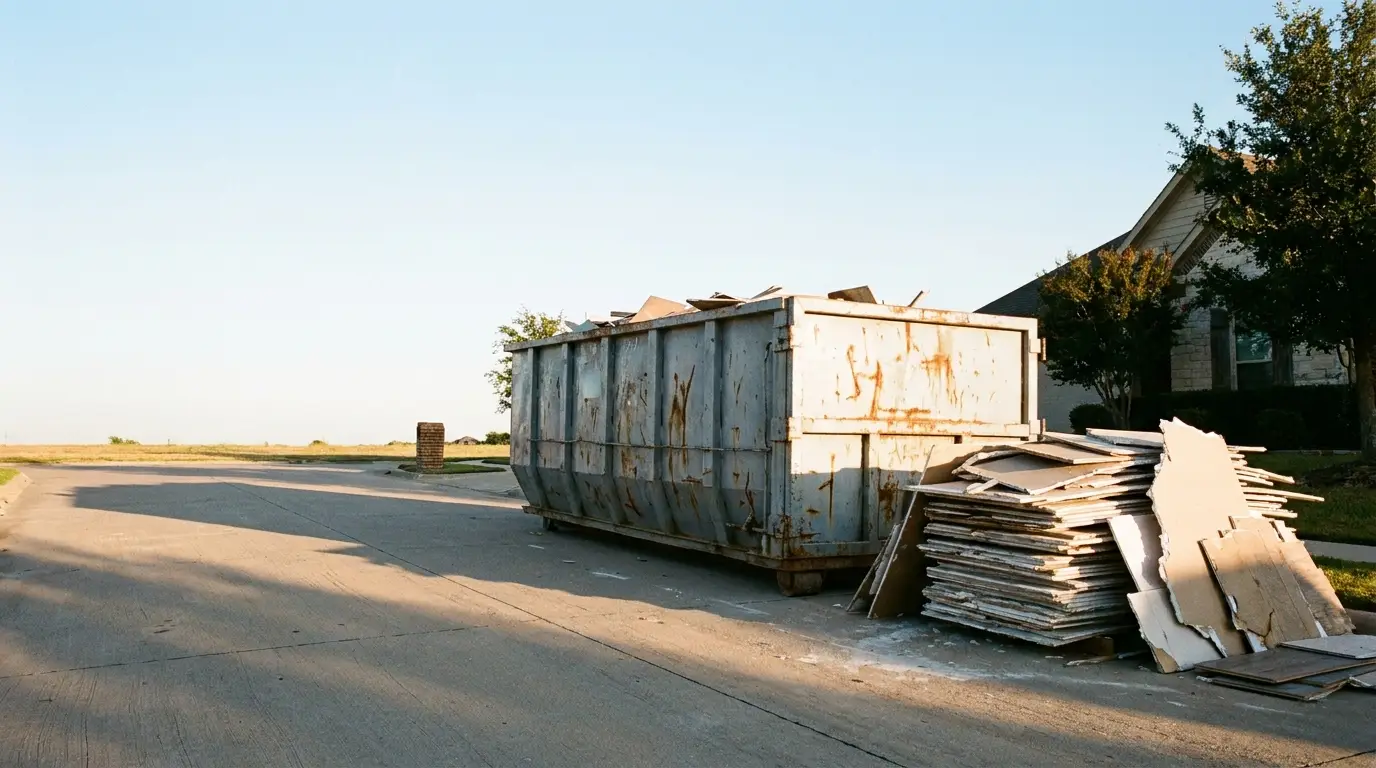
Dumpster placement should be considered alongside equipment access, worker movement, and material deliveries.
For residential properties, driveways are often convenient because they provide relatively direct access for loading and collection. However, the surface must be suitable for the container’s weight, and the delivery truck needs adequate clearance.
Commercial properties may require placement in designated service areas or loading zones.
Before scheduling delivery, consider whether the dumpster could block emergency access, parking spaces, pedestrian routes, or access to mechanical equipment.
Some municipalities also require permits when dumpsters are placed on public streets or other public property. Confirm these requirements with the local authority rather than assuming the rental company will obtain every necessary permit.
Coordinate Waste Removal With the Repair Schedule
A dumpster is most useful when its rental period matches the actual construction schedule.
Consider a commercial building where maintenance workers discover a damaged pump diaphragm and water-related deterioration in an adjacent utility room.
The repair team may first isolate the affected equipment, investigate the source of the leak, and remove damaged materials. Only after the underlying problem is addressed should restoration work proceed.
In this situation, delivering the dumpster before demolition and cleanup begins can prevent debris from accumulating.
However, arranging collection too early may leave contractors without waste capacity during the final stages of restoration.
A practical sequence is to estimate debris volume, confirm disposal requirements, schedule delivery before substantial cleanup, and arrange collection after the major waste-generating work is complete.
Avoid Common Dumpster Rental Mistakes
Several preventable mistakes can increase the cost and complexity of a repair project.
Underestimating Waste Volume
Contractors sometimes estimate only the waste from replacing mechanical components while overlooking damaged building materials that may also need removal.
Review the full repair scope before selecting a dumpster.
Ignoring Weight Limits
Dumpster rentals commonly include weight allowances. Dense materials such as concrete, masonry, and wet construction debris can exceed those allowances even when the container appears partially empty.
Ask about weight limits and overage charges in advance.
Mixing Prohibited Materials With General Debris
Improper disposal can result in rejected loads, additional fees, or regulatory problems.
Keep potentially hazardous pump-related waste separate until its classification and disposal method are confirmed.
Failing to Confirm Rental Terms
Before booking, review the rental duration, delivery and pickup fees, permitted materials, weight allowance, and charges for additional service.
Written confirmation helps prevent misunderstandings.
Combine Pump Maintenance With Preventive Property Care
Replacing worn diaphragms addresses a specific maintenance issue, but it also presents an opportunity to examine the surrounding system.
Technicians can inspect connected piping, mounting hardware, seals, and visible signs of leakage or corrosion. They should follow the pump manufacturer’s maintenance procedures and use replacement components compatible with the exact equipment model.
If a leak has affected nearby building materials, the property owner should determine whether additional drying, cleaning, or restoration is required.
Addressing these related issues during the same maintenance period may reduce repeated disruptions and help prevent avoidable damage.
Waste planning should support this work rather than become a separate obstacle.
Final Thoughts
Renting a dumpster during pump-related property repairs can make cleanup more efficient when the project generates enough approved construction debris to justify a dedicated container. The key is to match dumpster capacity to the repair scope, coordinate delivery with the work schedule, and verify disposal restrictions before loading materials.
For projects involving diaphragm replacement and surrounding property damage, careful planning helps maintenance teams keep work areas organized while ensuring that potentially contaminated components receive appropriate handling. A well-managed cleanup process allows contractors to focus on completing repairs safely and efficiently.