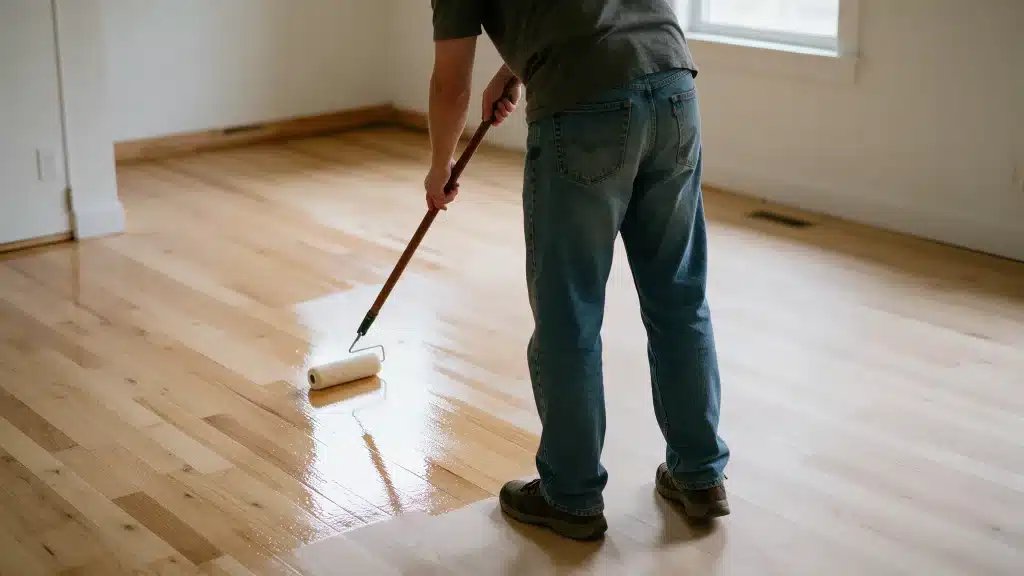
Have you ever noticed that sharp chemical smell hanging in the air after applying hardwood floor finish or opening fresh foam furniture?
Chemical vapors that quickly fill indoor spaces can affect indoor air quality and everyday health.
Determining whether polyurethane is toxic comes down to understanding how wet chemical mixtures behave during application compared to solid, finished products, including whether polyurethane fumes can kill you in heavy-exposure scenarios.
What is Polyurethane?
Polyurethane forms when liquid polyols react chemically with organic diisocyanates. Adjusting those chemical ratios changes the final density.
A liquid coat is brushed onto hardwood floors to block water damage and daily scratches. The same basic chemistry expands into cushion foam, building insulation, shoe soles, or synthetic leather.
The liquid version dries by evaporating solvents and curing, while the solid form stays chemically bound and rigid. That physical difference controls how chemicals off-gas into surrounding air.
Wet formulas release volatile vapors during application, while cured solid products retain locked chemical structures.
Understanding this distinction explains why liquid applications require active ventilation, whereas finished items remain stable throughout daily use.
What is Polyurethane Made Of
Polyurethane relies on distinct chemical ingredients mixed in precise ratios to achieve specific strength, texture, and drying times.
Combining base liquid components sets off a reaction that transforms loose chemical units into rigid polymer chains.
Polyols and Isocyanates
Two core liquid components, polyols and diisocyanates, form the chemical base. Blending them triggers a rapid bond that links the liquid ingredients.
Aromatic diisocyanates such as TDI and MDI are common in spray foam, adhesives, and amber oil-based finishes, while more color-stable aliphatic isocyanates are used in clear-drying water-based coats.
This chemical ratio directly dictates if the product sets soft or rock-hard.
Solvents, Catalysts, and Other Additives
Volatile solvents keep liquid coats thin enough to brush evenly across surfaces. Added catalysts force the finish to cure faster, while flame retardants and UV blockers prevent sun damage.
As the wet layer cures, these temporary solvents break free and drift into indoor air.
Is Polyurethane Toxic to Humans

Liquid polyurethane and solid plastic behave very differently in your home. The real safety risk comes from wet finishes, uncured glues, and fresh spray foam before the drying process finishes.
Wet Versus Cured Polyurethane
Uncured finish throws off volatile solvents and raw diisocyanate molecules as it dries out. A lungful of those wet fumes burns your throat, causes severe headaches, and makes your eyes water.
Once the topcoat sets rock-hard, that chemical reaction stops completely. What’s left is a stable plastic layer that blocks off-gassing.
How Polyurethane Exposure Happens
Inhalation of chemical vapors occurs primarily while sealing hardwood floors or spraying gap foam in basements.
Direct skin contact with wet polyurethane allows bare hands to absorb the liquid. Sand old floor coats without a dust mask, and you send fine, chemical-coated wood dust directly into the lungs.
Who Faces Greater Exposure Risks
Floor sanders, commercial painters, and spray foam crews handle these raw chemicals on job sites every day.
DIY projects completed in closed rooms without box fans present similar exposure levels. Children, pregnant women, and individuals with severe asthma experience stronger reactions to leftover chemical odors.
Factory workers without fresh-air masks can develop permanent airway sensitivity from months of constant exposure.
What are the Risks of Polyurethane
Working around wet finishes, fresh spray foam, or heated dust carries real physical hazards. Most problems stem from harsh liquid solvents, reactive vapors, and fine plastic dust created during floor work.
Fumes and Inhalation Risks
Wet finishes release heavy solvents and raw diisocyanates as they dry on floors or trim.
Breathing those fumes burns your nasal passages, triggers coughing fits, and brings on sudden lightheadedness.
Trapping those vapors inside closed rooms without open windows causes severe lung inflammation and makes breathing extremely difficult.
Skin and Eye Irritation
Splashing liquid finish onto bare hands leaves red, itchy chemical rashes that can take days to clear.
Solvent vapors hanging in closed rooms quickly sting your eyes, turning them red and watery. Getting uncured foam on your fingers sticks like glue and leaves tough chemical stains behind.
Respiratory Sensitization and Asthma
Breathing raw diisocyanates repeatedly forces your body to build up a permanent chemical allergy.
Once that happens, even small whiffs of fresh finish trigger bad asthma attacks and chest tightness.
That lung damage never goes away. Plenty of painters end up abandoning finishing work for good because of it.
Fire and Flammable Vapor Risks
Liquid oil-based finishes carry heavy petroleum solvents that catch fire very easily. Those dense vapors sink toward floorboards, where a water heater pilot light or outlet spark can trigger a flash fire.
Rags soaked in liquid finish generate internal heat and can catch fire while sitting in trash cans overnight.
Sanding, Cutting, and Heating Risks
Sanding down old clear coats generates fine plastic dust that drifts straight into your lungs.
Running high-speed saw blades through cured foam cooks the plastic, releasing stinging gases into your workshop air. Inhaling that hot dust leaves you with raw throat pain and a lingering cough.
Can Polyurethane Fumes Kill You?
Topcoats off-gassing in a room with standard airflow won’t kill you. But if you seal off a workspace, solvent vapors sink, pool along the floor, and choke out available oxygen.
You pass out before realizing the air is bad, taking in enough concentrated vapor to cause lasting lung damage.
Fire is where polyurethane gets lethal fast. Burning cured foam produces hydrogen cyanide. Inhaling that smoke cuts off oxygen at the cellular level, knocking you cold within minutes.
Pay attention to basic warning signs. A raw throat, stinging eyes, or chest pressure means fumes are building up. Leave the area immediately.
If coughing or tightness doesn’t settle down after ten minutes outside, get to urgent care.
How Long Polyurethane Fumes Last?
Fumes stay in the air until the finish fully cures, well past the point where it feels dry to the touch. Solvent coats dry within hours, but the chemical hardening process keeps releasing vapors for two or three weeks.
Water-based coats finish off-gassing much quicker, usually settling down after a few days. Wait times depend on what you applied and how much air is moving.
Water-based floors can take foot traffic after 24 hours, but wait three days before sleeping there. Oil-based finishes need a solid four to seven days of isolation.
Cold rooms, high humidity, and dead air hold fumes in the space, stretching out the cure time well past what the can says.
Is Cured Polyurethane Still Harmful?
Cured polyurethane turns into plain plastic. When the chemical hardening stops, off-gassing ends with it. Living near a finished surface or walking across cured floors doesn’t affect respiratory health.
If you still smell something weeks later, it usually means solvent scent got trapped in a closed room. Running a window fan for half a day pulls that stale air out.
The danger starts back up when you work the cured finish. Sanding grinds the hard topcoat into fine dust that gets deep into your lungs, and hitting it with a heat gun burns off toxic smoke.
Wear a respirator and use dust collection before you sand or scrape old coats.
Common Uses of Polyurethane
Polyurethane shows up in thousands of everyday items, building sites, and manufacturing lines. How a product is made dictates if it works as a hard outer surface, soft interior padding, or an airtight gap filler.
Wood and Floor Finishes

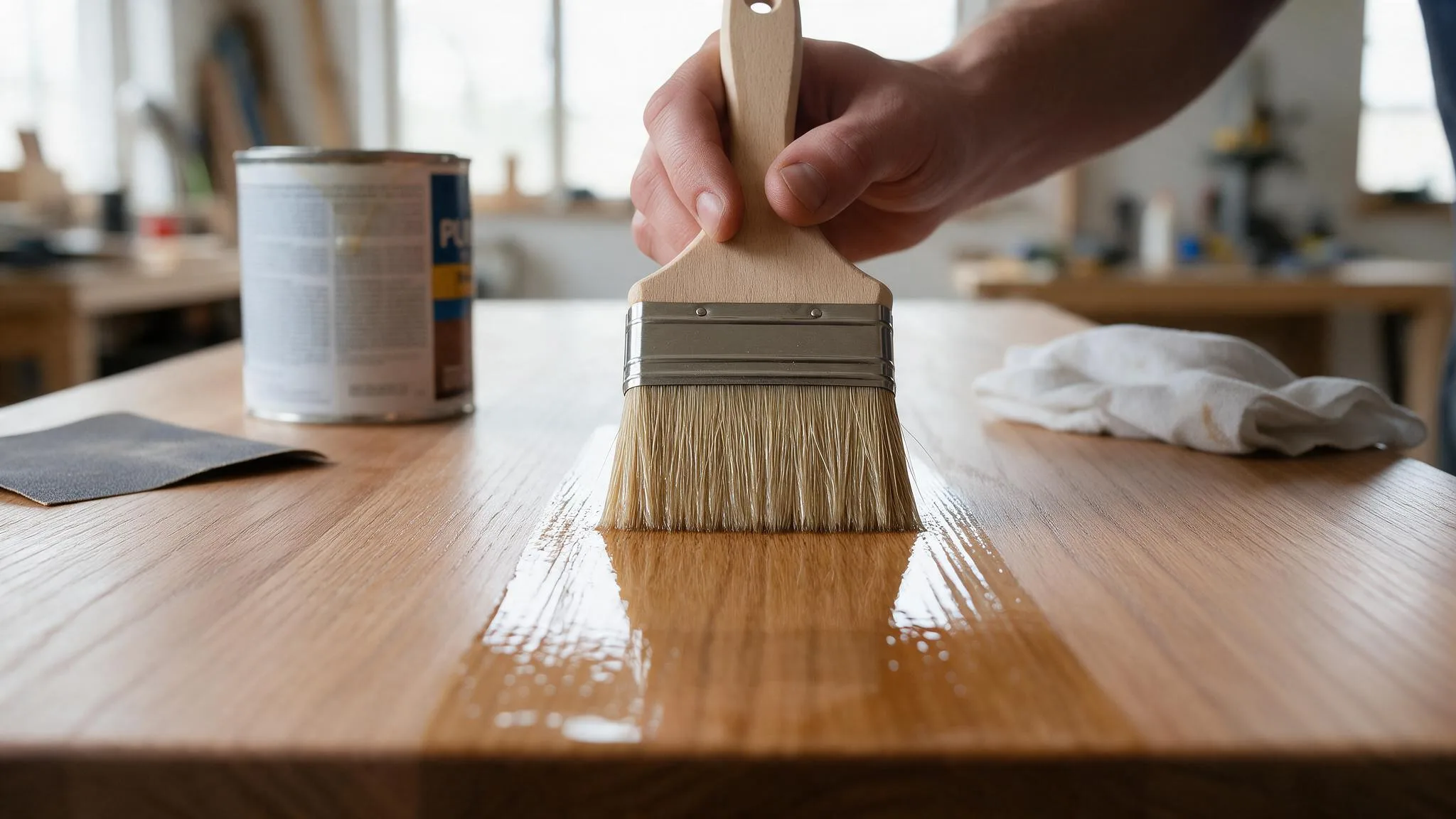
Clear finishes seal oak flooring, timber cabinets, and wooden stairs or tables against scuffs and water spills. Oil-based formulas give wood a deep amber tone, while water-based versions dry clear without altering the raw grain.
Wet coats release strong solvent odors as liquid evaporates out of the room.
PU Leather and Clothing

Synthetic leather coats fabric backing to make rain jackets, boots, and handbags. The vinyl-like top layer blocks rain and resists surface cracks without stiffness.
Factory garment lines use this synthetic option to deliver the look of animal hide at lower costs.
Adhesives, Sealants, and Glues
Heavy-duty polyurethane glue bonds damp wood, stone, metal, and fiberglass panels. Flexible caulk fills concrete sidewalk joints without splitting when ground surfaces shift.
These sealants hold tight against freezing winter weather and harsh road vibration.
Mattresses and Furniture Foam

Polyurethane foam forms the core of memory foam mattresses, couch cushions, and office seating.
Dense inner blocks cradle weight and spring back after years of constant sitting. That bounce keeps modern furniture soft without collapsing under daily use.
Spray Foam and Building Insulation
Insulators spray expanding liquid into wall cavities and attic corners to block cold drafts.
Rigid board stock lines basement walls to stabilize indoor temperatures and stop moisture leaks. The dried foam is used as a dual air seal and thermal barrier in modern homes.
Footwear and Automotive Products

Molded foam outsoles cushion work boots and athletic shoes against heel strikes. Car factories mold the same resilient compound into bumpers, interior dash trim, and suspension bushings.
Heavy wear resistance keeps these components intact through years of high mileage. The material absorbs road shocks without snapping or degrading.
How to Use Polyurethane Safely
Application comes down to three basics: clear the air, cover yourself, and drop any chance of a spark.
Ventilate the Area Properly
Point a window fan outside to push vapors out. Open a door across the space to pull fresh air through, and seal off vents to keep fumes from spreading.
Wear the Right Protective Gear
Cheap dust masks don’t filter chemicals. Put on a respirator fitted with organic vapor canisters, nitrile gloves that won’t melt under thinners, and tight safety glasses to shield your eyes from splashes and irritation.
Use Extra Care When Spraying
Spraying turns liquid into airborne mist that you inhale fast, and that catches fire easily. Take spray jobs outside or use a booth with a spark-proof fan.
Keep Away From Heat and Flames
Thick fumes settle on the floor and drift toward ignition sources. Turn off pilot lights, unplug heaters, and leave power tools off until the coat dries.
Follow Product Labels and SDS
Solvent mixes differ by brand, which changes the cure speed, flash point, and safe handling limits for that coat. Always keep the container tightly closed when not pouring to prevent solvent loss and vapor build-up.
The Bottom Line
Working with polyurethane doesn’t mean putting your health on the line. Manage solvent vapors, set up reliable exhaust, wear the right gear, and wait out true cure times before calling a room safe.
Sticking to simple habits around air movement, skin coverage, and spark prevention goes a long way toward keeping your workspace safe.
Once fully cured, polyurethane is inert and not toxic.
Frequently Asked Questions
1. Can You Sleep in a House After Applying Polyurethane?
Wait at least three days for water-based finishes and four to seven days for oil-based finishes before sleeping in the room.
2. Will a Standard N95 Mask Protect You from Polyurethane Fumes?
Not at all, since paper masks filter only dust and let chemical fumes pass straight through.
3. Is Water-Based Polyurethane Safer than Oil-Based Polyurethane?
Yes, because water-based options cut VOC emissions way down and dry faster.