Landscaping is the top exterior renovation priority for American homeowners at 23%, followed closely by windows and doors at 21%. Those numbers come from a December 2025 survey of more than 1,000 US homeowners, and they tell a story that often gets buried beneath the more glamorous interior data — the kitchens, the bathrooms, the open-concept living rooms that dominate renovation conversations online. But for homeowners who want to maximize perceived value, reduce energy costs, and create a lasting first impression, the exterior of the home deserves a serious look before the interior gets all the attention.
The case for outside-first isn’t just aesthetic. It’s financial, practical, and increasingly supported by how buyers actually evaluate a home when they pull up to the curb.
Why Landscaping Leads Exterior Renovation Priorities
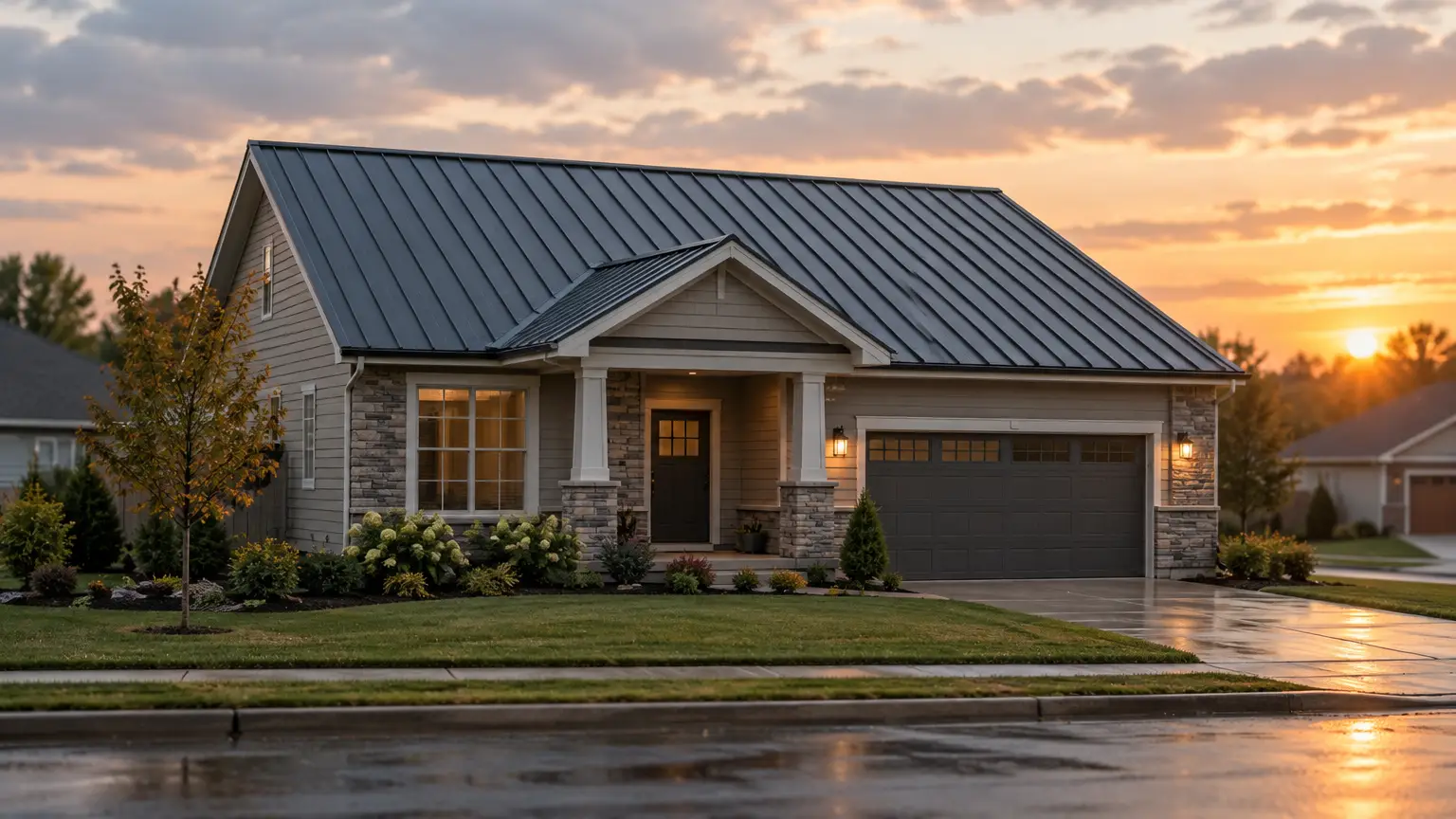
When nearly one in four homeowners identifies landscaping as their top exterior project, it reflects something intuitive: the yard is the first thing anyone sees. Before a buyer walks through the front door, before a neighbor forms an opinion, before a listing photo loads on a phone screen, the yard makes an impression.
Landscaping covers a wide range of investment levels, which partly explains its broad appeal. At the lower end, homeowners are refreshing mulch, planting perennials, and edging walkways. At the higher end, projects include grading, irrigation systems, retaining walls, and mature tree installations. The flexibility of scale makes landscaping accessible to homeowners at nearly any budget point.
There is also an emotional component worth acknowledging. A well-maintained yard signals that the rest of the property has been cared for. Overgrown shrubs or bare patches of dirt in the front yard create doubt, regardless of what renovations have been done inside. For homeowners who spend time at home, an inviting outdoor space also adds daily quality of life in a way that a new backsplash does not.
From a resale perspective, landscaping investments tend to recover a solid portion of their cost. The National Association of REALTORS Remodeling Impact Report consistently shows that curb appeal projects rank among the better-performing renovations when measured against resale recovery rates. That data aligns well with what survey respondents reported: 47% say resale value plays a significant role in how they decide which renovation projects to pursue. Exterior projects are often the first thing prospective buyers evaluate, and landscaping is the most visible component of that evaluation.
Windows and Doors: Function, Efficiency, and First Impressions
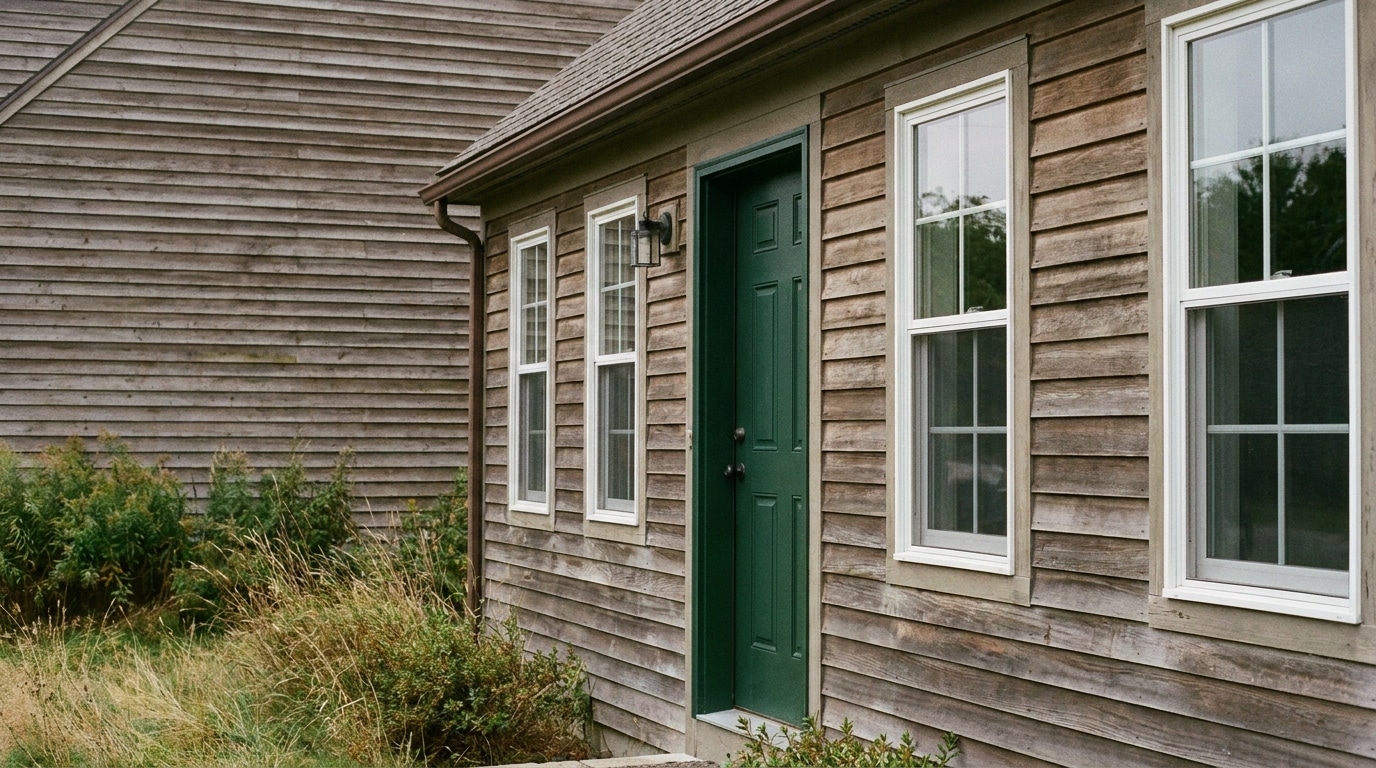
Windows and doors at 21% represent a different kind of exterior investment — one that straddles the line between visible upgrade and functional improvement. A new front door or a set of energy-efficient windows changes how a home looks from the street, but it also changes how the home performs year-round.
The US Department of Energy estimates that heat gain and heat loss through windows account for 25% to 30% of residential heating and cooling energy use. Replacing single-pane windows with double- or triple-pane alternatives can meaningfully reduce utility bills, and that savings compounds over time. For homeowners in climates with harsh winters or hot summers, window replacement is rarely a cosmetic project. It is an infrastructure decision.
Doors carry similar logic. An older exterior door with poor weatherstripping or inadequate insulation is a consistent source of energy loss. Beyond efficiency, door replacement also addresses security. Modern exterior doors and entry systems offer substantially better resistance to forced entry than doors installed 20 or 30 years ago.
From a buyer’s perspective, new windows and doors communicate that a home has been maintained at a mechanical level, not just painted over. That distinction matters to buyers who are weighing the total cost of ownership, not just the purchase price.
How Exterior Projects Connect to Resale Value
The survey data on resale value is one of the more practical findings in the full dataset. When 47% of homeowners say resale value significantly influences their renovation decisions, it signals that most people are not renovating purely for personal enjoyment. They are thinking about return on investment, even if they are not using that language.
Interior renovations like kitchen and bathroom remodels tend to get more attention in resale conversations, and for good reason — kitchens and bathrooms are heavily weighted in buyer decision-making. But exterior condition is evaluated before a buyer even schedules a showing. A home with dated windows, neglected landscaping, or a worn front door may not get that showing at all. In that sense, exterior renovations protect and amplify the value of whatever interior work has already been done.
Rocket Mortgage’s findings on renovation vs. travel reinforce this point indirectly. The survey shows that 75% of homeowners would choose a $20,000 renovation over a dream vacation, which reflects a broad shift toward viewing home improvement as genuine value creation rather than discretionary spending. That mindset applies equally to exterior projects, even if bathrooms and kitchens get more of the cultural airtime.
Making the Case for Outside Before Inside
The interior-first instinct is understandable. Kitchens and bathrooms are where people spend significant time, and renovation shows have conditioned audiences to measure a home’s quality by its countertops and fixtures. But the data from this survey suggests that homeowners are already thinking more broadly than that framing allows.
Landscaping at 23% and windows and doors at 21% are not minor afterthoughts. They represent real priorities for a meaningful share of American homeowners, and the reasons are sound. Exterior projects affect energy bills. They affect security. They affect whether a home attracts interest in a competitive market. And they affect the daily experience of arriving home.
Homeowners weighing where to direct renovation budgets in 2025 would do well to walk around the outside of their home before they start pulling cabinet samples. The $608 billion that Americans spent on remodeling in 2025 — roughly 50% above pre-pandemic levels, according to Harvard’s Joint Center for Housing Studies — reflects an era of serious investment in residential property. Making sure the outside of that property holds up to scrutiny is not a secondary consideration. It is often the first one that counts.