A room can hold graceful antiques, sleek furniture, and thoughtful finishes yet still feel slightly disconnected.
Modern traditional interior design offers a grounded way to bring those different influences into one clear visual story
The right balance turns clashing pieces into one unified space.
This blog ahead covers the defining features of the style, its closest comparisons, room-by-room applications, dependable furniture pairings, spending priorities, and common decorating errors.
What is Modern Traditional Interior Design?
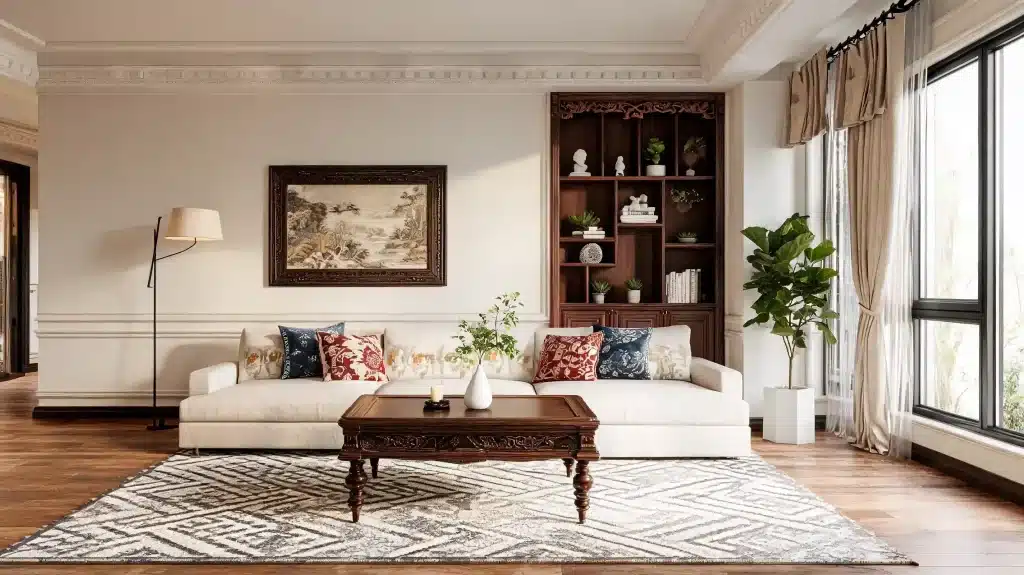
Modern traditional interior design blends classic forms with streamlined shapes, relaxed layouts, and present-day function.
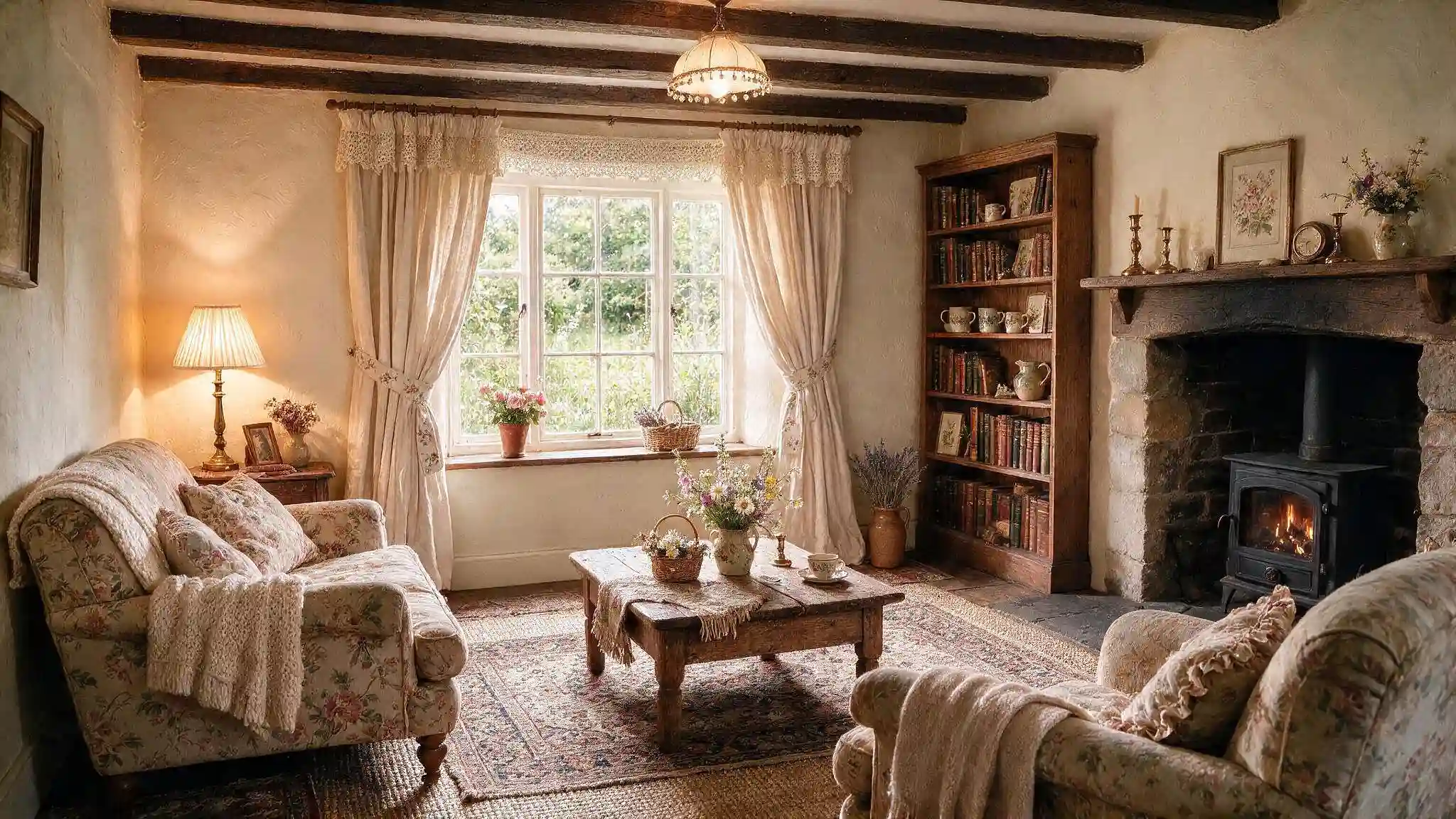
Traditional character may come from carved wood, tailored upholstery, paneled walls, vintage rugs, framed artwork, or aged metals.
Modern balance appears through open spacing, simpler silhouettes, restrained surfaces, and practical lighting.
One direction should lead while the other adds contrast, preventing the room from looking divided between eras.
Core Principles of Modern Traditional Style
A convincing scheme depends on a few repeatable decisions that control contrast, connect different periods, and keep practical needs ahead of decorative excess at once.
- Choose a Dominant Direction: Let one design style lead while the other adds subtle supporting details.
- Prioritize Proportion: Match furniture scale and visual weight before mixing different design periods.
- Create a Finish Thread: Repeat selected materials or tones to connect varied design elements.
- Layer the Lighting: Combine different light sources to improve function, mood, and room balance.
- Vary Surface Texture: Mix materials and finishes to add depth without creating visual clutter; different paint textures alone can carry a lot of that contrast on walls and trim.
- Preserve Useful Character: Keep original architectural details that enhance the space’s natural proportions.
Modern Traditional Style Compared to Other Interior Styles
Clear style boundaries make purchasing easier and prevent similar-looking interiors from being mistaken for one another when choosing furniture, finishes, color, and decorative detail later.
| Feature | Modern Traditional | Traditional | Modern | Transitional |
|---|---|---|---|---|
| Main Focus | Classic character with modern function | Historic detail and formal balance | Simplicity and practical form | Soft traditional influence |
| Typical Look | Mixed periods, balanced contrast | Curves, symmetry, ornament | Clean lines, open surfaces | Gentle curves, subtle details |
| Color Palette | Neutrals with wood and leather tones | Rich jewel tones | Black, white, gray shades | Soft muted neutrals |
| Common Materials | Wood, brass, linen, stone | Carved wood, velvet, gilt accents | Glass, steel, chrome | Wood, wool, matte metals |
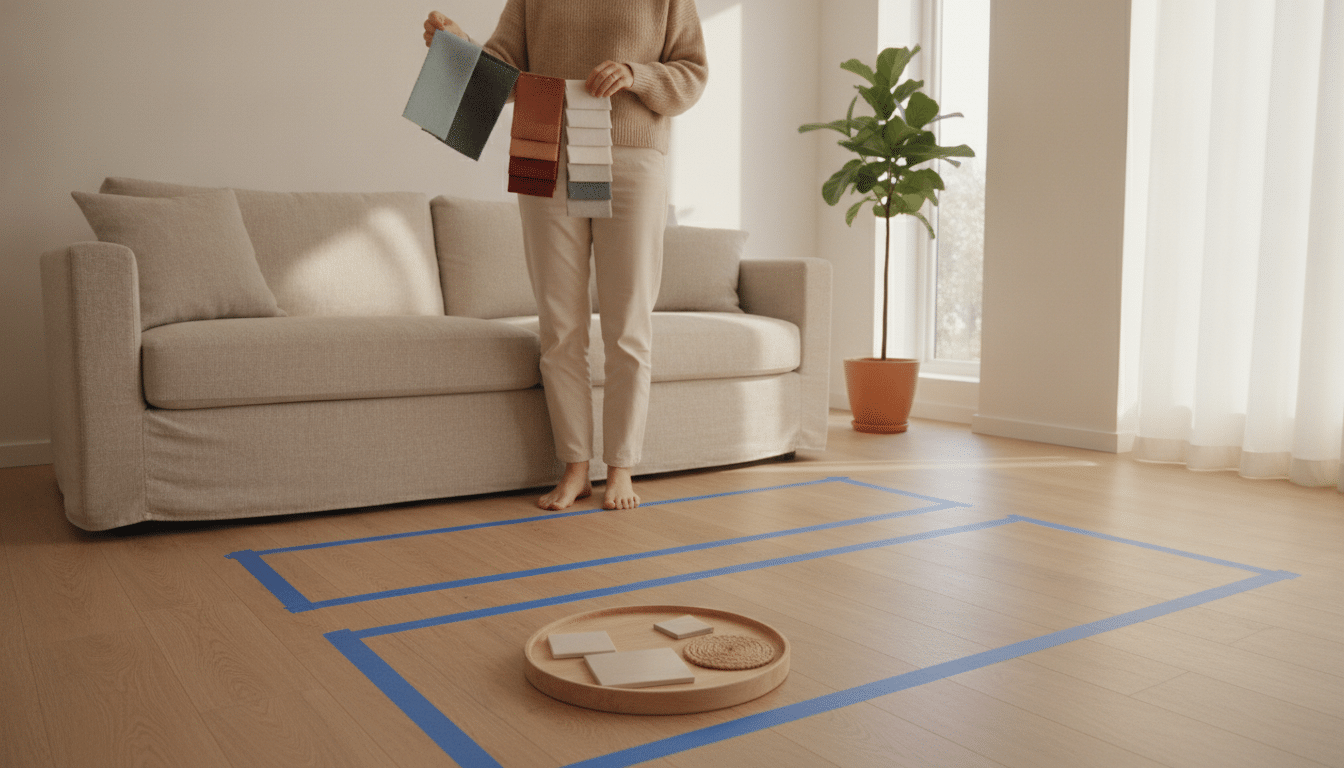
A neutral base is doing most of the work in this style, and knowing exactly where a warm gray shade lands makes it much easier to pick a wall color that supports both the traditional and modern pieces in the room.
Designing Each Room in the Modern Traditional Style
Each room requires a different balance because movement, storage, moisture, seating, and visual focus change throughout the home, even when the palette remains connected visually.
1. Living Room
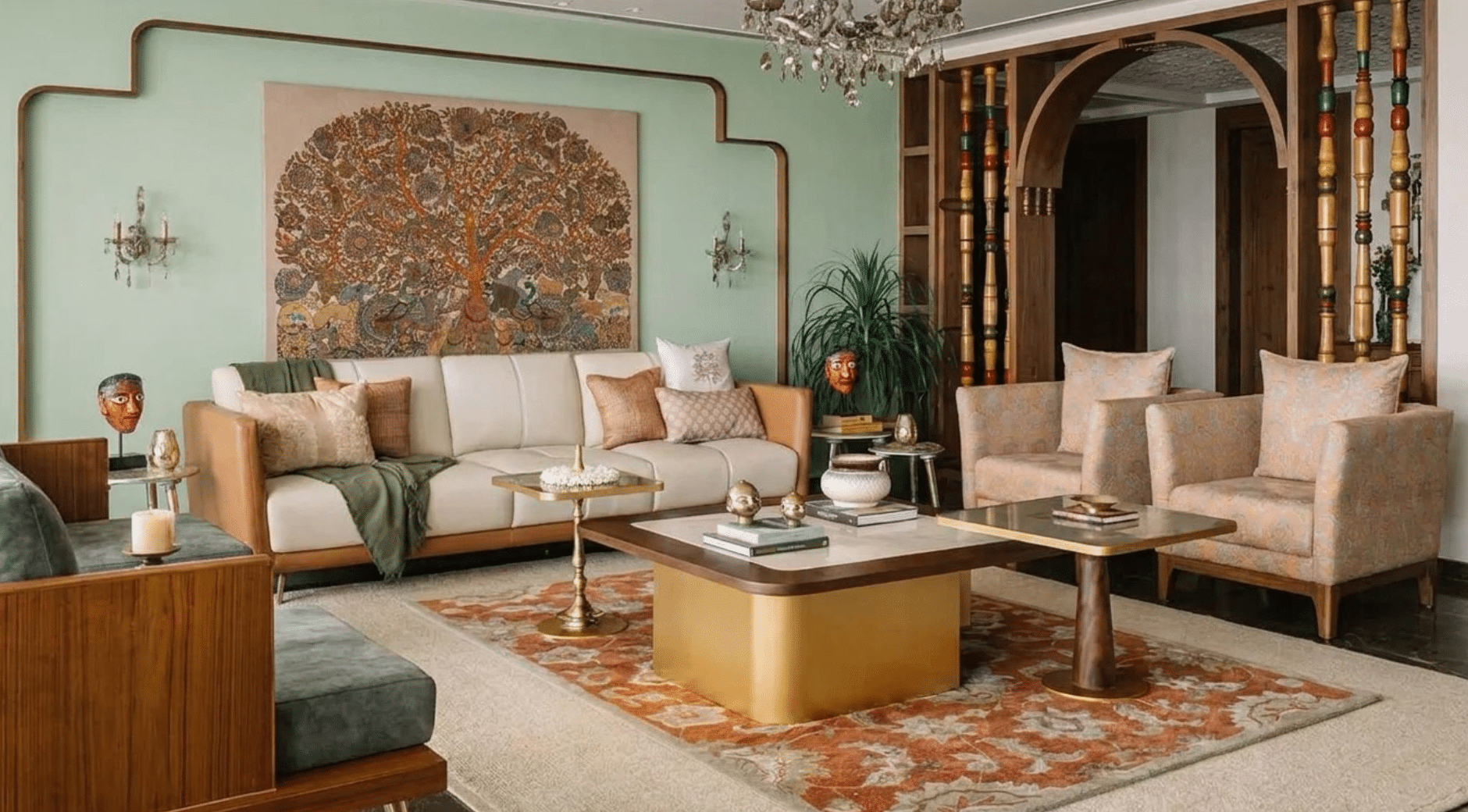
Build the arrangement around conversation and comfort, then let smaller furnishings introduce contrast without competing with the main seating.
- Float seating when space allows
- Combine soft and structured silhouettes
- Provide lighting at several heights
2. Bedroom
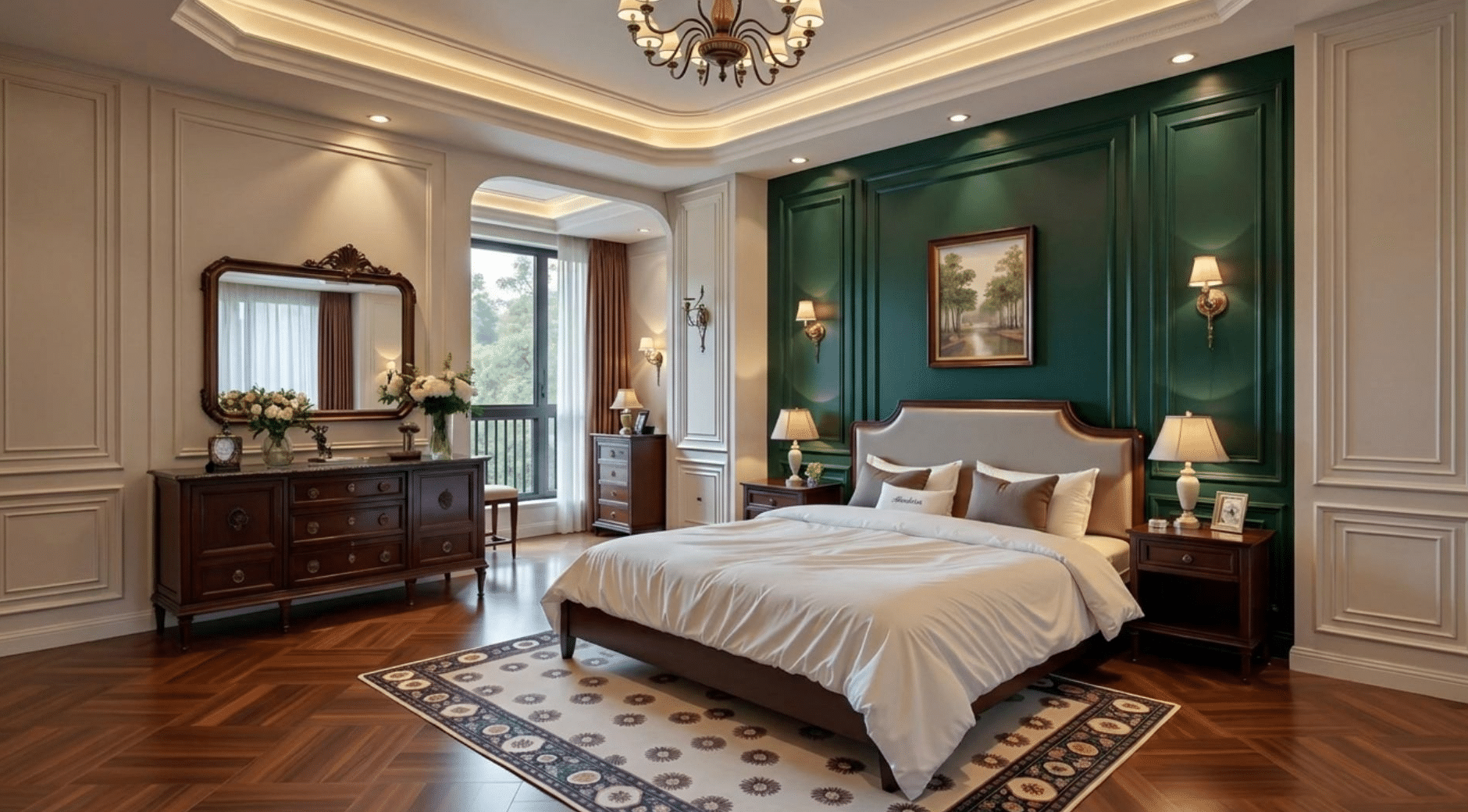
Keep the atmosphere restful by allowing one substantial bed, dresser, or textile treatment to provide most of the room’s visual character.
- Use hidden storage where possible
- Keep bedside surfaces lightly styled
- Introduce pattern through washable textiles
3. Kitchen
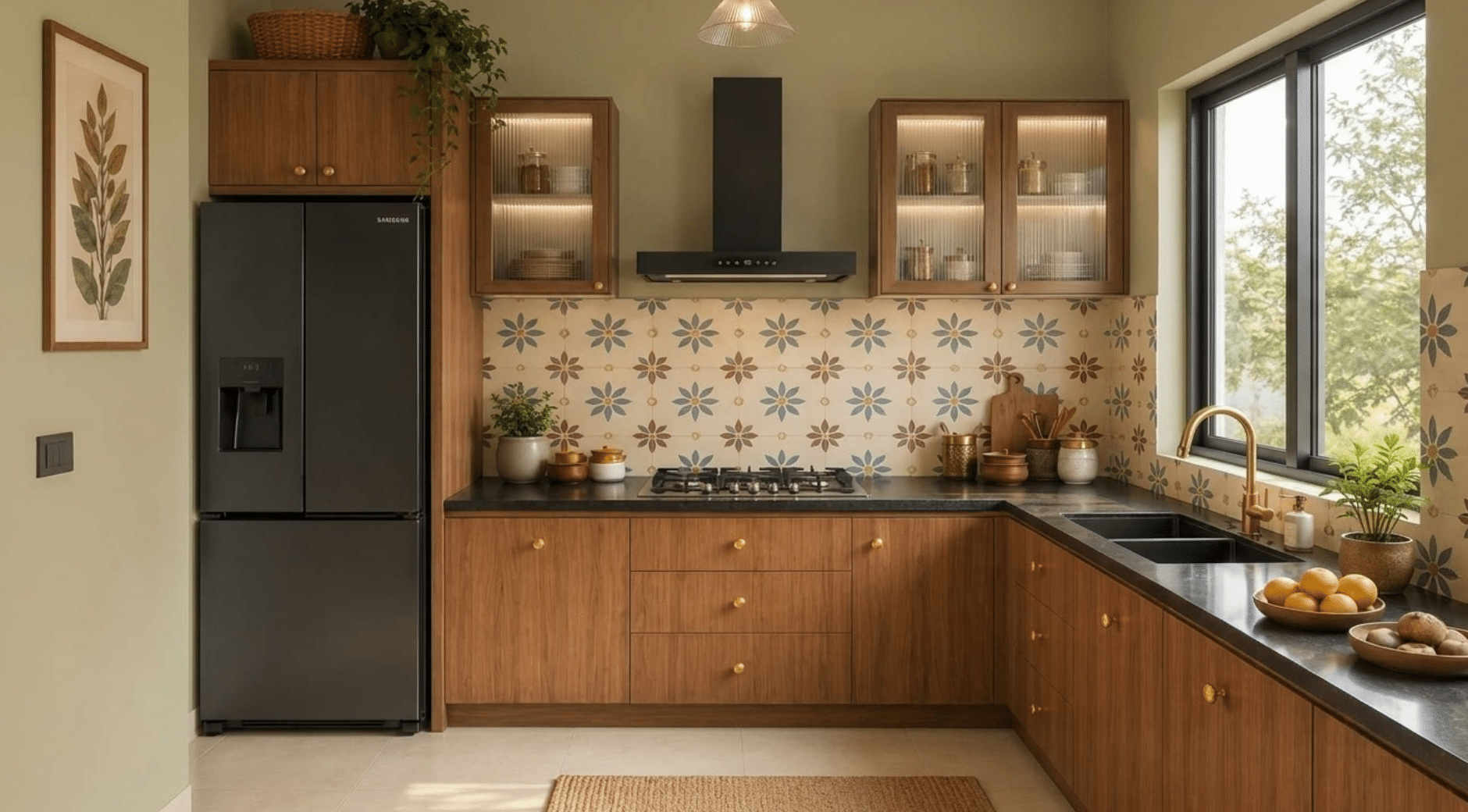
Balance decorative cabinetry or architectural features with straightforward working surfaces that remain easy to clean, access, and maintain.
- Keep counters mostly functional
- Use one heritage-inspired material
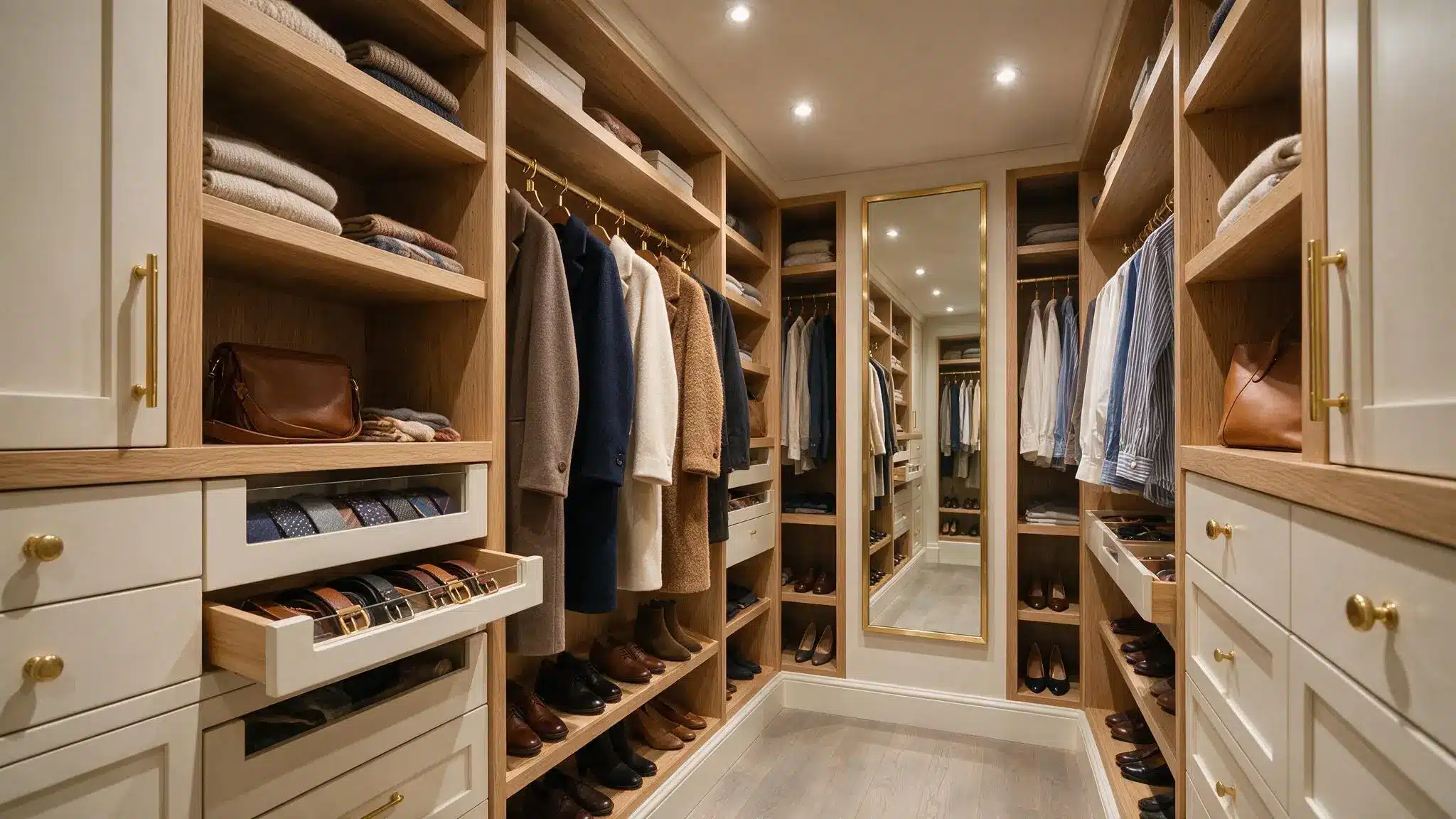
- Conceal small appliances when practical, and a quick pass at organizing what’s inside the drawers from falling apart the moment the space is actually used.
4. Dining Room
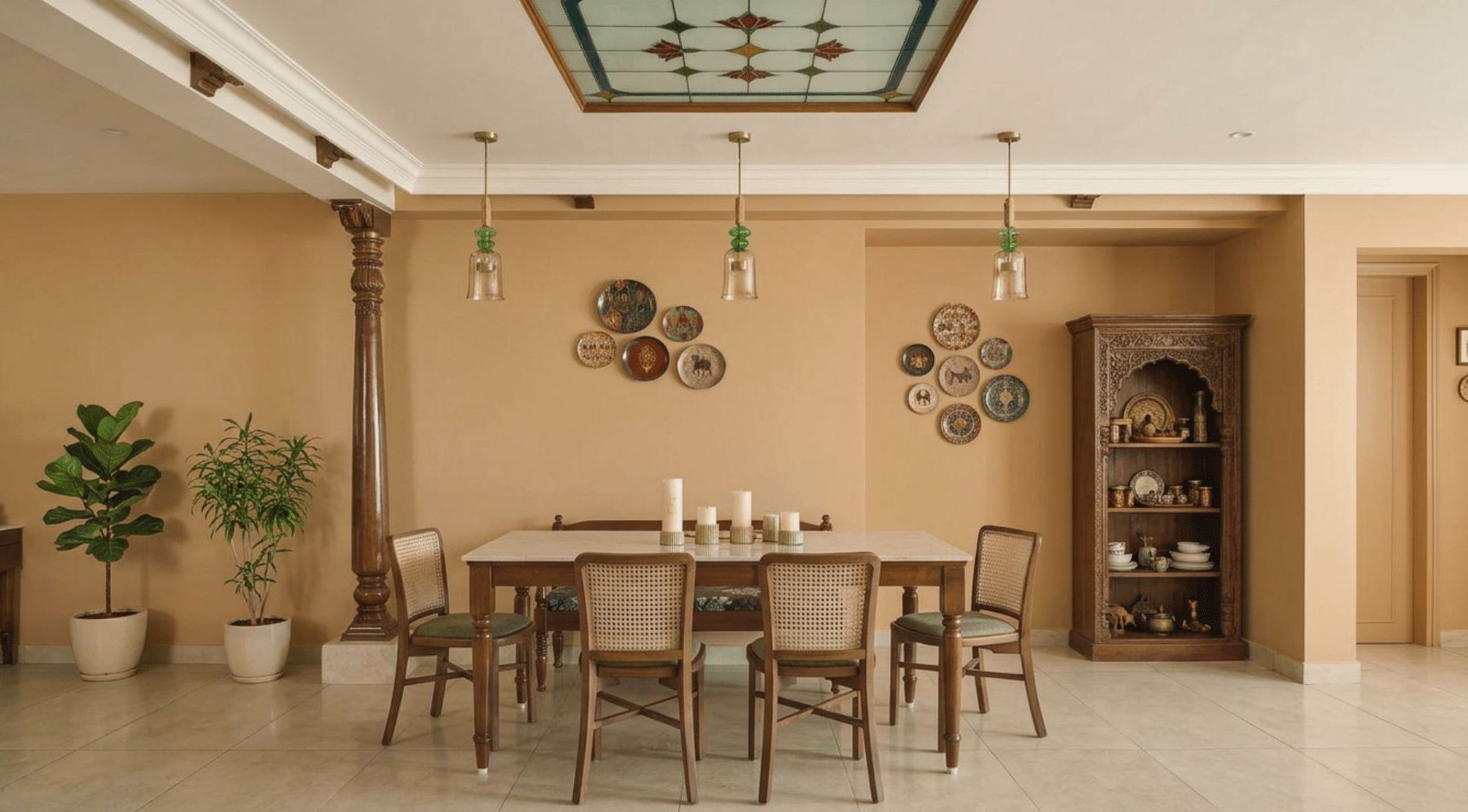
Create interest through varied seating, a focused light source, and furniture that supports comfortable movement during everyday meals or larger gatherings.
- Allow adequate chair clearance
- Add dimmable overhead lighting
- Include enclosed serving storage
5. Bathroom
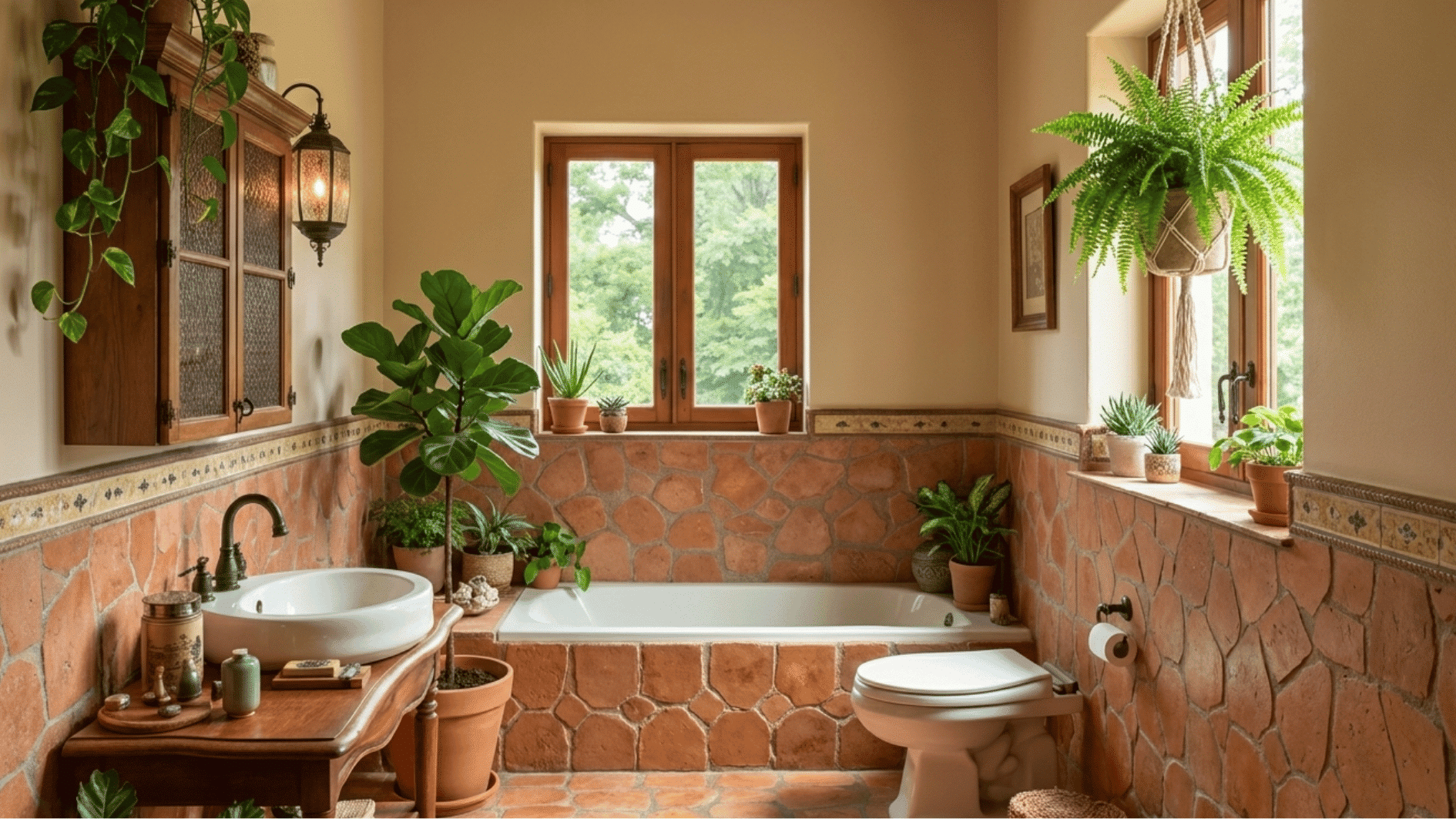
Use durable modern fittings to support traditional shapes, materials, or artwork without filling the compact space with unnecessary decorative features.
- Choose moisture-resistant finishes
- Include closed daily-use storage
- Soften hard surfaces with textiles
Furniture and Décor Pairings That Usually Work
The strongest pairings combine contrast with one shared feature, allowing older and newer pieces to relate without becoming visually identical or feeling randomly assembled together.
| Traditional Element | Modern Addition | Connecting Detail |
|---|---|---|
| Pedestal dining table | Molded chairs | Repeated dark accents |
| Chesterfield sofa | Sculptural coffee table | Similar overall scale |
| Spindle bed | Globe pendant | Balanced curved forms |
| Detailed cabinetry | Slab backsplash | Shared stone undertone |
| Gilt frame | Abstract print | Strong focal contrast |
| Vintage bench | Plain linen cushion | Softer updated texture |
Budget Priorities for Building the Look
Direct more of the budget toward pieces that shape comfort, scale, and daily performance: seating, mattresses, dining chairs, rugs, window treatments, and primary lighting.
Spend less on frames, trays, cushions, side tables, and decorative books, which can be changed gradually.
Vintage purchases may offer better character than new reproductions, but restoration, rewiring, cleaning, and upholstery should be included in the true cost.
A reupholstered older chair can become a useful bridge between classic form and current fabric when structurally sound.
If curtains and window treatments feel like the harder half of that list to get right, read out simple curtain-hanging tricks that can stretch that part of the budget further.
Common Mistakes to Avoid in Modern Traditional Design
Most decorating problems appear when contrast loses structure, purchases outpace planning, or too many details demand attention within the same limited field of view overall.
- Following a strict 50–50 split: Equal amounts of each style often create competition instead of a clear hierarchy.
- Using undersized accents: Small rugs, lamps, and artwork can make substantial furniture appear awkward or unsupported.
- Treating every antique as essential: Sentimental value does not require every inherited item to remain displayed in the same room.
- Relying on one light source: A single ceiling fixture often leaves corners dark and decorative surfaces poorly defined.
- Ignoring maintenance needs: Delicate fabrics and unfinished materials may become impractical in busy homes with children, pets, or frequent guests.
Final Thoughts
A home does not need to remain visually fixed once the main scheme is established.
Seasonal textiles, changing artwork, fresh branches, and rotated objects can shift its mood without disturbing the larger composition.
The most useful long-term habit is to pause before adding anything new and consider whether it improves comfort, supports daily routines, or introduces a genuinely missing note.
Rooms stay convincing when they are allowed to mature slowly, respond to real life, and retain a little imperfection naturally.
Frequently Asked Questions
Can Modern Traditional Style Work in a Rental?
Yes, Removable wallpaper, portable lighting, vintage furniture, framed art, textiles, and replaceable hardware can establish the look without altering permanent architectural surfaces.
Should Antique Upholstered Furniture Be Recovered?
Recovering can be worthwhile when the frame remains strong. Select a simpler fabric that complements the original shape while improving comfort, durability, and cleanliness.
Is Modern Traditional Design Suitable for Small Homes?
Yes, Fewer substantial pieces, closed storage, appropriately scaled patterns, and clear walking routes can bring character into smaller rooms without making them feel overcrowded.