
Six a.m. alarms, cold coffee, and a mad dash out the door sound familiar? Mornings do not have to start this way every single day.
A calm morning depends less on waking up early and more on choosing the right habits to build first. Small changes, done consistently, tend to matter more than one big overhaul.
Simple morning routine ideas ahead fit real schedules, not perfect ones, no matter how busy the week looks.
Each idea works for different energy levels and goals for the day ahead.
Why a Morning Routine is Important?
The body clock runs on morning light exposure, and that clock shapes energy levels well past the breakfast.
Rush the first twenty minutes, and stress hormones climb faster than needed, with focus taking the hit by mid-morning.
A slower start, even five minutes of stretching or standing outside, nudges the body clock in the right direction.
Fewer decisions before 8 a.m. also means less mental fatigue by lunch. A few other benefits show up again and again:
- Less rushing, since steps happen in the same order each day
- Fewer small decisions right after waking, saving mental energy for later
- Better focus, since the brain isn’t juggling choices right out of bed
- Self-care fits in naturally instead of getting skipped
A routine doesn’t need to be perfect, just one that runs on its own most mornings.
Morning Routine Ideas to Start the Day Calmly
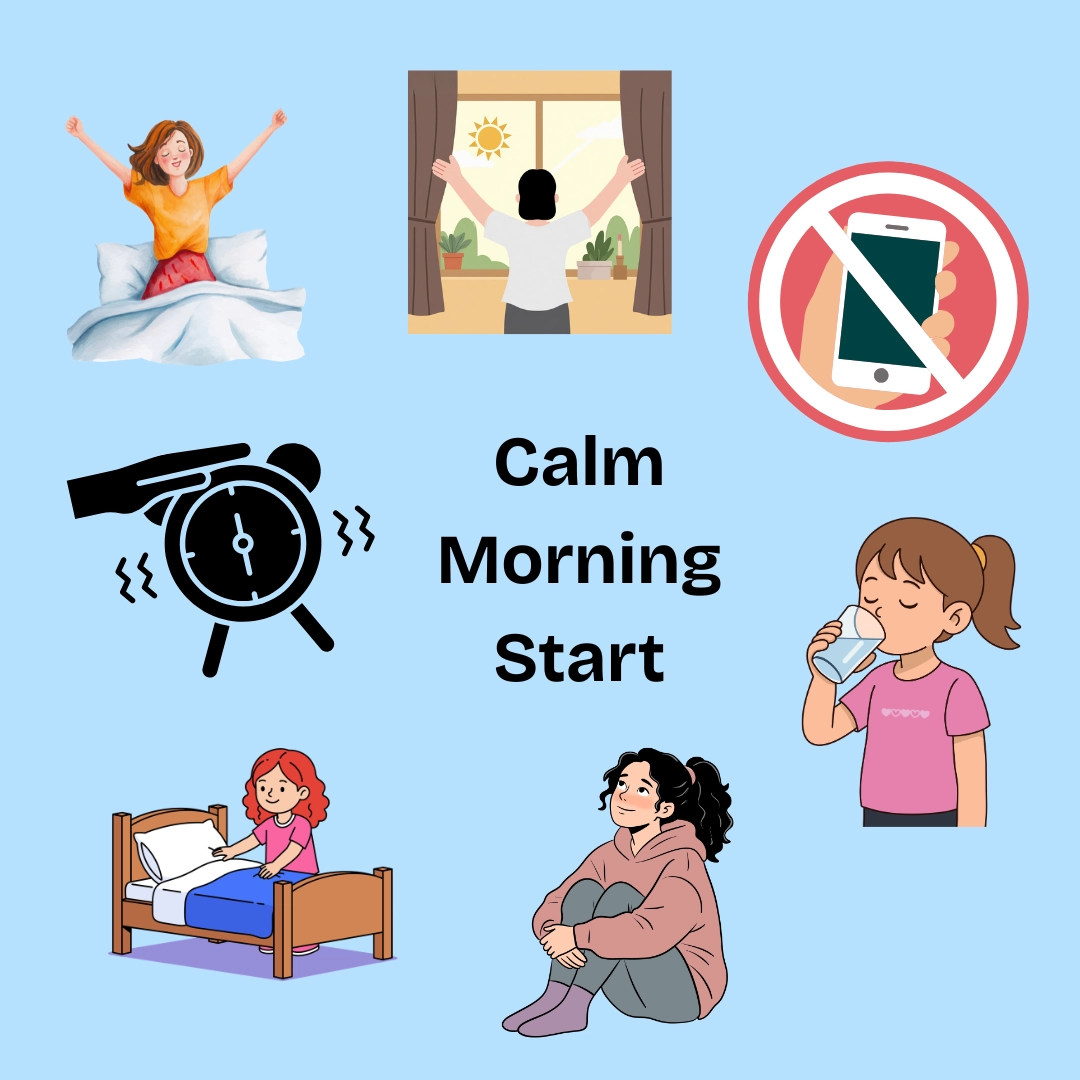
A calm start rarely happens by accident. It usually comes down to a few small choices made right after opening the eyes.
These ideas focus on slowing things down before the day picks up speed, instead of rushing straight into it.
1. Wake up At the Same Time Each Day
Random wake-up times confuse the body clock more than people realize. Wake up at the same time daily, weekends included, and mornings stop feeling like such a jolt after a couple of weeks.
The body adjusts faster than expected once the pattern actually sticks.
2. Skip the Phone for The First Few Minutes
The scroll can wait; messages, news, whatever’s sitting in the inbox- none of it needs to be the first thing seen after opening the eyes.
Five minutes of nothing first works better than diving straight into someone else’s problems before breakfast.
3. Open the Curtains Right Away
Dark rooms keep the brain thinking it’s still nighttime, even well after the alarm goes off. Light does the opposite job fast.
Pull the curtains open within a minute or two of getting up, not after coffee, not after checking the phone.
4. Drink a Glass of Water
Seven or eight hours without water leaves the body running a bit dry by the time morning rolls around.
One glass, before the coffee even starts brewing, gets digestion moving again and helps clear the grogginess a little faster.
5. Make the Bed
It just takes two minutes, or maybe less. Small task, but it’s already done before anything else even begins.
That counts for something on a rough morning, when nothing else feels finished or in order yet.
6. Take a Few Deep Breaths
In for a few seconds, out slower, repeated a handful of times. Heart rate drops a little, and the jump out of sleep feels less abrupt than it would otherwise.
7. Sit Quietly for a Moment Before Getting Up
Not everyone needs to leap out of bed the second the alarm goes off. A minute of just sitting there, still half-asleep, isn’t wasted time.
It gives the body a moment to catch up with the mind.
8. Avoid the Snooze Button
Five more minutes sounds good until it’s actually five broken chunks of sleep instead of real rest.
Getting up on the first alarm, groggy or not, tends to work out better by 9 a.m. than dragging through three snoozes.
9. Do a Quick Body Scan
Take a quick head-to-toe scan, under a minute. Notice what’s tight, what’s sore, what feels fine today.
Small habit, but it builds awareness before the day gets loud and there’s no time left to check in.
Move and Energize Your Body

Movement wakes up more than muscles. It shifts mood and sharpens focus before the day makes any real demands. None of this needs to turn into a full workout to actually work.
10. Stretch for Five Minutes
Muscles stiffen overnight, especially the back and shoulders, so a few slow stretches loosen things up without much effort.
No special routine is needed here. Reaching for the ceiling, rolling the shoulders, or touching the toes a few times works just fine to get moving.
11. Take a Short Walk
Ten minutes around the block does something a treadmill can’t quite copy. Fresh air plus movement wakes the body faster than either alone, especially before the coffee kicks in.
12. Do a Quick Workout
Push-ups, squats, a short set of jumping jacks; nothing fancy required. Ten minutes gets the heart rate up fast.
It burns off grogginess better than a second cup of coffee some mornings.
13. Practice Yoga or Mobility Exercises
A handful of slow poses works the joints without straining anything. This fits mornings when a full workout feels like too much, but sitting completely still doesn’t feel right either.
14. Take a Refreshing Shower
Warm or cold, whichever wakes the body up. Cold water snaps the senses awake fast, though it’s rough for some people at first.
Either way, it beats crawling straight to the coffee pot half-asleep.
15. Spend a Few Minutes Outside
A porch, a yard, or an open window counts, since daylight and fresh air work on mood in ways that staying indoors doesn’t.
It doesn’t need to be a long walk or anything planned. Even standing outside for two or three minutes can make a noticeable difference by mid-morning.
16. Get the Heart Rate Up Briefly
A short burst works fine, like running up and down stairs a few times. Fitness isn’t really the goal here. It’s just enough to shake off the last of the grogginess before the day starts moving.
Support a Positive Mindset
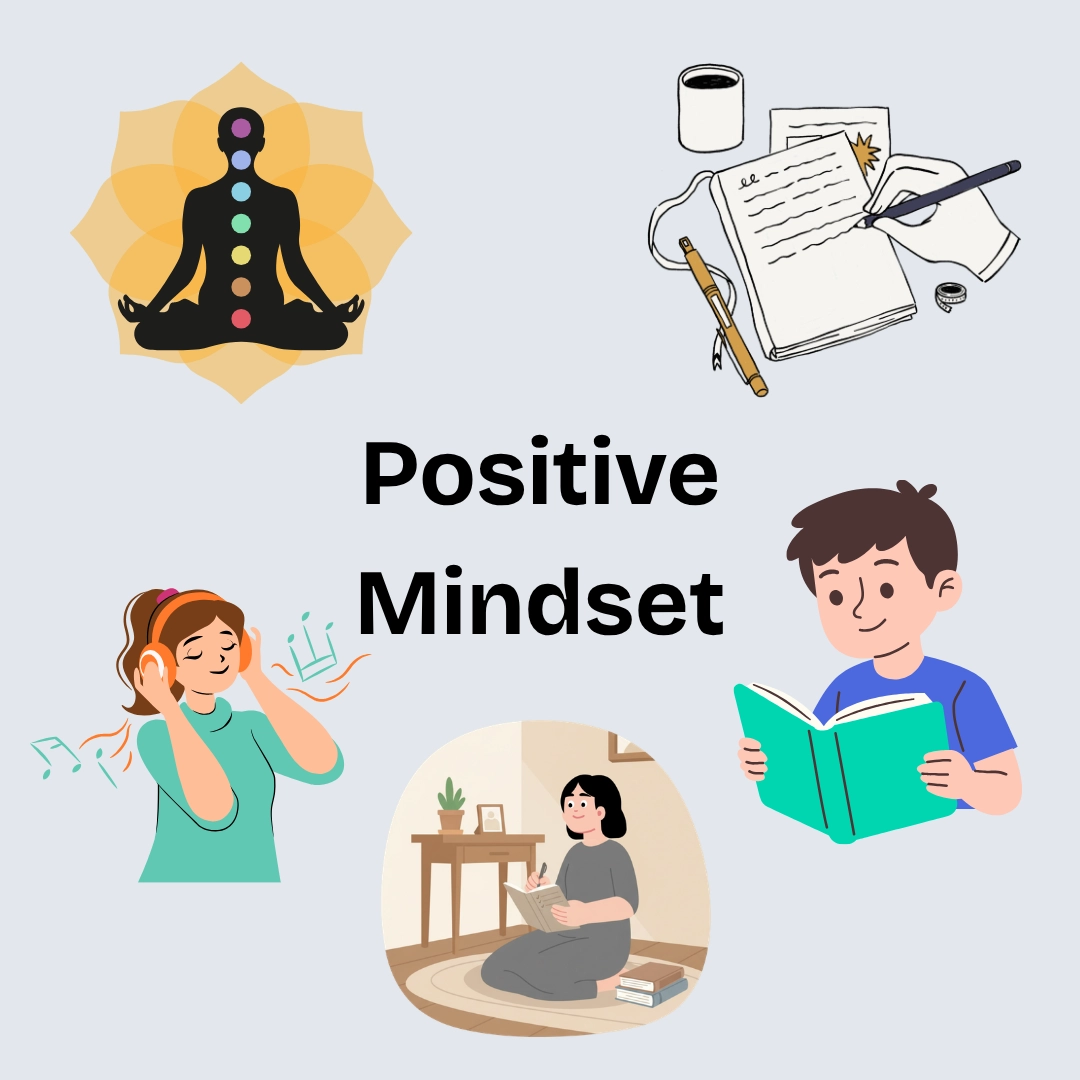
Mood in the morning carries into the afternoon more often than expected. A few quiet minutes spent on the mind, not just the body, can shift how the rest of the day feels.
17. Meditate for a Few Minutes
Five minutes with eyes closed, focused on breathing, quiets the mental noise a bit before things speed up.
No app or technique is required to start. Just sitting still and paying attention to each breath does most of the work on its own.
18. Write Down Three Things to Appreciate
A good cup of coffee, a warm bed, or a text from a friend all count, and none of it has to be big. The habit itself does more work than whatever you actually write down.
19. Journal Your Thoughts
A few lines, nothing structured. Whatever’s sitting in the head, messy or otherwise, goes on the page instead. Clears out space before the day fills it right back up again.
20. Set an Intention for The Day
One word does the job, something like calm, focused, or patient with the kids. Naming it early somehow makes it easier to actually stick to once the day gets moving.
21. Read for Ten Minutes
Ten pages of something: fiction, nonfiction, a magazine, whatever’s around. That isn’t a screen, and it starts the brain off more slowly than scrolling ever manages. Often the only reading of the day, too.
22. Listen to Uplifting Music or Audio
A playlist, a podcast, background noise while getting dressed. Sound shifts mood faster than expected, and the right track can turn a groggy start into something a little lighter.
Fuel and Prepare Yourself

Food and small prep tasks pull more weight than they get credit for. A body running on nothing crashes by mid-morning, no matter how solid the rest of the routine looks on paper.
23. Eat a Balanced Breakfast
Oatmeal, yogurt with fruit, or eggs provide steadier energy than plain toast, especially once mid-morning hits. A bit of protein alongside some fiber tends to make the biggest difference.
24. Enjoy Coffee or Tea without Rushing
Gulping it down at the counter doesn’t really count. A few minutes sitting with the cup, actually tasting it, turns a habit into something closer to a real break before the day takes over.
25. Prepare a Smoothie
Fruit, some greens, a scoop of protein, blended in under five minutes in this smoothie bowl. Works on mornings too rushed for a full breakfast but not rushed enough to skip eating altogether.
26. Pack Lunch or Snacks
Doing it in the morning works better for some people than doing it the night before, especially when plans shift at the last minute.
Ten minutes here beats a scramble later or a fast-food stop at noon.
27. Follow a Simple Self-Care Routine
Brushing teeth, washing the face, and a bit of moisturizer if there’s time is enough to walk out the door feeling awake instead of half asleep.
Nothing elaborate is needed. A few consistent basics tend to matter more than any long list of products ever could.
Organize the Day Ahead
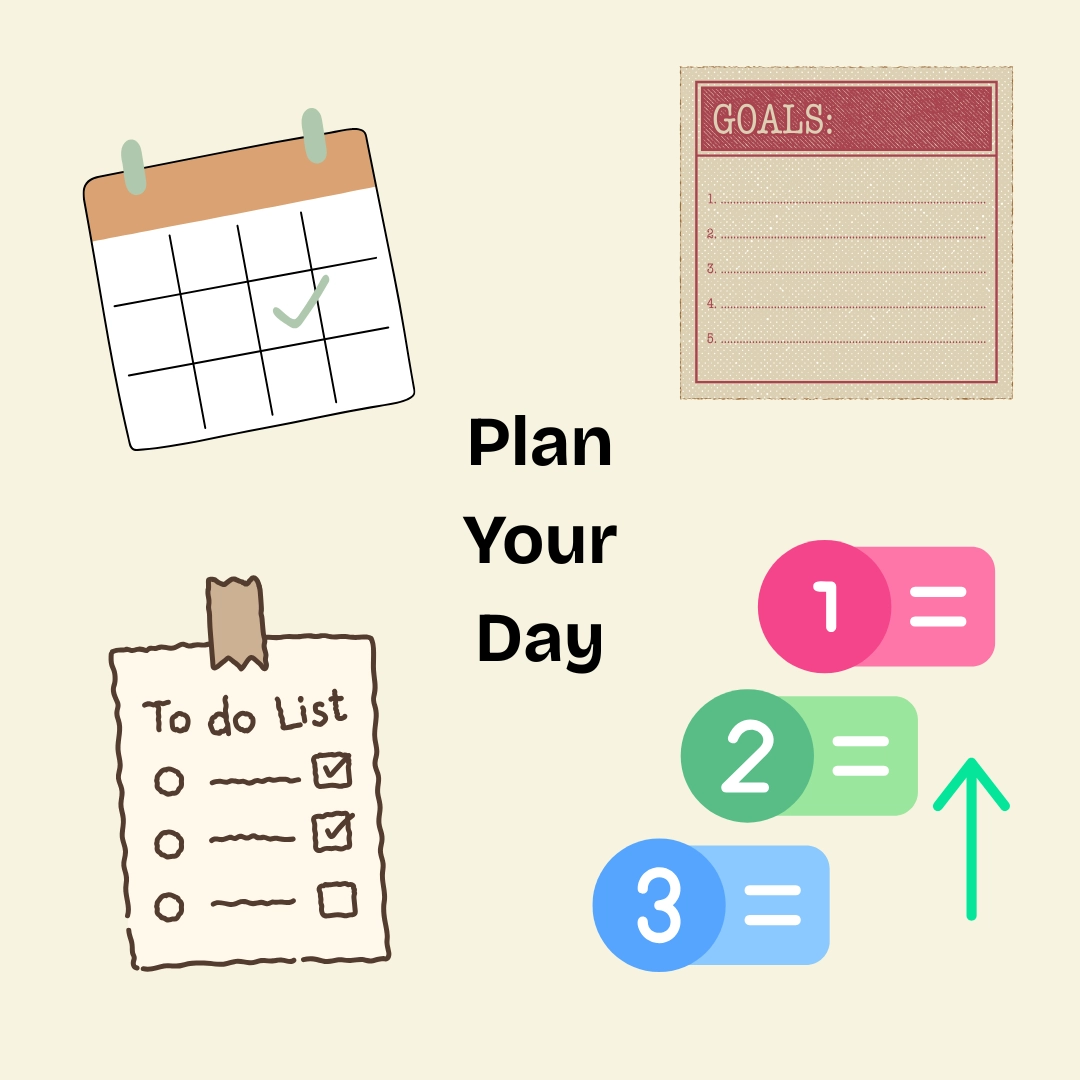
A few minutes spent looking ahead beats scrambling to catch up later. This part isn’t about the body or the mind so much as just knowing what’s coming before it actually arrives.
28. Review Your Schedule
A quick look at meetings, appointments, or anything time-sensitive helps you avoid the panic of remembering something at the last minute.
Two minutes with a calendar in the morning saves a lot of guesswork later, especially on days packed with back-to-back plans.
29. Choose Your Top Three Priorities
Not a full list, just three things that actually matter today, with everything else waiting until these are handled.
Keeping the number small on purpose makes it easier to actually finish something, instead of ending the day with a dozen half-done tasks.
30. Write a Short To-Do List
Doesn’t need to be long or detailed. A handful of tasks scribbled down somewhere visible keeps the day from feeling like it’s happening at random.
Crossing things off as they get done adds a small but real sense of progress throughout the day.
31. Complete One Small Important Task
Answering an email or making a call early means it’s off the list before anything else can crowd it out.
Getting one real thing done before 9 a.m. tends to make the rest of the day feel more manageable, even on busy ones.
Click to get a PDF of a productive morning routine.
How to Make Your Morning Routine Stick
No single routine works the same for everyone. A morning that leaves one person feeling sharp might leave another feeling rushed, since energy and personal quirks play a part.
Treat the ideas above as a morning routine list to pick from, not one to follow start to finish daily.
Start With Only a Few Habits: Three to five is plenty to begin with, since trying all 31 at once usually backfires within a few days.
Prepare the Night Before: Clothes laid out, lunch packed, bag by the door, so decisions don’t have to get made again in a groggy state.
Attach Habits to Things Already Happening: Pairing something new with something automatic, like stretching while the coffee brews, helps it stick without much willpower.
Keep the Routine Flexible: A rushed morning doesn’t mean skipping everything. A five-minute version still counts and keeps the habit alive.
Protect Sleep First: Waking up earlier only works if bedtime moves earlier too, since cutting sleep short usually cancels the benefit.
Conclusion
Calm mornings rarely happen by accident, but they don’t need a complicated system either.
A few small habits, tested and repeated, tend to work better than an overnight overhaul.
Quiet starts, movement, mindset, food, and a bit of planning all play a part, and none of it needs to happen at once. That six a.m. scramble can quietly fade into something steadier.
Start with a couple of morning routine ideas that fit real life, keep the rest as a morning routine list for later, and let it build on its own time.
Frequently Asked Questions (FAQs)
1. What is the 5 a.m. Rule?
Waking up at 5 a.m. daily, using the extra hour before the day actually starts.
2. How Long Before a Morning Routine Feels Automatic?
Somewhere around three to eight weeks of doing it daily, give or take.
3. Does Missing One Day Ruin a Routine?
Not really; a one-off day rarely undoes anything, as long as it picks back up the next morning.
4. Shower at Night or In the Morning?
Depends on the person; both work fine. It’s mostly a matter of preference and time.
5. Does a Morning Routine Need to Change with The Seasons?
Often, yes; daylight hours and weather shift things without much choice in the matter.