Paint work turns a tidy garage into a mess fast. A fine mist drifts off the gun and settles on everything nearby. It coats tools, the car, and the far wall. That drift is the main reason home projects feel chaotic. It also slows the cleanup once the paint dries.
A curtained booth pens that mist in one spot. Curtain-Divider supplies paint and spray booth curtains that wall off a finishing zone in an afternoon. The panels hang from a track and hold overspray inside the enclosure. They come down again once the project wraps. This guide walks through how the setup works.
Why Does Overspray Spread So Far in a Garage?
Spray guns atomize paint into tiny droplets. Those droplets ride the smallest air current across the room. A ceiling fan or open door sends them everywhere. Without a barrier, half the paint never reaches the piece.
The mess is not the only problem here. Overspray lands on drying finishes and leaves a gritty surface. It also settles on power tools and hinges. A basic furniture paint job turns rough when dust drifts onto the wet coat. A curtain wall stops that drift before it starts.
Overspray reaches farther than most people expect. A single pass with a sprayer can dust a whole bay. Small droplets hang in the air for minutes. They ride the smallest draft into the next room. Containing them early saves hours of scrubbing later.
How Do Spray Booth Curtains Set up a Clean Zone?
A spray booth curtain is a hanging vinyl enclosure. Curtain-Divider builds it in 18-ounce coated vinyl with a reinforced scrim. The panels box off a corner into a two, three, or four-sided cell. Overspray then stays inside that cell.
Setting one up follows a few simple steps.
- Pick a corner with a nearby outlet and door.
- Measure the ceiling height and the width you need.
- Mount the track and slide the panels into place.
- Add a clear vision panel so you can see out.
- Position a fan and filter to pull mist one way.
The enclosure keeps the rest of the garage usable. You can sand on one side while paint dries on the other. That split lets several tasks run at once. It also keeps family cars clear of fresh paint mist.
The layout also protects your finished pieces. A drying coat needs still, clean air around it. A stray breeze or bit of dust ruins the surface. The curtain holds that calm pocket in place. It gives each project a fair shot at a smooth result.
What Should You Look for in a Paint Curtain?
A few features separate a lasting booth from a quick tarp. Match these traits to the finishing you do most.
- Vinyl weight: an 18-ounce panel resists tears and paint buildup.
- Fire-retardant vinyl: a safer choice near fumes and heat.
- Clear vision strips: a 12-inch window helps you watch the piece.
- Filter openings: these route overspray toward a single exhaust.
- Custom sizing: panels fit corners up to 20 feet wide.
Safety habits matter as much as the panels. Match the booth to OSHA spray finishing safety around mist and ignition sources. Keep heaters and sparks well clear of any solvent. A flame-retardant panel adds one more margin of safety.
How Do You Keep Air Safe Inside the Booth?
A sealed zone traps fumes as well as mist. That calls for steady airflow through the cell. Set the fan to draw air across the piece and out a filter. Fresh air should enter from the open side.
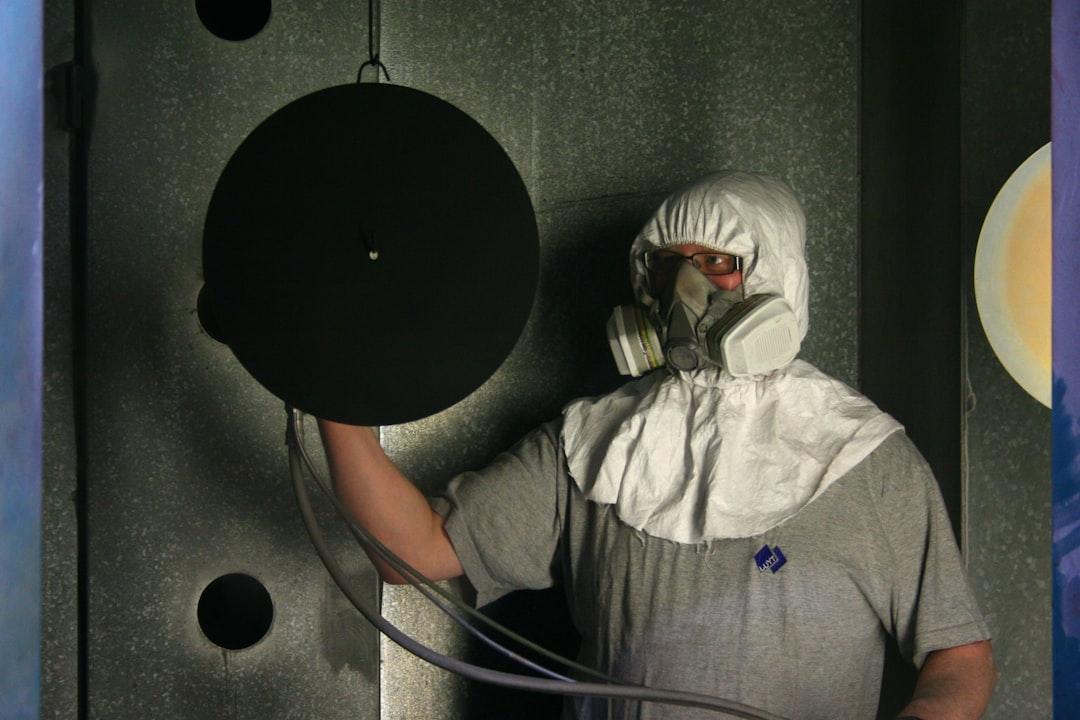
Personal protection rounds out the plan. Protect your lungs with proper respirator use for painting inside the booth. A rated mask guards against fine particles. Good ventilation and a curtain wall work as a pair, not a substitute.
Never spray near an open flame or pilot light. Store solvents in sealed cans away from the booth. A 10-foot square corner suits most furniture jobs. Roll the panels back once the coat is dry.
A little planning keeps the booth pleasant to use. Set a light outside the panel to cut glare on wet paint. Lay a drop cloth under the piece to catch drips. Keep a clear path from the booth to the door. These small steps make the zone safer and cleaner.
Key Points for a Cleaner Paint Workspace
- Spray booth curtains pen in overspray and protect the whole garage.
- Curtain-Divider builds the panels in 18-ounce coated vinyl.
- A booth lets you paint and sand at the same time.
- Vision strips and filter openings keep the cell workable.
- Airflow and a rated respirator handle fumes inside the zone.
- The panels take down easily when the project ends.
Building a Better Home Finishing Corner
A garage can hold a real finishing zone without a full remodel. A few vinyl panels box off the mist and keep the rest clean. They cost far less than framing a dedicated room. Start with one corner and a simple fan setup. Pairing the booth with the right saw and prep tools rounds out a tidy shop.
FAQ
How Much Do Spray Booth Curtains Cost?
Price depends on size, vinyl weight, and any filter openings. A small garage booth often runs a few hundred dollars. That beats the cost of framing and venting a full room.
Can a Curtain Booth Really Stop Overspray?
Yes, a solid vinyl enclosure traps most mist inside the cell. Pair it with a fan and filter for the best result. The mist then settles on the panel rather than your car.
Are Spray Booth Curtains Safe Near Fumes?
Choose a fire-retardant vinyl for any area with solvent fumes. Keep heaters and open flame well clear of the booth. Steady airflow and a respirator handle the rest.
How Do I Clean a Spray Booth Curtain?
Wipe both sides with a mild cleaner and a soft cloth. Clear paint mist before it dries and hardens. A quick wipe after each project keeps the vinyl clear. Built-up mist peels off later with a plastic scraper.