Deciding whether to repair, replace, or refresh an aging faucet can feel like a small but significant household dilemma. The quick answer is this: if your faucet is constantly dripping, showing visible signs of wear beyond cosmetic issues, or if parts are becoming impossible to find, it’s likely time for a replacement. If it’s a newer, high-quality fixture with a minor, fixable leak, a repair is probably all you need. And if you’re just tired of the look, a refresh might be in order. Let’s dig a bit deeper into making that call.
Why an Aging Faucet Is More Than a Cosmetic Issue
An aging faucet isn’t just an eyesore. Over time, internal seals, washers, cartridges, and other components can wear or collect mineral buildup, leading to leaks, reduced flow, or harder operation. Because the faucet controls water at the sink, even a small leak deserves attention before it contributes to wasted water or moisture damage nearby.
The Hidden Costs of Constant Dripping
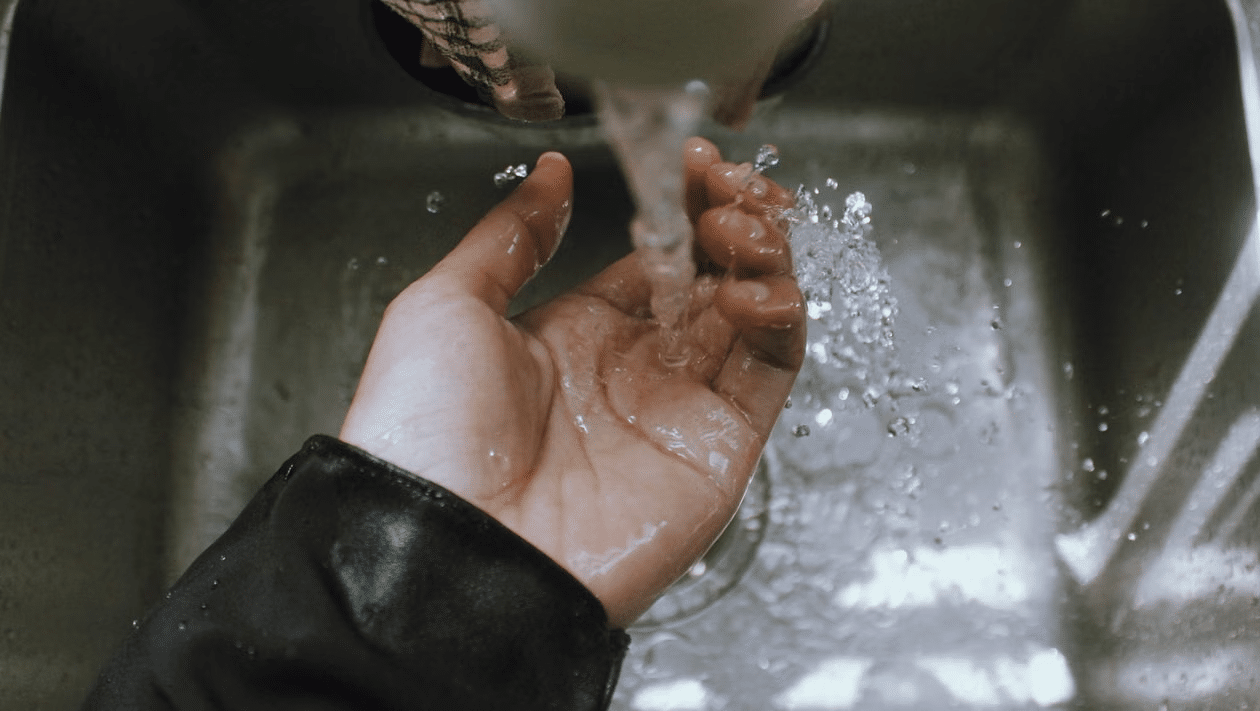
A persistent drip can waste water and increase utility costs. The U.S. Environmental Protection Agency’s WaterSense program identifies dripping faucets as a common household leak and notes that worn faucet washers and gaskets frequently cause them. Drips can also leave mineral deposits or stains in the sink, especially where hard water is present. If water escapes around the faucet base or connections and remains in a cabinet, the resulting dampness can also support mold growth.
Structural Integrity and Water Damage
Beyond the immediate sink area, a leaking or poorly sealed faucet can damage countertops, cabinets, and nearby materials if water is allowed to seep into joints or unfinished surfaces. Wood and particleboard can swell, warp, or delaminate after repeated moisture exposure. The important distinction is between a drip that stays inside the sink and a leak that allows water to reach surrounding materials. The second problem calls for prompt attention to the source and any wet materials.
Common Signs Your Faucet Needs Attention
How do you know when your faucet is moving beyond just “a little old” and into “needs help” territory? There are usually a few clear indicators that it’s time to take a closer look.
Persistent Drips and Leaks
This is probably the most obvious sign. If your faucet consistently drips even when fully turned off, or if you see small puddles forming around the base, it’s telling you something’s wrong. These aren’t just minor annoyances; they’re signals that internal seals or washers have worn out, or that the cartridge (the part that controls water flow and temperature) may be failing.
Difficulty Operating the Handles
If a handle is unusually stiff, loose, or wobbly, worn internal parts, loose mounting hardware, or corrosion may be involved. A handle that is difficult to control can also make it harder to set water temperature accurately. The cause should be identified before simply forcing or repeatedly tightening the handle.
Visible Corrosion or Mineral Buildup
Take a good look at the faucet’s finish. Green or white crusty deposits around the spout or handles often point to mineral buildup, especially in hard-water areas. Deposits can clog the aerator (the mesh screen at the end of the spout) and restrict flow. Peeling, pitting, flaking, or discoloration may be cosmetic, but extensive corrosion or damage around joints and the faucet body deserves closer inspection.
Low Water Pressure
If the water flow from your faucet has noticeably decreased, but other faucets in your home are fine, the problem may be localized to that fixture. Mineral buildup within the faucet or a clogged aerator can restrict water flow. If cleaning the aerator does not help, the faucet or its supply connections may need further inspection.
When a Simple Faucet Repair May Be Enough
Not every faucet problem warrants a complete replacement. A targeted repair can extend the useful life of an otherwise sound faucet, especially when the problem is limited to a serviceable part and replacement components are readily available.
Addressing Minor Leaks and Drips
For many common faucet drips, the problem may involve worn washers, O-rings, seals, or a cartridge, depending on the faucet design. These parts can be less expensive than a full fixture, and replacement may be manageable for someone comfortable with basic household repairs. Check the faucet model and manufacturer instructions before buying parts so the repair matches the valve design.
Clearing Clogged Aerators
If your water pressure has dropped, check the aerator first. This small screen at the end of the faucet spout can collect mineral deposits or debris. Removing and cleaning it can often restore normal flow. The EPA’s WaterSense program also recommends inspecting faucets for scaling or calcium buildup that may restrict flow.
Tightening Loose Handles or Bases
Sometimes, the problem is as simple as loose hardware. If a handle is wobbly or the faucet base rocks on the countertop, check for accessible set screws or mounting hardware. Tightening the correct fastener may resolve the movement, but avoid overtightening parts that could crack, strip, or damage the fixture.
When Replacement Makes More Sense Than Another Repair
Repair/Maintenance Cost Lifespan Effectiveness
Replacement Higher initial cost Often longer-term New fixture and components
Another Repair Lower initial cost Depends on condition Can be effective if the faucet is sound
There comes a point when putting more money and effort into an old faucet may not be worthwhile. The better choice depends on the faucet’s overall condition, the cause of the problem, parts availability, and the cost and durability of the repair.
Recurring Problems and Obsolete Parts
If the same leak or operating problem keeps returning, or replacement parts are difficult to find because the model is discontinued or very old, replacement may be the more practical long-term choice. Compare the likely repair cost and remaining condition of the faucet with the price and expected service of a replacement rather than assuming either option is automatically cheaper.
Extensive Corrosion or Damage
If the faucet body itself is heavily corroded, cracked, or otherwise damaged, replacing a washer or cartridge may not address the underlying problem. Damage around the faucet body or connections can make reliable sealing more difficult. In those situations, replacement can be more sensible than repeatedly repairing individual components.
Significant Aesthetic Wear
A severely pitted, tarnished, or peeling finish can detract from the look of a kitchen or bathroom even when the faucet still works. If appearance is the main problem, replacement is a design choice rather than a repair necessity. If cosmetic wear appears alongside leaks, corrosion, or recurring mechanical problems, replacing the faucet can address both appearance and function.
How Leaks and Drips Can Affect the Sink Area
The location of the water matters. A drip that falls into the basin mainly wastes water, while leakage around the faucet base, supply connections, or sink edge can expose cabinets, counters, and sealants to repeated moisture. Inspect the area under and around the sink when diagnosing the faucet rather than looking only at the spout.
Cabinet Degradation and Mold Growth
Repeated moisture inside a sink cabinet can swell or delaminate wood-based materials and create conditions where mold can grow. The EPA explains that mold needs moisture and that exposure may cause allergic reactions, asthma symptoms in some people with asthma, or irritation. If materials under the sink remain damp, address the leak and dry the affected area rather than treating mold as only a surface-cleaning problem.
Countertop Stains and Damage
Water that repeatedly reaches countertop seams or unfinished edges can cause staining or material damage, depending on the surface. Laminate and wood-based substrates are particularly vulnerable when water penetrates seams. Natural stone can also show mineral deposits or discoloration. Look for swelling, darkened areas, loose edges, or failed sealant around the faucet and sink.
Compromised Sink Seals
Caulk or sealant around a sink helps limit water intrusion at the joint with the countertop. If that seal cracks, separates, or deteriorates, water can reach areas below the surface. A faucet leak should therefore be evaluated together with the condition of nearby seals, but replacing sealant alone will not solve a leak coming from the faucet or its connections.
Choosing a New Faucet That Fits Your Existing Setup
If replacement is the better option, click here to know more about professional faucet repair and installation before choosing a new fixture, because fit comes before finish. A faucet must match the sink or countertop opening pattern, available mounting space, supply connections, and the dimensions of the sink area.
Understanding Faucet Hole Configurations
Common faucet arrangements include single-hole, centerset, and widespread configurations, but hole count alone does not determine compatibility. For example, Kohler describes centerset bathroom faucets as fitting three holes spaced 4 inches apart, while widespread models also commonly use three holes with separate handles and spout.
Kitchen faucets may use different three- or four-hole arrangements for the faucet and accessories. Before buying, check the number of holes, center-to-center spacing, deck thickness, clearance below the sink, supply connection type, and the manufacturer’s installation specifications for the exact model.
Considering Faucet Reach and Height
Think about how you use your sink. A high-arc faucet can make it easier to fill tall pots, but it may create more splash in a shallow basin. Check whether the spout reaches far enough into the sink and whether the faucet will clear window sills, shelves, cabinets, or mirrors. Measure both vertical and horizontal clearance before choosing a model.
Matching Faucet Finishes With Your Kitchen or Bathroom Style
Once you’ve got the practicalities down, you can start thinking about aesthetics. The finish of your faucet can dramatically impact the overall look of your kitchen or bathroom.
Popular Faucet Finishes and Their Aesthetics
- Chrome: This is a timeless, versatile, and budget-friendly option. It’s shiny, reflects light well, and pairs with almost any décor.
- Brushed Nickel/Stainless Steel: These finishes offer a warmer, softer look than chrome, usually with a matte or satin appearance. How well a finish hides fingerprints or water spots varies by product and surface treatment.
- Bronze (Oil-Rubbed, Venetian): These finishes typically have a darker, often brown-black appearance with subtle copper undertones, giving them an aged, rustic, or traditional feel. They can work well in Tuscan, Mediterranean, or classic farmhouse designs.
- Matte Black: A popular contemporary choice, matte black offers a bold, sleek look. It can create contrast in a lighter space or blend into a darker, minimalist design.
- Polished Brass/Gold: These finishes can add a luxurious, vintage, or glamorous touch. They can serve as a focal point in both traditional and modern eclectic spaces.
When choosing, consider not just the faucet itself, but also the existing hardware in your room – cabinet pulls, light fixtures, and even appliances. Everything does not have to match perfectly, but coordinating the finishes can make the space feel more intentional.
What to Consider Before Attempting a DIY Faucet Project
Many faucet repairs and replacements are manageable household projects, but the difficulty depends on access, the condition of existing plumbing, and the faucet design. Review the manufacturer’s instructions before starting and stop if the project exposes damaged, corroded, or unfamiliar connections you are not prepared to repair.
Essential Tools and Supplies
Before you start, gather everything you’ll need:
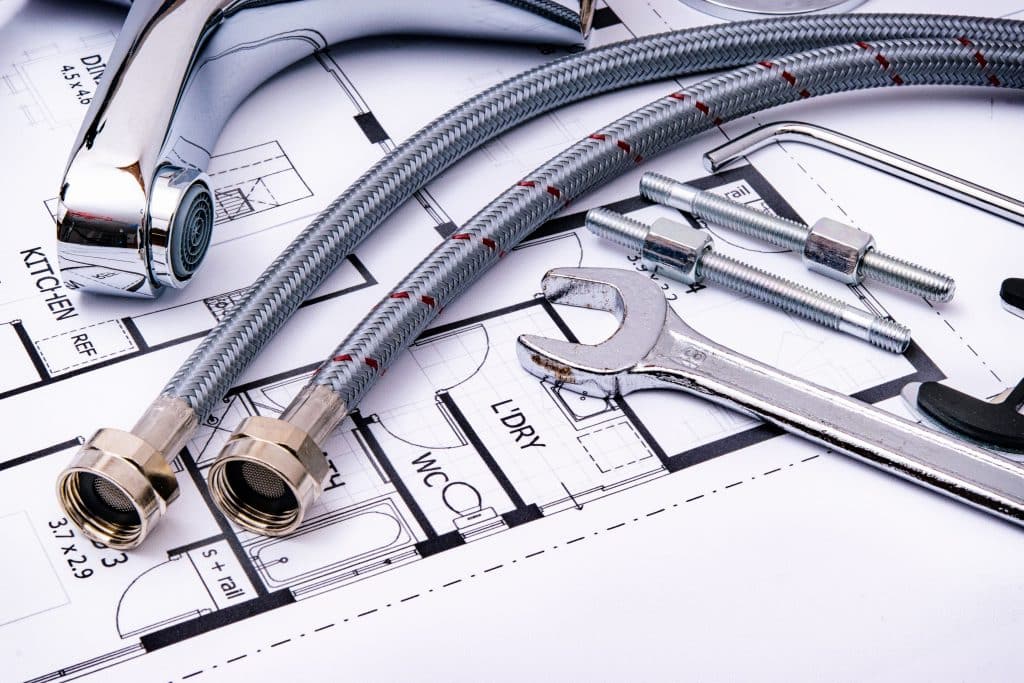
- An adjustable wrench or basin wrench for tight spaces under the sink.
- Pliers.
- Screwdrivers (flathead and Phillips).
- A utility knife or putty knife for removing old sealant when appropriate.
- Thread-sealing material only where the faucet or connection instructions call for it.
- Plumber’s putty or silicone sealant only if specified or permitted for the faucet and sink material.
- A bucket and sponges for catching drips.
- Safety glasses.
- A flashlight or headlamp to see under the sink.
- The new faucet and any required supply lines or mounting parts.
Faucet manufacturers do not use identical installation methods. Delta, for example, advises checking the installation sheet supplied with the faucet to confirm the necessary tools and materials. Follow the instructions for the exact model rather than assuming every threaded or mounting connection should be sealed the same way.
Shutting Off Water and Draining Lines
Locate the shut-off valves for the sink and close them before disconnecting the faucet. Open the faucet afterward to relieve remaining pressure and drain water from the lines. If a shut-off valve will not close fully, leaks, or appears badly corroded, do not rely on it to isolate the work; address the water-supply issue before disconnecting the fixture.
Unexpected Complications
Old pipes and fittings can be corroded, mounting hardware may be seized, and removing the faucet can expose hidden water damage. If a connection begins to twist, crack, or leak unexpectedly, forcing it can turn a faucet project into a larger plumbing repair. Inspect the area before installation and have a plan for stopping the water if a valve or connection fails.
When Professional Faucet Repair or Installation Is the Better Option
Sometimes professional help is the more practical choice, especially when the problem extends beyond the faucet or the existing plumbing is difficult to isolate safely.
Complex Plumbing Issues
If low water pressure affects multiple fixtures, pipes make persistent unusual noises, shut-off valves do not work properly, or leakage appears to come from supply piping rather than the faucet, the problem may require broader diagnosis. A plumber can evaluate issues that a routine faucet repair will not address.
Lack of Time or Tools
If you do not have the tools, access, or experience needed for the job, hiring a professional can reduce the risk of damaging connections or creating a leak during installation. Whether it saves money or time depends on labor rates, the condition of the plumbing, and the complexity of the fixture.
Older, Difficult-to-Access Plumbing
Some older homes have tight access, corroded fittings, or connection types that make faucet work more difficult. When pipes or valves are fragile, heavily corroded, or hard to reach, professional repair may be safer than forcing a connection that could fail.
Refreshing the Entire Sink Area for a Finished, Updated Look
Maybe your faucet isn’t broken, but your whole sink area feels a bit tired. A full refresh can make a big impact without necessarily requiring a full renovation.
Beyond Just the Faucet
When you replace the faucet, it can be a good time to address worn materials around the sink. Replacing failed or stained sealant with a product appropriate for the sink and countertop can improve appearance and help limit water intrusion at the joint. Cleaning grout lines, replacing a worn soap dispenser, or updating a backsplash can also improve the area without changing the plumbing itself.
Adding Complementary Accessories
Accessories can help the sink area feel coordinated with a new faucet. A soap dispenser, drain stopper, or simple countertop organizer can provide a finished look without affecting faucet performance. Choose accessories that fit the available openings and workspace so the refresh remains practical as well as decorative.
Frequently Asked Questions
When should I repair an aging faucet instead of replacing it?
A repair may be enough when the faucet is otherwise in good condition and the problem involves a serviceable part such as a washer, O-ring, seal, cartridge, loose handle, or clogged aerator. Check the faucet model and manufacturer instructions before buying replacement parts.
When does replacing a faucet make more sense than repairing it again?
Replacement may be more practical when the same problem keeps returning, replacement parts are difficult to find, or the faucet body is cracked, heavily corroded, or otherwise damaged. The decision should consider the faucet’s overall condition, repair cost, parts availability, and expected remaining service life.
Can a leaking faucet damage the area around the sink?
Yes. Water that leaks around the faucet base, supply connections, or sink edge can expose cabinets, countertops, seals, and other materials to repeated moisture. Over time, this can contribute to swelling, staining, delamination, deteriorated sealant, or conditions that support mold growth.
What should I check before buying a replacement faucet?
Check the number and spacing of the sink or countertop holes, deck thickness, clearance below and around the sink, supply connection type, faucet height, and spout reach. The replacement faucet should also match the manufacturer’s installation requirements for your setup.
When should I consider hiring a plumber for faucet repair or installation?
Professional help may be appropriate if shut-off valves do not work properly, pipes or fittings are badly corroded, access is difficult, leakage appears to come from supply piping, or the problem affects more than one fixture. A plumber can also help when the existing plumbing makes a routine faucet repair or replacement difficult to complete safely.