Make Everyday Movement Feel Easier
It’s funny how a home can stay exactly the same while feeling completely different.
A hallway that never caused a problem suddenly feels narrow. A favorite rug becomes a daily obstacle course. That decorative basket sitting by the sofa? Cute. Until someone catches their foot on it.
The easiest changes are often the ones people resist because they seem too obvious.
Clear the main walking routes first. The path between the bedroom, bathroom, kitchen, and living room should feel effortless. No weaving around furniture. No squeezing past side tables. No mental calculations before taking a few steps.
I once saw a client struggle with a narrow pathway between her couch and coffee table. Everyone in the family had gotten used to sidestepping around it. She hadn’t complained. Not once. After moving a few pieces around, she laughed and said, “Why didn’t we do this years ago?”
Exactly.
Rugs deserve extra attention. They may add warmth and character, but loose edges don’t care how beautiful they look. Secure them properly or remove them from busy areas. Some design choices simply aren’t worth the risk.
Choose Furniture That Supports Real Life
Here’s an opinion that won’t win every design award.
Comfort matters more than style.
Not forever. Not in every room. But when independence is the goal, function needs a seat at the table.
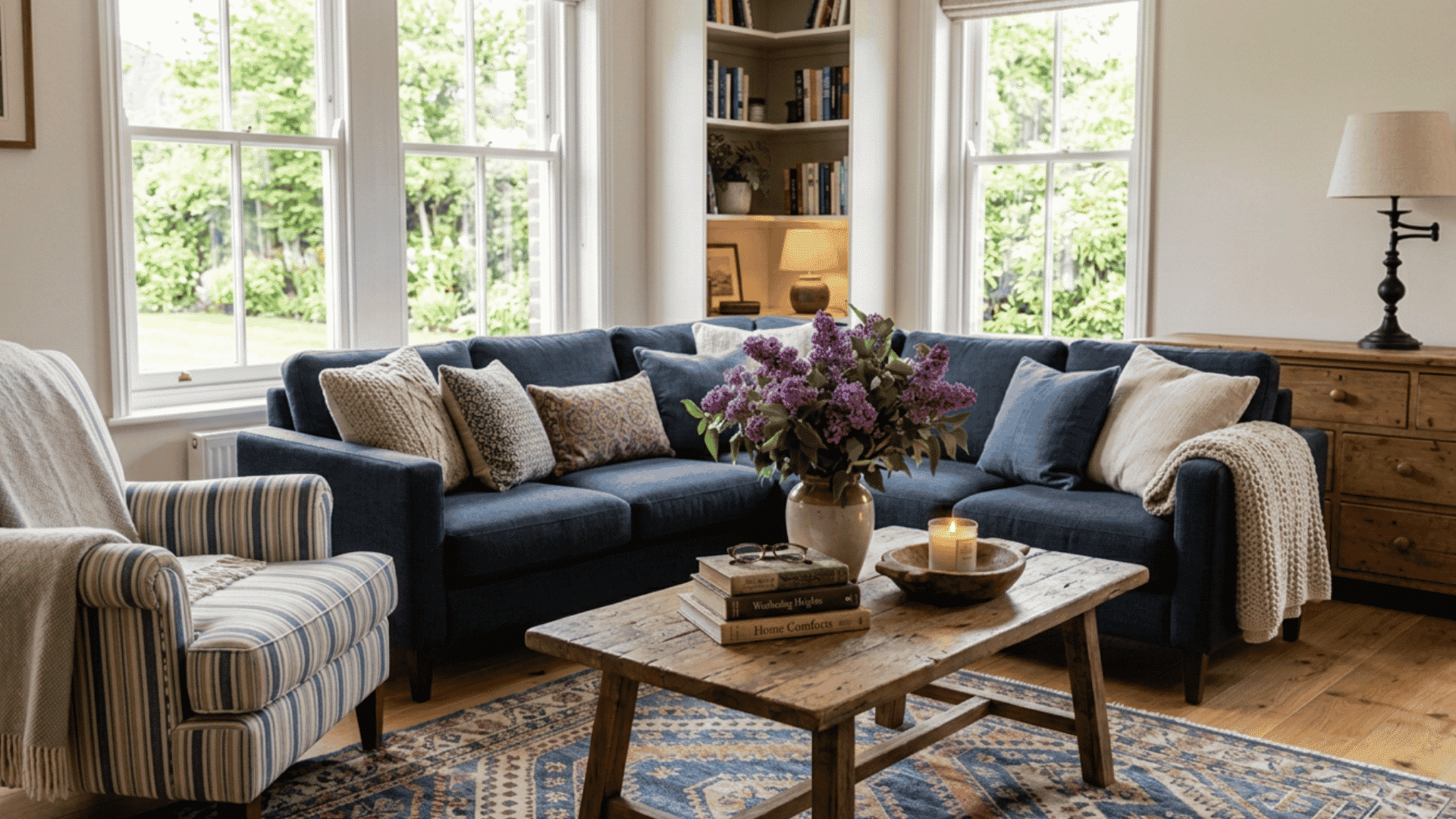
A chair with sturdy arms can make standing up dramatically easier. A firm sofa often works better than one that swallows people whole. You know the type. Sit down and suddenly you’re excavating yourself back out.
Bed height matters too. A few inches can make a surprising difference.
In coastal communities like Caloundra on Queensland’s Sunshine Coast, families exploring Caloundra rentals often pay close attention to accessibility features and furniture layouts because a well-designed space can help loved ones remain comfortable and confident for much longer.
The last time I tried helping an older relative choose furniture, the most attractive chair in the showroom turned out to be the worst one to actually use. The less glamorous option won. No regrets.
Improve Lighting Before Anything Else
If only one change could be made, better lighting would be near the top of the list.
Seriously.
People underestimate lighting because it works quietly. Nobody walks into a room and says, “What a fantastic bulb.” Yet poor lighting creates frustration all day long.
Dark hallways. Shadowy corners. Dim kitchen counters. They all make simple tasks harder than they need to be.
Add brighter bulbs where daily activities happen. Place lamps near reading chairs. Install motion-sensor lighting in hallways and closets. Use nightlights between bedrooms and bathrooms.
Simple fixes.
Ever wondered why a room suddenly feels safer after adding light? It’s because the brain spends less energy guessing. Edges become clearer. Distances feel easier to judge. Confidence grows.
That’s a pretty good return from a lightbulb.
Make the Bathroom Safer Without Losing Its Charm
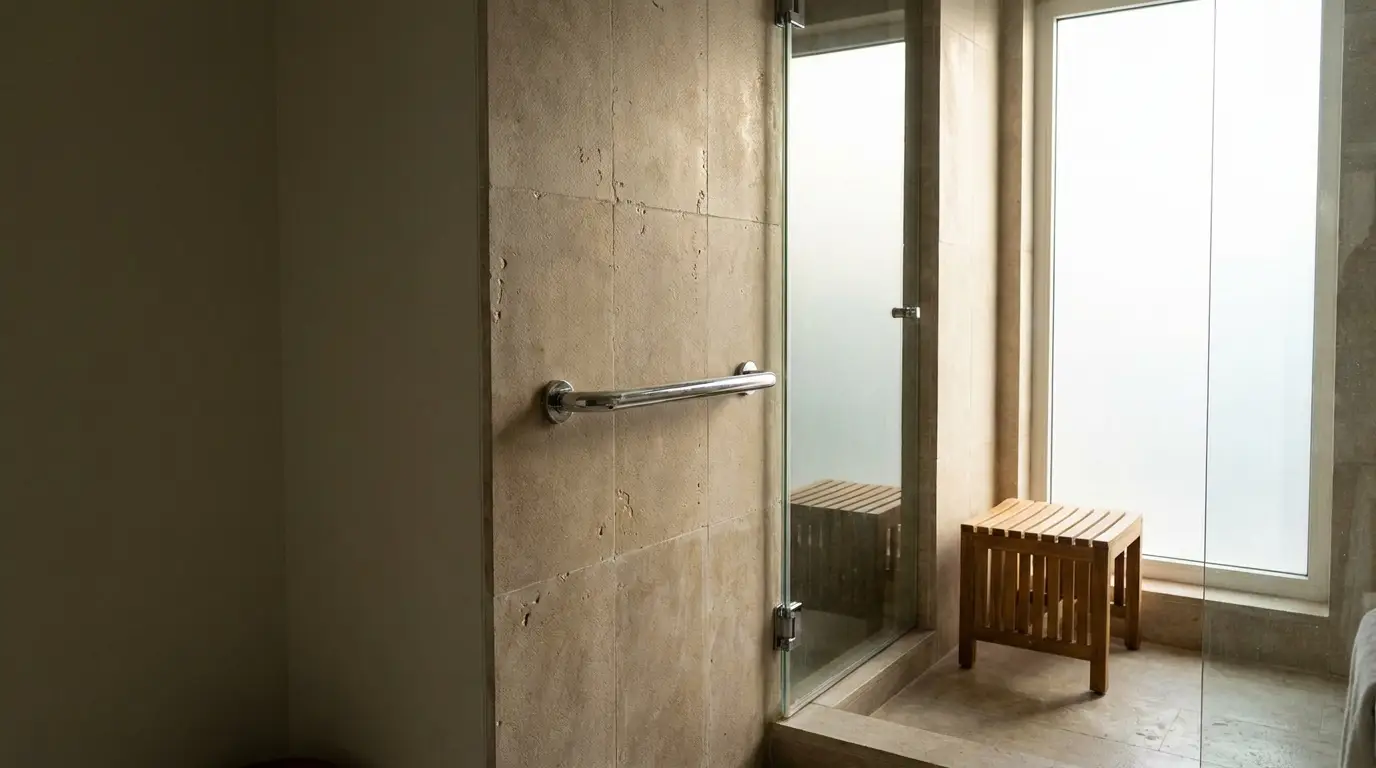
The bathroom deserves special attention.
Not because it’s glamorous. Let’s be honest. Nobody scrolls through bathroom safety photos for fun.
But it’s one of the places where a small mistake can have big consequences.
Install proper grab bars. Real ones. Not towel bars pretending to have a second career.
Add a handheld showerhead. Use non-slip mats that actually stay put. Consider a shower chair if standing for longer periods feels tiring.
Storage matters here too. Daily essentials should sit within easy reach. Nobody should have to stretch, twist, or balance awkwardly to grab shampoo.
For families arranging at home care, bathroom improvements often provide one of the quickest and most meaningful boosts to safety while preserving a loved one’s privacy and daily routines.
The best part? Most of these changes blend right into the room. Guests may never even notice them.
That’s often a sign of good design.
Create a Kitchen That Works With the Body
The kitchen isn’t just where meals happen.
It’s where routines live.
Morning coffee. Sunday baking. The familiar drawer that somehow contains twenty-seven rubber bands and a takeout menu from 2018.
Removing barriers in the kitchen helps people stay connected to activities they genuinely enjoy.
Move everyday dishes to easy-to-reach shelves. Store heavier cookware where bending isn’t required. Keep frequently used appliances on the counter if lifting becomes difficult.
Small adjustments add up.
I once saw a homeowner reorganize an entire kitchen in under an hour. Nothing expensive. No renovation. Just smarter placement. The difference was immediate.
People often assume independence disappears through major events. More often, it fades through dozens of tiny frustrations repeated every day.
Reduce those frustrations and daily life becomes easier.
Use Color and Contrast With Purpose
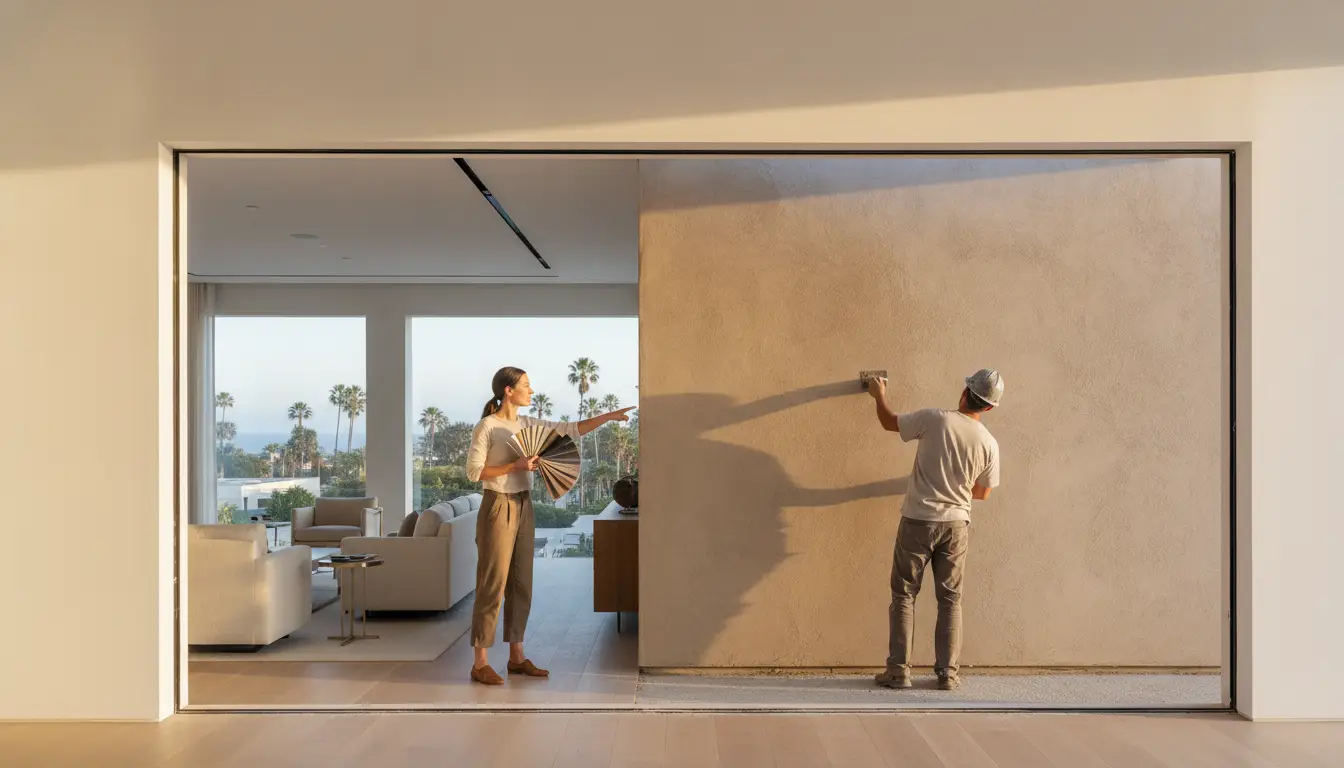
Paint can do more than refresh a room.
It can make a space easier to navigate.
A darker chair against a lighter wall stands out clearly. Contrasting colors on stair edges help define changes in height. Switch plates that don’t blend into the wall become easier to spot.
These details sound small because they are small.
That’s exactly why they work.
The goal isn’t to create dramatic contrast everywhere. Nobody wants their home looking like a giant checkerboard. Instead, focus on subtle visual cues that make spaces easier to understand at a glance.
Soft farmhouse colors still work beautifully. Warm whites. Muted greens. Dusty blues. Gentle earth tones.
Comfort and practicality can absolutely share the same room.
Keep Meaningful Things Within Reach
Safety matters.
So does happiness.
A home shouldn’t become so organized that it stops feeling personal.
The gardening gloves. The knitting basket. The stack of mystery novels. The family photo album that’s been opened a hundred times. These items matter because they connect people to their routines and memories.
Keep favorite activities accessible.
Create a reading corner with good lighting. Leave gardening tools within easy reach. Set up a small craft station beside a comfortable chair.
The spaces people use most deserve attention.
Not every improvement needs to solve a problem. Sometimes it simply needs to support something that brings joy.
And honestly, those changes often end up being the most valuable ones.
Make Entryways Simple and Welcoming
The front door should feel inviting, not intimidating.
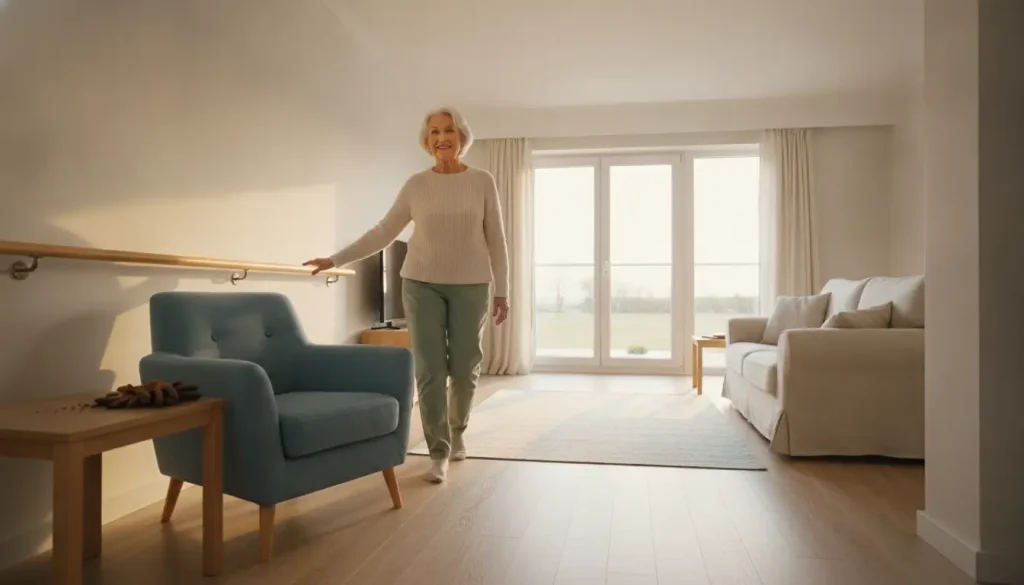
A sturdy handrail. Better outdoor lighting. A bench for putting on shoes. These changes don’t cost a fortune, but they can make coming and going much easier.
Look closely at thresholds too. Even small height differences can create problems over time.
A clear path from the driveway or sidewalk to the front door sends an important message.
You can still come and go. You can still enjoy your home. You can still do things your way.
That’s what independence really looks like.
Not perfection.
Just a home that quietly supports the people who live there every single day.