As a renter in Washington, D.C., you are aware that your area experiences swings of temperature from hot, humid summers to cold, windy winters.
You would like to have a cozy home and reduce your utility costs; however, you cannot afford to make permanent changes that could put your entire security deposit at risk.
This article will provide some easy, temporary ways to “weatherproof” your apartment or rental unit for winter. It will also show you where to look to detect drafts and leaks, and give an explanation on just how to obtain your landlord’s approval so you remain warm and safe through the coming winter.
Why Weatherproofing Matters for Renters
Your ability to “weatherproof” your apartment or home is much more than just being able to stay warm. It can create a more comfortable living environment, reduce your utility bills each month, and help protect your personal property by protecting against avoidable damage. That’s why it matters to you.
Comfort
It doesn’t matter if the temperature in your house reads 68 degrees. If there are drafts or “cold” areas in a room, you’ll feel like it is way colder than it is. Properly weather-proofed homes keep temperatures consistent.
Proper sealing also prevents cool air from entering through gaps around doors and windows. This creates a comfortable environment for you regardless of what temperature the thermostat reads.
Energy Savings
Leaky windows and doorways create an added burden for your heating or cooling systems, which results in higher utility expenses. Using low-cost, easy-to-remove products that seal off these gaps can result in a considerable amount of wasted energy being saved.
Many renters have reported significant savings each month on their utilities, allowing them to save money and enjoy it while still being able to make no long-term changes.
Protection of Belongings
Cold and damp air is detrimental to many household items, including warping wooden furniture, causing electronic devices to malfunction, and creating conditions for mold to grow on clothing and documents that are stored.
Using weatherproofing will prevent cold, wet air from entering the closets and living areas. This method is a cost-effective way to protect your belongings from damage during your rental agreement and to maintain their quality.
Identify Common Weatherproofing Needs
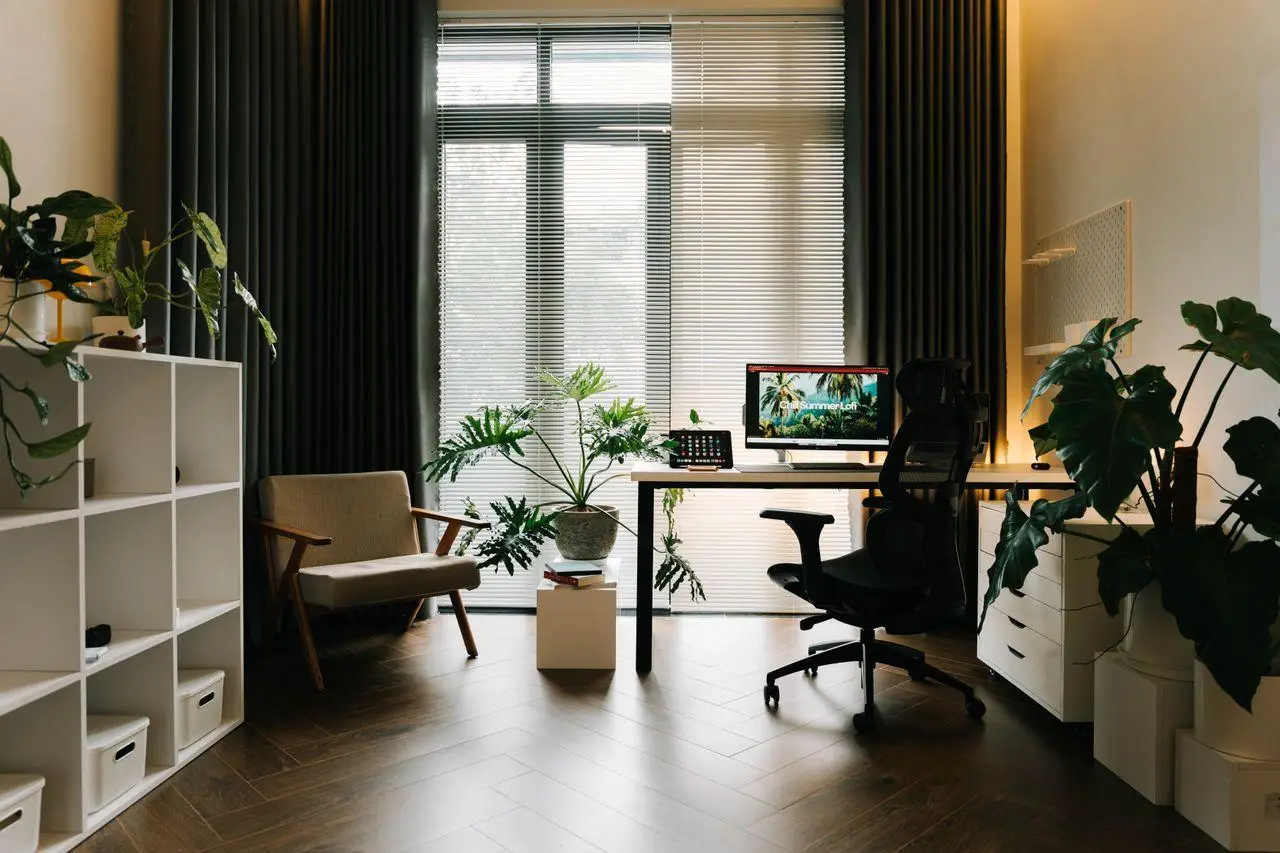
Before you start collecting products, take a good look around your rental unit to identify specific entry points for uncontrolled outside airflow. Knowing where the leaks are will allow you to focus on fixing only those causing the loss of conditioned space.
The most likely places for leaks are when you want to prepare your rental for winter without risking your security deposit.
Windows That Let in Drafts
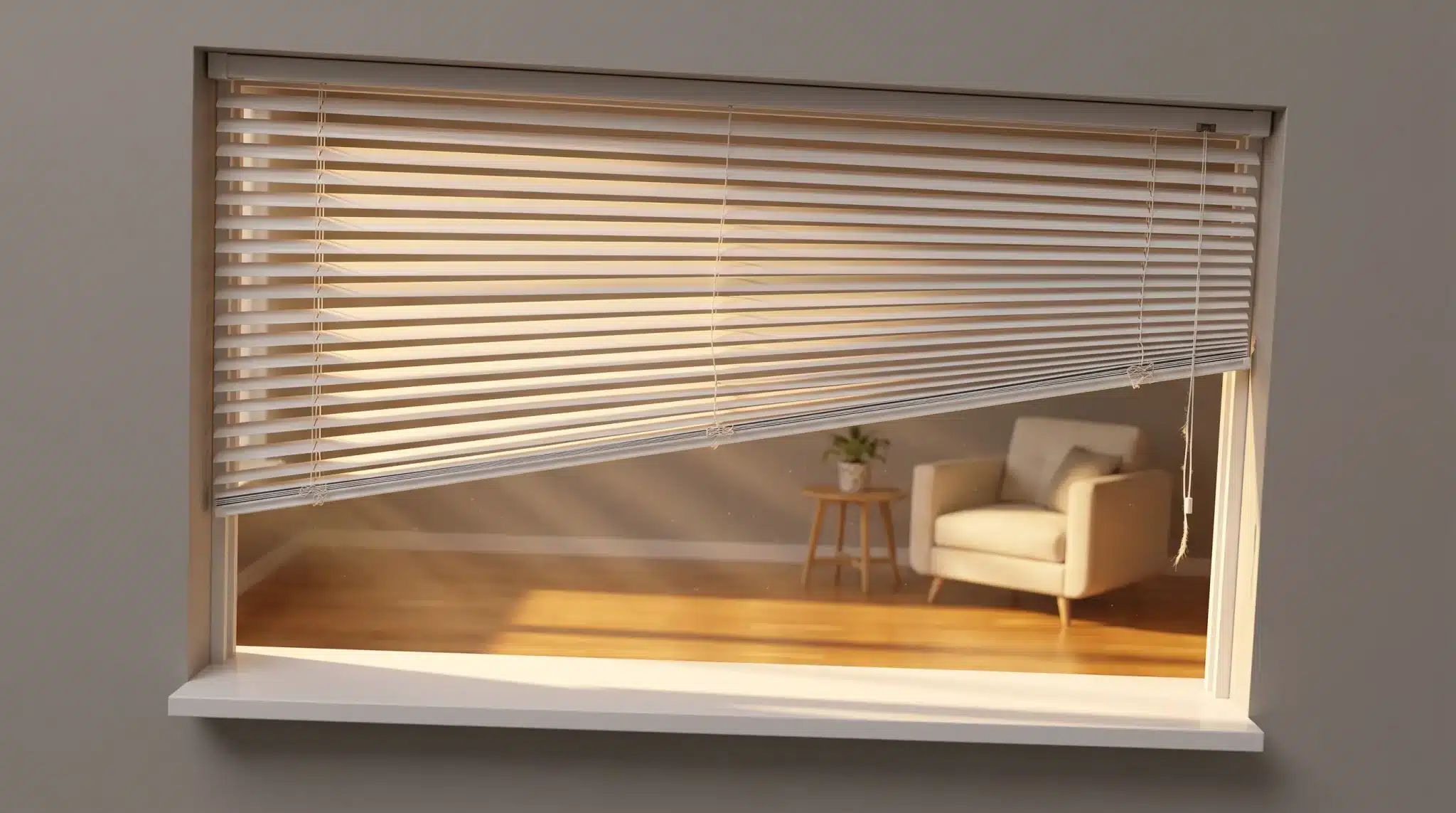
Stand near every window when it’s cold. If you feel a cold spot or notice curtains moving, you’ve detected a leak. Most older double-hung windows have some type of leakage at the points where the upper and lower sashes meet.
To check this, hold a burning incense stick close to the seam areas. If the flame flickers or wavers, you’ve found a leak. Mark these locations so you will know exactly where to put a removable sealant later.
Exterior Doors with Gaps
Look down and see if there is daylight showing under your front and rear entrance doors. Take a piece of paper and slide it under your door. If the paper slips in with no resistance, conditioned air is leaking through a gap.
Feel along the top and sides of the door frame to locate any leaks. Worn-out weatherstripping and/or a misaligned door typically cause this problem and can be corrected with a simple, reversible draft blocker.
Outlets and Switches on Outside Walls
Run your hand over all of the outlet covers and light switch covers on exterior walls. If the plates covering them are cool to the touch, then air is flowing from inside the wall cavity into your home.
This hidden draft is common in most older DC apartments. This can be sealed using foam gasket inserts, which cost very little and leave no damage when removed.
Gaps Along Baseboards and Floors
Go barefoot around the edges of rooms. In many cases, cold air escapes through small gaps where baseboards meet the floor or walls. Wood flooring may contract in cold temperatures, creating minuscule openings that allow cold air from your basement to enter your home.
Insert a roll of removable caulk or foam “backer-rod” into these areas, sealing the gaps, and removing them cleanly when you move out, thus protecting your security deposit.
Window Air Conditioning Units
A stationary window AC is an open door to cold air. Make sure there are no gaps around the sides of the AC and where the AC rests on the frame. The fact that you have closed all of the vents does nothing to stop cold air from entering.
Contact your landlord about purchasing a winter cover for your AC, or install a removable interior insulation panel to block cold air from entering without having to take apart your AC. You can also implement an HVAC maintenance checklist to ensure comfort throughout the seasons.
Communication With Your Landlord
Before you make any type of semi-permanent fix, be sure to have an agreed-upon plan with your landlord. As simple as a fast phone call or an email, a record of your plans will help protect your security deposit from potential disputes.
Permission for Semi-Permanent Fixes
Some weatherproofing measures, such as using adhesive foam tape, removable caulk, or window insulation film, may still require your landlord’s permission.
Make contact via a short email or message with a detailed description of what you plan to do, the products you will be using, and confirmation that all changes will be reversed cleanly.
Point out a benefit to both parties: lower energy bills & better property maintenance. Most landlords in Washington, D.C., are fine with renters performing their own weatherproofing if they ask first, since this helps protect the rental unit.
Ultimately, check with your rental manager in Washington DC to see which temporary modifications are acceptable. Having this written permission will help protect you from future issues.
Document Changes
Take photographs of the “before” condition of any windows, doors, outlets etc., that will have materials applied. Document your landlord’s agreement in writing, as well as the receipt(s) for the materials used to complete the repairs.
Also include, with this information, the manufacturer’s warranty/guarantee stating there will be no damage to the product(s). Take “after” photographs after installing the materials.
At the end of your lease term, you will be able to reverse each modification and provide proof that the premises were returned to their prior condition.
Documenting each change helps avoid potential disputes about what was done during your tenancy and makes returning your security deposit easier.
Conclusion
Protecting your belongings, lowering your utility costs, and keeping yourself cozy in your D.C. rental are easier than losing a portion of your deposit when it’s cold.
The key is that the modifications be removable and that you communicate clearly with your rental manager about the temporary changes you are making before making them.
Take photos and obtain written consent from your rental manager for every modification you make; remove each one when you leave. The few hours you spend doing this will ensure you receive the full amount of your security deposit back after you move out and keep you warm throughout the year.