If you’ve ever stood in a paint aisle trying to decide how to finish an entryway, hallway, or kitchen, you already know the real question isn’t “which one looks better.” It’s “which one will still look good in three years, after backpacks, dog tails, grocery bags, and a hundred hands have brushed past it.”
Wallpaper and decorative plaster both have loyal fans, and both can be stunning. But when it comes to high-traffic rooms specifically, durability tells a more interesting story than style boards usually let on.
Wallpaper: Strong when It’s Installed Right, Vulnerable at The Seams
Modern wallpaper has come a long way from the delicate, tear-at-a-touch rolls people remember from decades ago. Type II vinyl wallcoverings, in particular, are built for exactly this kind of use — they’re scrubbable, resistant to scuffs, and hold up well against the kind of daily contact a mudroom or hallway takes on. Commercial designers often choose Type II vinyl wallcoverings for hotels, healthcare facilities, offices, and multifamily buildings because of their durability and ease of maintenance — a good sign for how they’ll hold up in a busy residential entryway too.
The catch is that wallpaper’s durability depends almost entirely on installation quality. A well-hung seam is nearly invisible and structurally solid. A poorly hung one is where problems start — lifting corners, visible gaps, and edges that catch on coat sleeves and backpack straps until they eventually peel. In other words, the material can be tough, but the workmanship is what determines whether that toughness actually shows up two years down the road.
This is where proper wall prep, panel layout, and seam placement matter more than the pattern itself — especially in a hallway or entry where every seam gets tested daily. Homeowners in the area researchingwallcovering installation in Lakewood, Colorado will often find that installation quality, not just material choice, is what separates a wall that ages well from one that doesn’t.
Plaster: No Seams, but A Different Kind of Vulnerability
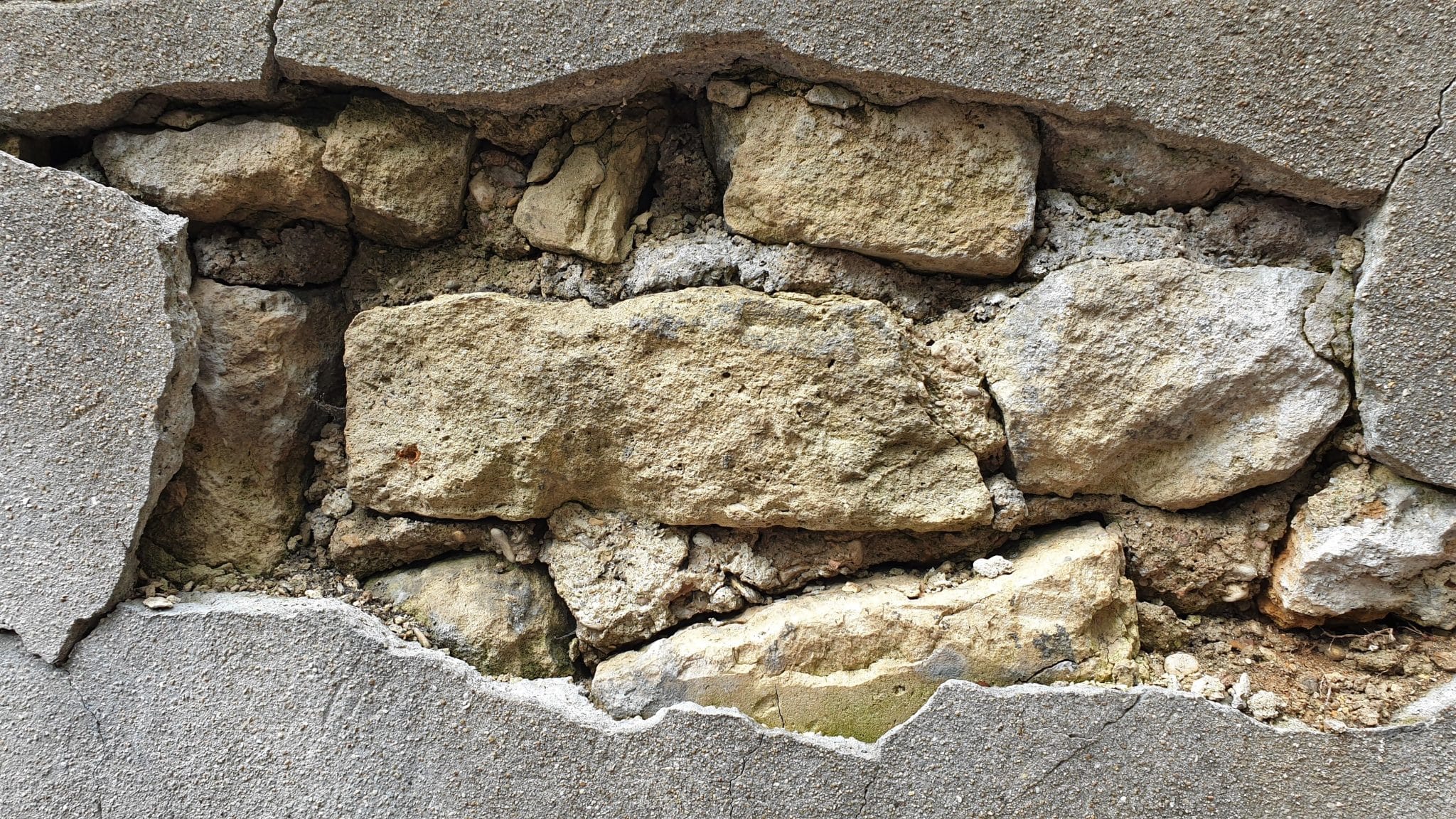
Decorative plaster finishes — Venetian plaster, microcement, limewash — solve the seam problem entirely, because there isn’t one. The surface is continuous, hand-applied, and, when done well, essentially monolithic. There’s nothing to lift, peel, or catch.
That doesn’t mean plaster is invincible. Depending on the finish, it can be more sensitive to moisture, impact dents, or aggressive scrubbing than a Type II vinyl wallcovering. A well-sealed microcement finish handles a busy kitchen beautifully; a softer limewash finish is better suited to a room with gentler daily wear, like a dining room or bedroom accent wall, than a mudroom that sees muddy boots year-round.
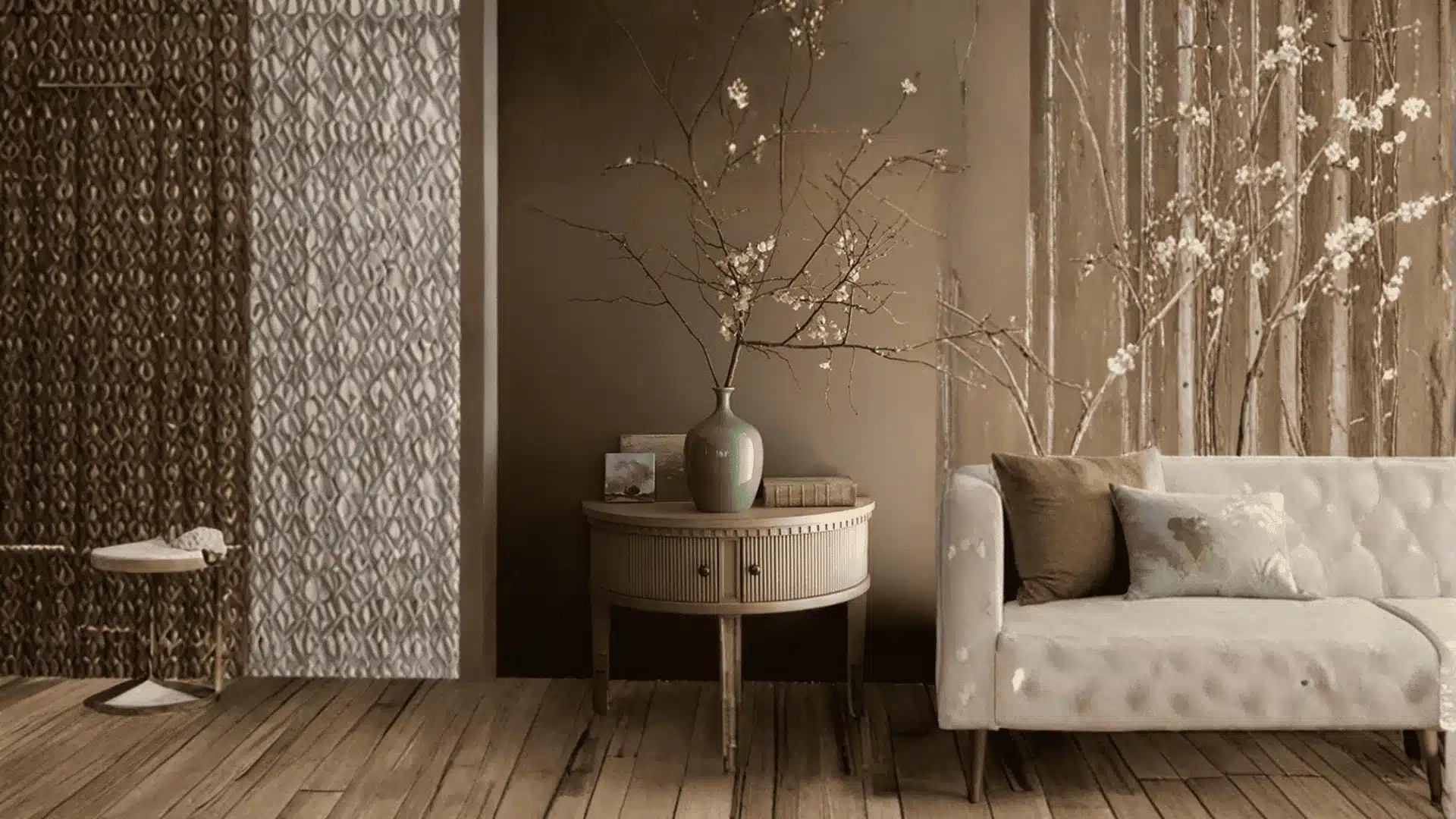
Professional installers with credentials from organizations such as the Wallcovering Installers Association (WIA) and the Interior Design Society (IDS) often have the experience to recommend the right finish for each space — and it’s worth browsing a few examples of whatdecorative plaster finishes actually look like in real homes rather than just swatches, since seeing texture and depth in a finished room makes the durability trade-offs much easier to picture.
So Which One Actually Lasts Longer?
Honestly, it depends less on “wallpaper vs. plaster” as categories and more on two things: the specific product within each category, and the quality of the installation.
A high-quality Type II vinyl wallcovering, properly installed, can outlast a poorly applied plaster finish. And a well-executed microcement or Venetian plaster finish can outlast wallpaper that was hung with rushed seams. The material matters, but the hands doing the work matter just as much — sometimes more.
If your household includes kids on scooters, dogs with muddy paws, or a hallway that doubles as a racetrack, lean toward materials rated for scrubbability and impact resistance, and don’t skip a conversation with whoever’s installing it about what that specific room actually needs to survive.
A Quick Gut-Check Before You Commit
- High-traffic entry or mudroom? Scrubbable Type II vinyl or a sealed microcement finish will outperform delicate materials.
- Dining room or bedroom accent wall? You have more room to prioritize texture and softness — limewash and grasscloth become realistic options.
- Kitchen backsplash-adjacent walls? Moisture resistance matters as much as scuff resistance — ask specifically about how each finish handles humidity.
Choosing between wallpaper and decorative plaster isn’t about finding one universally “better” finish. It’s about selecting the right material for the way a room is actually used. Understanding maintenance requirements, durability, and installation quality will usually have a greater impact on long-term performance than the material itself.