A fresh coat of paint is a tempting answer to an ugly wall. It is also the fastest way to waste a weekend. Damp behind a finish will find its way back through, usually within a season.
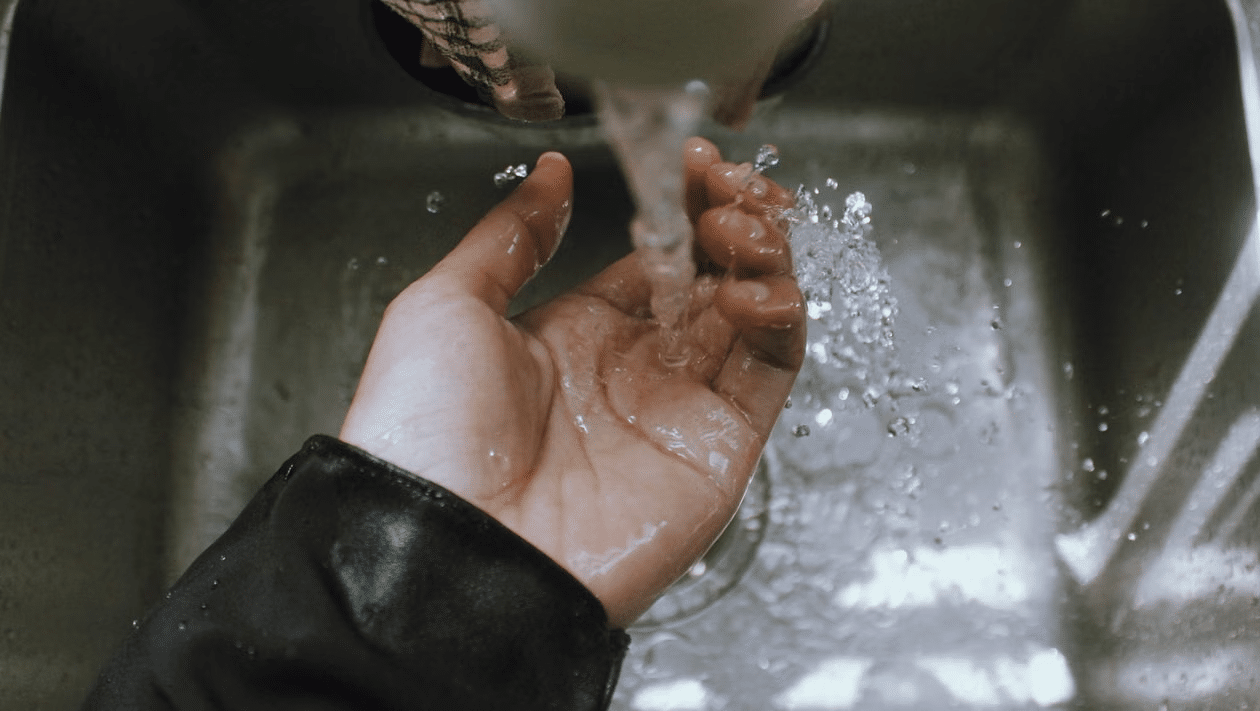
Small leaks do most of this quiet harm. Crews handling water damage lancaster homes deal with after a burst supply line start with moisture readings rather than a paintbrush, and that order is worth copying. Decorating comes last, once the room is genuinely dry. Everything below is about that gap between the leak and the paint tray.
Why Does Moisture Ruin Paint and Wallpaper?
Paint is a thin film sitting on top of a porous surface. Drywall, plaster, and bare timber all hold water in their pores. When that water tries to escape, it pushes the film off from behind.
You see it as bubbling, flaking, or a soft chalky patch. Wallpaper shows it differently, with lifting seams and a faint musty smell. Glue is water based, so damp undoes the very thing holding the paper up.
Color shifts too. Minerals carried by the water leave a tea-colored ring as they dry at the surface. That ring is a stain in the substrate, not dirt sitting on the paint.
Which Materials Survive a Leak and Which Do Not?
Some things in a room clean up beautifully. Others are quietly finished the moment they get soaked. Knowing the difference saves both money and effort.
Here is the usual split after a household leak:
- Solid wood furniture and trim often survive, given slow drying and a light sand.
- Painted plaster can be saved if the wall behind it dries out fully.
- Drywall that has gone soft or crumbly needs cutting out and replacing.
- Carpet underlay and pad hold water and rarely come back.
- Paper-faced insulation, particleboard shelving, and MDF swell and stay swollen.
Craft supplies deserve a look as well. Paper stock, fabric, and canvases pick up mildew fast in a damp cupboard. Alabama Cooperative Extension has plain guidance on drying out after a flood that applies just as neatly to a burst washing machine hose.
Why Does Painting Over a Water Stain Keep Failing?
Standard latex paint is porous by design, because walls need to breathe. A dissolved mineral stain travels straight through it. Two coats simply gives the stain two thin layers to cross.
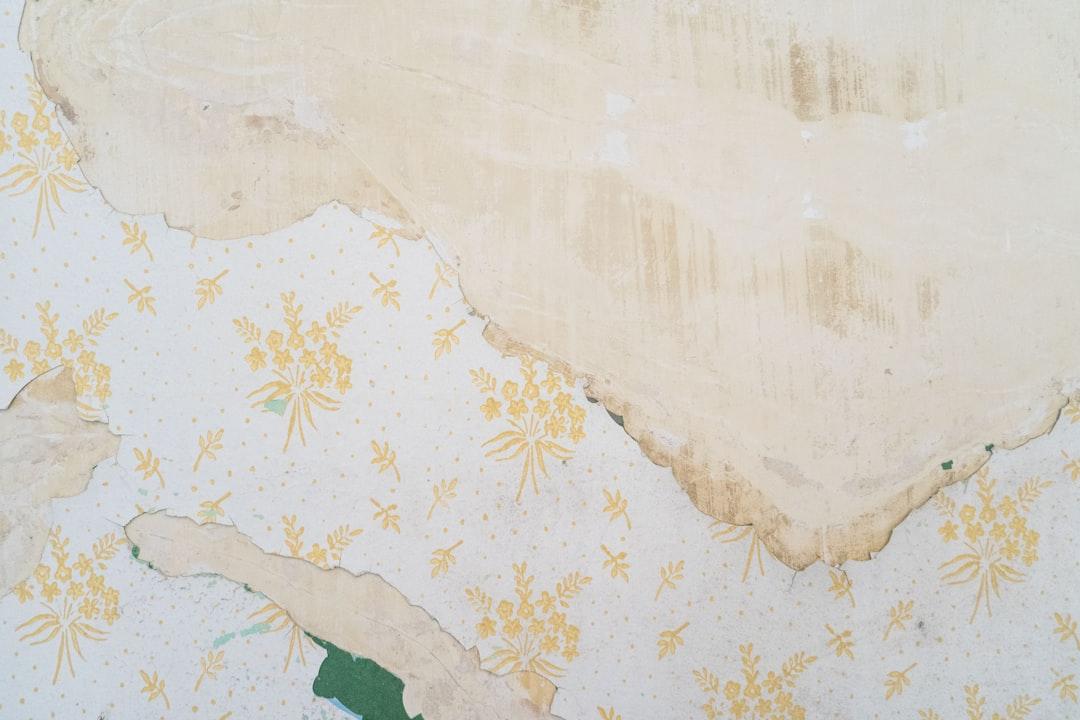
Timing is the bigger issue. Paint applied to a damp substrate cannot bond properly, so it peels in sheets later. A stain-blocking primer helps only once the surface underneath is dry.
There is a health angle too. Sealing damp into a wall gives mold a dark, humid place to grow, and state health departments including Washington State’s mold guidance treat indoor mold as an air quality problem. Damp left sitting for 24 to 48 hours is usually all the encouragement spores need.
What Order Should a Post-Leak Redecoration Follow?
The sequence matters more than the products you choose. Work through it once and you rarely have to repeat a step. Rushing straight to primer is what costs a second weekend.
- Find and stop the source, whether that is a pipe, a gutter, or a window seal.
- Strip anything that traps moisture, including wallpaper and loose paint.
- Dry the room with airflow and, if you have one, a dehumidifier.
- Take moisture readings until they match an undamaged wall.
- Prime with a stain blocker, then paint or paper as normal.
Keep indoor humidity somewhere between 30 and 50 percent while the room settles. That range suits both the drying and the finish. A cheap hygrometer on the windowsill tells you where you stand.
How Long Should a Room Dry Before New Finishes Go On?
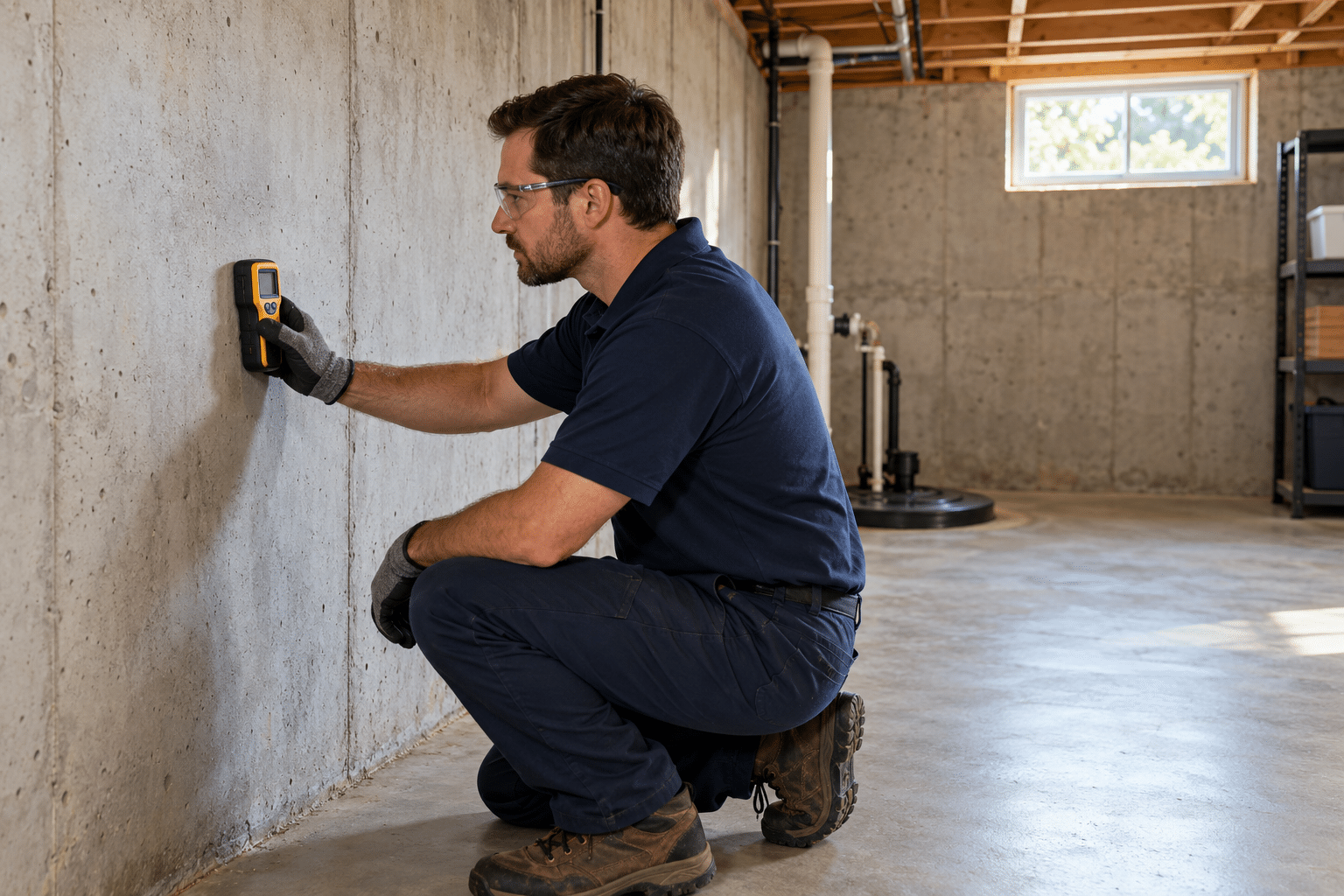
Longer than most of us want to wait. Surface dryness arrives days before structural dryness. The wall can feel fine while the cavity behind it is still holding water.
A cheap pin-type moisture meter is the honest answer. Take readings on the damaged wall and on an undamaged wall in the same room, then compare. Decorate when the 2 readings match and hold steady for 3 days.
Air movement speeds this up more than heat does. Open the room, run a fan across the surface, and use a dehumidifier if you have one. If a ceiling is involved, start with the first steps for handling a ceiling leak before you touch the paint.
When Does a DIY Fix Need a Restoration Crew?
Small and recent is DIY territory. A cup of water on a windowsill or a slow radiator drip is yours to handle. Anything larger deserves a second opinion.
Call a professional when water has run behind cabinets or under flooring, when a ceiling is sagging, or when the leak came from a sewer line. When water infiltrates hidden voids behind cabinetry, causes ceilings to sag, or originates from a contaminated sewer line, relying on professional water damage restoration becomes essential, as professionals have the thermal cameras and commercial dehumidifiers required to find and extract hidden moisture. Crews carry commercial dehumidifiers and thermal cameras that find damp inside a wall. They also document readings, which insurers tend to ask for.
Ongoing damp is its own signal. A basement that keeps getting wet needs the cause fixed first, and keeping a basement dry year round is a project of its own. No finish survives a wall that keeps refilling with water.
Points to Keep In Your Project Notes
- Paint is a film, and damp pushes films off from behind.
- Wallpaper glue is water based and gives up early.
- Soft drywall, wet underlay, and swollen MDF are replacements, not repairs.
- Match your moisture readings against a dry wall before decorating.
- Stain-blocking primer works on dry surfaces only.
- Repeat damp means the cause has not been fixed.
Redecorating a Room That Has Dried Out Properly
The reward for waiting is a finish that still looks good in three years. Find the leak, stop it, dry the room, then check it with a meter. After that the fun part, the color choice, actually sticks.
Frequently Asked Questions
Can I Paint Over Mold on a Wall?
No, painting over mold traps it and it grows back through. Clean the surface first and deal with the moisture feeding it. Large or repeated growth is worth a professional look.
How Do I Tell If a Wall Is Still Wet?
A moisture meter is the reliable way, compared against a dry wall nearby. Tape a square of clear plastic to the surface overnight as a rough test. Condensation underneath means moisture is still coming through.
Does Wallpaper Trap Moisture Behind It?
Vinyl papers especially can, because they slow drying to a crawl. On a wall that has been wet, strip the paper and let the surface breathe. Rehang only once readings are back to normal.
Is Stain-Blocking Primer Enough After a Leak?
Only when the substrate is dry and the leak is fixed. Primer blocks the stain from bleeding through your topcoat. It does nothing about water still sitting in the wall.