
You wait all year for those fragrant purple clusters, and then one season, they’re just sparse.
Fewer blooms, smaller clusters, and that lovely scent is barely there. The soil’s not the problem. Neither is the weather. Most of the time, it comes down to pruning, as it is either skipped or done at the wrong time.
Knowing when to prune lilacs is what separates a shrub that looks stunning every May from one that just blends into the background.
The fix is simpler for that.
First, Let’s Understand What Kind of Plant Lilac is.
Lilacs are shrubs, not trees. And that distinction matters more than most people realize.
Shrubs push out new growth from the base. That changes everything about how and when you cut them.
Lilacs also bloom on old wood, meaning the buds for next spring’s flowers form right after this season’s blooms fade.
So if you cut it at the wrong time, you’ve already lost next year’s display.
When to Prune Lilacs for the Best Results?
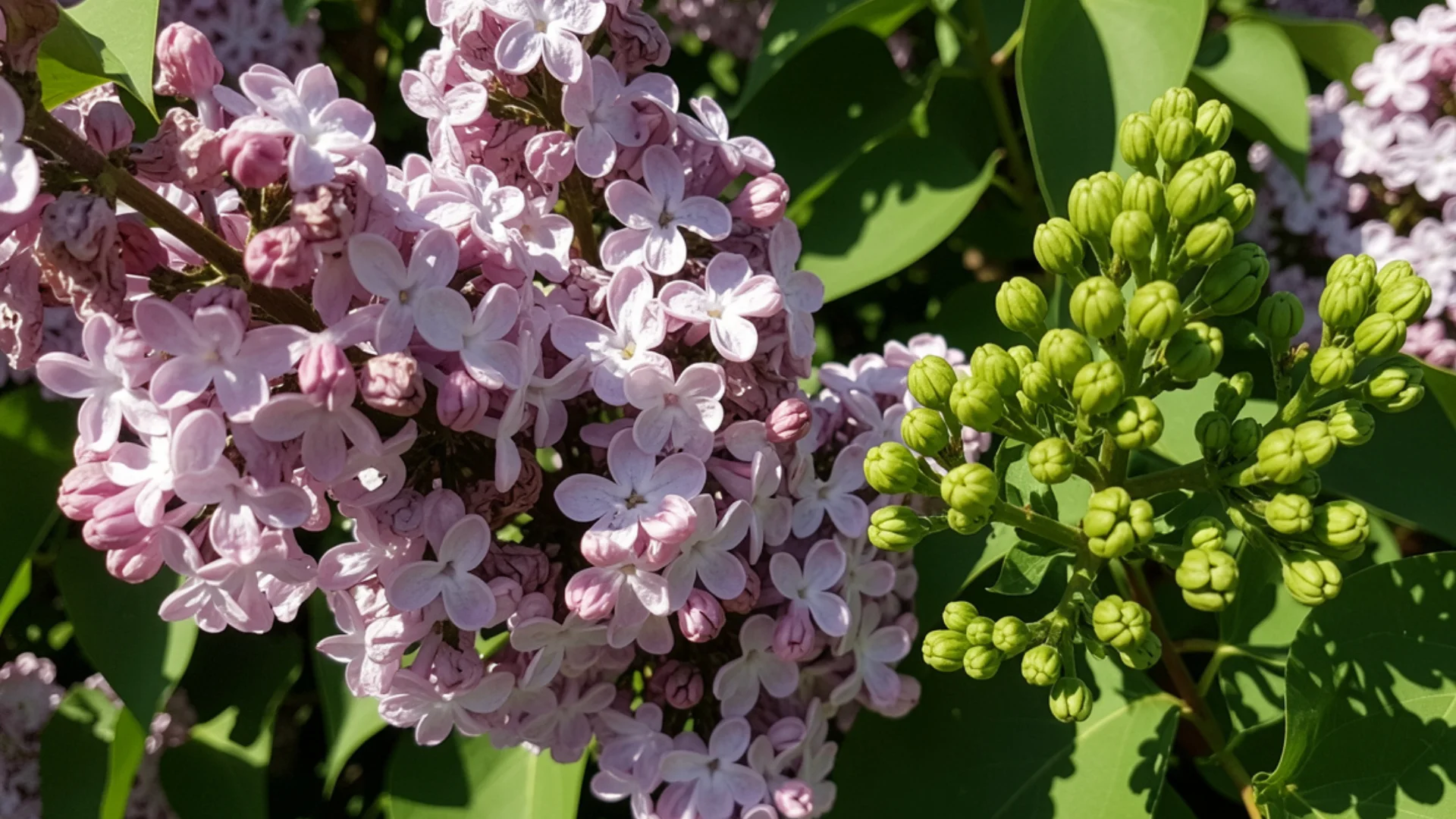
Right after they finish blooming. That’s your window, and it’s a small one. Lilacs start forming next year’s buds within 6 to 8 weeks of the flowers fading.
By midsummer, those buds are already there on the branches.
Cut them too late, and you’re not just trimming; you’re taking off next spring’s flowers without even knowing it.
The Golden Window
Most lilacs bloom between late April and early June. Once the flowers start to brown and drop, that’s your signal.
You have about 2-3 weeks before the plant starts putting energy into new buds. Prune in that time, and you’re set for a great display next season.
If you’ve missed it: Don’t panic, lilacs are hard to kill. But you’ll likely see fewer blooms next year. If it keeps happening year after year, expect fewer clusters, weaker fragrance, and eventually a shrub that barely blooms at all.
Does Climate Affect the Timing?
Yes, a little. In colder areas, lilacs bloom later, sometimes not until early June. In warmer spots, they can be done by late April.
Either way, the rule is the same: Prune right after the flowers fade, and you won’t go wrong.
Best months to prune lilacs: April, May, June
Learn How to Prune Lilacs Step-by-Step
Pruning lilacs isn’t complicated, but doing it right does make a difference. Here’s everything you need and exactly what to do.
Tools You’ll Need
- Sharp hand pruners for small branches and deadheading
- Loppers for thicker branches you can’t cut with pruners
- A pruning saw for very old or woody stems
- Gardening gloves
- Rubbing alcohol or a diluted bleach solution to clean your tools before you start
Method 1: Light Annual Pruning

This is your regular yearly maintenance. Best for young or healthy lilacs that are already blooming well.
- Remove any dead, damaged, or crossing branches first
- Cut spent flower clusters right at the base, don’t leave a stub
- Thin out a few of the older stems to let light and air into the center of the shrub
- Step back occasionally and check the shape as you go
Keep cuts clean and close to the branch junction.
No need to go heavy here, you’re just tidying up and encouraging better blooms next season.
Method 2: Rejuvenation Pruning

For older or overgrown lilacs that have stopped blooming well or grown too tall and leggy. This is a bigger job, but worth it.
You have two ways to go about it:
Gradual Rejuvenation
Spread the work over 3 years. Each year, cut one-third of the oldest, thickest stems right down to the ground.
By year three, the whole shrub has been refreshed without losing blooms entirely.
Hard Rejuvenation
Cut the whole shrub down to about 6 to 8 inches from the ground in one go.
The shrub will come back, but expect 2 to 3 years with no blooms.
Save this for a lilac that has mostly stopped flowering, has thick woody stems with no young growth, or has grown so tall it can no longer be managed with light pruning.
Method 3: Deadheading

Deadheading just means removing the spent flowers once they fade. It’s quick, easy, and makes a real difference.
Snip the old flower clusters off right where they meet the stem. This stops the plant from putting energy into seed production and redirects it toward next year’s buds.
Takes about 10 minutes once the blooms fade, and it genuinely makes a difference to next season’s output.
Benefits of Pruning Lilacs the Right Way
1. More Blooms, Bigger Clusters: Pruning pushes energy toward new growth, giving you fuller clusters and that strong fragrance every spring.
2. Better Air Circulation and Disease Prevention: Thinning the shrub lets air move freely through the branches, keeping fungal problems and powdery mildew away naturally.
3. A Longer Life for Your Shrub: Regular pruning stops old wood from taking over, keeping your lilac productive and healthy for decades.
How to Maintain Lilacs Year-Round?
Pruning gets most of the attention, but what you do the rest of the year matters too.
Watering and Fertilizing After Pruning
Give your lilac a deep watering right after pruning to help it recover.
In early spring, a balanced fertilizer with lower nitrogen works well. Something like a 5-10-10 ratio encourages blooms over leaf growth.
High-nitrogen fertilizers do the opposite, so check the label before you buy.
Mulching to Support Root Recovery
A 2-3 inch layer of mulch around the base keeps moisture in, regulates soil temperature, and cuts down on weeds.
Just keep it a few inches away from the stem because mulch piled against the base can cause rot.
What to Watch for After Pruning
Watch for yellowing leaves, wilting, or very little new growth in the weeks after a heavy prune.
Some slow recovery is normal after aggressive cutting. If new shoots do appear but growth stays sluggish, check that the soil isn’t waterlogged.
Your Lilacs are One Good Prune Away From Their Best Season Yet
Timing is everything with lilacs, and now you know exactly when to prune lilacs, how to do it, and how to maintain them.
It’s not complicated.
Wait for the blooms to fade, grab your pruners, and give the shrub what it needs.
Do it right once, and you’ll see the difference next May. Do it consistently, and you’ll have a lilac that puts on a show for decades.
Frequently Asked Questions (FAQ’s)
1. What is a Mistake for Pruning Lilacs?
The biggest mistake is pruning too late in the season. Cut after midsummer, and you’re removing next year’s buds without even realizing it.
2. What Happens if You Don’t Deadhead Lilacs?
Skipping deadheading means the plant puts its energy into seed production instead of next year’s flower buds. Your lilac will still bloom, but expect fewer flowers, smaller clusters, and a weaker fragrance season after season.
3. Should Lilacs be Cut Back in the Fall?
No, fall pruning removes next year’s buds. Wait until right after blooming.