Renovating an older home can be rewarding when each project improves comfort, function, or property value. The problem starts when one repair exposes another and the renovation budget keeps expanding without a clear endpoint.
At some point, homeowners need to decide whether completing more work still makes financial sense. That decision should be based on the remaining repair cost, expected resale value, carrying expenses, construction risk, and how long you realistically want to keep managing the property.
Look at What Is Still Left to Repair
Do not base the decision on how much money you have already spent. Those costs are sunk. What matters now is how much additional money and time will be required to reach a reasonable stopping point.
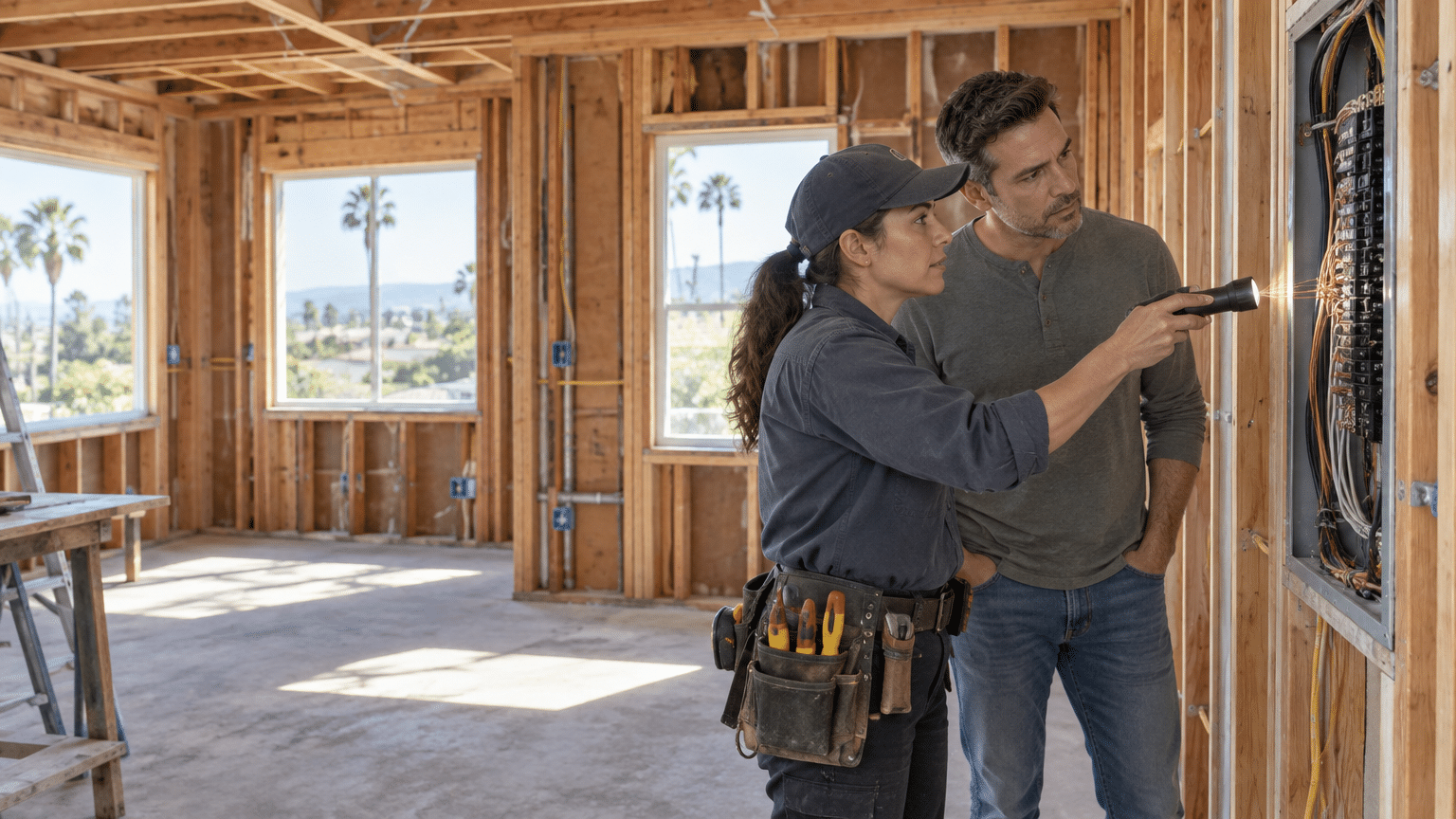
Walk through the property and separate unfinished work into structural, mechanical, functional, and cosmetic categories. A damaged roof or failing electrical panel deserves different consideration than dated cabinets or unfinished trim.
Get updated estimates for the remaining major projects. Renovation budgets created six months ago may no longer reflect current labor requirements, material choices, or newly discovered problems.
Know When the Renovation Has Become Too Large
A renovation can stop being practical when several major systems need work at the same time.
Foundation repairs, roofing, plumbing replacement, HVAC upgrades, electrical modernization, water damage, and extensive interior reconstruction can quickly turn a home improvement project into a major capital commitment.
Warning Signs the Project May Be Too Much
Consider reevaluating the renovation if:
- Every completed project exposes another expensive problem
- Major repairs exceed available cash reserves
- Contractor timelines continue to expand
- The home remains difficult to occupy during construction
- Required improvements exceed neighborhood standards
- You expect to move shortly after completing the work
- Financing the renovation significantly increases monthly costs
One difficult project does not necessarily mean you should sell. Several overlapping problems may be a stronger signal.
Compare Finishing the Work With Selling Now
Calculate two scenarios instead of relying on the assumption that a finished house will always produce the better financial result.
The first scenario should estimate the property’s likely selling price after completing the remaining work. Subtract construction costs, carrying expenses, selling costs, and a reasonable contingency for unexpected repairs.
The second should estimate what you could reasonably receive without completing the full renovation. Homeowners who want to explore alternatives to finishing extensive repairs can compare a traditional listing with another selling route through a company such as Superior Homebuyers.
The important comparison is net proceeds. A renovated property may sell for substantially more but still produce only a modest financial advantage after months of additional spending.
Watch for Diminishing Returns
Early improvements often provide more noticeable benefits than later ones.
Repairing water intrusion, restoring a functional bathroom, replacing unsafe wiring, or addressing a failing roof can significantly improve a property’s usability. Replacing perfectly functional finishes simply because they are not new may produce a much smaller return.
This is where renovation projects frequently become expensive. Once the essential problems are solved, homeowners continue upgrading because the next room suddenly looks dated compared with the renovated area.
Set a stopping point before that cycle takes over.
Consider the Value Ceiling of the Neighborhood
Every neighborhood has a practical pricing range.
A property can have premium flooring, custom cabinetry, designer fixtures, and an expensive outdoor kitchen, but buyers will still compare it with nearby homes.
Research recent comparable sales before approving additional improvements. Focus on properties with similar square footage, lot size, bedroom count, condition, and location.
If your projected renovation pushes the required selling price significantly above comparable homes, additional spending becomes harder to recover.
Account for the Cost of More Time
Renovation expenses do not stop with contractors and materials.
Each additional month of ownership can mean another mortgage payment, property tax allocation, insurance payment, utility bill, HOA fee, and landscaping expense.
Vacant properties may create additional costs for security, insurance, maintenance, or temporary housing elsewhere.
A project that appears profitable based only on construction cost can become much less attractive after six additional months of carrying expenses.
Be Careful About Renovating for a Future Buyer
Homeowners often reach the final stage of renovation and start making increasingly specific design choices.
That can be risky when the property will soon be sold.
Your preferred flooring, backsplash, wall color, light fixtures, or built-ins may not match what buyers want. The more expensive and personalized the improvement, the greater the chance you will fail to recover the full cost.
Use neutral, durable finishes for work being completed primarily for resale.
Separate Essential Repairs From Presentation
A home does not need to look completely redesigned before it can be sold.
Once major safety and maintenance concerns have been addressed, smaller presentation improvements may be enough to prepare the property for photographs and showings.
Low-Cost Finishing Work Can Include
- Touching up neutral paint
- Repairing damaged trim
- Deep cleaning flooring
- Replacing worn cabinet hardware
- Improving basic lighting
- Cleaning windows
- Removing excess furniture
- Simplifying room decor
These projects can make the property feel finished without starting another large renovation.
Use Small Decor Changes Instead of Another Remodel
If the house is structurally sound but rooms feel unfinished, try staging before renovating again.
A clean dining table, simple artwork, coordinated textiles, plants, and a few functional decorative pieces can help a finished room photograph better. Even small items such as ceramic coasters can work as subtle tabletop decor in a staged dining area, breakfast nook, patio, or coffee station.
The goal is not to fill the property with accessories. It is to make completed spaces feel intentional without spending thousands of dollars on changes the next owner may replace.
Think About Renovation Fatigue
Financial calculations matter, but so does your ability to manage the project.
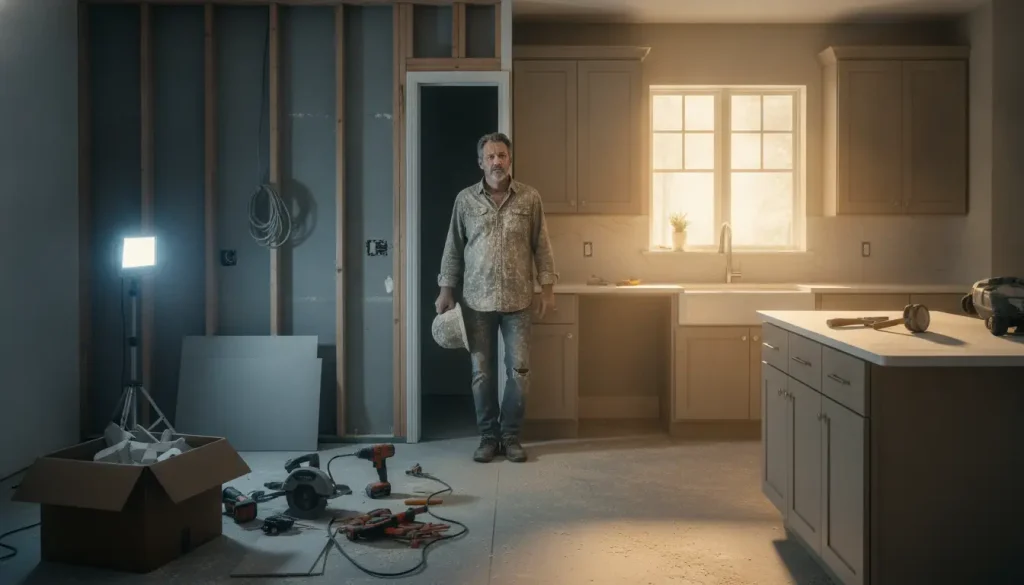
Living around construction for months can affect routines, work, storage, and family life. Managing contractors also requires decisions about scheduling, materials, inspections, payments, and unexpected problems.
Renovation fatigue can lead homeowners to make rushed decisions or approve expensive work simply because they want the project finished.
If you no longer want to manage the property and the remaining work provides limited financial upside, selling may be a reasonable alternative.
Set a Clear Financial Stopping Point
Before approving another renovation, calculate the maximum amount you are willing to invest.
Estimate the home’s current value, expected finished value, remaining project costs, contingency, and carrying expenses. Then calculate how much additional equity the renovation is realistically expected to create.
If another $40,000 of work may only increase net proceeds by $20,000 to $30,000, continuing purely for resale becomes difficult to justify.
Past renovation spending should not pressure you into spending more. Evaluate every new project based on what it is likely to return from this point forward.
Know When It Is Time to Move On
Renovation makes sense when the remaining work is manageable and meaningfully improves the property’s usefulness or value. It becomes harder to justify when costs keep increasing, timelines stretch out, and additional upgrades provide progressively smaller returns.
Review what remains, calculate net proceeds under different selling scenarios, and account for both carrying costs and construction risk.
Sometimes finishing a few essential repairs is the right move. Other times, stopping the renovation protects more of your money than completing it.
The key is recognizing when you are improving the house and when you are simply continuing a project because you have already invested too much to feel comfortable stopping.