Learning to crochet may be challenging at first. Too many stitches, too many patterns, and no directions about how to do all that.
The double crochet is a very helpful stitch to learn when you start out. It is faster than the single crochet, and it adds height.
After learning all the basics of crocheting, working on blankets, scarves, and hats will not be difficult. The steps given below will make everything simple.
What is a Double Crochet Stitch?
This is a fundamental crochet stitch that adds height to any crochet work.
In this stitch, it lies higher than a single crochet but lower than a treble crochet. The stitch is used to crochet blankets, scarves, and sweaters quickly.
A yarn over is made before inserting the hook into a stitch. It is the small thing that makes the stitch taller compared to other stitches.
Most beginners like to double crochet because it’s fast to make, and its stylish patterns are easy to create.
Tools Required
Before learning the double crochet, a few tools are required that will make the experience much easier.
- A crochet hook, 4mm to 5mm
- Medium-weight yarn
- Sharp scissors
- A yarn needle to weave
- A stitch marker
- Measuring tape
How to Double Crochet Step by Step?
Mastering the double crochet becomes easy when you break it down step by step. Each step builds on the one before it, making the process easy to understand.
Step 1: Make a Starting Chain
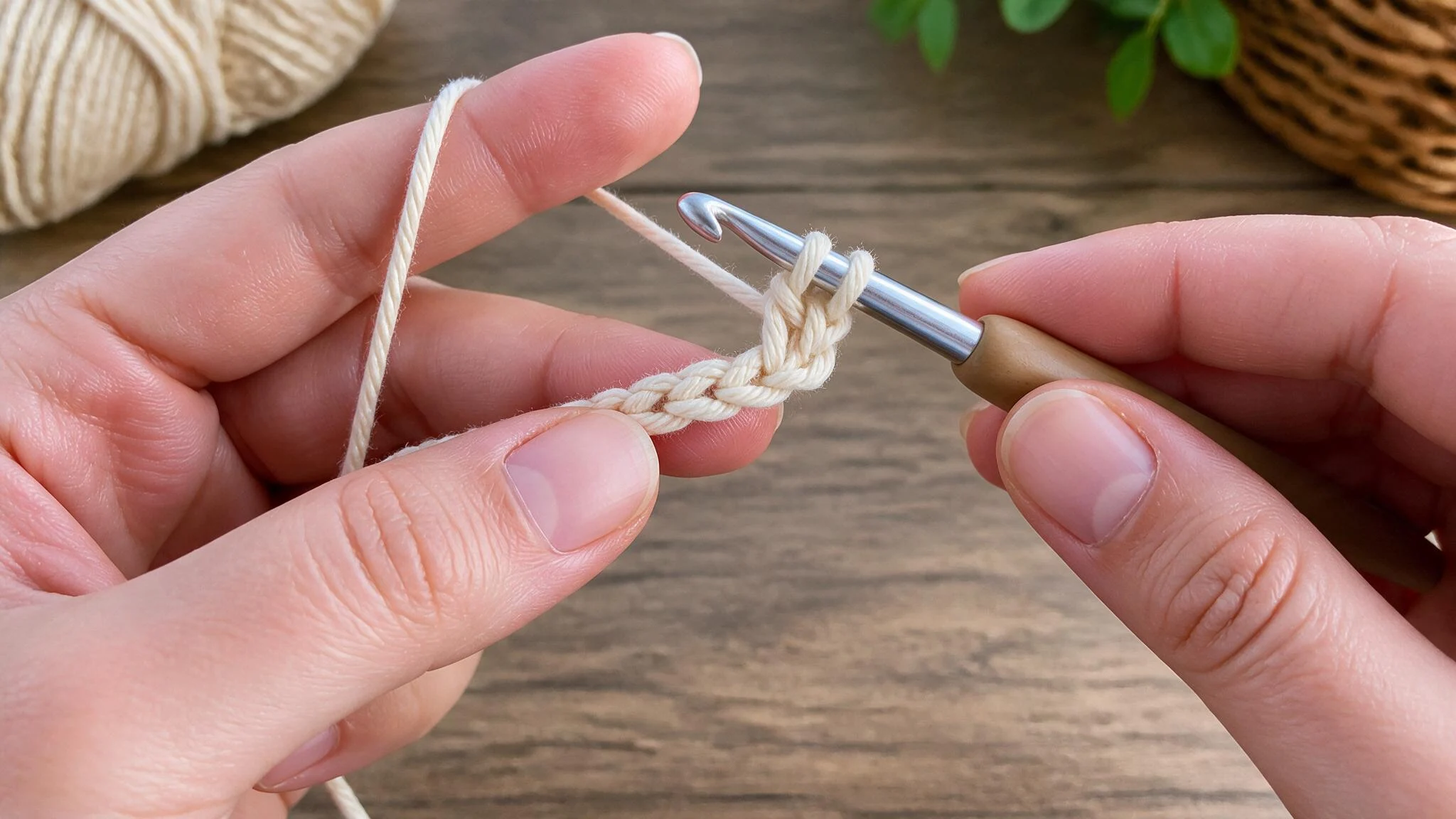
Begin by forming the foundation chain. Create three additional chains. These will serve as the first stitch of the row.
Be careful with the count, and don’t forget it; an incorrect chain count can ruin your entire project.
Step 2: Yarn Over the Hook
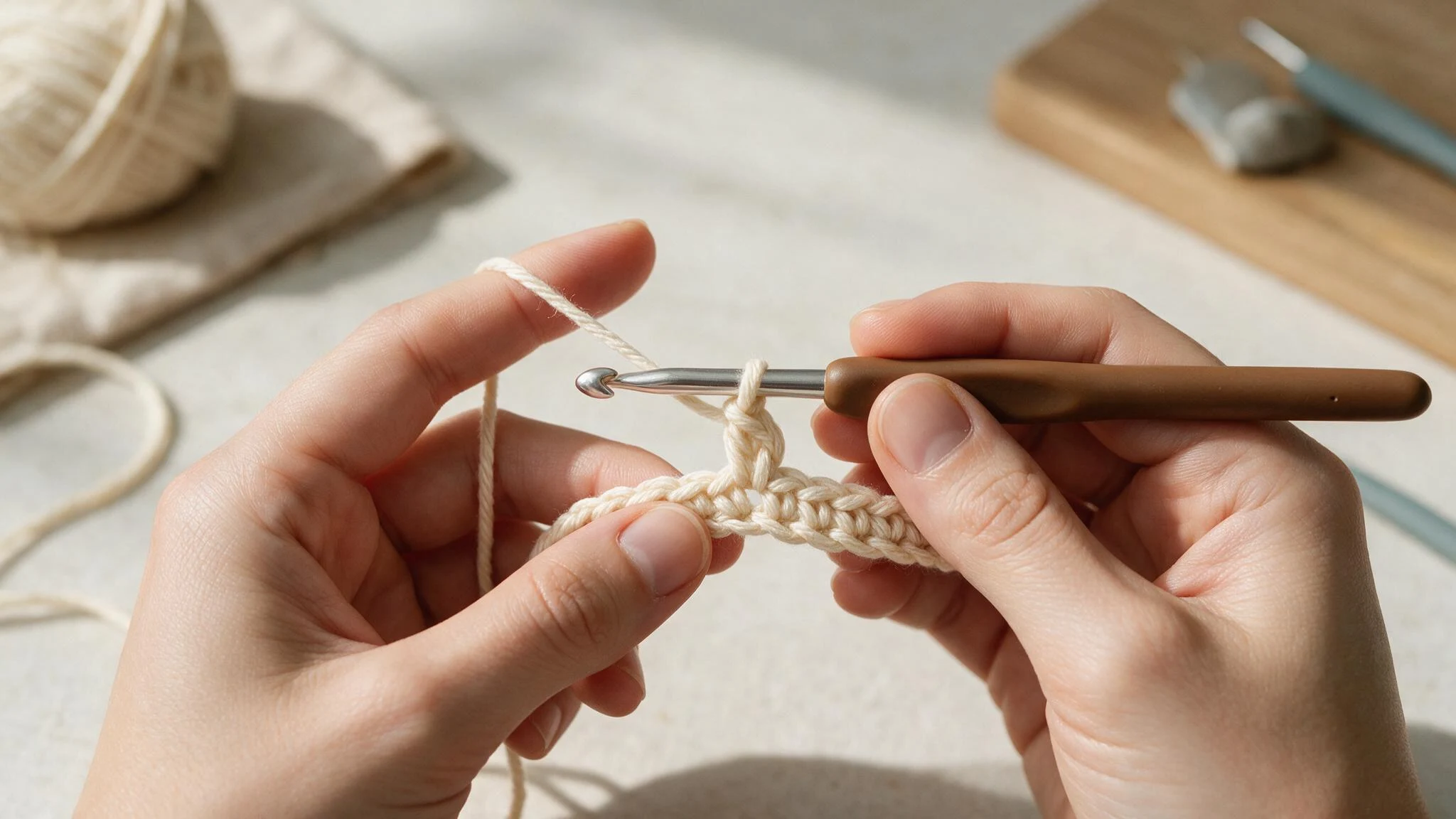
To create a double crochet, it is necessary to wrap the yarn around the hook once before inserting it into the stitch.
This step determines how high the double crochet will be. If you forget about it and skip the step, you’ll get a single crochet.
Step 3: Insert Your Hook
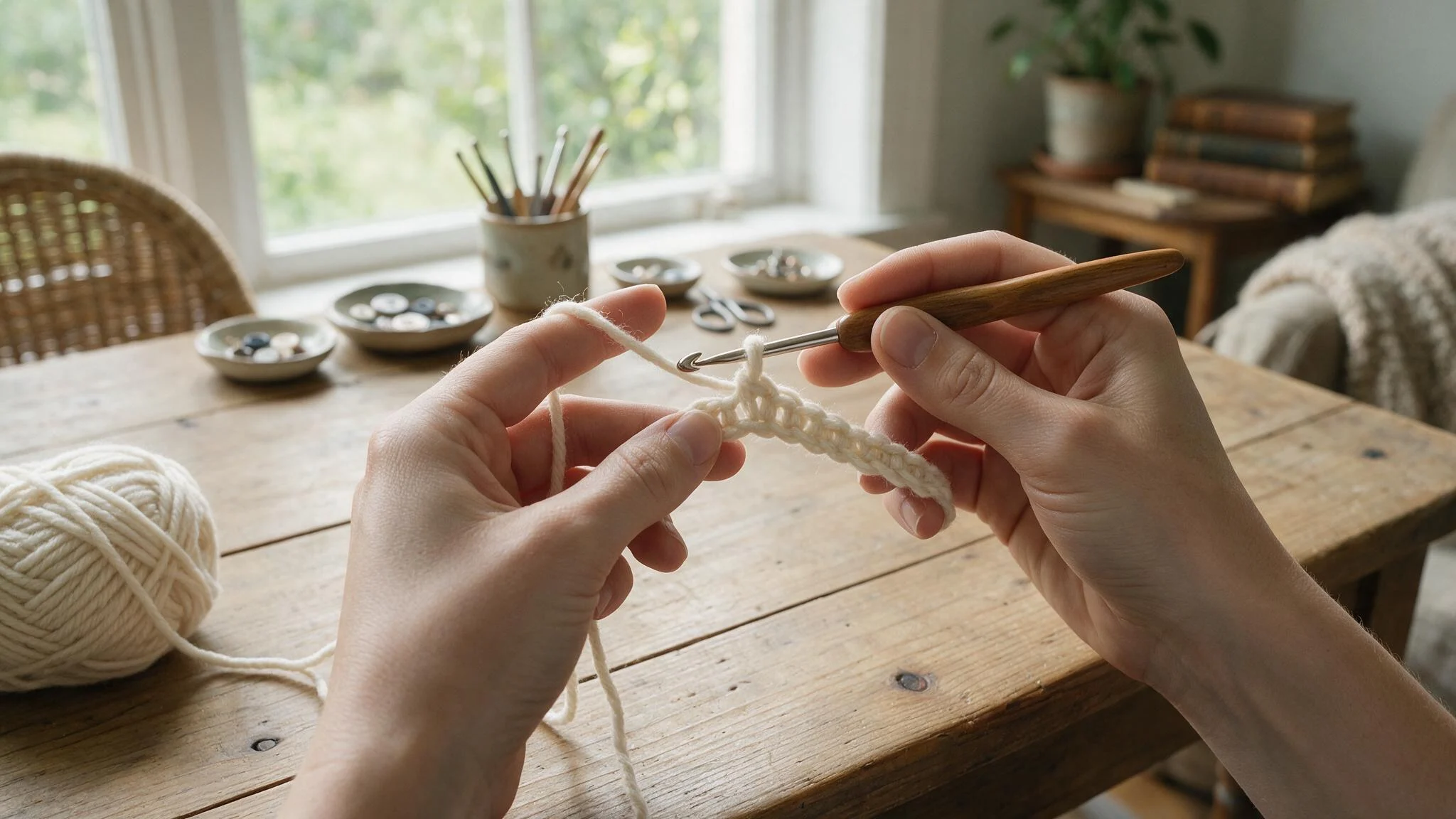
Add the hook to the fourth chain from the hook, or the next stitch in your row.
The hook should go through both loops of the stitch. It will create a firm base for future actions.
Step 4: Pull Up a Loop
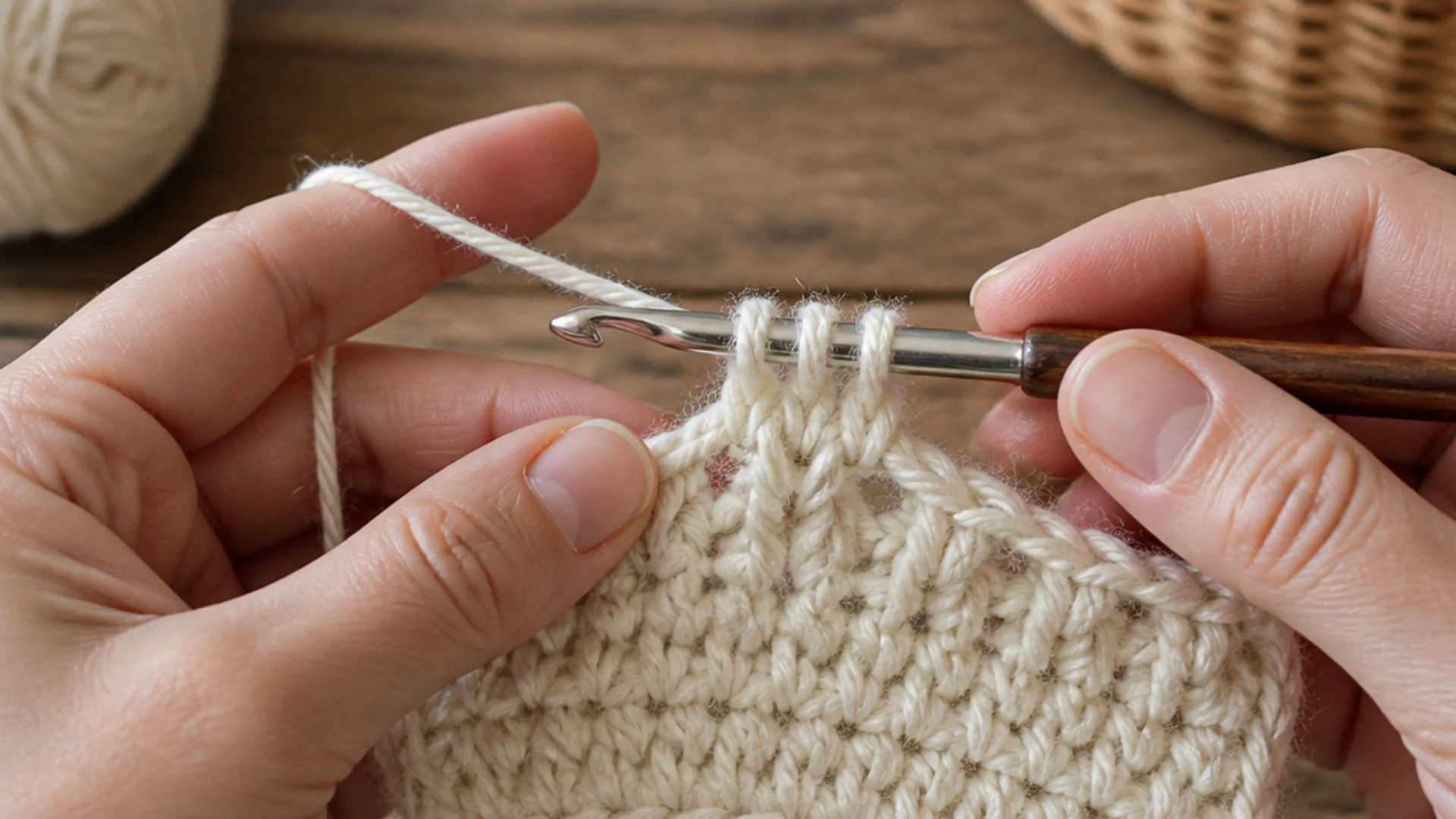
Now yarn over and pull the yarn through the stitch to draw up a new loop. You should have three loops on your hook now: the original loop, the yarn over from Step 2, and this new loop.
This is an important step since you have done half of the stitch at this point. Pause and make sure the loops are evenly distributed before proceeding.
Step 5: Yarn Over Again
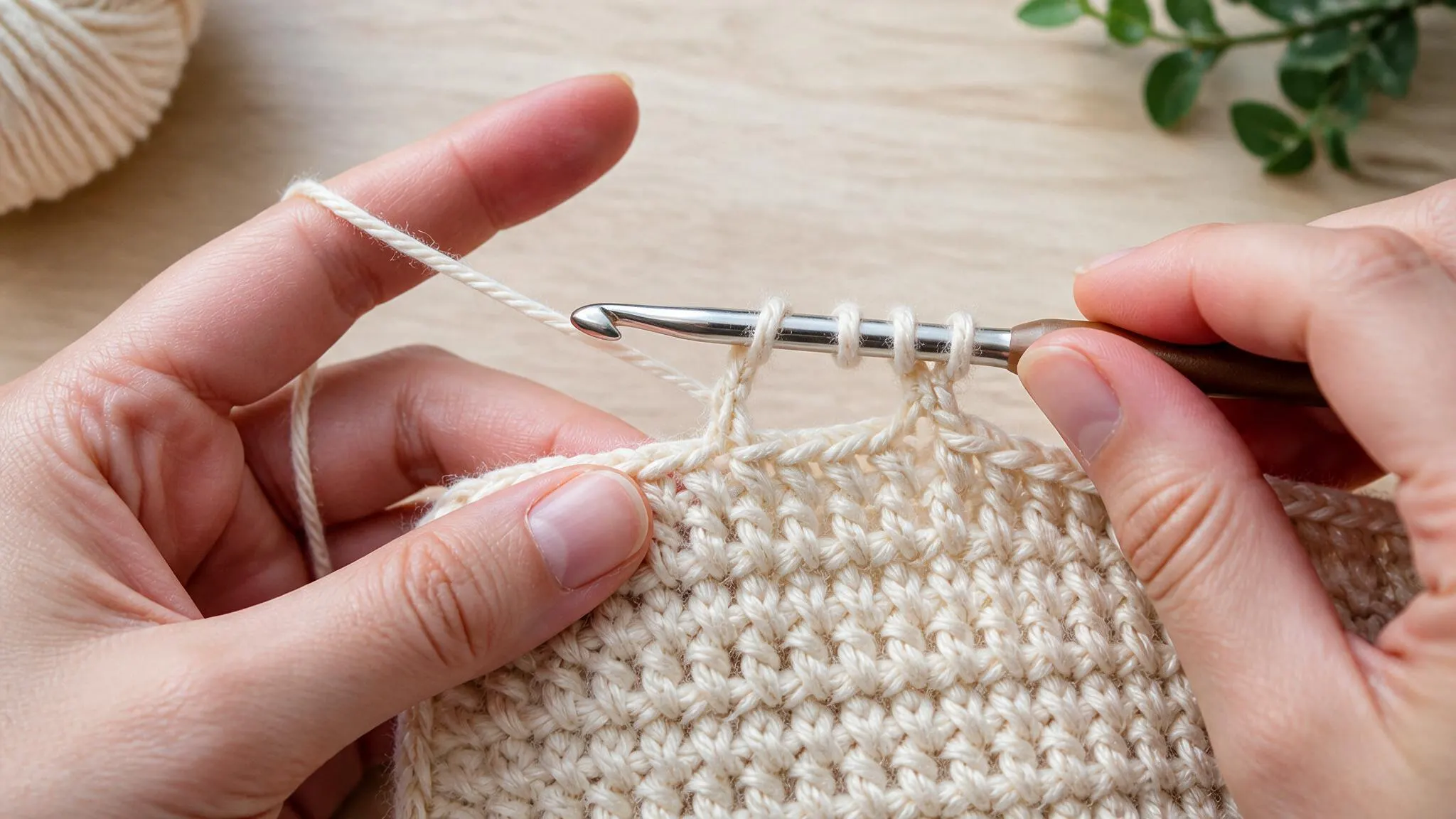
Now, yarn over again. This step is necessary to prepare the hook for further work within the process of making the stitches.
Make sure that your tension is consistent, and don’t pull the yarn too tight. The more you practice, the easier it becomes.
Step 6: Pull Through Two Loops
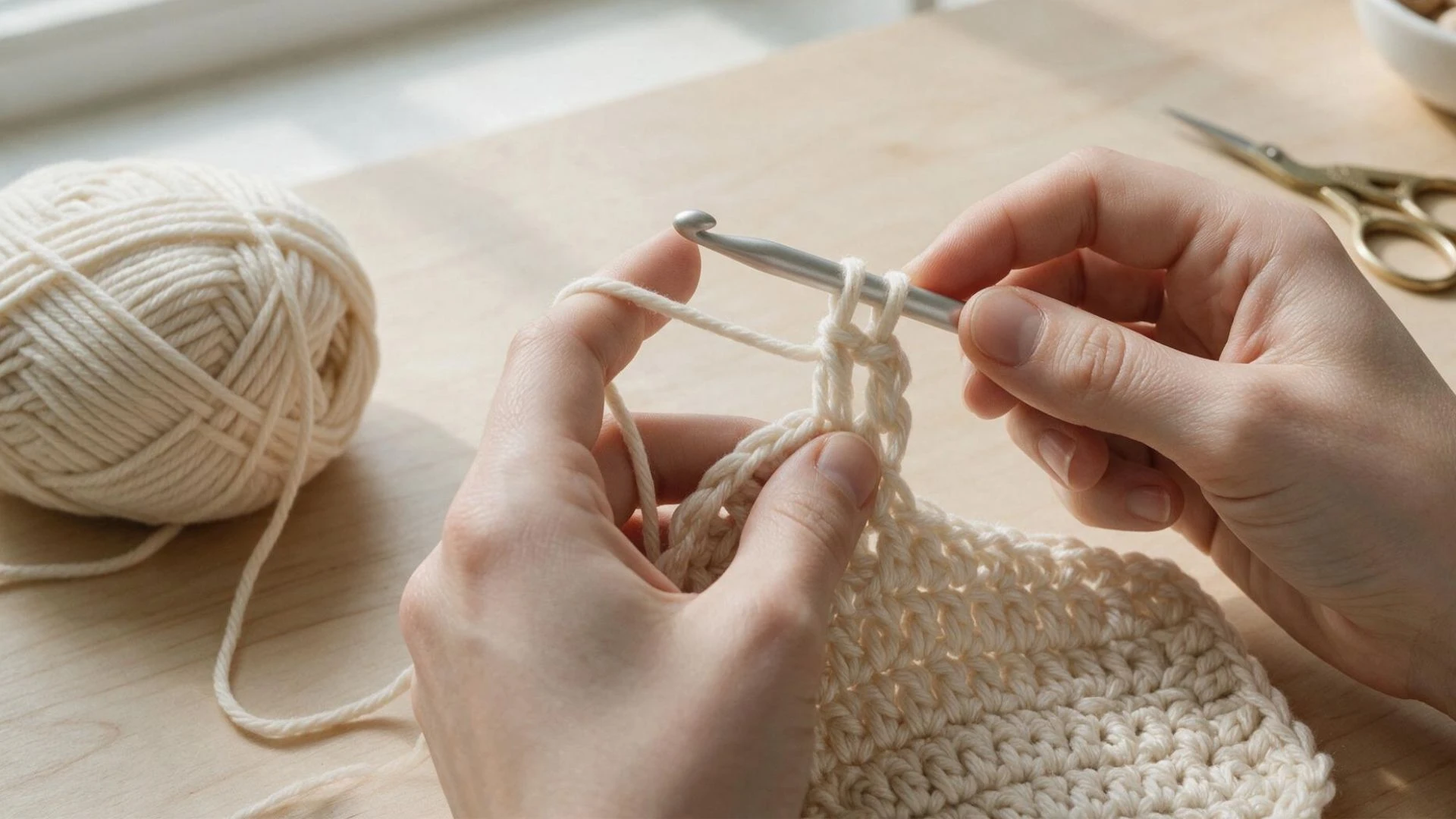
Pull the yarn through the first two loops on the hook. At this point, you should have two loops left.
It is important that you take the time to execute this action properly. This step is closer to the end of creating the stitch.
Step 7: Finish the Double Crochet
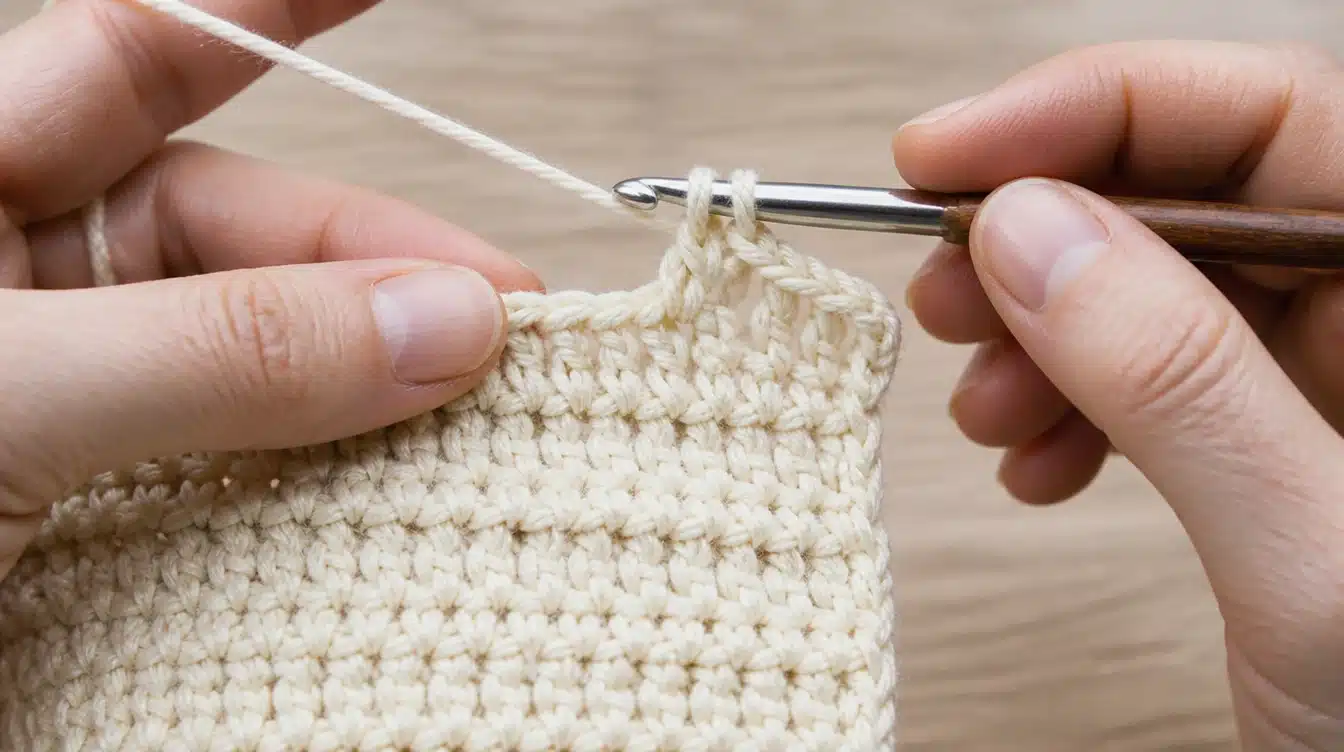
Again, yarn over and pull the yarn through the last two loops. In this way, you have completed the first stitch.
You can repeat the same sequence of actions along the row. The more often you practice crocheting, the better stitches you will be able to make.
What Size Hook Works Best for Double Crochet?
The right size hook is essential when learning the double crochet technique. An undersized hook creates a tight, difficult stitch.
A hook that is too large leaves the fabric loose and floppy. Most beginners find success somewhere in the middle range.
The appropriate hook size depends on the yarn weight used in the project. Generally, worsted-weight yarn is the best match with the medium hook.
It is important to read the yarn label to quickly get the right hook size.
- 4mm hook (G/6): Works well for lighter projects like dishcloths or amigurumi
- 4.5mm hook (H/8): A common size and a good starting point for beginners
- 5mm hook (H/8 or I/9): Suits worsted weight yarn and most blanket patterns
- 5.5mm hook (I/9): Good for a slightly looser drape in scarves or shawls
Testing a small swatch before starting the full project helps confirm the hook size. If the stitches feel too tight, moving up half a size often solves the problem.
If they feel loose, moving down half a size usually helps. This small step saves time later and keeps the whole project looking neat.
How to Count Double Crochet Stitches?
Counting double crochet stitches helps keep your project in line. Skipping counting may result in uneven edges or an incorrect width of the finished piece.
Each crochet stitch has a little bump on the back and a V shape on top of it. You should look for the V shape so that you know where one stitch finishes and the next starts.
Count the V shapes in one row to get a correct number. Don’t count turning chain as a stitch unless it is indicated to do so in a pattern. A common mistake among beginners is counting turning chains as stitches.
Checking the stitch count after every row helps discover mistakes. This way, you can fix the issue sooner and get a neat-looking work in the end.
What Can You Make With Double Crochet Stitches?
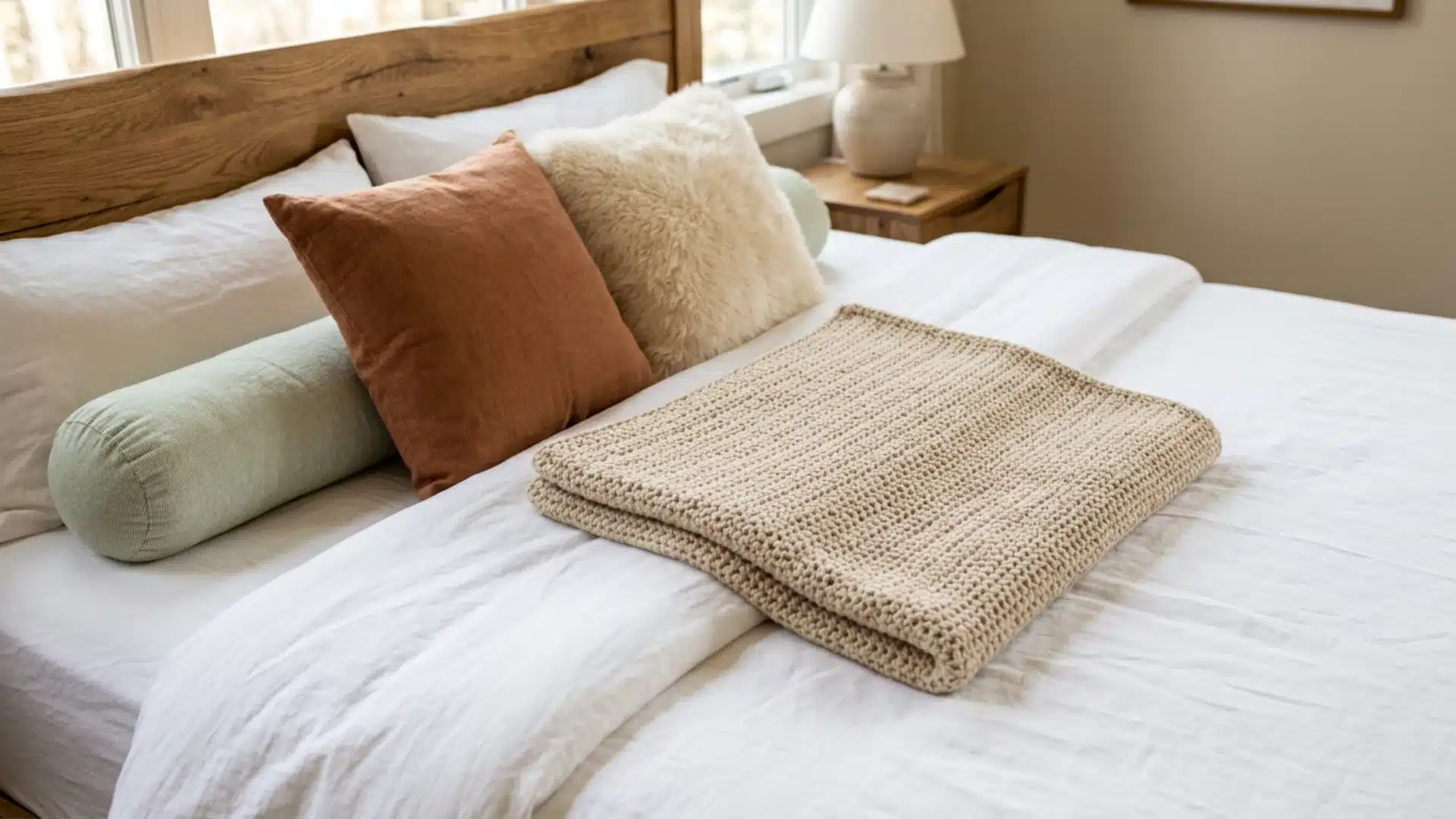
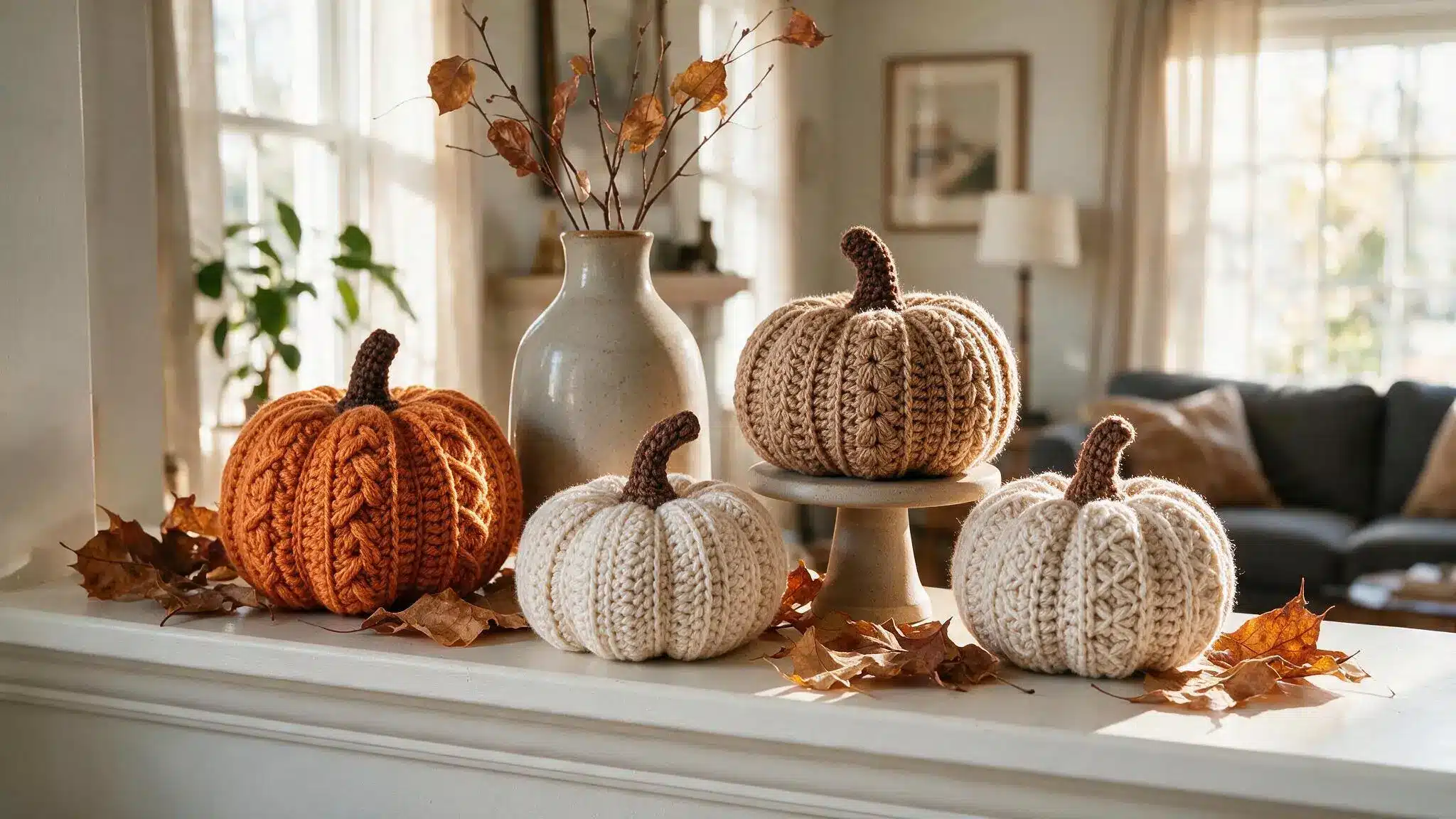
The double crochet stitch has many uses. Its height and nature make it a great pick for both novice and skilled crocheters. Once you learn this stitch, you can make many projects.
- Blankets and Throws: Double crochet makes the work fast, making it a good stitch to use for larger work.
- Scarves: This stitch naturally creates a soft drape.
- Hats and Beanies: Quick rows help finish these smaller projects sooner.
- Dishcloths and Washcloths: The sturdy nature of double crochet makes them strong enough for daily use.
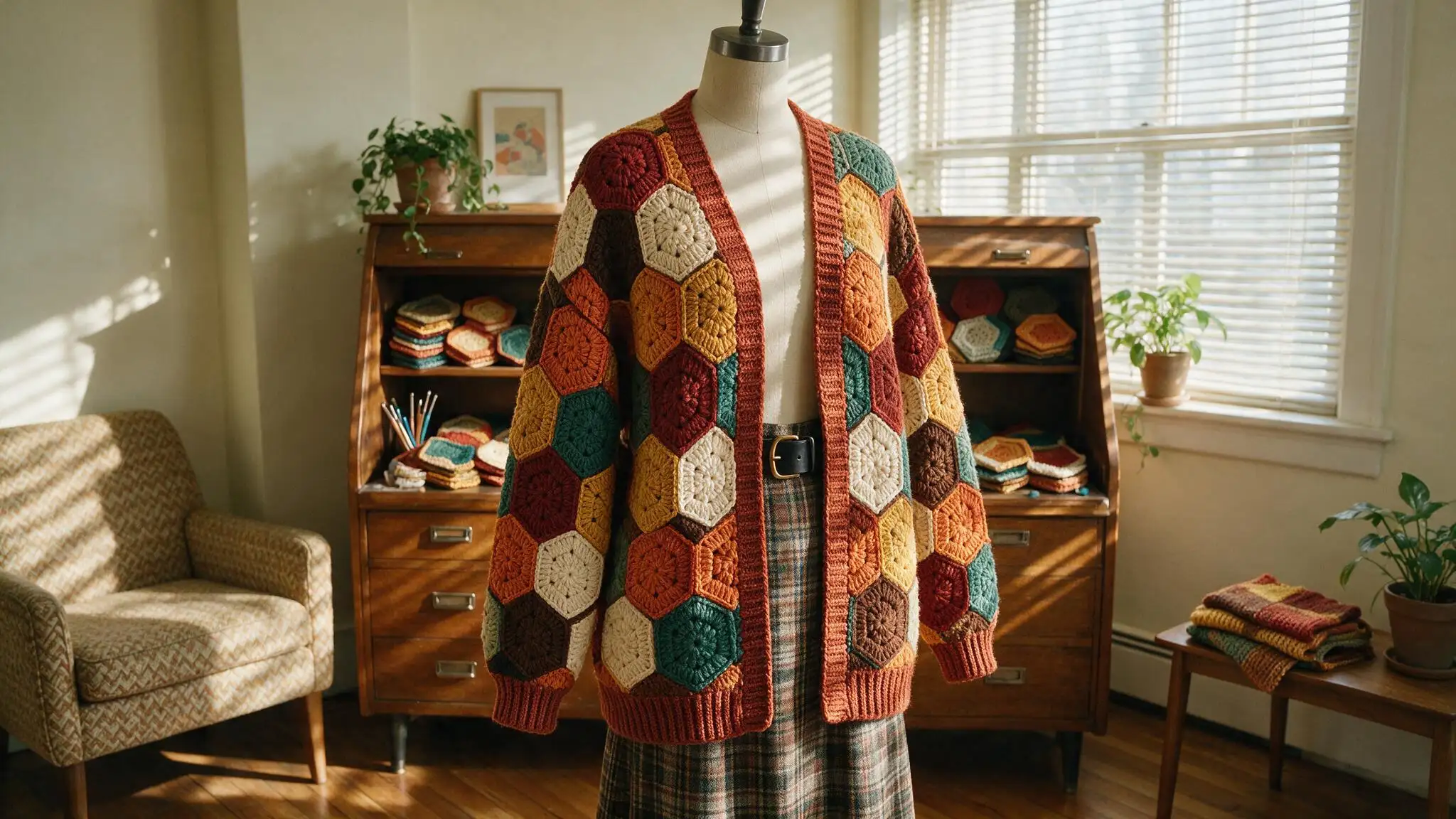
- Sweaters and Cardigans: The height of double crochet helps to give structure to the garment itself
- Bags and Totes: A firmer fabric holds shape well for storage items
- Amigurumi Accents: Some crocheters use it for edges or borders on stuffed toys
Double Crochet vs Single Crochet
The two commonly used stitches in crochet are double crochet and single crochet. The understanding of the differences will help the beginner learn how to pick the proper stitch.
| Feature | Double Crochet | Single Crochet |
|---|---|---|
| Height | Taller stitch | Shorter stitch |
| Speed | Works up faster | Takes more time |
| Texture | Looser, airier fabric | Tighter, denser fabric |
| Best for | Blankets, scarves, sweaters | Dishcloths, amigurumi, bags |
| Yarn overs needed | One yarn over before inserting hook | No yarn over before inserting hook |
| Loops on hook | Three loops at one point | Two loops at one point |
| Beginner difficulty | Slightly harder to learn | Easier for first-time crocheters |
Final Thoughts
Mastering the double crochet stitch will transform your approach to crocheting.
It can be applied to so many projects, from blankets to scarves, and can really boost the confidence of a beginner to tackle more challenging patterns in the future.
Initially, it may seem slow, but with practice, it quickly becomes a habit.
Choosing the right yarn and hook makes the whole process more manageable from the onset. Counting every stitch properly makes the process neater and more uniform.
As soon as you become comfortable with the double crochet stitch, it becomes much easier to progress to new techniques, as patience can get you far in this craft.
Frequently Asked Questions (FAQs)
1. How Many Chains Do You Need for Double Crochet?
Add three extra chains to your foundation chain before starting the row. These act as the first double crochet stitch.
2. Why Does Double Crochet Look Uneven?
Uneven stitches usually come from inconsistent tension while pulling the yarn. Try to keep your grip steady across each row you work.
3. How Many Chains Do I Need to Start a Double Crochet Row?
Add three extra chains at the start of your row. This counts as your first stitch for that row.