Trends move quickly in interiors. One year it is cool chrome and sharp minimalism; the next, everything softens into warmer tones, textured surfaces, and heritage details. That constant churn can make even a simple hardware choice feel oddly high-stakes. Yet some materials seem to stay relevant no matter how many style cycles pass. Brass is one of them.
Door handles are easy to overlook when planning a room, but they are among the most frequently touched and visually repeated details in a home. A handle appears in every doorway, ties together finishes across multiple rooms, and subtly shapes how polished a space feels. When you choose brass, you are not just choosing a metal. You are choosing longevity, versatility, and a finish that tends to look better with age rather than worse.
Brass Has What Most Trend-Led Finishes Lack: Staying Power
There is a reason brass has remained a fixture in both traditional and contemporary interiors for centuries. It sits in that rare middle ground between decorative and practical. Unlike finishes that can feel dated once a trend peaks, brass adapts. It works in Georgian townhouses, modern apartments, country kitchens, and pared-back new builds without looking like an afterthought.
Part of its appeal comes from tone. Brass brings warmth to a room in a way that stainless steel and polished chrome often do not. That warmth matters more than many homeowners realise. It can balance out stone, timber, painted cabinetry, and neutral walls, giving a space a more layered and inviting feel.
It Adds Character Without Overwhelming the Room
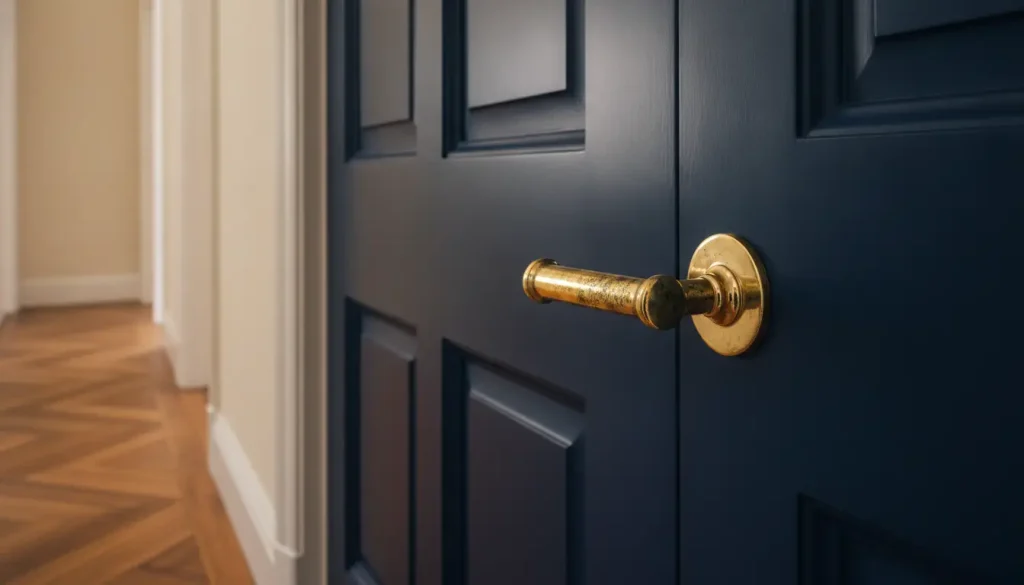
A well-designed brass handle does not need to shout. In fact, its strength is often in how quietly it elevates everything around it. On a deep navy door, brass looks rich and grounded. Against white or greige walls, it reads crisp but not cold. Paired with walnut, oak, or painted woodwork, it introduces depth and a sense of finish.
This is one of the reasons designers often return to brass when they want an interior to feel current now and still coherent five or ten years from today. It is expressive enough to matter, restrained enough to endure.
The Best Design Investments Are the Ones You Use Every Day
People often think of “investment pieces” as large purchases: flooring, kitchen cabinetry, a sofa that anchors the room. But smaller fixed details can offer just as much long-term value, especially when they are used constantly. Door handles are touched dozens of times a day. If they feel flimsy, tarnish badly, or fall out of step with the rest of the house, you notice it.
Brass stands out here because it combines appearance with substance. Quality brass hardware tends to feel weightier in the hand, and that tactile difference contributes to the overall perception of quality in a home. It is not just about aesthetics; it is about the experience of living with the material.
For anyone comparing finishes, it is worth looking at examples of warm metallic finish interior handles in real settings, because context makes the case more clearly than trend forecasts ever could. Brass has a way of connecting architectural details, lighting, and joinery so the whole room feels more resolved.
Brass Ages With Dignity
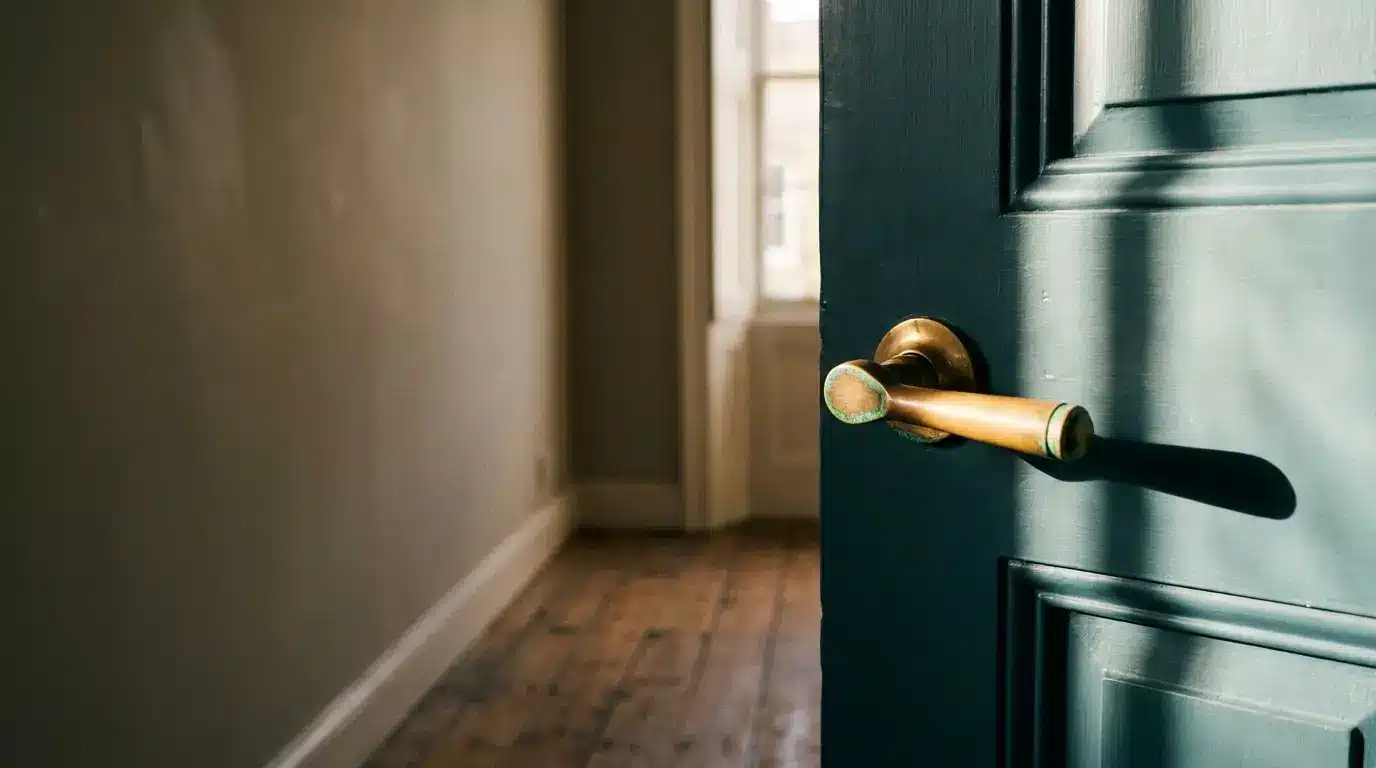
One of the biggest advantages of brass is that wear often enhances it. Some finishes show every mark and quickly look tired. Brass, particularly unlacquered or living finishes, develops a patina that many people actively seek out. Instead of appearing damaged, it gains nuance.
That makes brass especially suitable for busy family homes, period renovations, and spaces where a little lived-in texture is part of the appeal. Even polished brass versions, when properly maintained, tend to retain a timeless decorative quality that does not feel disposable.
It Works Across Styles, Which Protects Your Future Choices
A smart interiors investment should not lock you into one narrow design direction. Brass is valuable precisely because it remains flexible as your taste evolves.
In Traditional Homes
In older properties, brass feels historically at home. It echoes the language of heritage architecture, working naturally with panelled doors, cornicing, fireplaces, and darker timber tones. It can help restoration projects feel authentic rather than overly modernised.
In Contemporary Spaces
In newer interiors, brass can soften clean lines and introduce contrast. A flat-fronted kitchen, a minimalist hallway, or a monochrome palette can all benefit from a warmer metal. The result is often less clinical and more considered.
In Transitional Interiors
This may be where brass shines most. Homes today rarely fit neatly into one category. Many people mix old and new, pairing vintage furniture with modern lighting or classic mouldings with simple contemporary paint colours. Brass handles bridge those combinations effortlessly.
Durability Matters More Than People Expect
Style is only half the story. The other half is performance. A beautiful finish that chips, loosens, or needs constant replacing is not an investment; it is a recurring expense.
When sourced well, brass hardware is known for durability. It resists corrosion effectively, which makes it particularly practical in humid environments or homes with fluctuating temperatures. That durability can translate into fewer replacements over time, lower maintenance headaches, and a better return on the initial spend.
Here is where brass often proves its value most clearly:
- it tends to withstand daily wear better than many lightweight alternatives
- it can often be restored or polished rather than replaced
- it suits both high-traffic family homes and more formal interiors
- it retains visual appeal even as other decorative choices change
That combination of resilience and adaptability is difficult to match.
Small Details Influence Perceived Value
There is also a broader design principle at work: people notice consistency, even when they cannot immediately explain why a space feels finished. Matching or thoughtfully coordinated hardware creates that sense of cohesion. It tells the eye that the room has been planned, not pieced together.
For homeowners renovating with resale in mind, this matters. Buyers may not call out the door handles specifically, but they respond to the cumulative effect of quality details. Brass can contribute to that impression of permanence and care, which is exactly what good design investment should do.
Final Thoughts
Brass door handles are not the flashiest decision you will make in a renovation, but they may be one of the wisest. They bring warmth, wear beautifully, suit a wide range of interior styles, and stand up to everyday life better than many trend-driven alternatives.
In a market full of finishes designed to catch the eye for a moment, brass offers something more useful: long-term relevance. And when a design choice continues to look right year after year, that is what real value looks like.