Natural Texture Is Doing the Heavy Lifting
A coastal home should feel easy. Not empty. Not overly polished. Easy.
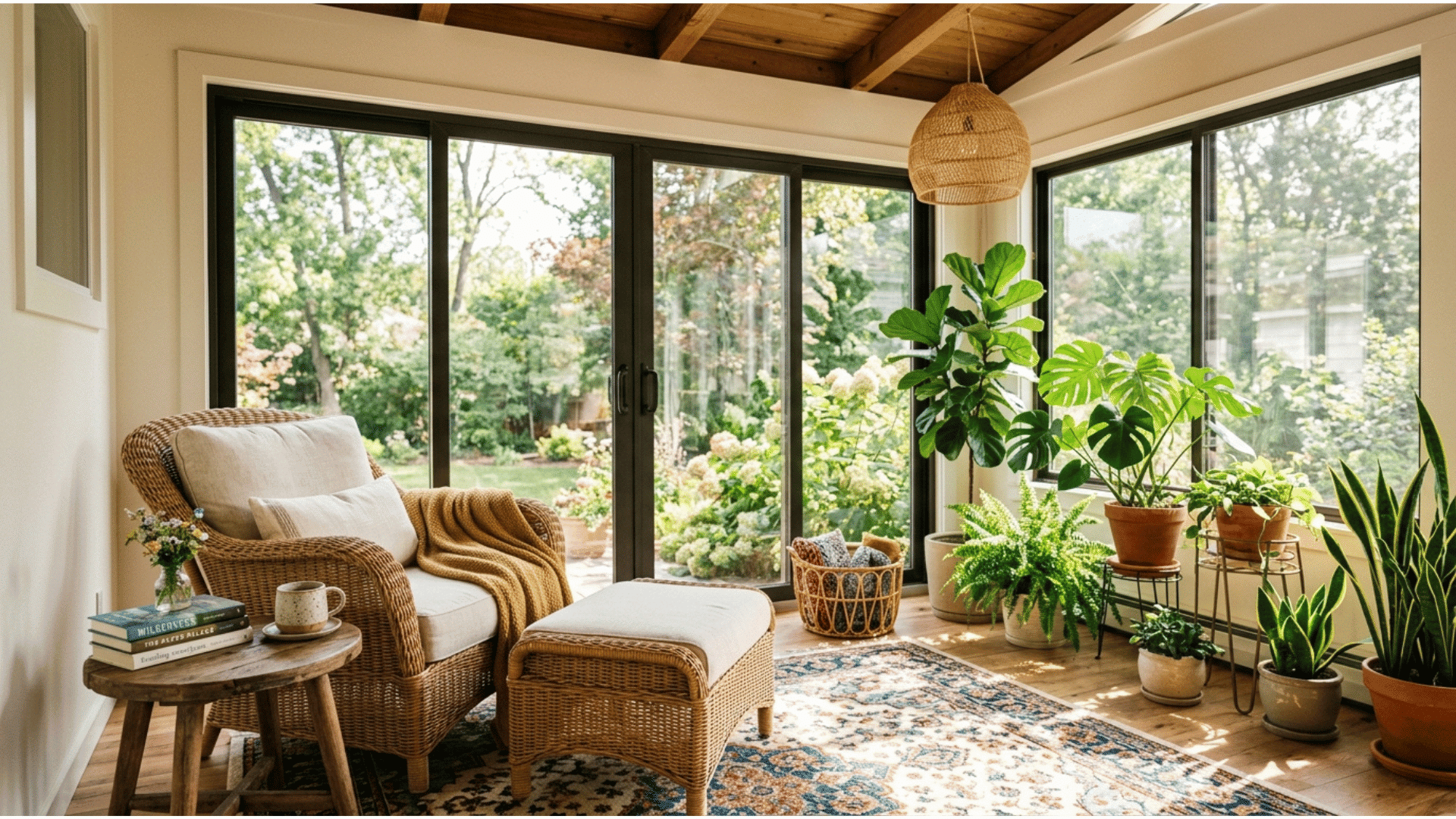
That’s why natural texture has become such a big part of coastal renovations. Timber, linen, rattan, stone, limewash, ceramic, and woven details all help a room feel relaxed without looking bare. They add the sort of warmth that plain white walls can’t always carry on their own.
There’s a fine line between coastal and “souvenir shop by the sea.” Once every cushion has a shell on it, the room starts to feel like it’s trying too hard. A better approach is quieter. A pale oak table. A jute rug. A stone bowl on the kitchen counter. Linen curtains that move a little when the window is open.
Simple things.
In Queensland, where the Sunshine Coast has mastered that relaxed holiday-home feeling, the calm interiors seen in Noosa beachfront accommodation often show how coastal style works best: soft colors, open rooms, practical surfaces, and views that get to be the main event.
Open Layouts Need Boundaries
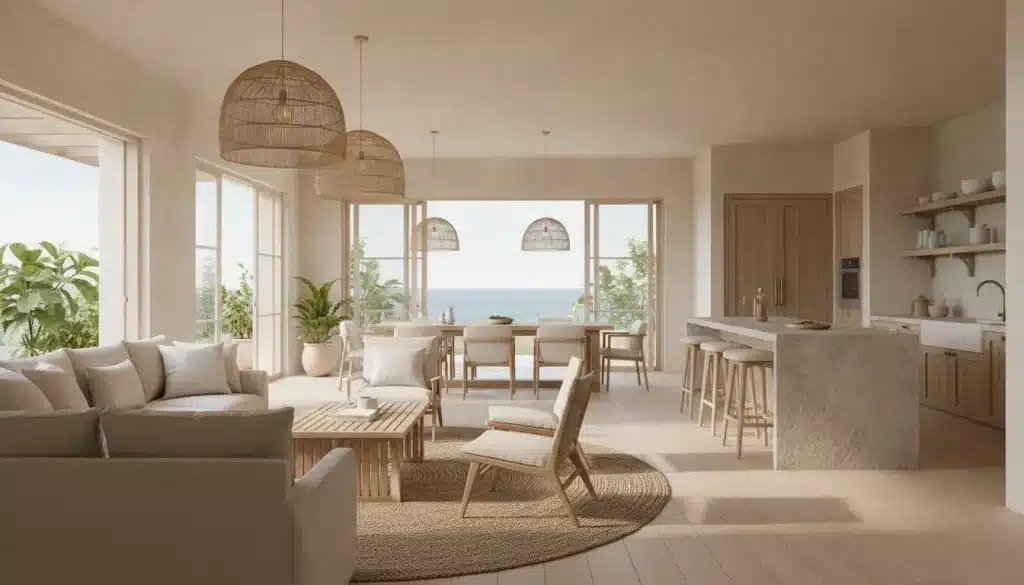
Open-plan living still suits coastal homes beautifully. It lets the breeze move through. It makes small homes feel bigger. It keeps the kitchen, dining, and lounge areas connected, which is helpful when people gather and nobody wants to miss the conversation.
But one huge room can get messy fast.
The better trend now is open-plan living with soft zones. A rug under the lounge area. Pendant lights over the dining table. A kitchen island that gives the cook a little breathing room. These choices don’t close the space off, but they do give each area a job.
Ever walked into an open room and wondered where to sit? That’s the problem. Pretty rooms still need direction. The eye likes knowing where things begin and end.
A coastal home should feel loose, but not random.
Kitchens Are Getting More Practical
Coastal kitchens used to lean hard into white cabinetry, pale counters, and maybe a blue splash of color. That still works, but today’s best kitchens are warmer and more useful.
Shaker cabinets are still popular for a reason. They look timeless. They suit farmhouse, coastal, cottage, and modern homes without making a fuss. Warm white, pale gray, soft sage, muted blue, and natural timber all fit the look nicely.
Storage matters more than almost anything. Deep drawers beat low cupboards every time. A pull-out pantry can save a small kitchen. Hidden bins are a gift. And easy-clean backsplashes? Essential. Especially when someone makes tomato sauce and suddenly the wall looks like it fought back.
Open shelving can be beautiful, but it needs restraint. A few mugs, stacked plates, and glass jars look charming. A lifetime of mismatched water bottles does not need a spotlight.
Indoor-Outdoor Living Has to Be Comfortable
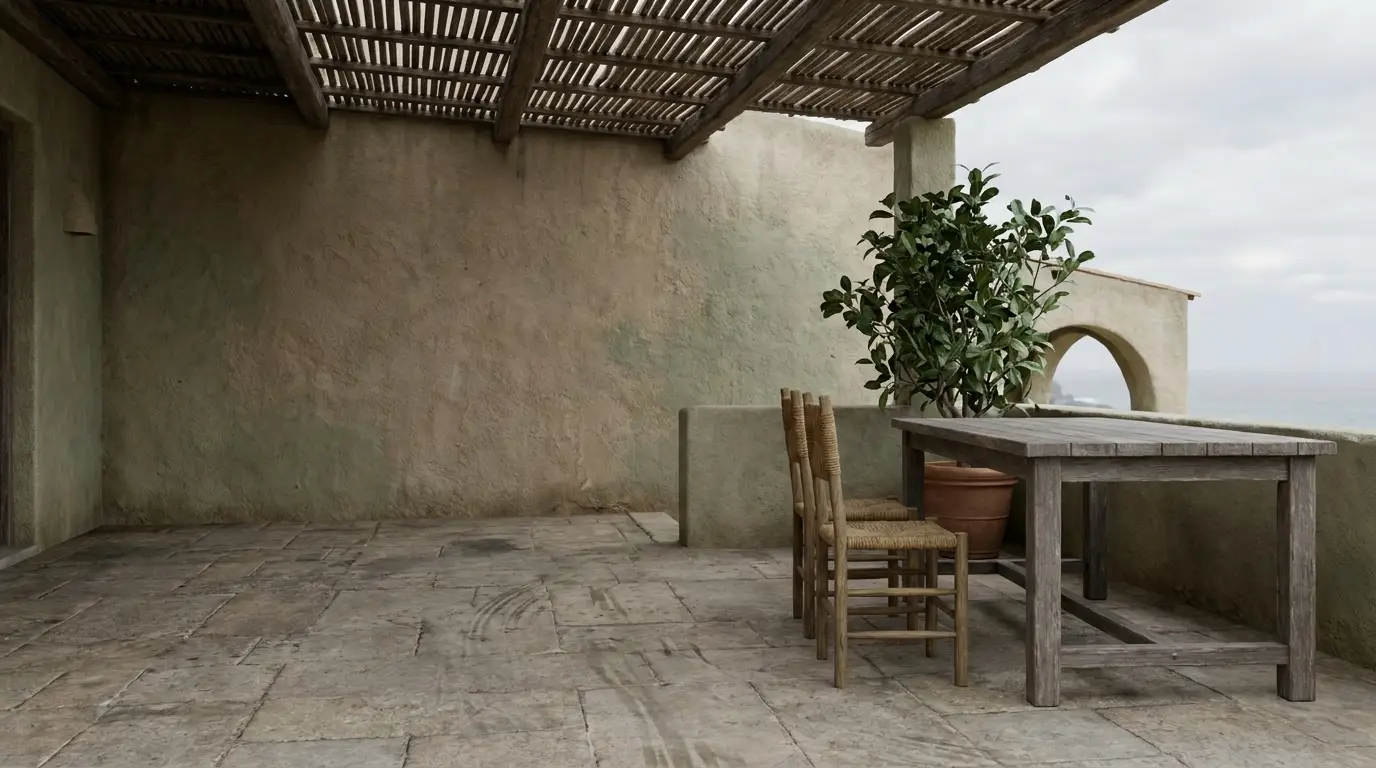
A coastal renovation should make it easy to move outside. That doesn’t mean every home needs a giant deck or sliding glass walls. Sometimes the best upgrade is smaller: a shaded patio, wider doors, better outdoor lighting, or flooring that visually connects the inside with the outside.
Comfort is the part people forget.
Outdoor chairs should feel good, not just photograph well. Tables should handle sunscreen, drinks, snacks, and a little chaos. Cushions need washable covers. Plants should suit the climate. A coastal home deals with sun, salt, humidity, wind, and sand, so fragile finishes don’t always last.
Covered outdoor spaces are especially useful. They become breakfast spots, reading corners, overflow dining rooms, or somewhere to sit after rinsing off from the beach. Add a few potted herbs or a big leafy plant and the whole area starts to feel lived in.
Not staged. Lived in.
That’s the goal.
Bathrooms Are Warmer Now
The all-white coastal bathroom had its moment. It looked clean, bright, and fresh. It also sometimes felt a bit cold, like nobody was allowed to touch anything.
Now, bathrooms are getting softer. Handmade-style tiles. Timber vanities. Brushed brass or matte black fixtures. Curved mirrors. Warm lighting. Small details that make the room feel more like a retreat and less like a showroom.
Function still comes first, though. Always.
Good ventilation matters in coastal homes because humidity loves trouble. Storage matters too. Towels, skincare, sunscreen, hair dryers, cleaning products, spare soap, and all the other bathroom bits need somewhere to go. A bathroom with no storage will not stay calm for long.
Walk-in showers are a smart choice where space allows. They feel open and make cleaning easier. Built-in niches keep bottles off the floor. Large-format tiles mean fewer grout lines, and honestly, fewer grout lines deserve applause.
Sometimes Renovation Isn’t Enough
Some coastal homes only need a lighter touch. New paint. Better flooring. A smarter kitchen layout. Maybe a bathroom that no longer looks trapped in 1998.
Other homes need a bigger decision.
When the structure is tired, the layout doesn’t work, or the cost of fixing everything keeps climbing, homeowners may start looking at the knock down rebuild process as a more practical way to create a coastal home that suits modern living from the ground up.
It’s not always the easy choice. It can feel emotional, especially when an older home has charm. A front porch, original timber floors, old windows, or a slightly odd hallway can hold a lot of personality. New homes have to earn that feeling.
Still, starting fresh can solve problems that paint never will. Better airflow. Stronger materials. More natural light. Safer wiring. Proper insulation. Storage where storage is actually needed. That last one may not sound exciting, but anyone who has lived with one tiny linen closet knows the pain.
Coastal Color Is Getting Softer
White will always belong in coastal homes, but warmer shades are taking over. Cream, sand, oatmeal, clay, driftwood, misty green, pale blue, and stone all feel softer than stark white.
These colors work because they don’t fight the landscape. They sit quietly beside ocean views, garden greenery, timber furniture, and natural light. They also make a room feel more forgiving. A warm neutral wall can handle a busy family home better than a cold white one.
Darker accents still have a place. Navy on a vanity. Charcoal on exterior trim. Olive on a laundry cabinet. A little contrast gives the room shape.
Just don’t overdo it. Coastal style needs space to breathe.
Hidden Storage Makes the Home Feel Calm
The most beautiful coastal home can still fall apart if there’s nowhere to put the mess. Beach towels, sandals, hats, dog leads, sports gear, shopping bags, garden tools, and the mysterious pile that somehow appears near every doorway all need a home.
Built-in benches are brilliant near entries. So are hooks, baskets, mudroom cabinets, under-stair drawers, and window seats with storage inside. These details don’t always get the most attention in renovation planning, but they change daily life.
A calm home usually isn’t a home with less stuff. It’s a home with better places to put it.
That’s the renovation trend worth keeping.