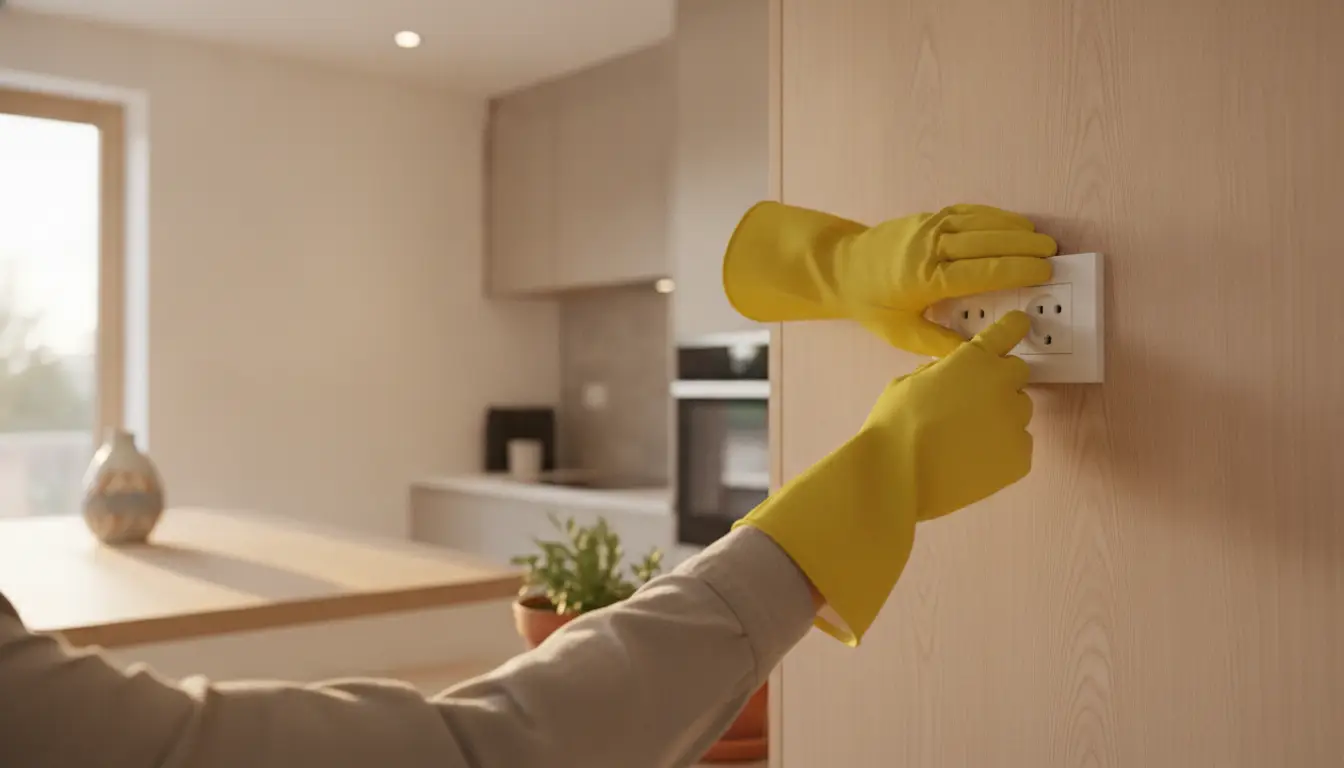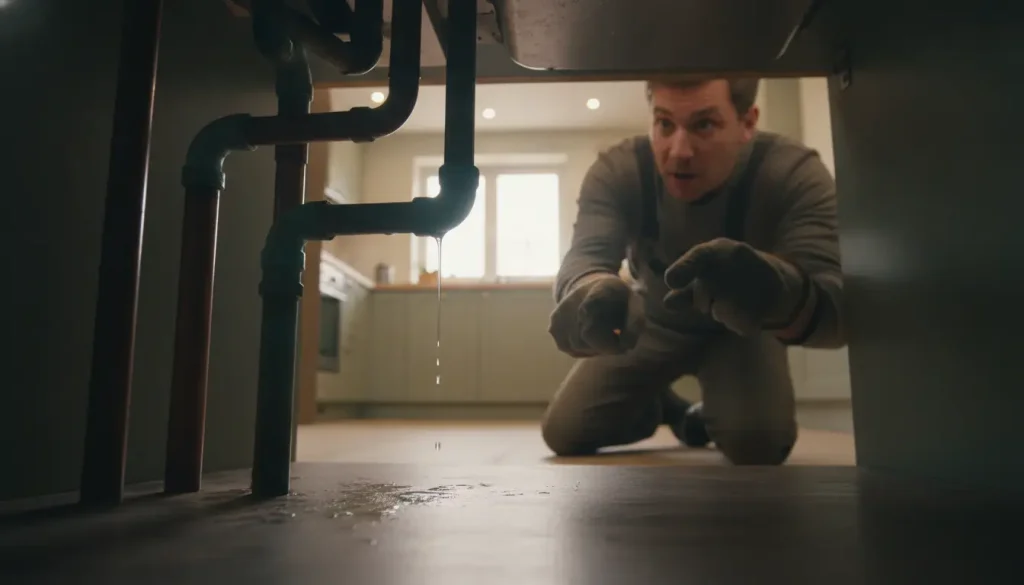
Water damage rarely announces itself. A slow drip behind a wall or a cracked hose bib can sit unnoticed for months. By the time you see a stain on the ceiling, the real damage is already done. Prevention is cheaper than repair, and it starts with knowing where water actually gets in.
Where Water Damage Actually Starts
Most homeowners picture storms and floods. In reality, the bulk of water damage comes from inside the house. Plumbing failures, appliance leaks, and roof gaps cause far more claims than weather does.
Common entry points include:
- Supply lines behind washing machines and dishwashers
- Water heater tanks past their rated lifespan
- Toilet wax rings and shutoff valves
- Roof flashing around chimneys and vents
- Window and door seals that have dried out
- Foundation cracks that let groundwater seep in
Each of these fails quietly. A pinhole leak in a supply line can run for weeks before anyone notices the swelling in the subfloor.
The Real Cost of a Water Damage Claim
The numbers make the case for prevention on their own. The average homeowners insurance payout for a water damage or freezing claim runs close to $13,954, based on data from the Insurance Information Institute. That figure covers repairs only. It does not include the deductible, the time without use of a room, or the premium increase that often follows a claim.
Because these losses are so frequent, the restoration industry has grown fast. Homeowners increasingly rely on specialized crews instead of general contractors for extraction and drying. That demand has pushed more people to look into the business side of it too, including researching restoration franchise investment costsbefore deciding whether to open a location themselves. It is a sign of how large this niche has become, and why qualified restoration help is easier to find than it used to be.
Preventive Maintenance That Actually Works
Most water damage prevention is unglamorous. It is checking things on a schedule, not waiting for a problem to show up.
A basic maintenance routine should include:
- Inspect supply hoses on appliances every six months and replace any that show cracking or bulging
- Flush the water heater annually to clear sediment buildup
- Test the sump pump before the rainy season with a bucket of water
- Clear gutters twice a year so water moves away from the foundation
- Check caulking around tubs, showers, and sinks for gaps
- Know where your main water shutoff valve is located
None of these tasks take more than twenty minutes. Together, they close off the paths water uses to get into a structure.
Grading and Drainage Matter More Than People Think
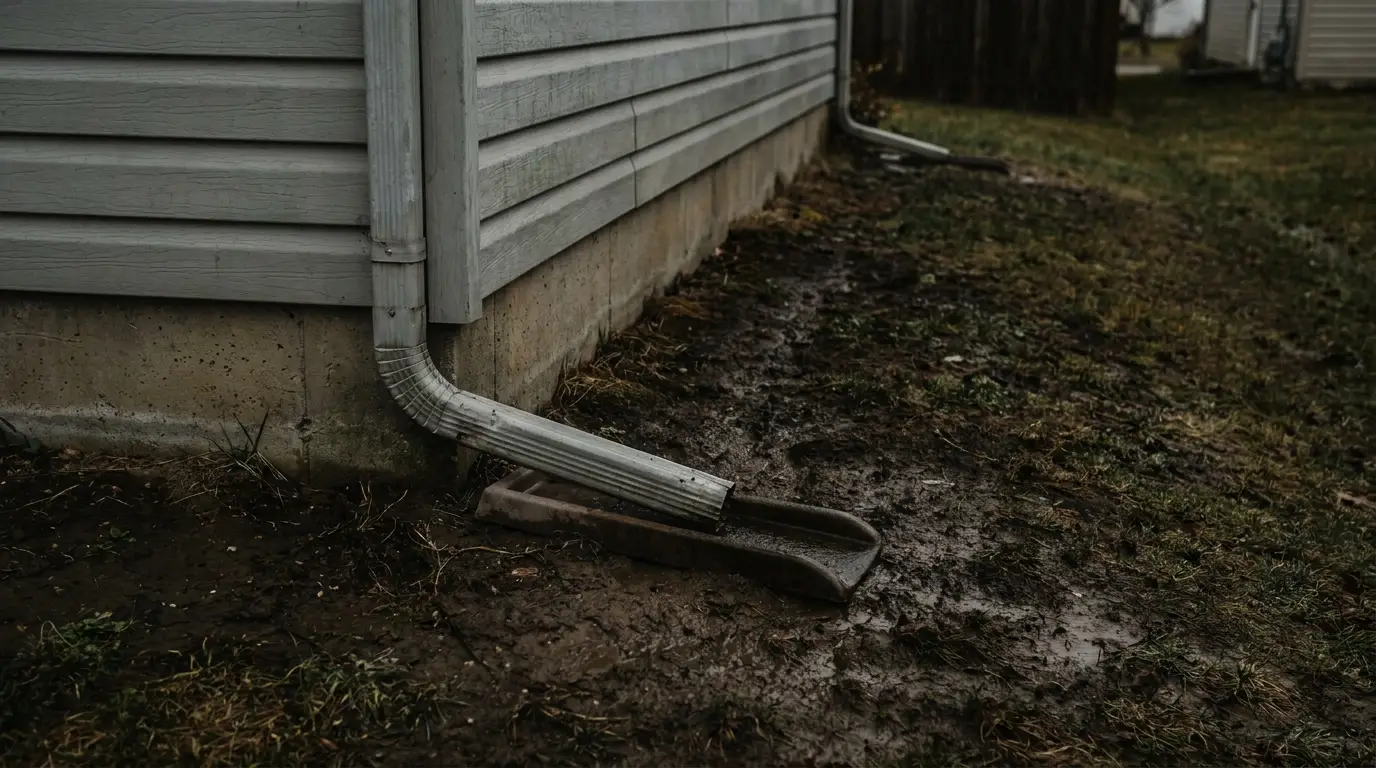
Soil that slopes toward the house is one of the most overlooked causes of water intrusion. Water needs to move away from the foundation, not pool against it. A grade of at least six inches of drop over the first ten feet from the house is a reasonable target. Downspouts should extend far enough to carry water past that zone entirely, not just dump it at the base of the wall.
Acting Fast When Water Gets In
Speed determines how bad the damage gets. The EPA notes that mold can begin forming on wet materials within 24 to 48 hours. That window is what separates a minor repair from a full remediation job.
If you find water intrusion, shut off the source first. Pull out anything porous that got wet, including carpet padding and drywall insulation. Run fans and a dehumidifier immediately. Document everything with photos before you start cleanup, since insurers will ask for that record.
When to Call a Professional
Small leaks caught early are a DIY job. Anything involving standing water, contaminated water from a sewer backup, or damage behind walls needs a licensed restoration company. These crews use moisture meters and thermal imaging to find water that isn’t visible, which matters because hidden moisture is what leads to mold and structural rot later.
Water damage is one of those problems that rewards attention before it happens. A short list of maintenance checks, done consistently, costs far less than a single claim ever will.