Key Takeaways
- Temperature-sensitive freight requires planning around the product, temperature range, equipment, route, and delivery timeline.
- A complete freight request helps identify suitable refrigerated capacity and realistic pickup and delivery options.
- Tallgrass Freight Co. supports shipment coordination, carrier communication, tracking, and driver updates for sensitive loads.
- Early planning is especially valuable when seasonal demand, strict appointments, or time-critical product requirements are involved.
A temperature controlled freight request is not simply a request for a truck. It is a plan for moving goods that may be affected by heat, freezing, delays, extended dwell times, or changes in trailer conditions.
For food, flowers, medical supplies, consumer packaged goods, and other sensitive products, the shipment details must be clear before the freight reaches the loading dock.
Tallgrass Freight Co. helps businesses coordinate refrigerated transportation by matching shipment needs with appropriate carrier capacity, timing, equipment, tracking, and communication.
As a full-service logistics provider operating since 2012, the company can also help shippers connect temperature-controlled moves with truckload, LTL, expedited, rail, warehousing, and other freight services when a broader transportation plan is needed.
Why Temperature-Sensitive Freight Needs More Planning
Temperature control is only one part of a successful shipment. The product’s acceptable range, packaging, loading method, route length, pickup appointment, delivery appointment, and seasonal conditions can all influence the transportation plan.
A load that arrives late may face additional risk if it cannot be unloaded promptly or if the receiving facility has limited hours. Food shippers may also have sanitation and temperature-control responsibilities.
The FDA’s rules for safe transportation of human and animal food address suitable equipment, sanitary transportation operations, and adequate temperature controls for covered shipments.
Requirements vary by product and transaction, so shippers should communicate their specific handling expectations before a load is tendered.
Common Reasons for Added Attention
- Fresh produce and refrigerated foods can lose quality when conditions do not match product requirements.
- Frozen or freeze-sensitive goods may need protection from outside weather as well as trailer temperature.
- Medical and healthcare-related products may require defined handling procedures and documentation.
- Flowers, plants, seasonal items, and retail freight can have narrow delivery windows.
- Long-distance shipments may need more detailed planning for transit time, appointments, and communication.
What to Include in a Temperature Controlled Freight Request
Clear information gives Tallgrass Freight Co. a stronger starting point for evaluating carrier options and building a workable transportation plan. Before requesting a quote or capacity, gather details describing both the product and the movement.
- Commodity: Describe the product, including whether it is food, produce, medical freight, flowers, ingredients, packaged goods, or another sensitive item.
- Temperature requirements: State the required range or condition, such as refrigerated, frozen, heated, or protect-from-freeze.
- Freight specifications: Include weight, pallet count, dimensions, packaging, and loading method.
- Pickup details: Provide the city, state, date, appointment time, contact, and facility restrictions.
- Delivery details: Share the delivery city, date, receiving hours, appointment requirements, and contact information.
- Service needs: Identify whether the move is standard, expedited, time-critical, or subject to a fixed retail or production deadline.
- Special requirements: Note sanitation expectations, documentation needs, insurance considerations, security concerns, or other handling instructions.
How Tallgrass Freight Co. Matches Freight With Equipment
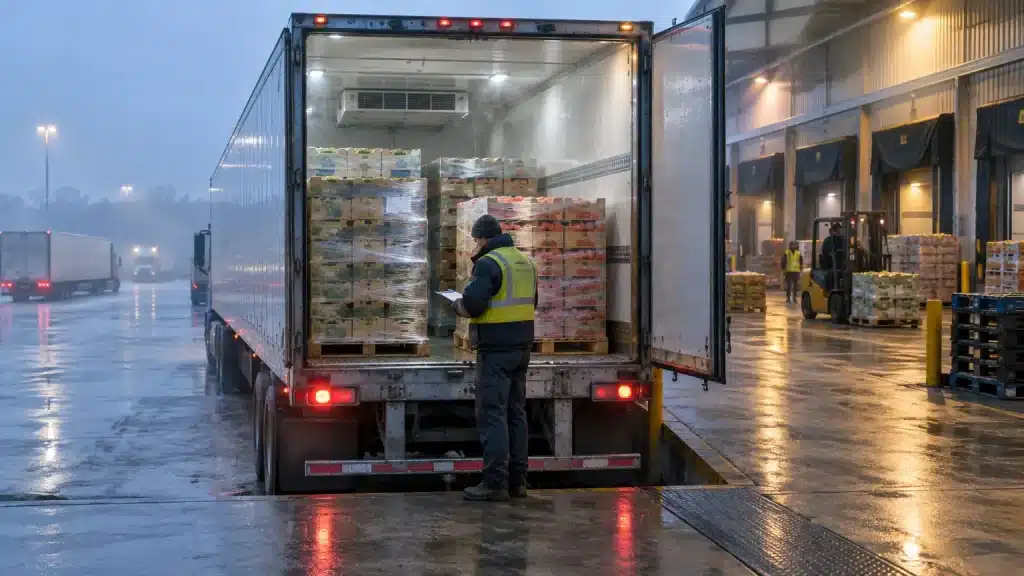
The right equipment depends on more than shipment size. Tallgrass Freight Co. evaluates the requested handling conditions alongside the route, timing, product sensitivity, and available capacity. Refrigerated trailers, often called reefers, are enclosed units designed to support temperature-managed transportation in hot and cold weather.
- Temperature range: The requested condition helps determine whether the shipment needs refrigerated equipment, frozen service, heat protection, or protection from freezing.
- Transit distance: Longer routes can require closer attention to timing, appointments, and possible disruptions.
- Product sensitivity: Loads with limited tolerance for delay or temperature variation need clear instructions and prompt communication.
- Facility schedules: Pickup and delivery appointments affect loading, unloading, and the amount of time freight remains in transit.
- Seasonal demand: Refrigerated capacity may be more competitive during produce seasons, holidays, and other high-volume periods.

Protecting Sensitive Freight During Transit
Once a shipment is moving, visibility matters. Tallgrass Freight Co. supports temperature-controlled transportation with shipment tracking, monitoring, carrier coordination, and regular driver updates. This gives shippers a clearer view of progress and establishes a communication channel if timing, routing, or equipment concerns require attention. For highly controlled products, records and response procedures can be important. For example, CDC guidance for vaccine handling emphasizes temperature monitoring, documentation, and corrective action when an out-of-range condition occurs. While every commodity has its own product requirements, that approach illustrates why shippers should define monitoring and escalation expectations before transportation begins.
Products That May Need Temperature-Controlled Transportation
Tallgrass Freight Co. can help coordinate transportation for a wide range of goods that require stable conditions or protection from temperature fluctuations. Common examples include:
- Fresh produce, refrigerated foods, frozen foods, and specialty ingredients.
- Grocery and consumer packaged goods.
- Medical supplies and temperature-sensitive healthcare products.
- Flowers, plants, and seasonal products.
- Freight that must be protected from winter freezing conditions.
- Products that require stable conditions during seasonal temperature swings.
The shipper should always provide the product specifications that govern the load. Tallgrass Freight Co. can coordinate logistics expertise and carrier resources, but the transportation plan must reflect the manufacturer’s, customer’s, or product owner’s stated handling requirements.
When to Request Refrigerated Capacity
Request capacity as soon as pickup and delivery dates are known. Early communication allows more time to review equipment needs, appointment constraints, carrier availability, and backup contacts.
This is particularly useful for freight moving during high-demand seasons or toward firm delivery deadlines. A practical request process is simple: confirm the commodity and temperature requirement, provide shipment dimensions and locations, identify appointments and special handling needs, then review the proposed equipment and schedule with the logistics team.
If the shipment is time-sensitive, share the deadline and escalation contacts at the outset.
Handling Delays and Temperature Risks
No logistics provider can remove every risk created by weather, traffic, equipment issues, facility congestion, or road disruptions.
The value of a coordinated freight plan lies in the ability to identify concerns early, communicate with relevant parties, and determine next steps based on product requirements.
When a problem occurs, Tallgrass Freight Co. can help coordinate updates among the shipper, carrier, and receiving facility. Depending on the situation, that may involve reviewing the cause of the delay, checking appointment options, documenting available shipment information, and following the shipper’s instructions for product-specific decisions.
Get Started With a Clear Freight Request
For temperature-sensitive freight, the best starting point is a complete request that explains what is moving, how it must be handled, where it is going, and when it must arrive. With those details in hand, Tallgrass Freight Co. can help build a transportation plan centered on suitable refrigerated capacity, shipment visibility, and responsive logistics support.
Conclusion
Successful temperature-controlled shipping begins with clear product requirements, suitable equipment, and a realistic transportation schedule.
By providing accurate shipment details, confirming pickup and delivery appointments, and communicating special handling needs early, businesses can better prepare for the challenges of moving temperature-sensitive goods.
Tallgrass Freight Co. helps coordinate refrigerated freight by selecting carriers, tracking shipments, providing driver updates, and maintaining communication throughout transit. Although weather, delays, and equipment issues can still occur, a well-planned process makes it easier to identify concerns and coordinate appropriate next steps.
With early preparation and reliable logistics support, businesses can manage sensitive shipments with greater visibility and confidence.