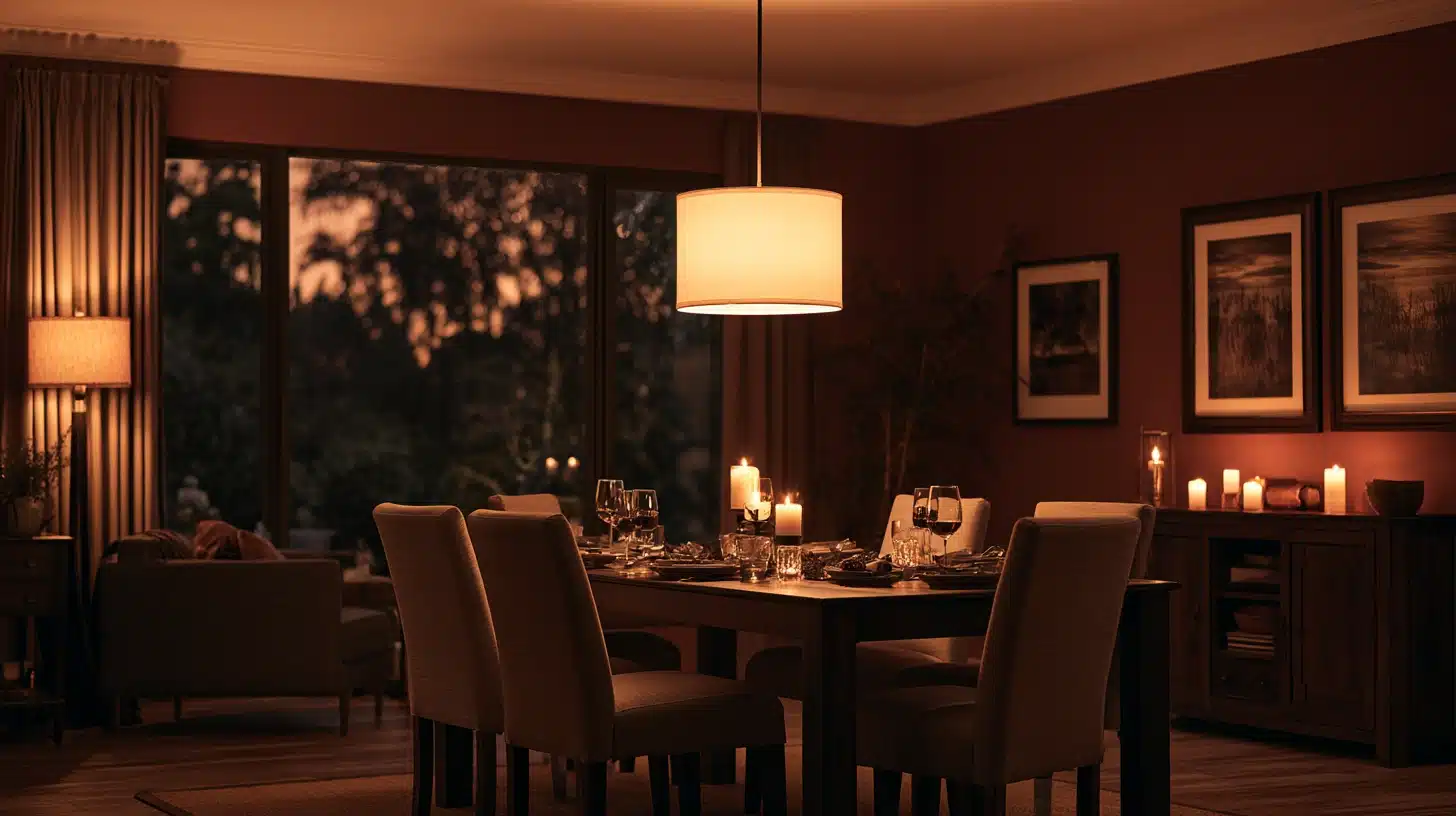
Mediterranean-style homes have long been a signature of Florida architecture, with their stucco walls, terracotta roofs, and arched doorways evoking the coastlines of Spain and Italy. But the exterior is only half the story. The interior color palette plays an equally important role in reinforcing that warm, old-world aesthetic while complementing Florida’s bright, sun-drenched climate.
Selecting the right interior paint colors for a Mediterranean home requires balancing tradition with practicality. Florida’s intense sunlight, high humidity, and coastal breezes all influence how colors read on your walls throughout the day. This guide walks through the foundational color families, room-by-room recommendations, and practical considerations to help homeowners create an authentic, cohesive Mediterranean interior that holds up beautifully in the Florida climate.
What Defines the Mediterranean Color Palette?
Mediterranean interiors draw inspiration from the natural landscapes of Southern Europe: sun-baked earth, olive groves, azure waters, and whitewashed villages. This translates into a palette built around three core categories:
- Warm neutrals: Terracotta, sand, ochre, and warm beige tones that mimic clay and stone
- Earthy accents: Olive green, burnt sienna, and deep rust that reflect the region’s hillsides and vineyards
- Coastal blues: Soft azure, teal, and deep cobalt that echo the Mediterranean Sea
These colors work together because they’re all derived from nature, giving every room a grounded, cohesive feel rather than a disjointed mix of trends.
Why These Colors Work Particularly Well in Florida
Florida’s climate and light conditions make it an especially good match for Mediterranean color schemes. Here’s why:
Natural Light Intensifies Warm Tones
Florida homes receive abundant natural light for much of the year. Warm neutrals and earthy tones tend to glow rather than overwhelm in this kind of light, whereas stark whites or cool grays can feel clinical or washed out.
Humidity-Friendly Finishes Are the Norm
Mediterranean palettes pair naturally with matte and eggshell finishes, which tend to perform well in Florida’s humid conditions by minimizing the appearance of moisture streaks compared to high-gloss alternatives.
The Colors Complement Existing Architectural Details
If your home already features terracotta tile, wrought iron fixtures, or wood beam ceilings, warm and earthy wall colors won’t compete with these elements. Instead, they’ll create a seamless visual flow from room to room.
Room-by-Room Color Recommendations
Living and Dining Rooms
These communal spaces benefit from warm, inviting tones that encourage gathering. Consider:
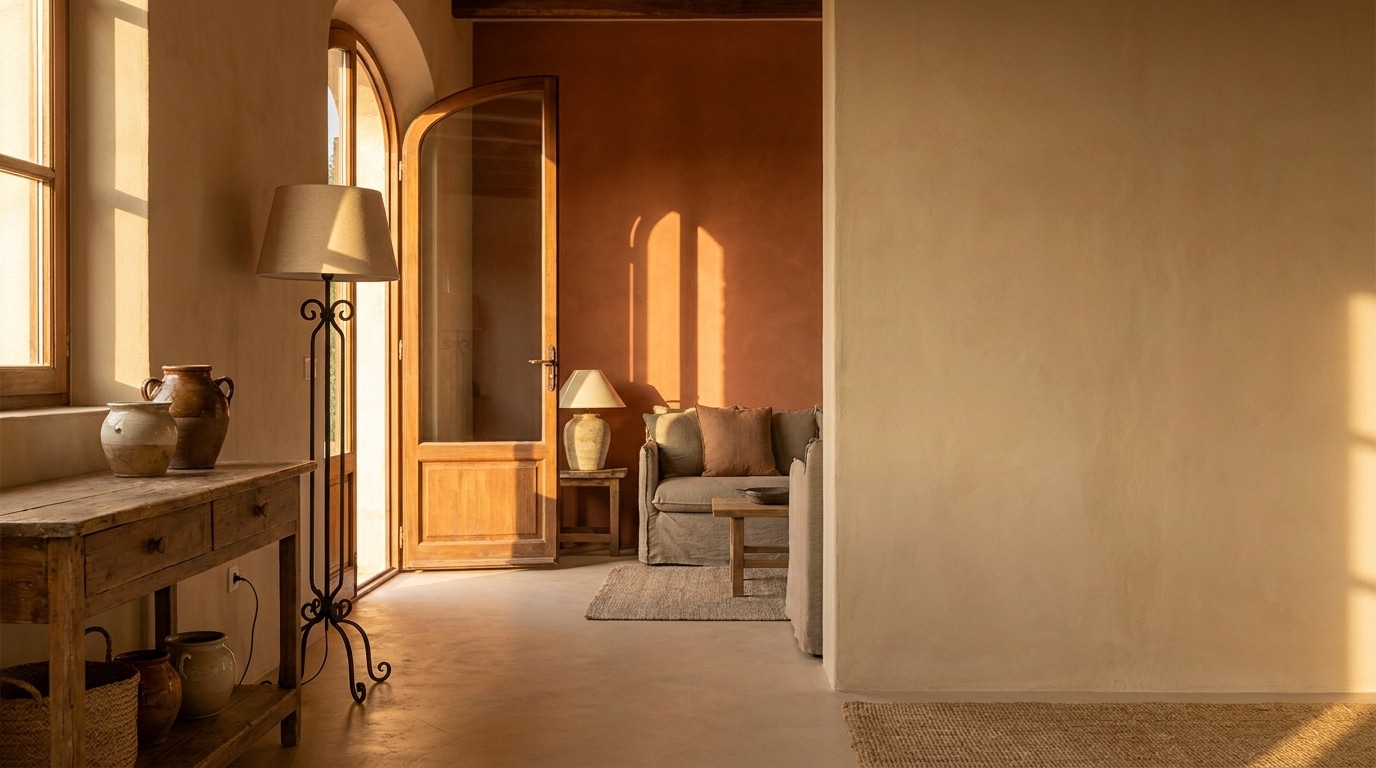
- Terracotta or burnt sienna for an accent wall near a fireplace or built-in shelving
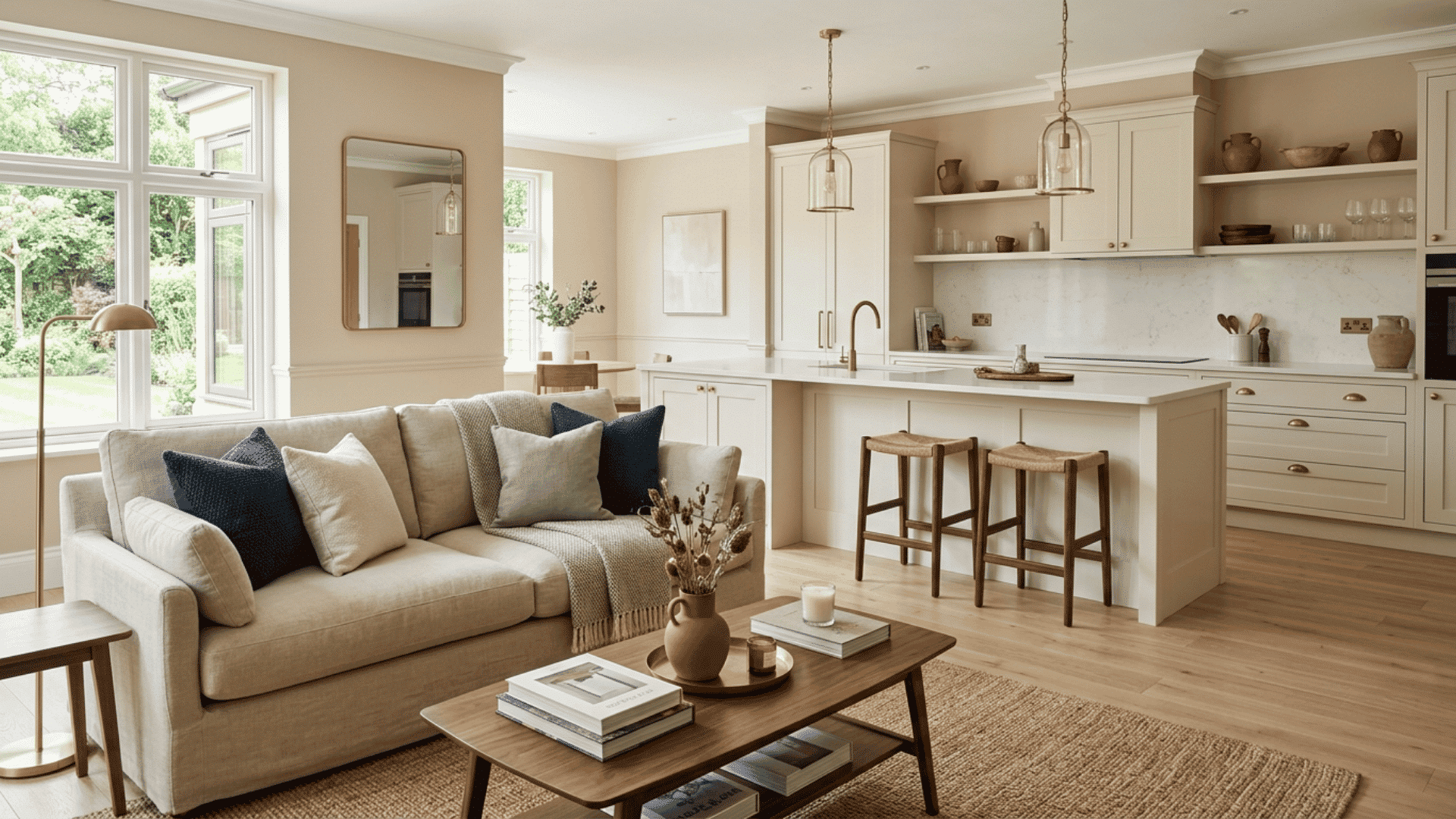
- Warm sand or wheat tones for the main walls, which pair well with wood furniture and wrought iron light fixtures
- Olive green as a secondary accent, particularly in rooms with large windows overlooking greenery
Pairing a warm neutral base with one bold accent wall keeps the space from feeling monochromatic while still honoring the Mediterranean aesthetic.
Kitchens in Mediterranean-style homes often serve as the heart of the house, deserving a palette that feels energetic yet timeless.
- Soft ochre or mustard tones work well alongside natural wood cabinetry and stone countertops
- Deep terracotta can anchor a kitchen island or lower cabinetry for contrast against lighter upper cabinets
- Cream or warm white ceilings help keep the space feeling open, especially in kitchens with lower ceiling heights
Bedrooms call for a more subdued, restful palette while still reflecting the home’s character.
- Muted terracotta or clay creates a cozy, grounded feel without overwhelming a smaller space
- Soft sage or olive offers a calming, nature-inspired alternative
- Warm taupe serves as a versatile neutral that works with both warm and cool bedding palettes
Bathrooms offer an opportunity to introduce the coastal blue element of the Mediterranean palette.
- Soft azure or seafoam pairs beautifully with white or cream tile work
- Deep cobalt as an accent on a vanity or lower half-wall adds a dramatic touch reminiscent of coastal Mediterranean towns
- Warm white remains a reliable choice for ceilings and trim, helping bathrooms feel bright and clean
Entryways and Hallways
First impressions matter, and entryways are an ideal place to set the tone for the rest of the home.
- Warm beige or sand creates a welcoming, neutral backdrop
- Terracotta accents on door frames or archways emphasize the home’s architectural curves
- Olive green runners or accent walls in longer hallways add visual interest without disrupting flow
Practical Considerations for Florida Homeowners
Account for Humidity and Moisture
Florida’s humidity can affect paint durability, particularly in kitchens, bathrooms, and rooms with poor ventilation. Choosing mold-resistant, moisture-tolerant paint formulas is especially important in these areas, regardless of the color chosen.
Test Colors Under Different Lighting Conditions
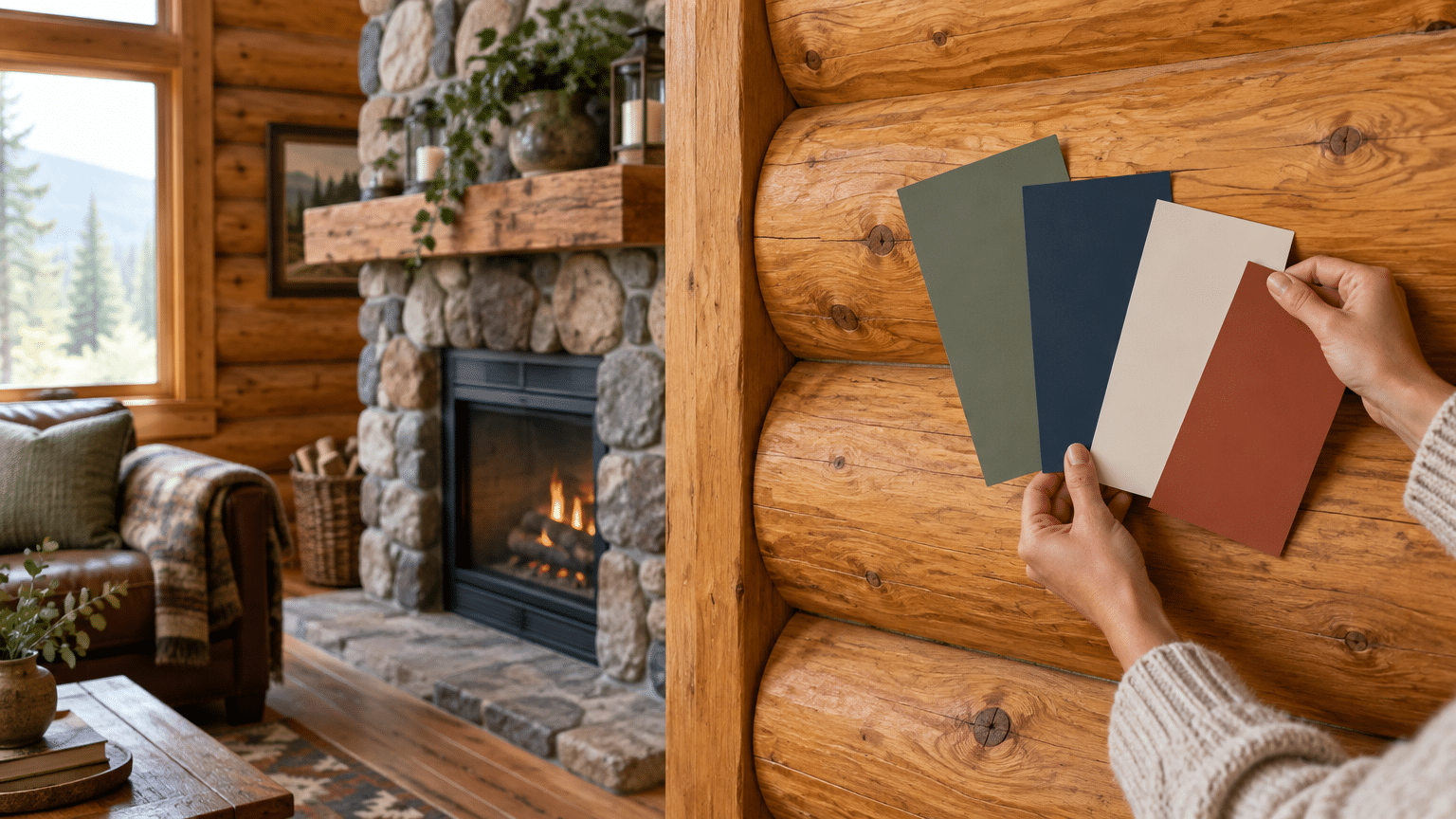
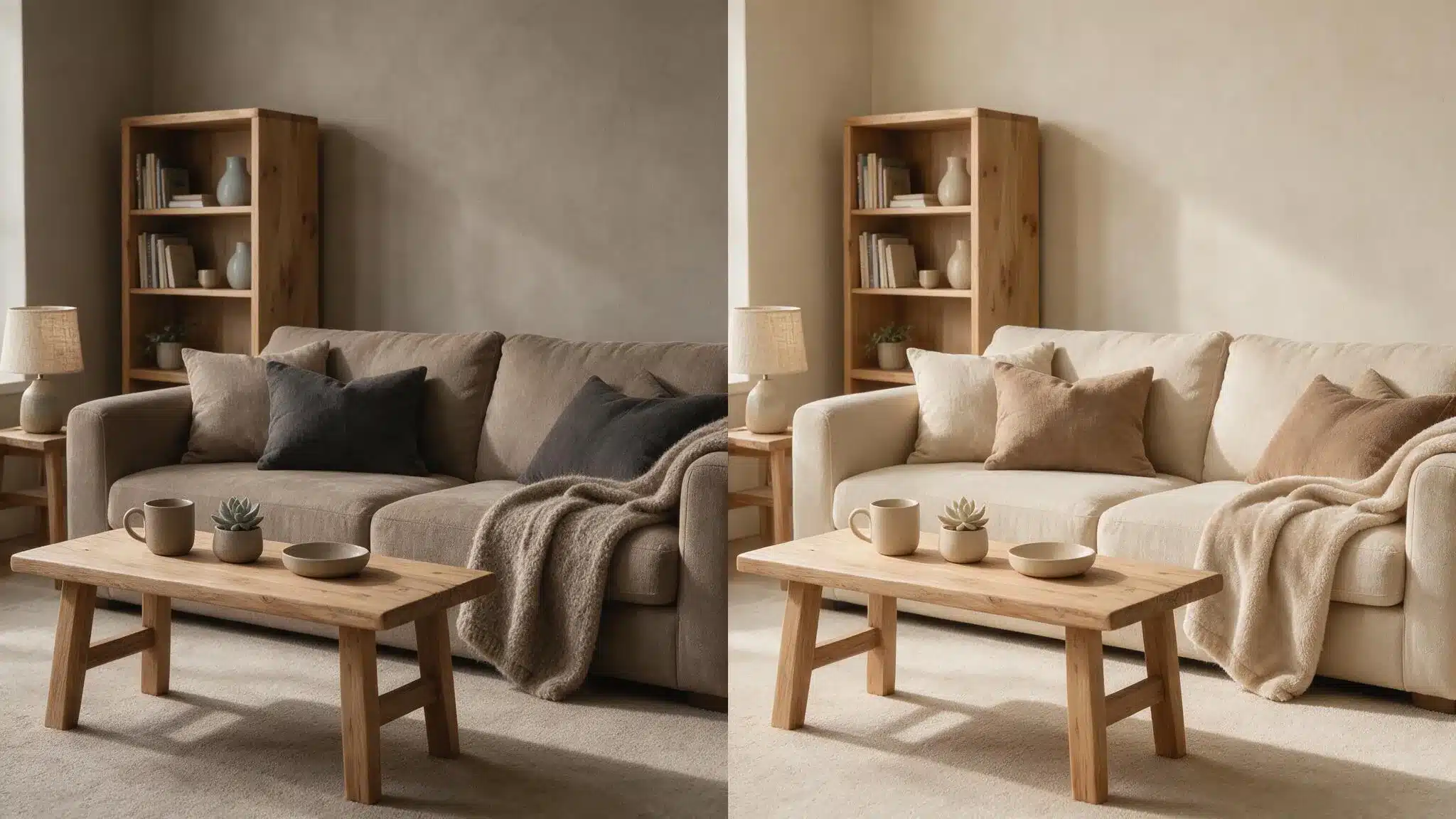
Florida’s light shifts dramatically between morning, midday, and evening. A terracotta shade that looks warm and inviting at 10 a.m. might appear significantly darker by sunset. It’s worth painting small test swatches on multiple walls and observing them throughout the day before committing to a full room.
Balance Warm Tones With Cooling Elements
Because Mediterranean palettes lean warm, it’s worth incorporating cooling elements elsewhere in the room, such as natural wood furniture, wrought iron accents, or woven textiles in neutral tones. This prevents warm-toned rooms from feeling overly heavy, especially in Florida’s already warm climate.
Consider Ceiling Height and Natural Light Levels
Rooms with lower ceilings or limited natural light may benefit from lighter, warm neutrals rather than deep terracotta or ochre, which can make smaller spaces feel more closed in. Reserve bolder, saturated colors for rooms with higher ceilings or ample sunlight.
Bringing the Palette Together
A successful Mediterranean-style interior in Florida doesn’t require using every color in the palette throughout the home. Instead, aim for a cohesive thread: choose one or two warm neutrals as your foundation, then layer in earthy and coastal accents room by room. This approach creates visual consistency while allowing each space to feel distinct.
Homeowners renovating or repainting a Mediterranean-style property should also consider how these color choices affect resale value. Warm, timeless palettes tend to appeal to a broad range of buyers and can enhance a home’s architectural character, rather than working against it. Working with a real estate professional or interior consultant familiar with the local market can help ensure your color choices align with both your personal style and long-term property value.
Final Thoughts
Mediterranean-style homes in Florida benefit from a color palette that honors their architectural roots while adapting to the state’s unique climate and light. By grounding your interior in warm neutrals and layering in earthy and coastal accents thoughtfully, you can create a home that feels both authentic and comfortable year-round. Before starting any painting project, test your chosen colors under Florida’s natural light and consult with a paint professional about humidity-resistant finishes to ensure lasting results.