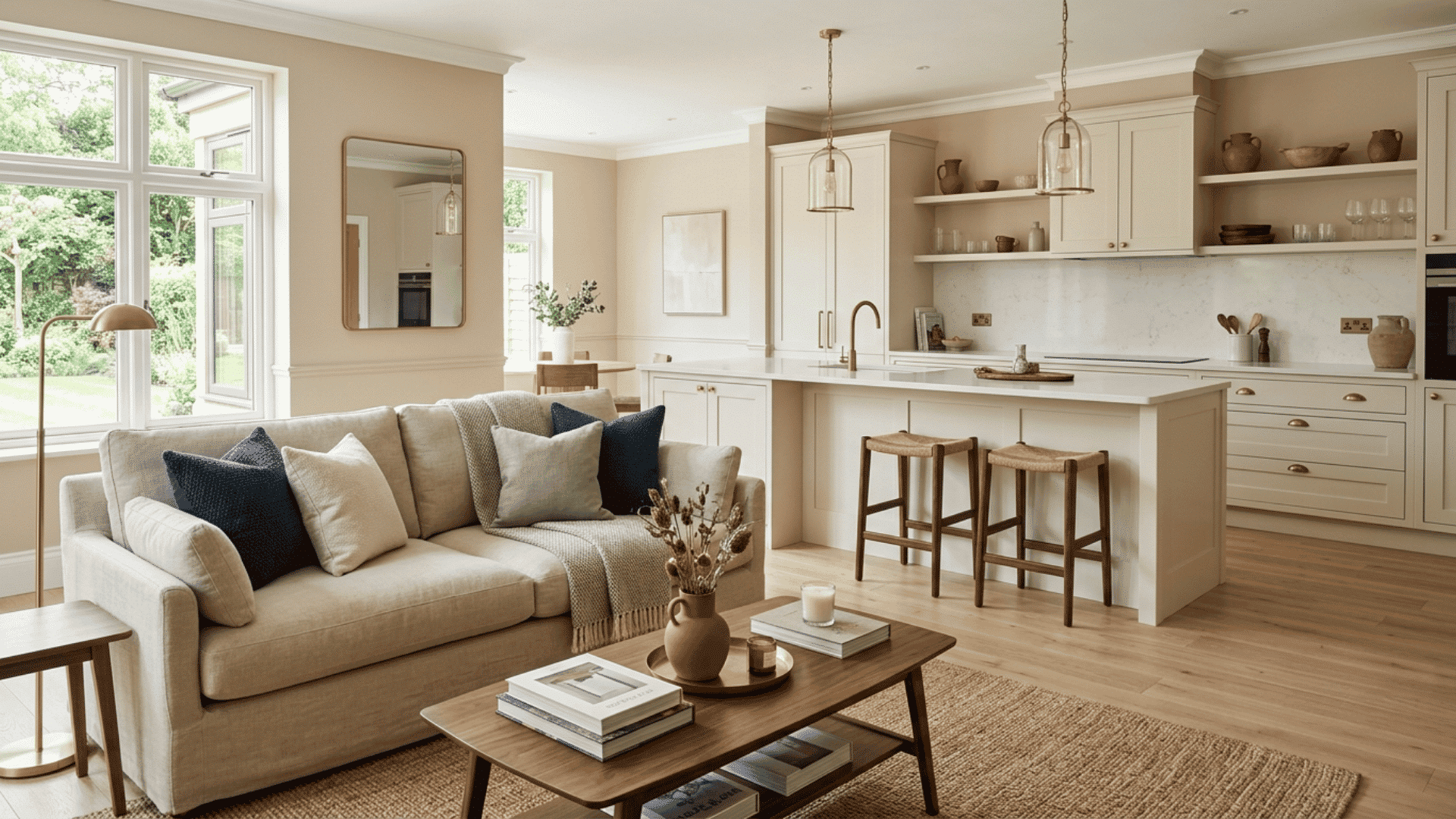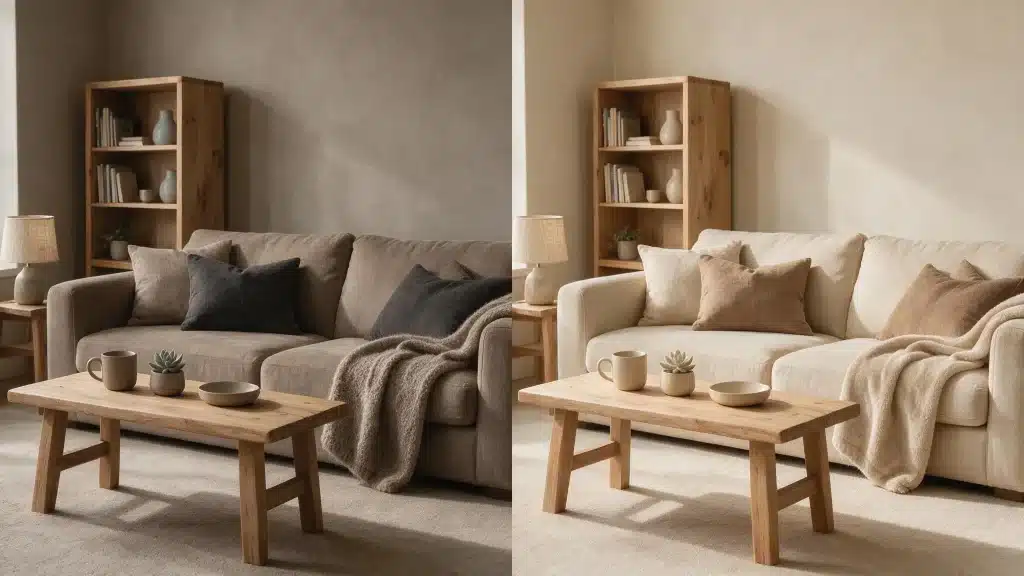
Taupe vs beige confuses most people for one reason: on a paint chip, under store lighting, they can look nearly identical. On a wall, they rarely stay that way.
The difference comes down to undertone, and once you know what to look for, you won’t mix them up again.
Taupe consists of gray mixed into its brown base; it may at times have a very faint hint of purple or green underneath.
Beige omits gray altogether and is based on yellow, which makes it appear warmer and a bit more like sand.
Once you understand how to work with taupe vs. beige, the difference holds up even in poor lighting.
Taupe vs Beige: What Sets Them Apart at a Glance?
The fastest way to separate these two neutrals is to ask what color is hiding underneath the surface.
Beige is built from brown, yellow, and a touch of white, which is why it photographs warm and pairs naturally with honey-toned wood and brass.
Taupe is built from brown and gray, giving it a cooler, more subdued character that can shift slightly toward violet, pink, or green depending on the brand and batch.
Although it varies from one batch to another and from one brand to another, taupe may take on a very slight tint of violet, pink, or green, which is one of the reasons why it appears so differently on different walls.
- Base tone: Beige leans yellow. Taupe leans gray.
- Warmth: Beige feels sandy and warm. Taupe feels muted and cooler.
- Depth: Beige usually sits lighter on the color scale. Taupe tends to sit a shade or two darker.
- Mood: Beige feels cozy and traditional. Taupe feels closer to modern and a little more grown-up.
Why Undertone Decides Everything?
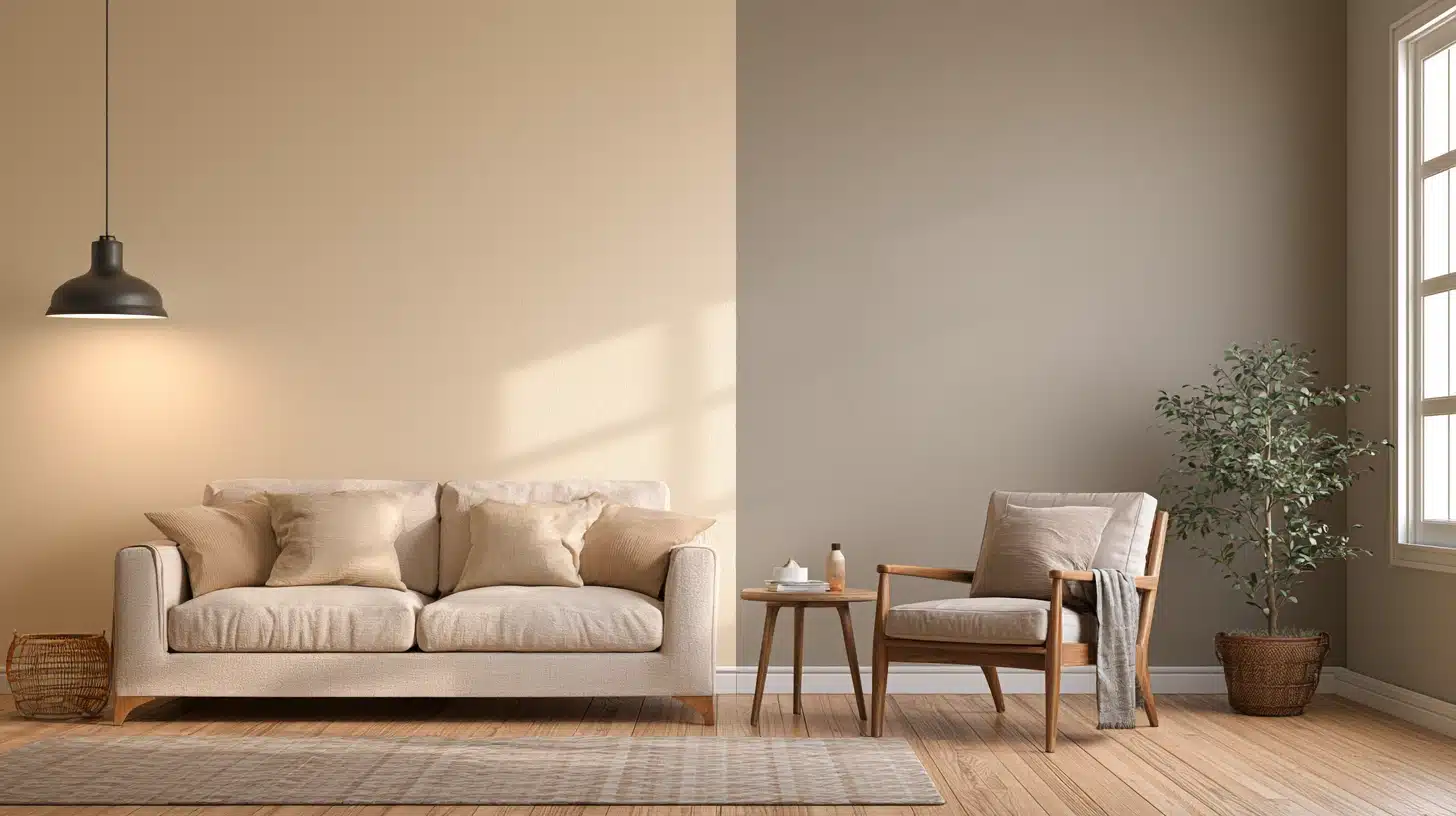
All neutral paint colors have a secondary color hidden beneath them.
This underlying color becomes visible only when the paint is on the wall and is receiving natural light, which is precisely the reason why paint samples available at the store are so unreliable.
What’s Hiding Underneath Beige
Beige generally has a yellow or soft peach tinge, which is the it its a familiar, sun-warmed appearance.
This explains why rooms painted beige tend to look consistently warm when photographed throughout the year.
What’s Hiding Underneath Taupe
With taupe, gray takes the lead, and depending on the pigments a brand uses, you can end up with a taupe that reads slightly mauve in one house and slightly green in another, even if both cans say “taupe” on the label.
That variability is exactly why two “matching” taupe cans from different brands rarely look identical on the wall.
Where LRV Fits into the Picture
Light Reflectance Value, or LRV, should also be mentioned here.
It’s a scale from 0 to 100 that indicates how much light a paint color reflects, with 0 representing pure black and 100 pure white.
The majority of neutrals that are pleasant to live in are found between 40 and 70.
Beige is usually found at the higher end of the scale because of its lighter, brighter appearance, whereas taupe is a bit lower on the scale since the gray in it absorbs more light than it reflects.
Why this is Important
You’ll already know why the undertone is more important than the name on the can if you’ve once chosen a warm greige for your walls since your floors were uncertain about whether they were grey or brown.
The same reasoning holds true if you are deciding on the best wall color for grey floors.
The undertone of the paint must match the undertone that is already present in the floors, or the entire room will end up looking slightly wrong even though no one can say why.
How Taupe and Beige Behave in Different Lighting?
Color is never stationary. It varies with the sun, electric lights, furniture, and the season. Taupe and beige react to these factors in their own way.
In Natural Daylight
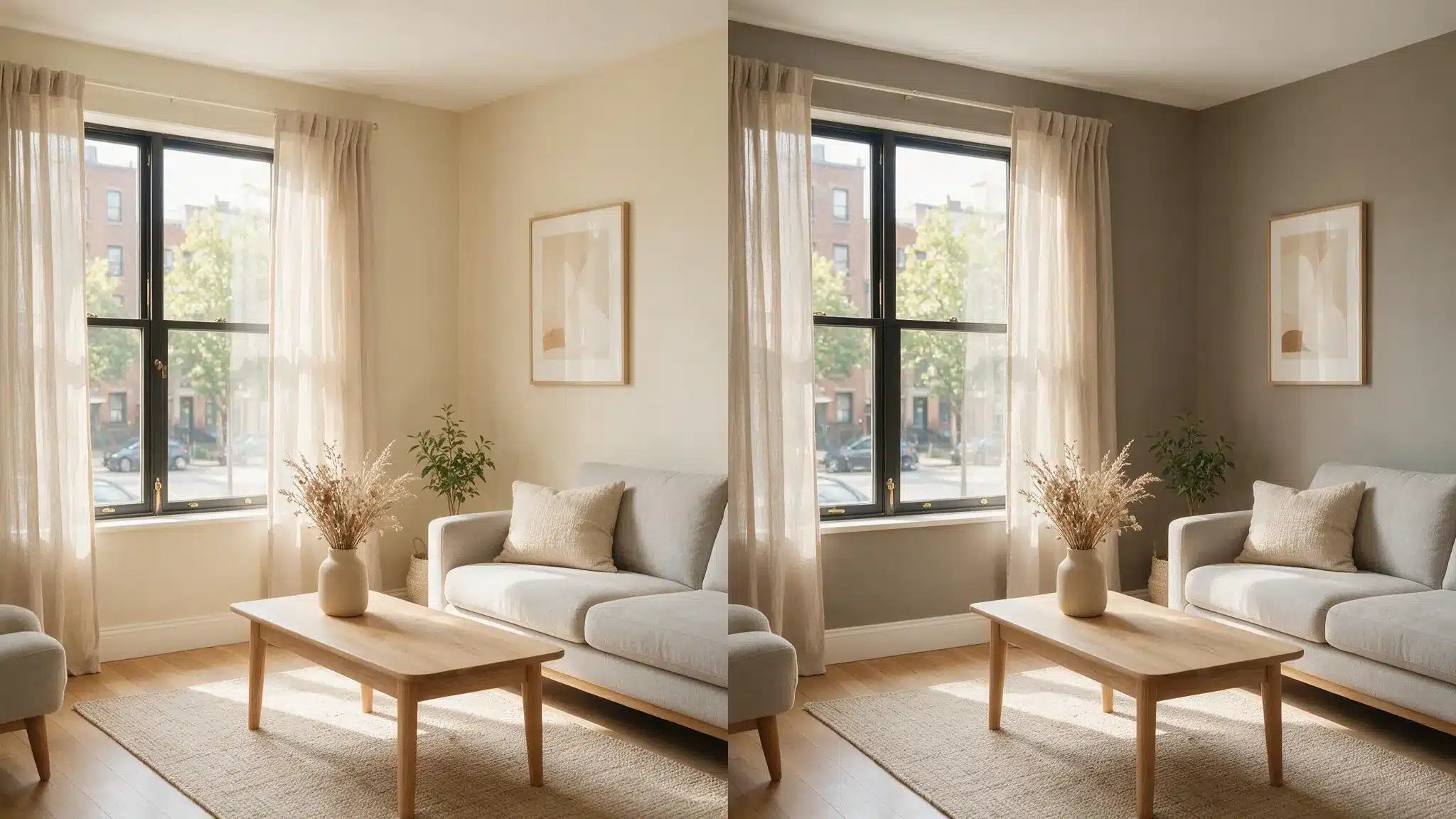
In strong daylight, beige tends to get brighter and warmer, sometimes becoming very similar to a soft cream by midday.
Taupe maintains its color better in bright light and stays closer to its genuine gray-brown composition, although in a north-facing room it can become noticeably cooler.
Under Artificial Light
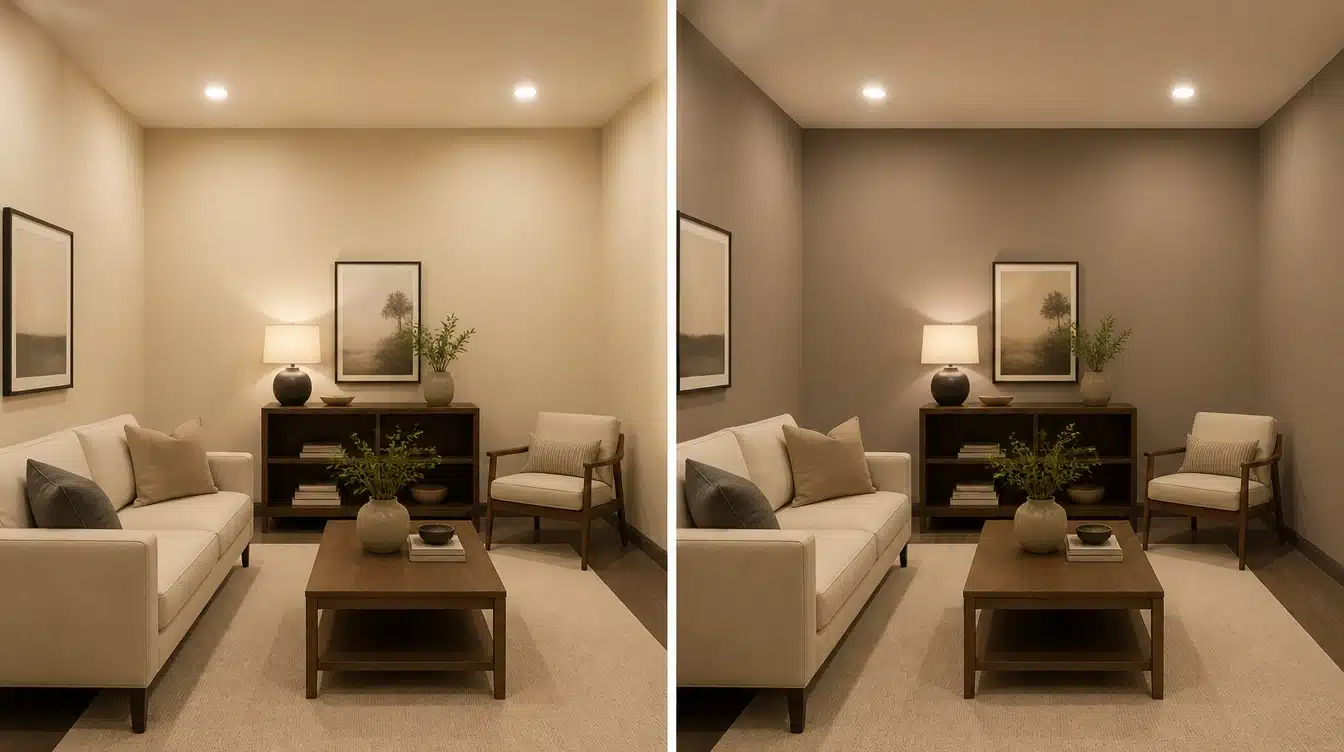
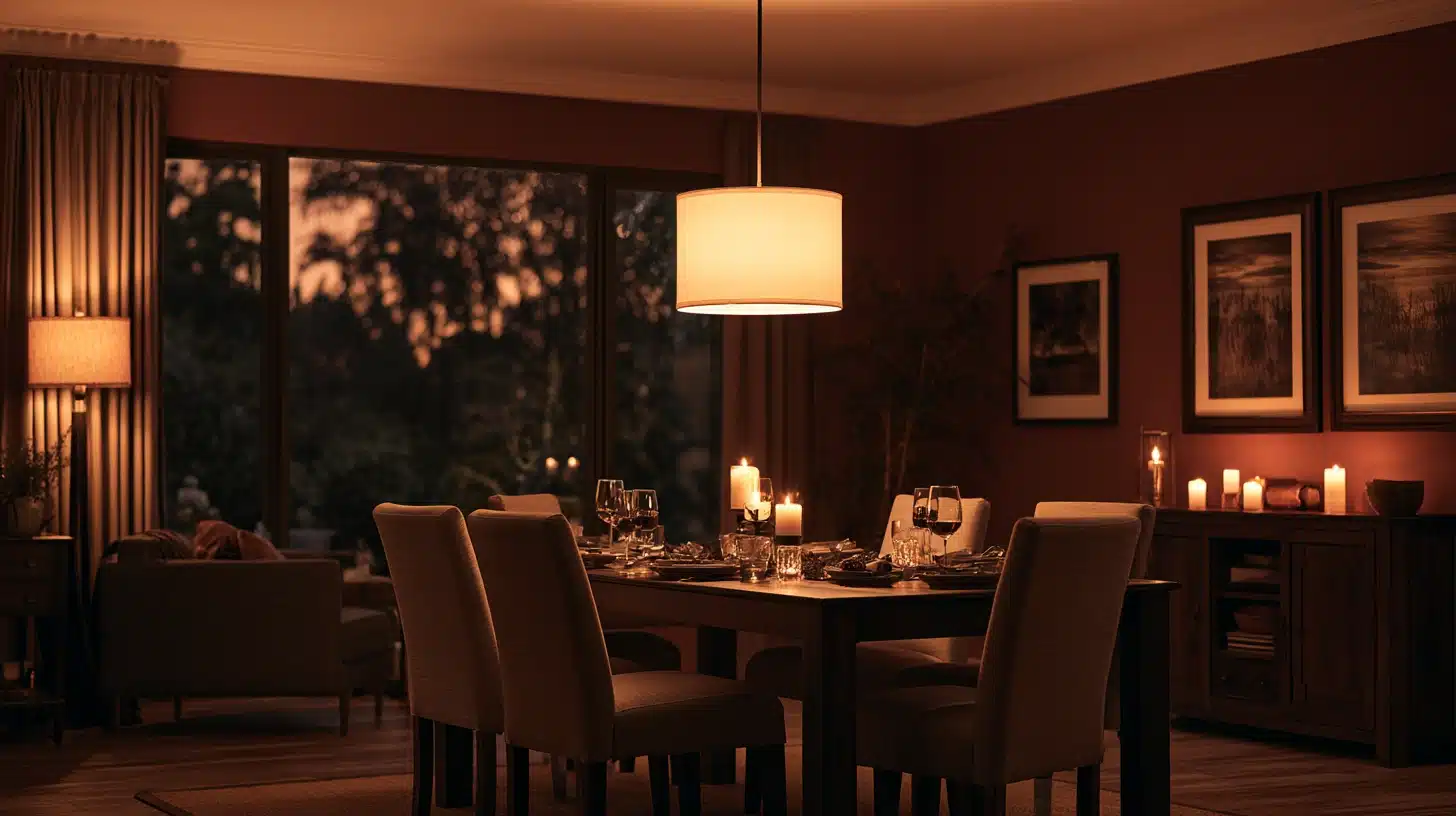
The warm bulbs tend to make the beige shade move more towards gold, a pleasant effect in a snug living room but one that can make a kitchen with a lot of white trim look outdated.
Taupe handles warm bulbs more nicely because the grey base prevents the color from becoming too yellow, although the color can appear flat when illuminated by cool LED lighting.
Taupe and Beige Colors You Can Try
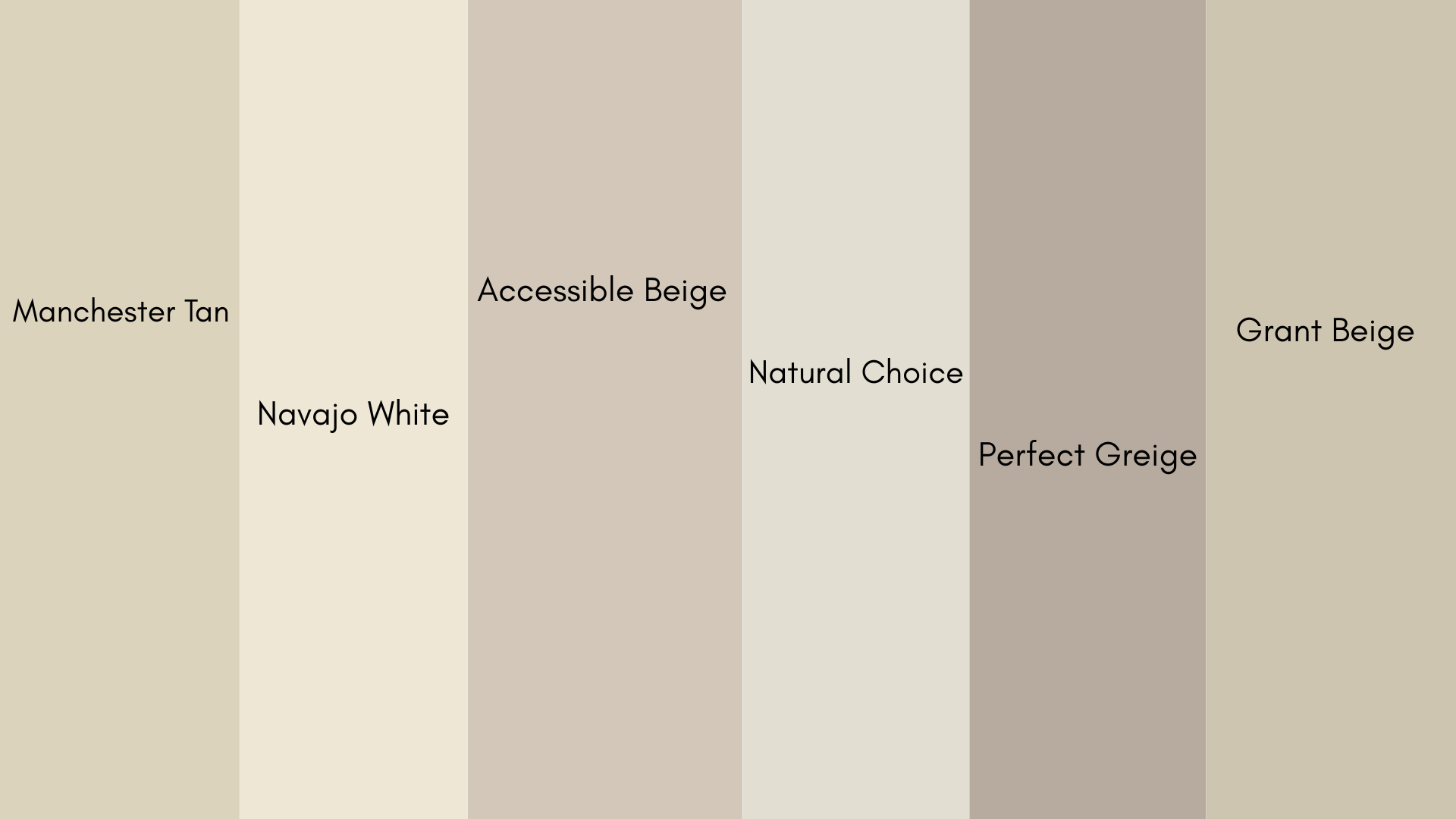
The names of the paints differ according to the brand, but a few shades keep appearing in homes since they perform consistently in different rooms and under various lights.
Benjamin Moore Manchester Tan
It is a beige with a warm, honey-like hue that appears golden in the daylight and in a cozier way under warm light bulbs.
With an LRV in the mid-50s, it stays soft rather than stark, and it naturally pairs with wooden floors and brass fittings.
Sherwin-Williams Accessible Beige
It is a warm blend of greige and beige, tilting slightly toward gray while still retaining the cozy aspect of beige. With an LRV of about 58, the color is versatile and works in bright or dim rooms.
Benjamin Moore Navajo White
It is a soft, creamy beige with an LRV of about 73, making Navajo White a good choice for small or dimly lit rooms that need brightening.
The undertone is slightly yellow but remains subtle, so it doesn’t look outdated.
Sherwin-Williams Natural Choice
Natural Choice is a warm tan-beige with an LRV of about 66 and performs well under mixed lighting.
It doesn’t look too yellow under warm bulbs, making it a safer option throughout the house than more intense beiges.
Sherwin-Williams Perfect Greige
Perfect Greige is a well-balanced greige with a taupe tinge and an LRV close to 44.
It appears warmer in natural light and cooler under LED lighting, making it a good choice for rooms with a mix of light sources during the day.
Benjamin Moore Grant Beige
Despite the name, Grant Beige reads closer to taupe, with enough gray to feel current while keeping a beige-level LRV around 52.
It’s a good option for anyone stuck choosing between the two colors outright.
Pull two or three physical samples before committing to any of these. Online paint chip previews rarely reflect how a color reads once it hits your actual walls and light.
Can Taupe and Beige Go Together in a Room?
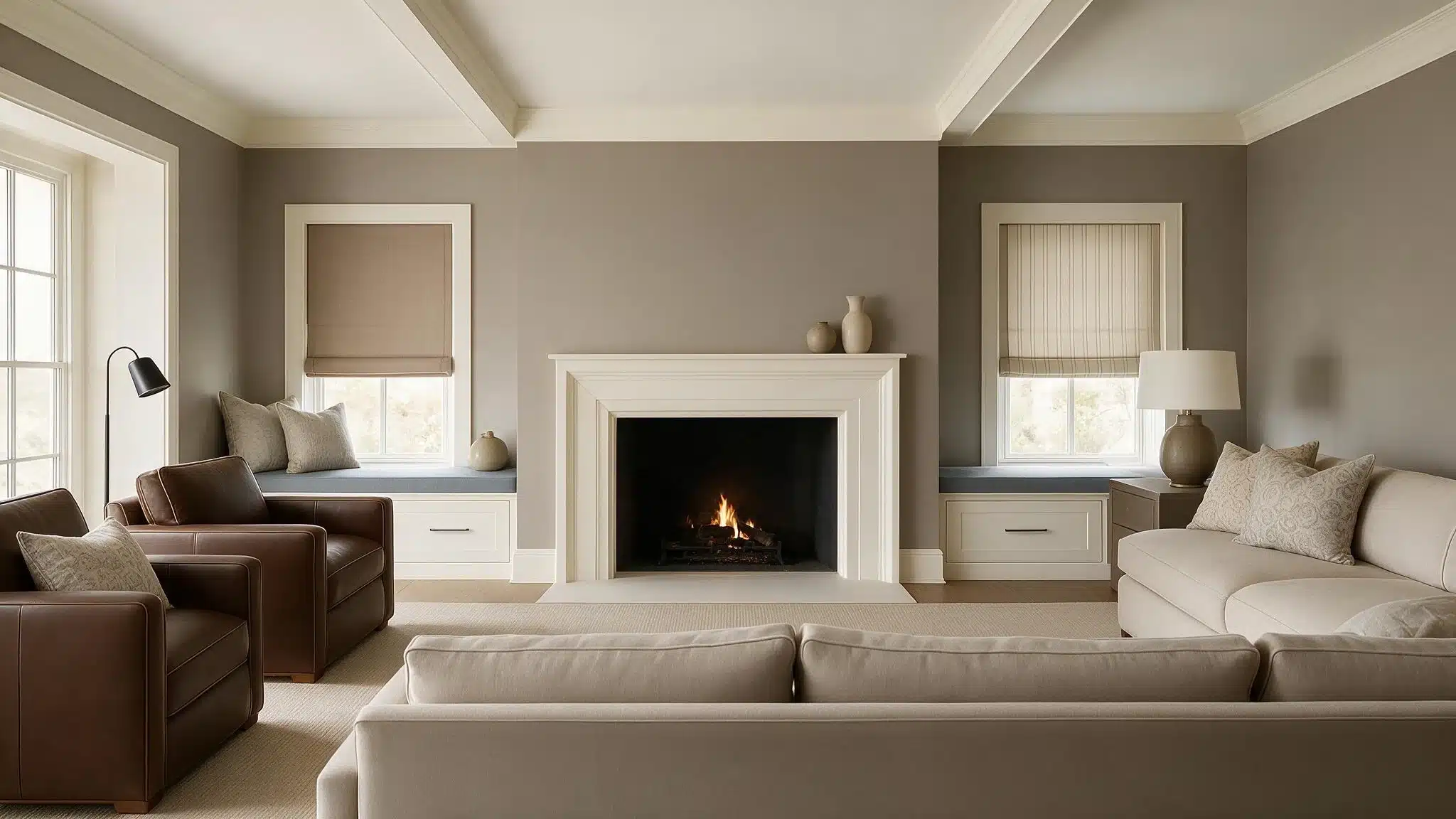
Yes, and they usually work better together than when used alone. The key is to have one take the leading role and the other provide support, rather than using both in equal quantities.
A typical method is to use a taupe wall combined with furniture and linen that has a beige tint, so that the warmth of beige doesn’t come across as flat because of the extra depth provided by the taupe.
The same thing applies: beige walls paired with a taupe sofa or rug keep the room from becoming too cold.
Trouble tends to arise around the trim and hardware.
Let beige’s yellow undertone and taupe’s grey undertone appear in large, rival patches; say, a beige wall squaring up to a taupe accent wall, and suddenly your room resembles a minor domestic dispute rather than a harmonious palette
Let one undertone call the shots, and relegate the other to cameo appearances via pillows, art, or a solitary upholstered chair, and peace is swiftly restored.
Colors that are Best Friends with Both Taupe and Beige
Certain colors flatter both neutrals without pulling the room’s undertone in either direction, which makes them safe choices for trim, accents, and larger furniture pieces.
- Crisp White: Keeps trim and ceilings clean against either undertone.
- Charcoal or Soft Black: Adds contrast without competing, especially through metal fixtures or frames.
- Warm Wood Tones: Oak, walnut, and rattan sit comfortably next to both, since wood carries its own warmth that bridges the gap.
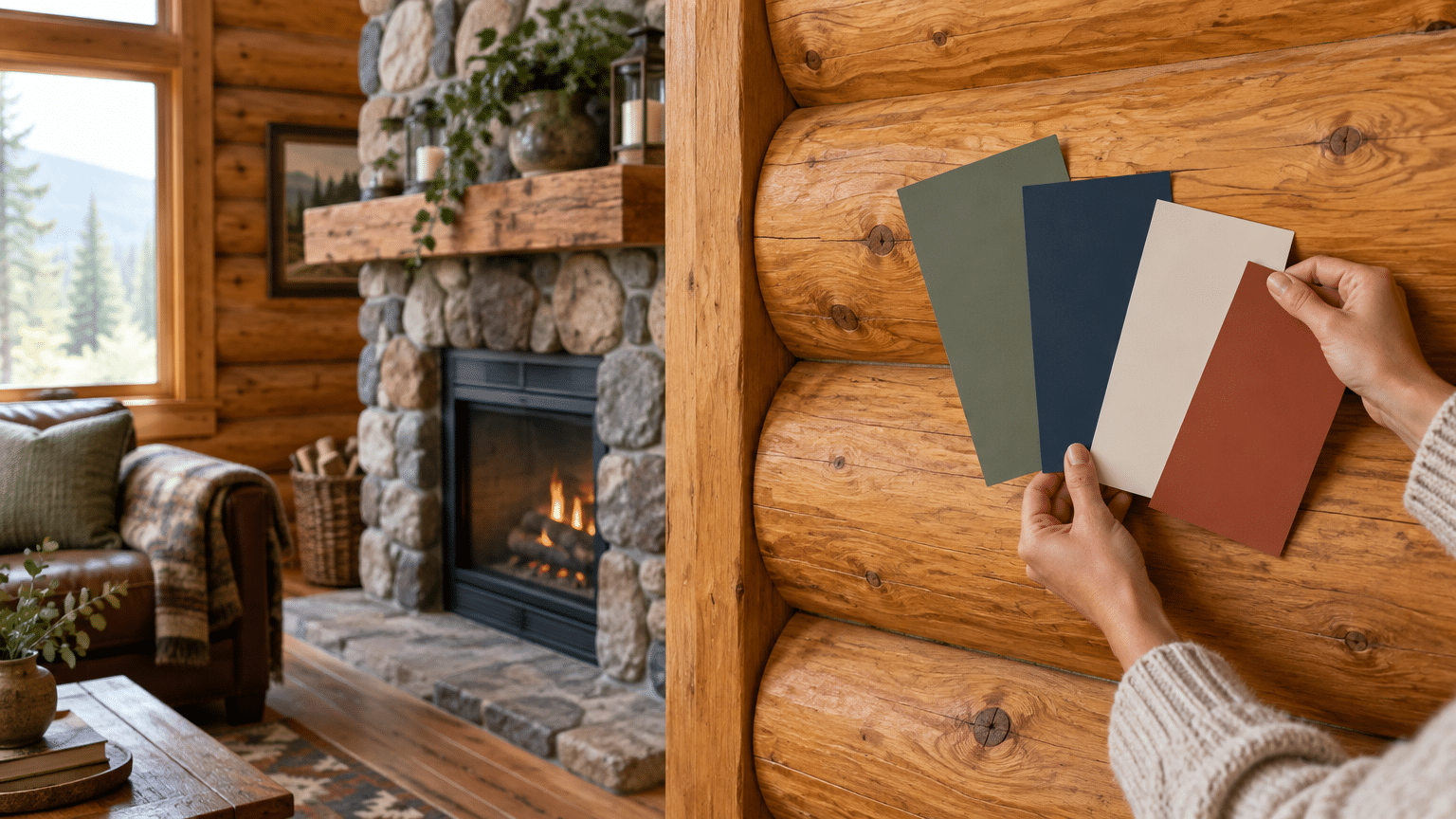
- Deep Navy: Grounds a beige room and adds richness to a taupe one.
- Forest Green: Reads earthy enough to pair with beige’s warmth and taupe’s muted tone alike.
- Brushed Brass or Aged Gold: Complements beige especially well, though it also softens taupe’s cooler edge.
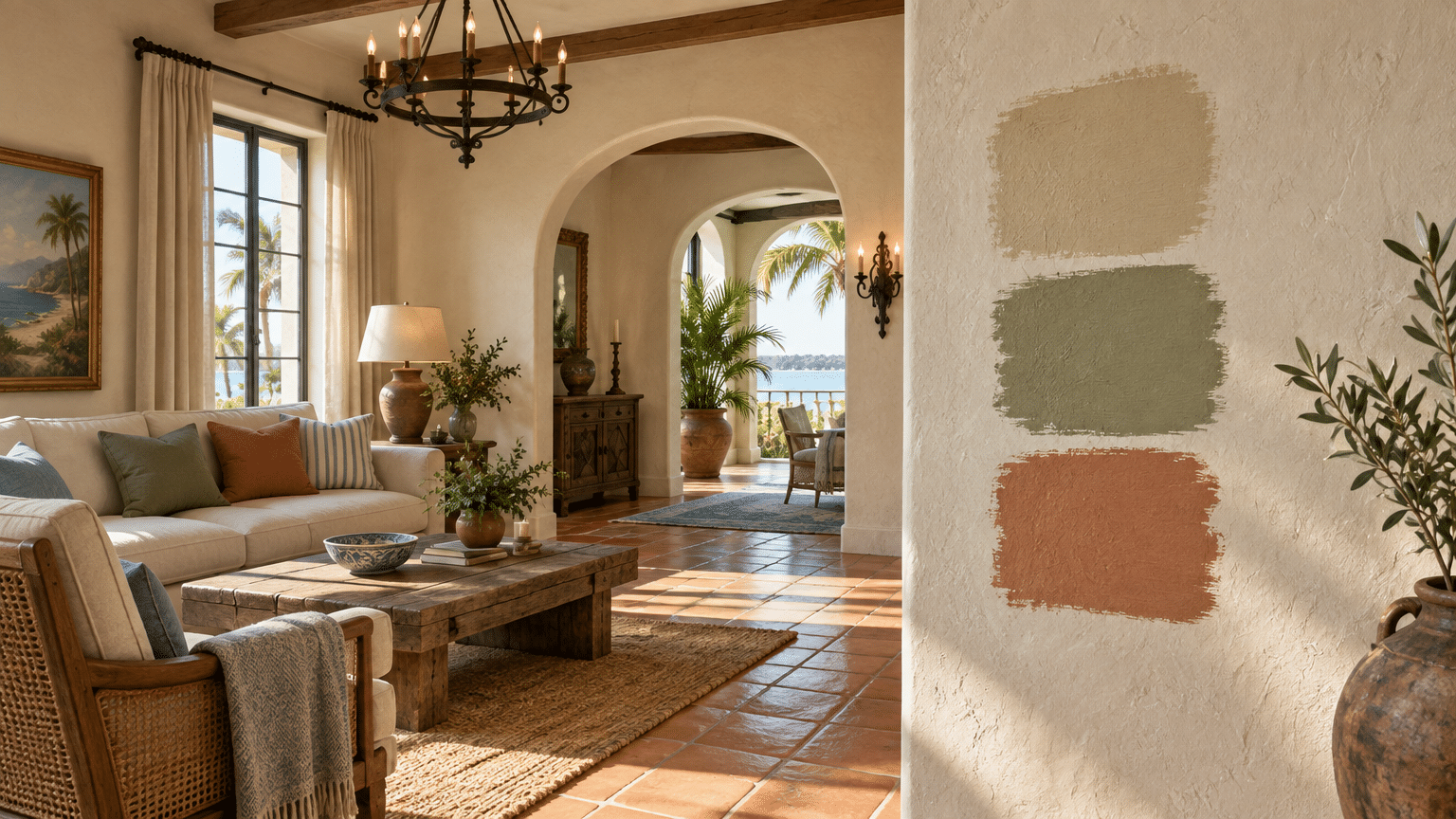
- Terracotta or Rust: Brings warmth into a taupe room without clashing with beige’s existing warmth.
Taupe vs Beige: Which One Should You Choose?
There’s no universal winner here, only the right fit for your light, your existing furniture, and the mood you’re chasing.
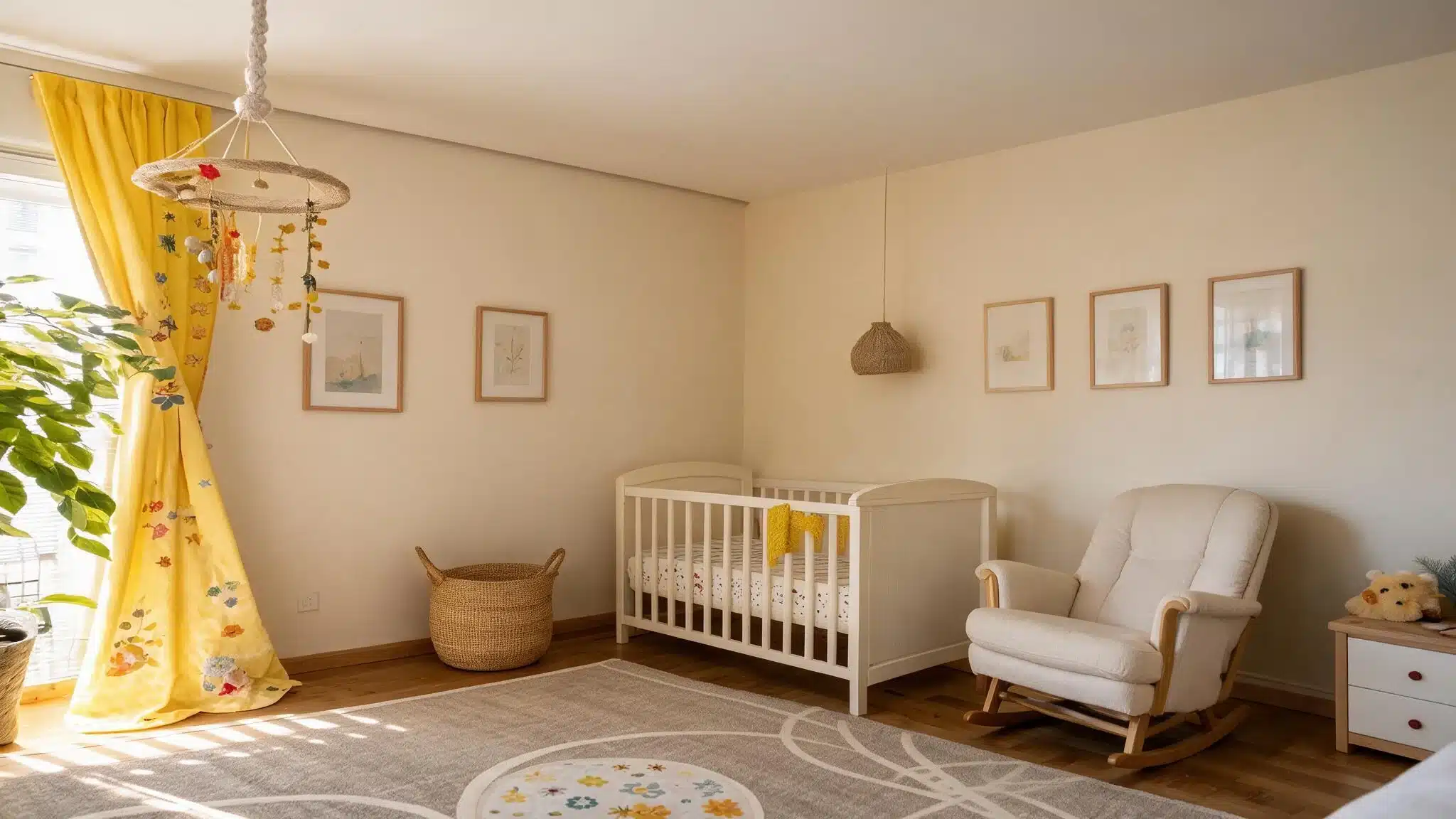
Choose beige if your room gets plenty of natural light, your furniture leans warm with wood tones and brass, or you want a space that feels traditional, soft, and welcoming without much visual weight.
Choose taupe if your room could use a bit more depth, your accents lean cooler with black, chrome, or marble, or you’re after something that reads a little more current without going full gray.
And if you genuinely can’t decide, that’s usually a sign your room wants something in between.
That’s exactly the gap that greige fills, and it’s worth a look at what color greige actually is before you commit to either extreme.
Frequently Asked Questions (FAQs)
1. Does Taupe Go Out of Style Faster than Beige?
No. Both are enduring neutrals; trends shift toward warmer or cooler tones, but neither color truly falls out of favor.
2. Is Taupe More Expensive than Beige in Paint or Fabric?
Price depends on the brand and material, not the color itself. Taupe and beige typically cost the same.
3. Can I Mix Taupe and Beige Paint to Create a Custom Color?
Yes, but the outcome may look muddy. Start by testing a small batch to get a sense of the resulting undertone.
4. Do Taupe and Beige Work with The Same Trim Colors?
Crisp white trim works well with both, although warmer white trim goes slightly better with beige than with taupe.
5. Is One Color Considered More Formal than The Other?
Taupe often reads more formal and tailored, while beige feels casual and relaxed in most home settings.