There’s something inherently inviting about a cabin or log home — the exposed wood, the cozy proportions, the sense of retreat from the outside world. But that same rustic charm can make choosing interior paint colors tricky. Too light, and the space can feel washed out against all that timber. Too dark, and it can feel cramped rather than cozy.
The good news is that log homes and cabins offer a unique canvas for color. The natural wood tones already provide warmth and texture, so your paint choices simply need to complement rather than compete with them.
Whether you’re renovating a decades-old family cabin or designing a new mountain retreat, the right palette can enhance your home’s natural character while still feeling fresh and livable.
This guide walks through the best paint colors for cabin and log home interiors, along with practical tips for choosing finishes, balancing wood tones, and avoiding common color mistakes.
Why Paint Color Matters More in a Log Home
In a typical home, wall color is often the dominant visual element. In a log home, it’s one piece of a much larger puzzle that includes exposed beams, wood paneling, stone fireplaces, and often, lower ceiling heights in older cabins. Paint color needs to work in harmony with these existing elements rather than overpower them.
Because wood naturally leans warm — with undertones of yellow, orange, or red — paint colors that clash with those undertones can make a space feel unbalanced. This is why color selection in a log home often starts with assessing the wood itself before a single swatch is chosen.
Assess Your Wood Tone First
Hold a few paint swatches directly against your log walls or trim before deciding on a palette. Notice whether the wood leans more golden, reddish, or gray. This single step prevents a common and costly mistake: choosing a color that looks beautiful on its own but turns muddy or dull next to your home’s existing wood tones.
Best Paint Colors for Cabin and Log Home Interiors
Warm Neutrals
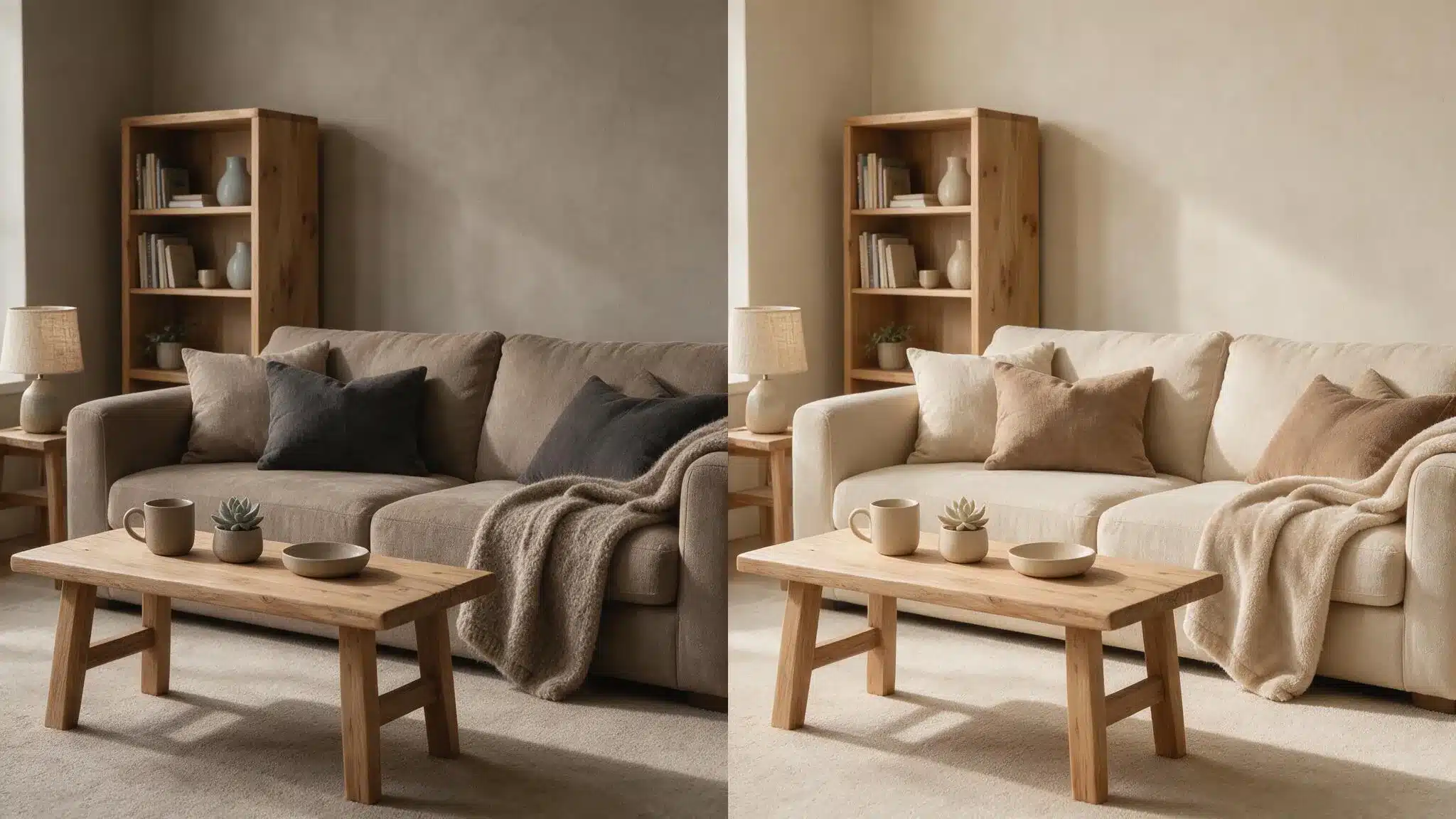
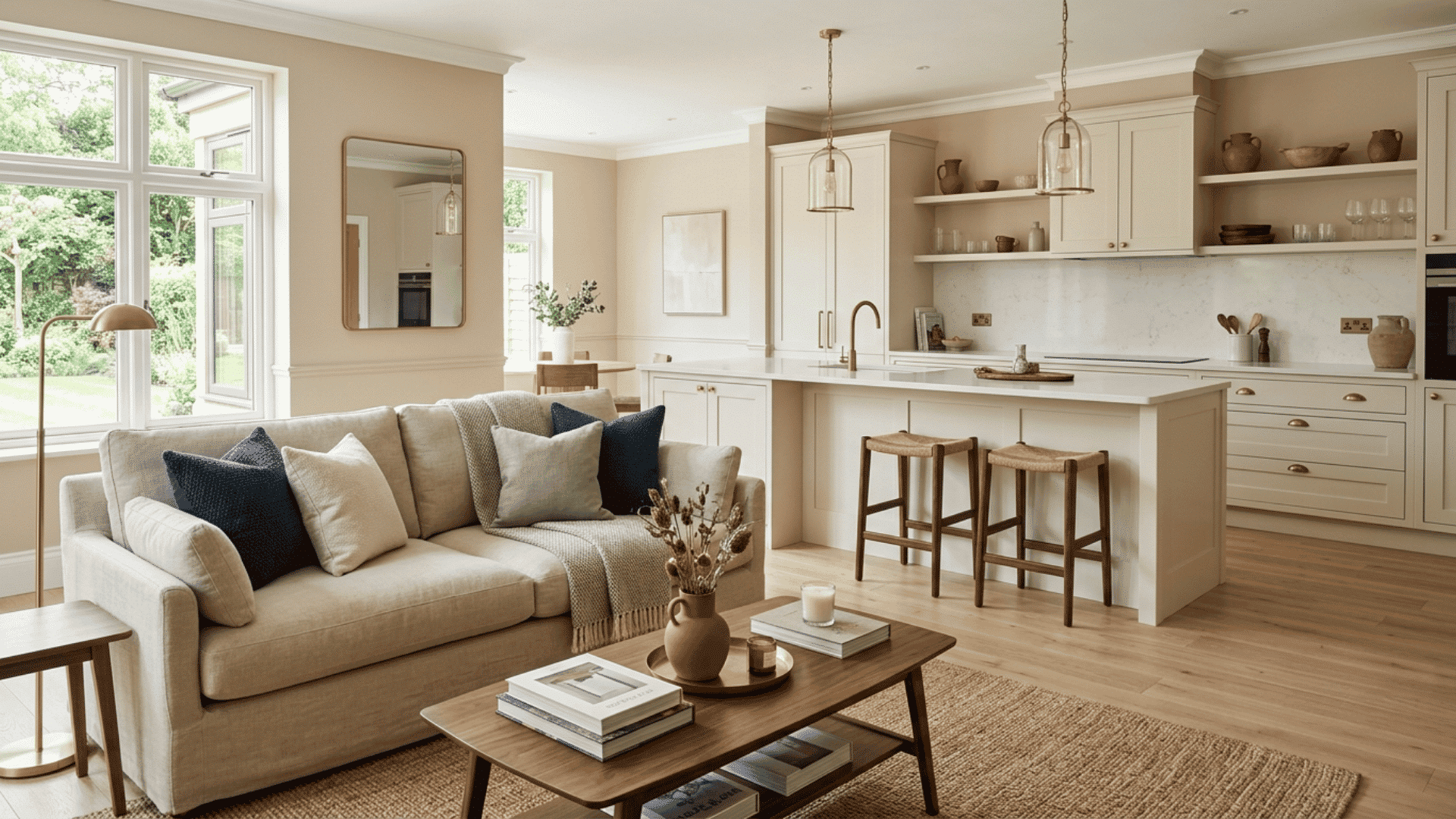
Soft whites, creams, and warm greiges are among the most popular choices for cabin interiors. These colors brighten a space without creating stark contrast against wood tones. They also make a smaller cabin feel more open, which is especially useful in homes with low ceilings or small windows.
Warm neutrals work particularly well in kitchens, bathrooms, and ceilings, where you want to balance the visual weight of exposed wood elsewhere in the room.
Deep, Earthy Greens
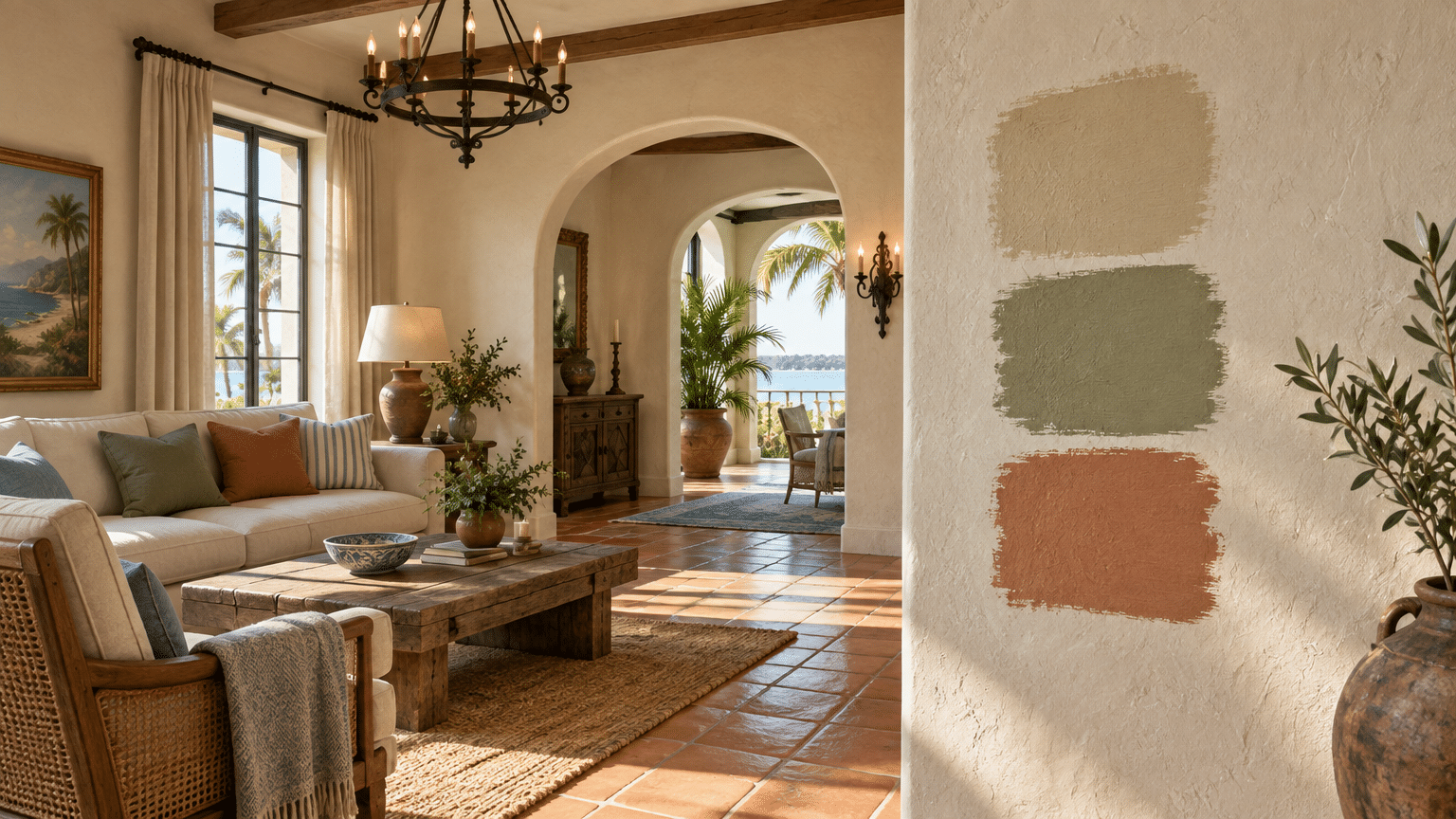
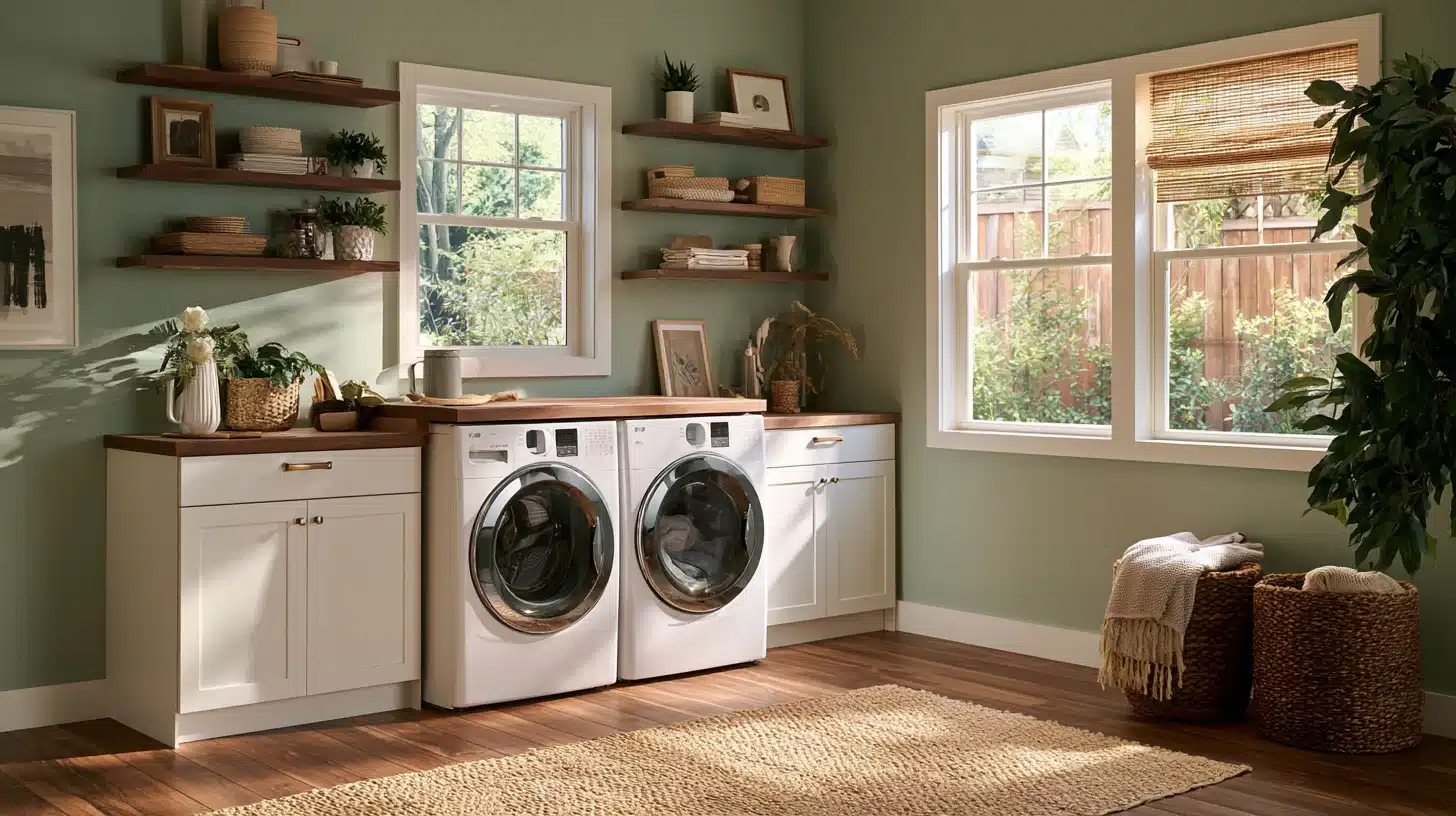
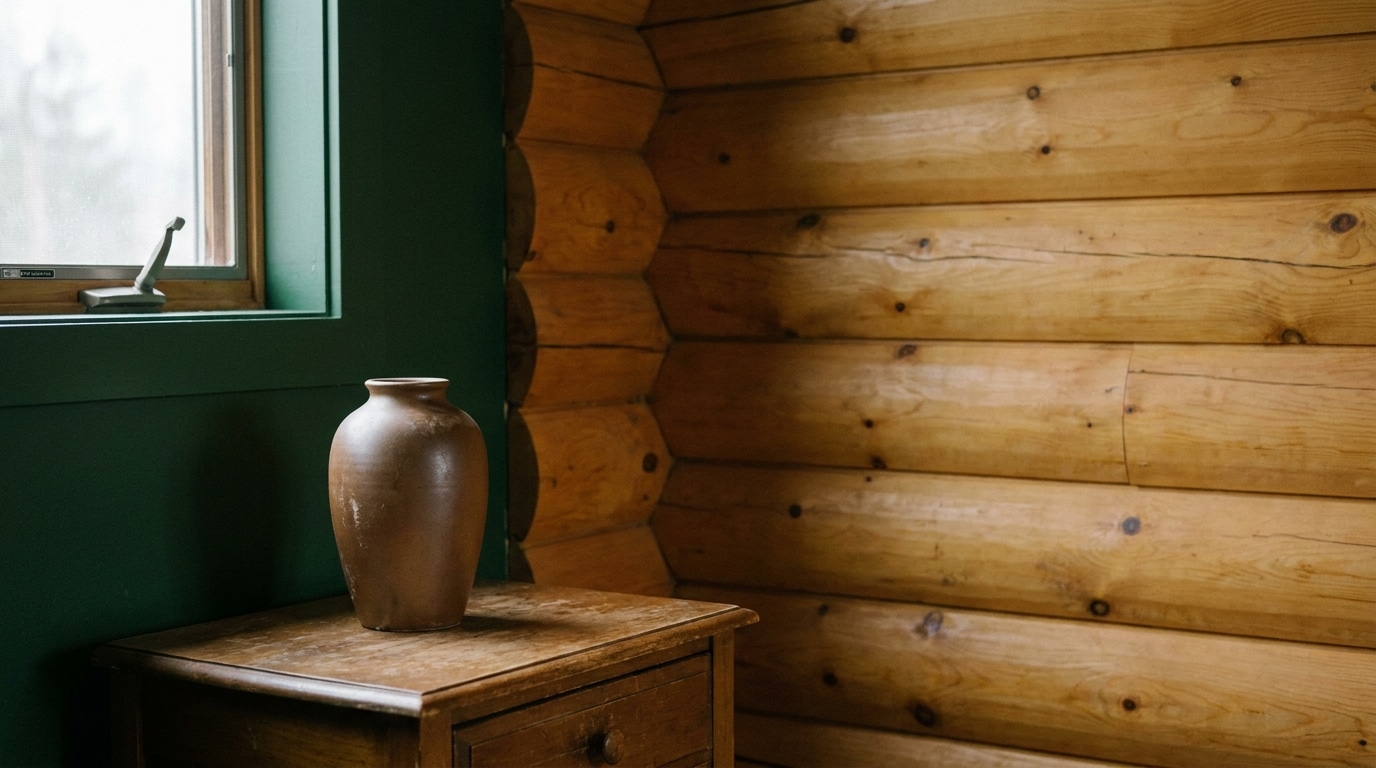
Forest green, sage, and olive tones draw on the natural surroundings of most cabin settings. These colors feel intentional rather than accidental, echoing the pines, moss, and foliage typically visible through cabin windows. Deep green works especially well as an accent wall color or in a study, den, or bedroom where a cozier, more enclosed feeling is desirable.
Rich Blues
Navy, slate, and deep teal bring sophistication to a log home without feeling out of place. Blue is a striking contrast to warm wood tones, and that contrast — when used intentionally — can make architectural details like beams or built-in shelving stand out. Blue is a strong choice for a primary bedroom or a home office that benefits from a calmer, more focused atmosphere.
Soft Grays
Gray can be a gamble in a log home or cabin if it leans too cool, since it may clash with the warmth of the wood. However, warm grays, often described as “greige” (a blend of gray and beige), strike the right balance. They offer the calming, modern feel of gray while still complementing natural wood tones.
Classic Reds and Rust Tones
For cabins with a more traditional, lodge-inspired aesthetic, deep red or rust can be a striking choice for an accent wall or a front door visible from inside an entryway. These colors pair naturally with log interiors and evoke a classic, mountain-lodge feel.
Tips for Painting a Cabin or Log Home Interior
Keep Ceilings Light
In cabins with low ceilings, a dark ceiling color can make the space feel smaller. Opt for white or a very light neutral on the ceiling to create the illusion of height, even if the walls carry a bolder color.
Use Accent Walls Strategically
Rather than painting every wall a bold color, consider choosing one wall, such as the one behind a fireplace or bed, for a deeper or more saturated shade. This draws the eye without overwhelming the whole room, and it’s an easy way to test a bold color before committing to it throughout the space.
Consider the Finish, Not Just the Color
Flat and matte finishes tend to suit rustic interiors best, as they minimize glare and allow wood textures to remain the visual focus. Satin or eggshell finishes work well in kitchens and bathrooms, where durability and easy cleaning matter more.
Test Paint in Natural and Artificial Light
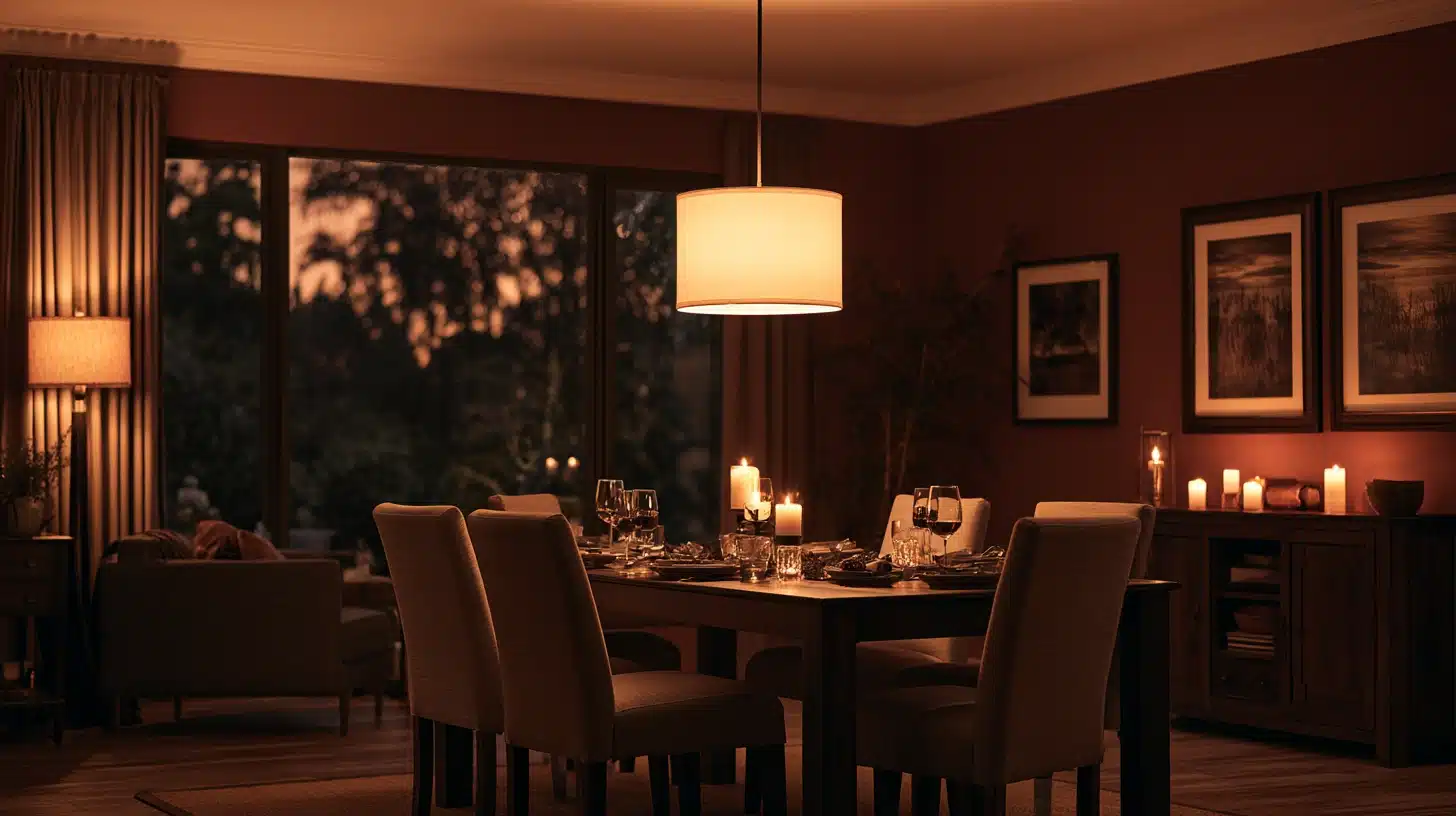
Cabins often have smaller windows and rely more heavily on artificial lighting, especially in the evening. A color that looks warm and inviting in daylight might appear murky under lamp light. Always test paint swatches at different times of day before committing.
Don’t Fight the Wood — Complement It
One of the most common mistakes homeowners make in log homes is choosing colors that compete with the wood rather than enhancing it. Stark whites or cool-toned colors can sometimes look sterile against a warm, honey-colored log wall. Choosing colors from the same warm family, even if they contrast in value, almost always looks more cohesive.
Bringing It All Together
Painting the interior of a cabin or log home is less about choosing a single beautiful color and more about creating harmony between your palette and the natural materials already in the space. Warm neutrals offer flexibility and brightness, while deeper greens, blues, and rust tones can add character and depth in the right doses.
Before buying a single gallon of paint, take the time to assess your wood tones, test swatches in different lighting, and consider where accent colors will have the most impact. A thoughtful approach to color can transform a cabin from simply rustic to genuinely refined, while still preserving the cozy, natural charm that drew you to a log home in the first place.
If you’re preparing to buy, sell, or renovate a cabin property, understanding how interior finishes affect overall value and appeal is a worthwhile investment of time, and one that pays off well beyond the paint can.