I used to think curtains were just fabric hanging on windows, but I was wrong! The length of your curtains can make or break your entire room’s look. If it’s too short, your space feels cramped. If it’s too long, it looks messy.
With so many sizes available, choosing the right one isn’t always easy. I’ve learned that a few simple measurements can make all the difference.
This curtain lengths blog covers standard sizes, popular styles and measuring tips for every room.
I’ll show you which length suits each room, how high to hang the rod and how to test a length before you buy. Read on to find the right fit for your windows.
Understanding Standard Curtain Lengths
When I first started decorating, I had no clue about curtain sizes. I’d grab whatever looked nice at the store. Then I’d hang them up and wonder why my room looked off. That’s when I learned about the standard curtain lengths chart.
Most curtainscome in five main lengths, and each one serves a specific purpose. For a better fit, consider standard curtain widthsalongside length, since both measurements affect how curtains hang.
|
Curtain Length |
Best For |
Placement & Use |
|---|---|---|
|
63-inch |
Small windows, kitchens, bathrooms |
Hits at or just below the windowsill; it is excellent for a light + privacy balance |
|
84-inch |
Standard windows, bedrooms, living rooms |
Reaches the floor in 8-ft ceiling rooms; a clean and simple look |
|
96-inch |
9-ft ceilings or elongating 8-ft rooms |
Floor-length and visually heightening, it adds grace |
|
108-inch |
Formal dining or master bedrooms |
Slight floor pooling adds a luxurious, dramatic touch |
|
120-inch |
High ceilings (10 ft+), grand interiors |
Pools generously; creates a rich, expansive aesthetic |
Tip: To pick your length, measure from the rod to where you want the hem, then choose the closest standard size. For floor length, buy the next size up and hem it if needed.
Curtain Style Options by Length
I’ve tried every curtain style you can think of, and let me tell you, the length you choose completely changes how a room feels. Each style has its sweet spot, and I’ve learned when to use each one through plenty of trial and error.
Sill-Length Curtains
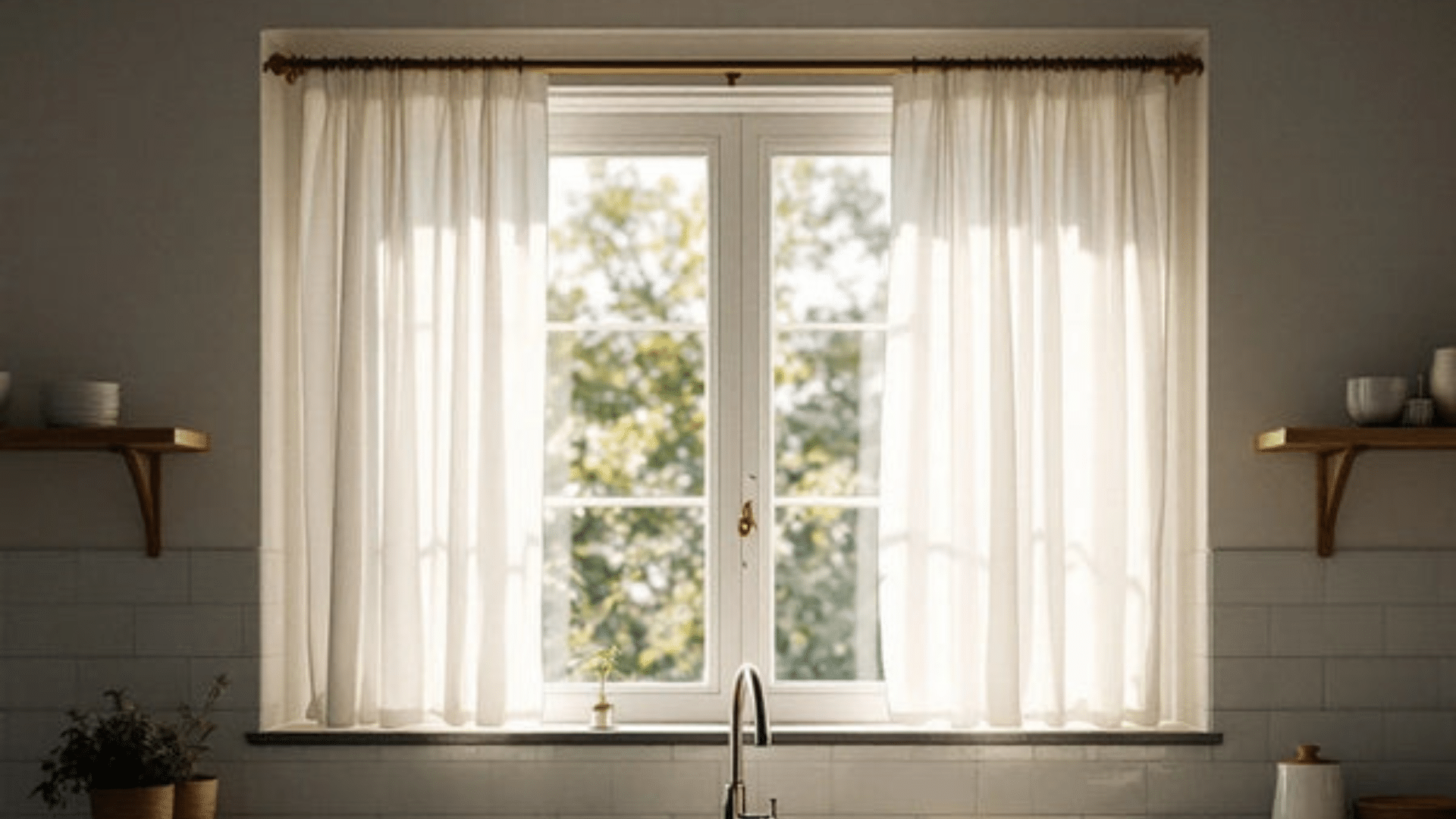
I love these in my kitchen because you can open the window without fighting with fabric. They also work great over kitchen sinks, where longer curtains would get splashed.
Sill-length curtains create a clean, crisp look and keep things feeling fresh and uncluttered. Café curtains are a different, shorter style that covers only the bottom part of the window.
Perfect for:
-
Bathrooms where moisture is a concern.
-
Laundry rooms and utility spaces.
-
Any room where function beats form.
Apron-Length Curtains
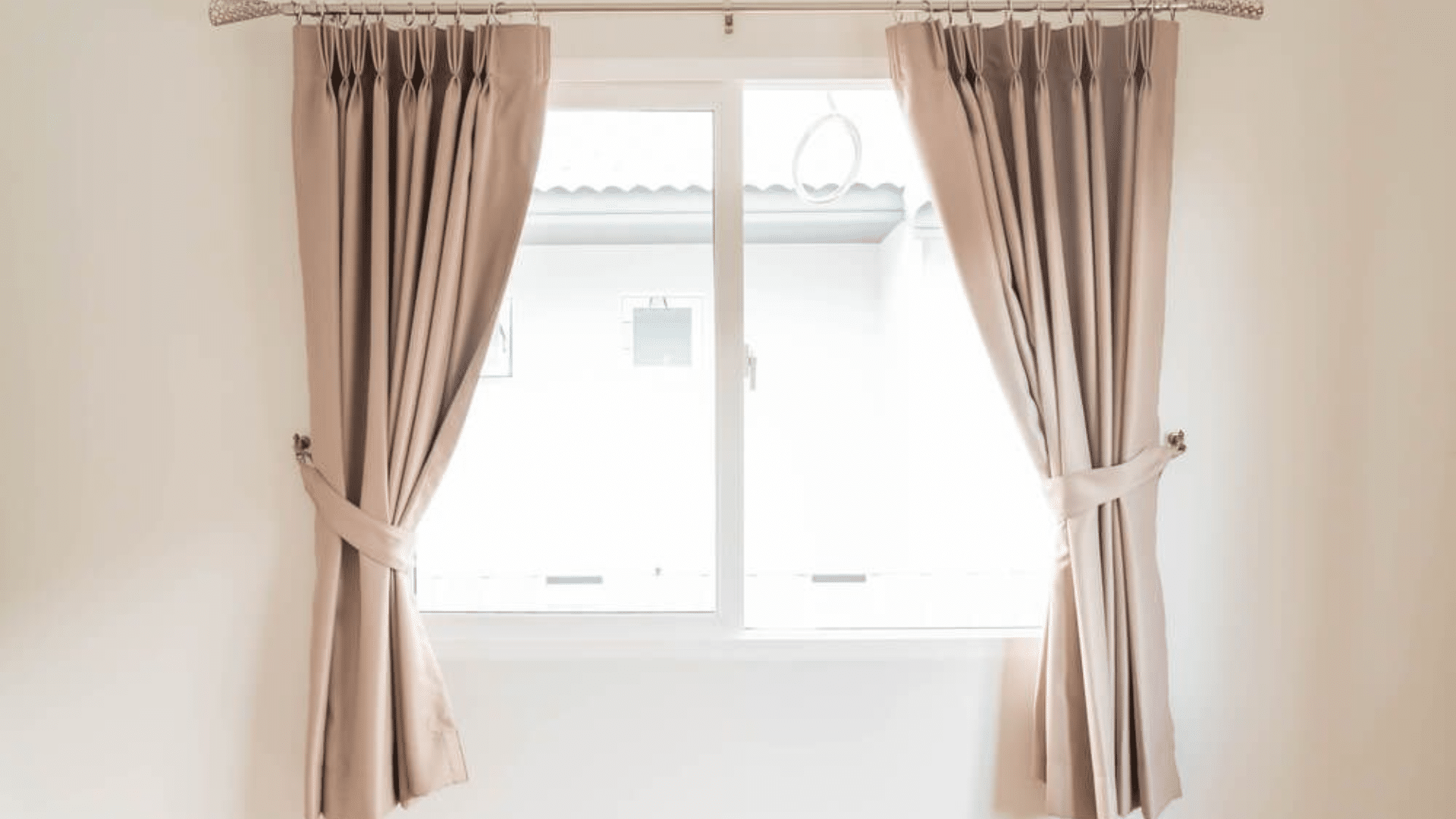
I use apron-length curtainsin my guest bedroom. They provide privacy without overwhelming the space, and they don’t compete with the headboard for attention. Apron-length curtains hang 4 to 6 inches below the windowsill.
I also like how they leave the wall below the window visible, giving you more freedom to place furniture, like a desk or dresser, under the window.
Best uses:
-
Bedrooms where you want privacy but not drama.
-
Home offices that need a polished look.
-
Guest rooms that should feel welcoming but not fussy.
-
Windows near furniture where longer curtains might interfere.
Floor-Length Curtains
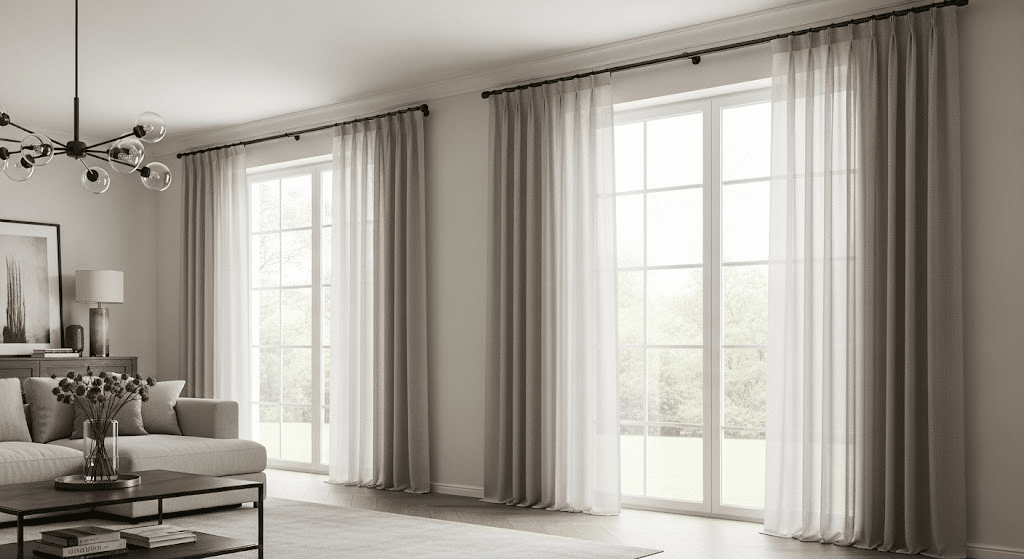
Floor-length curtains are incredibly versatile. I’ve found they work in almost every room except kitchens and bathrooms. They make windows look larger and ceilings appear higher without being overly dramatic.
I usually keep the hem about half an inch above the floor so the curtains hang neatly without dragging when opened or closed.
My favorite applications:
-
Living rooms where you want sophistication.
-
Master bedrooms for that hotel-like feel.
-
Dining rooms that aren’t super formal.
-
Any room with standard 8- to 9-foot ceilings.
Puddle-Length Curtains
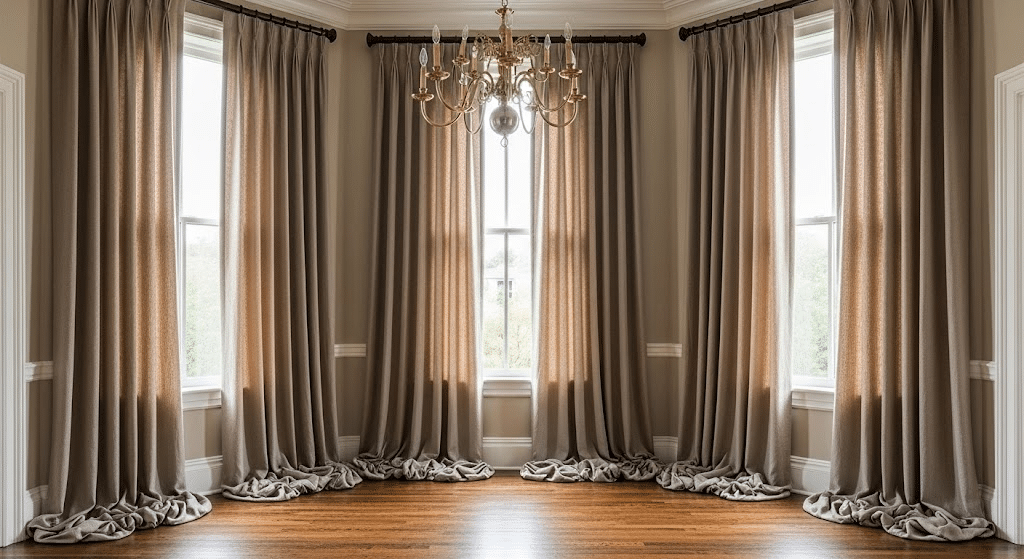
Puddle-length curtains run past the floor so the extra fabric pools. A light puddle uses 2 to 4 extra inches, and a full puddle uses 6 to 8,
They collect dust and pet hair like nobody’s business. But when they work, they create this incredible romantic atmosphere that’s hard to achieve any other way.
I have them in my client’s formal dining room, and guests always comment on how polishedthey look. If you want a specific amount of fabric pooling on the floor, making your own curtainslets you adjust the length to get the look you want.
When I choose puddle length:
-
Formal dining rooms where drama is welcome.
-
Master bedrooms in traditional or romantic styles.
-
Living rooms that rarely get heavy use.
-
Rooms where cleaning isn’t a daily concern.
How Curtain Hanging Styles Affect The Final Length
The way your curtains attach to the rod can change where the fabric falls, even when two panels have the same listed length.
I always check the hanging style before buying curtains. A small difference at the top can leave your panels shorter or longer than planned, especially with floor-length styles.
Rod-Pocket Curtains: The rod slides through a sewn pocket, so the fabric sits close to the rod. Check the pocket size before measuring.
Grommet Curtains: Metal rings fit directly over the rod, leaving a little fabric above it. The grommets usually sit about an inch below the top of the panel, so the hem lands a little more than an inch higher than the listed length.
Curtain Rings with Clips: The fabric hangs below the rod, so the clips add extra drop that you need to account for. A ring and clip together can add about 3 inches, so subtract that from the panel length you need.
The Right Length for Every Room
|
Room Type |
Recommended Curtain Lengths |
Notes |
|---|---|---|
|
Formal Living Room |
96-inch or 108-inch |
Creates a classic, formal look |
|
Casual Family Room |
84-inch |
Offers a relaxed, comfortable feel |
|
Master Bedroom |
96-inch or 108-inch |
Delivers a luxurious, hotel-like vibe |
|
Guest Bedroom |
84-inch or 96-inch |
Warm and welcoming without overpowering the space |
|
Small Bedroom |
84-inch or 96-inch |
96-inch can visually enlarge the space |
|
Nursery |
84-inch |
Functional and visually neat |
|
Home Office |
84-inch |
Looks polished but avoids unnecessary drama |
Note: In a nursery, choose curtains with no cords, or keep any cords well out of a child’s reach. That’s the safest setup when young children are around, and it’s what the Consumer Product Safety Commission(CPSC) recommends.
Measuring Tips for Precision
After years of trial and error, I’ve found that the best way to determine the right curtain length is to use a curtain lengths chart. It’s a foolproof system that saves time, money, and frustration.
-
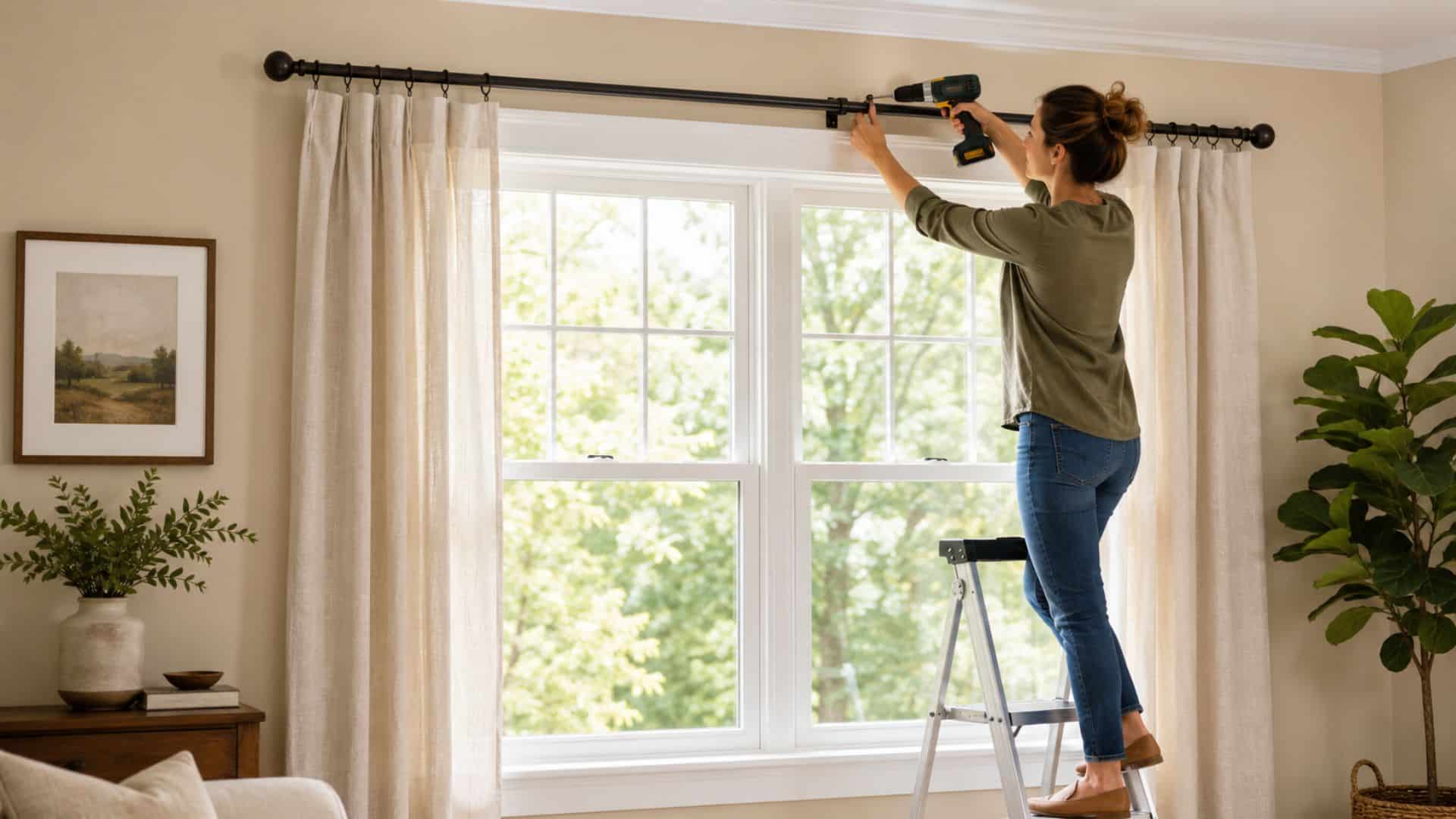
I start by measuring from where I plan to install the rod (not the existing one), typically 4–6 inches above the window frame and 3–4 inches beyond each side, down to exactly where I want the curtains to end.
-
Before anything else, decide how much clearance you want from the floor, whether you want the curtains to hover just above, puddle, or end at the sill, and measure accordingly.
-
Don’t forget to factor in the thickness of the rod, especially if it’s decorative, since it can add 1–2 inches to the total drop.
-
I always write down all my measurements and double-check them before ordering, sometimes even having someone else verify my math to be sure.
-
Finally, I test the planned curtain length by hanging a string or tape from the rod position to the endpoint. This lets me see exactly how the finished curtains will look and catch any issues before I buy.
Note: Getting the measurements right is only half the process, since how you hang curtainsalso affects their final length and appearance.
Conclusion
Choosing the right curtain length can noticeably affect how your room looks and feels. From sill-length to floor-length styles, each option has its place.
A curtain length chart is a helpful starting point, but your window height and rod placement matter just as much. Always measure before buying.
I’ve found that standard sizes work well for most rooms. For unusual windows or a specific finish, custom curtains may be worth considering.
The goal is to find curtains that look good and work for your space. Which curtain length would you choose for your home? Share your thoughts in the comments below!
Frequently Asked Questions
1. Do Curtains Shrink After Washing?
Yes, some cotton and linen curtains shrink after washing. Check the care label and prewash the fabric before hemming or altering.
2. Should Curtains Touch The Floor When Closed?
Curtains can lightly touch the floor for a tailored finish. But a small gap makes cleaning easier and prevents fabric wear.
3. Can You Use Different Curtain Lengths in The Same Room?
Yes, different lengths can work for windows with varying furniture placement. Keep the fabric and color consistent for a balanced appearance.
4. Can a Curtain Lengths Chart Help with Bay Windows?
Yes, a curtain lengths chart provides standard size options. Measure each bay window section separately to account for different window heights.