The modern kitchen has evolved far beyond a utilitarian enclosure strictly dedicated to culinary prep.
In upscale residential architecture, it now serves as the central anchor of the home: an expansive environment where architectural elegance, daily family routines, and entertaining intersect.
Because of this functional expansion, homeowners planning comprehensive renovations are looking past builder-grade finishes in favor of bespoke cabinetry, performance-grade appliances, and architectural materials engineered for decades of service.
Achieving a high-performing luxury kitchen requires balancing aesthetic refinement with technical execution, climate resilience, and ergonomic efficiency.
Structural Ergonomics and Multi-Zone Planning
Before selecting natural stone slabs or architectural hardware, the foundational success of any major remodel depends on spatial planning.
While traditional kitchen design relied on the conventional work triangle connecting the sink, refrigerator, and range, contemporary luxury floor plans demand dedicated task zones to support complex entertaining and multi-cook households:
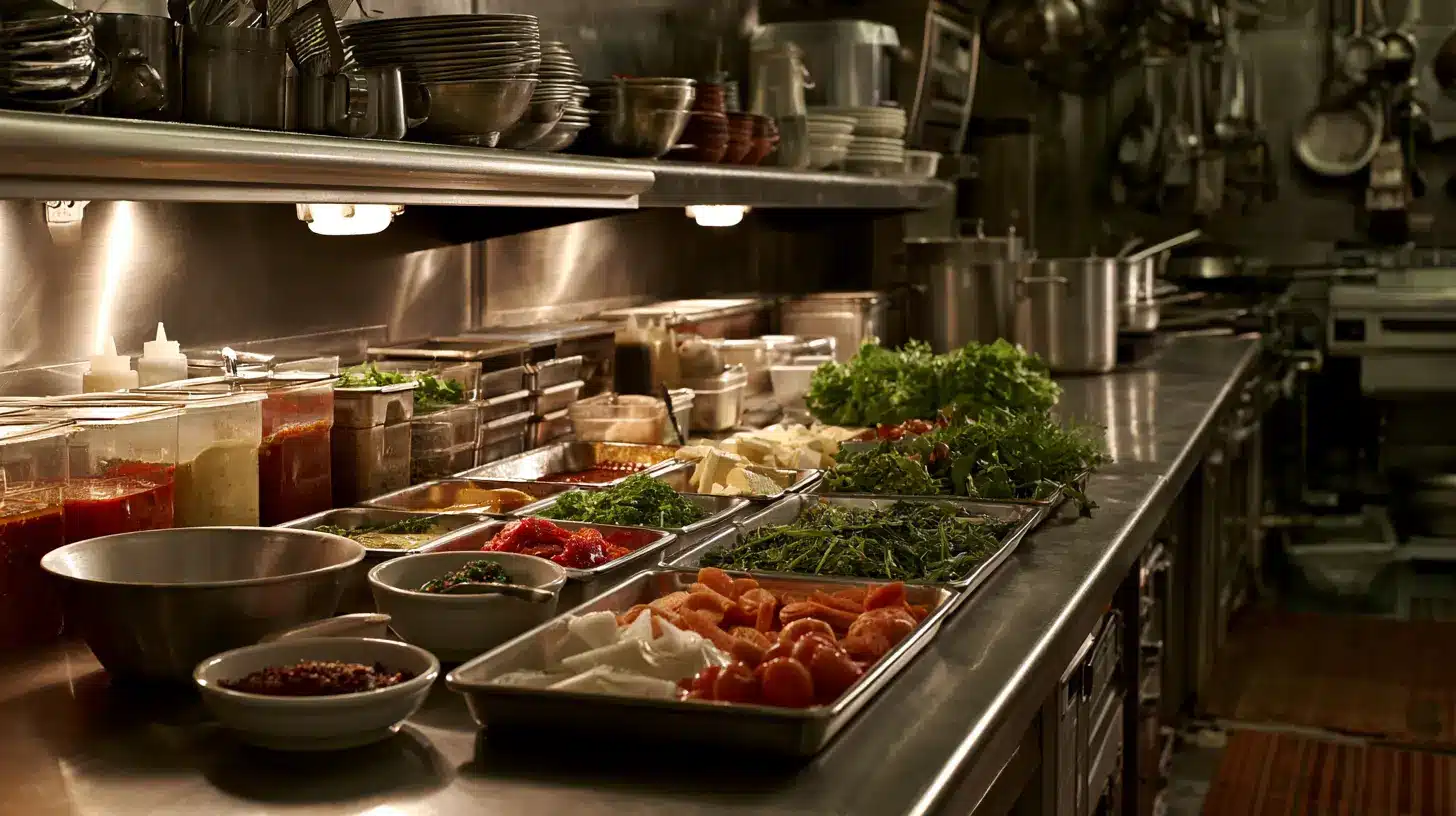
- Dedicated Prep Stations: Secondary prep sinks, integrated butcher blocks, and concealed waste disposal chutes built directly into perimeter surfaces.
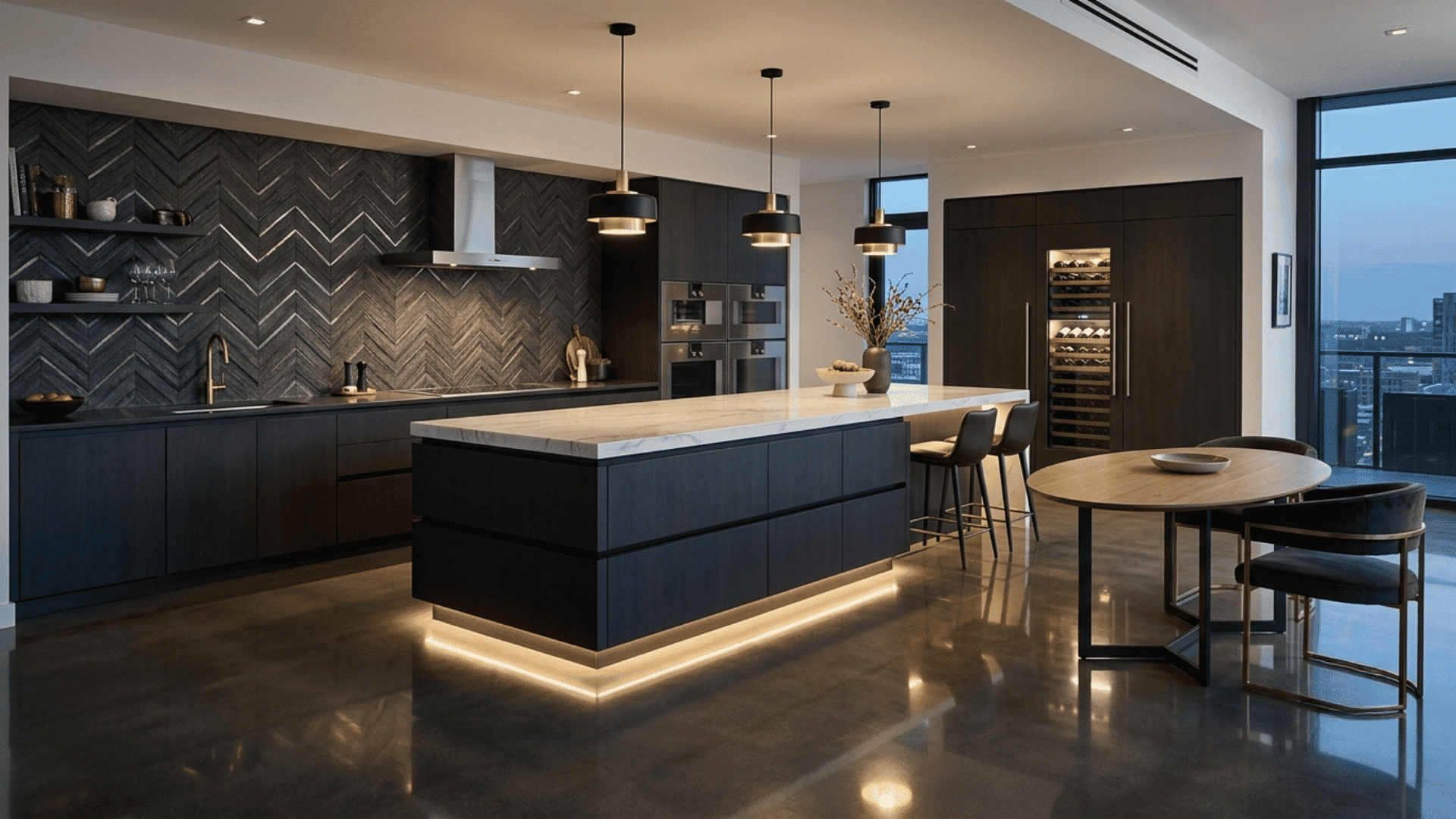
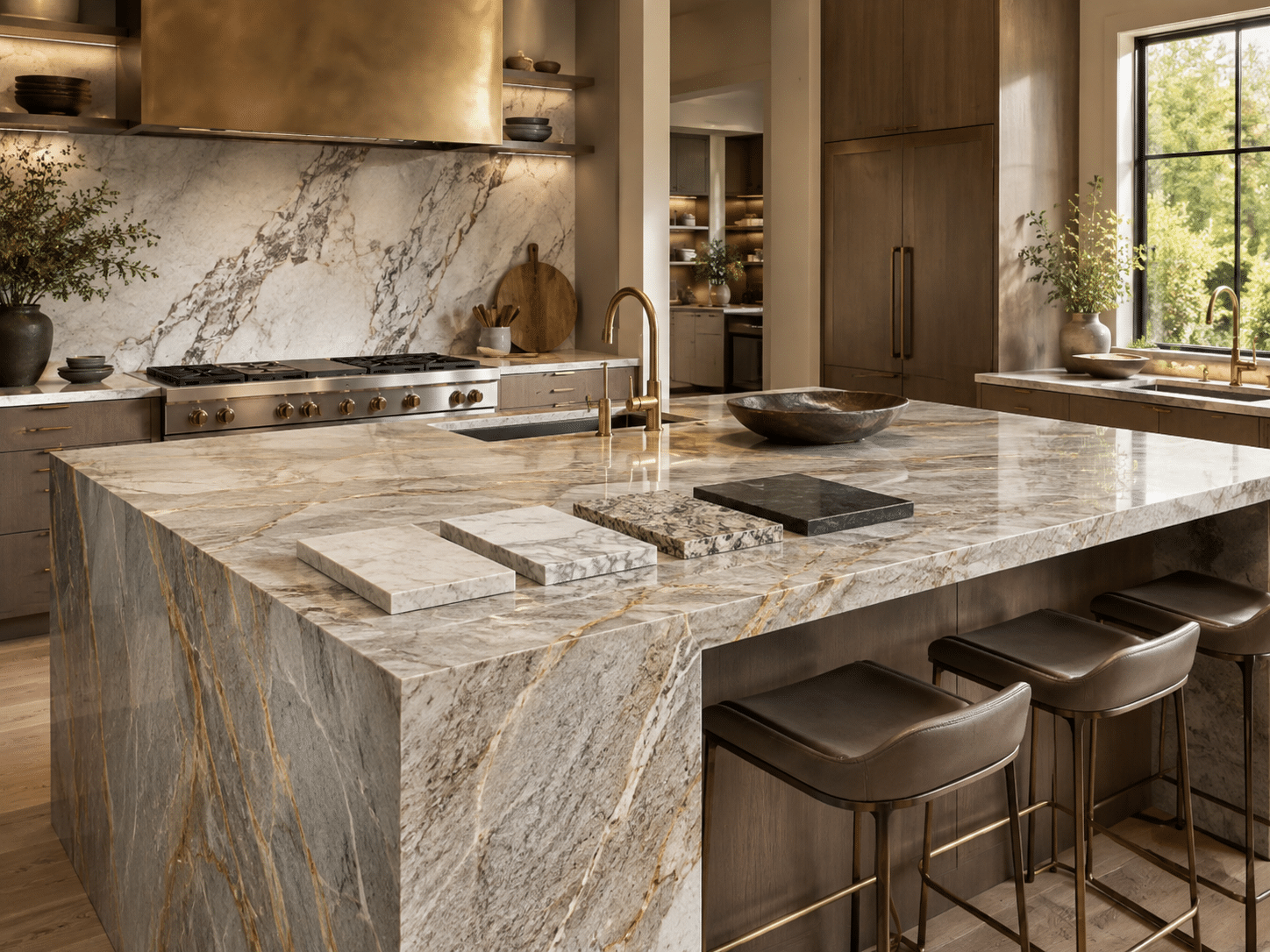
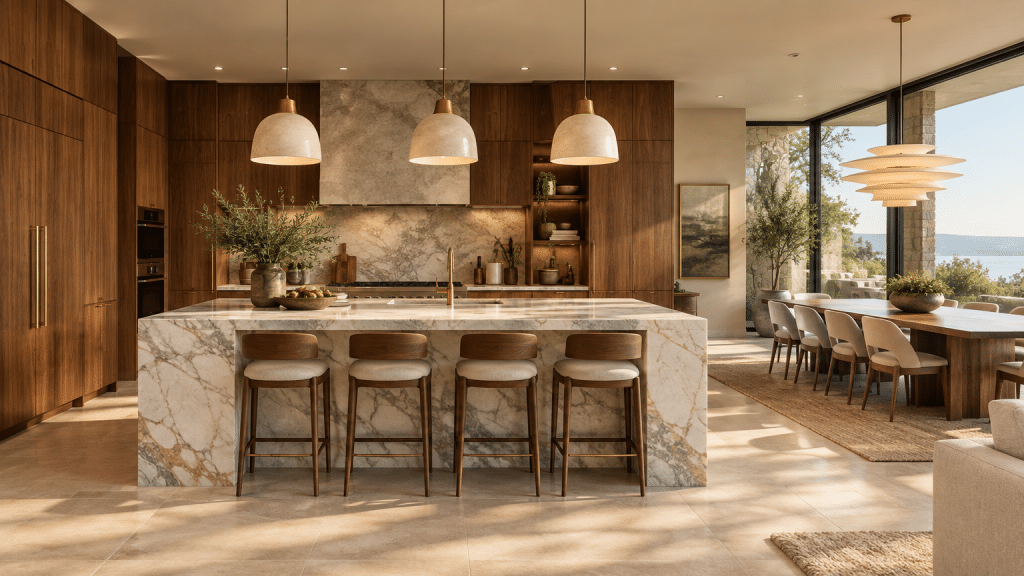
- Entertaining Centerpieces: Oversized waterfall islands that transition effortlessly into integrated dining banqueting, equipped with discreet under-counter beverage centers.
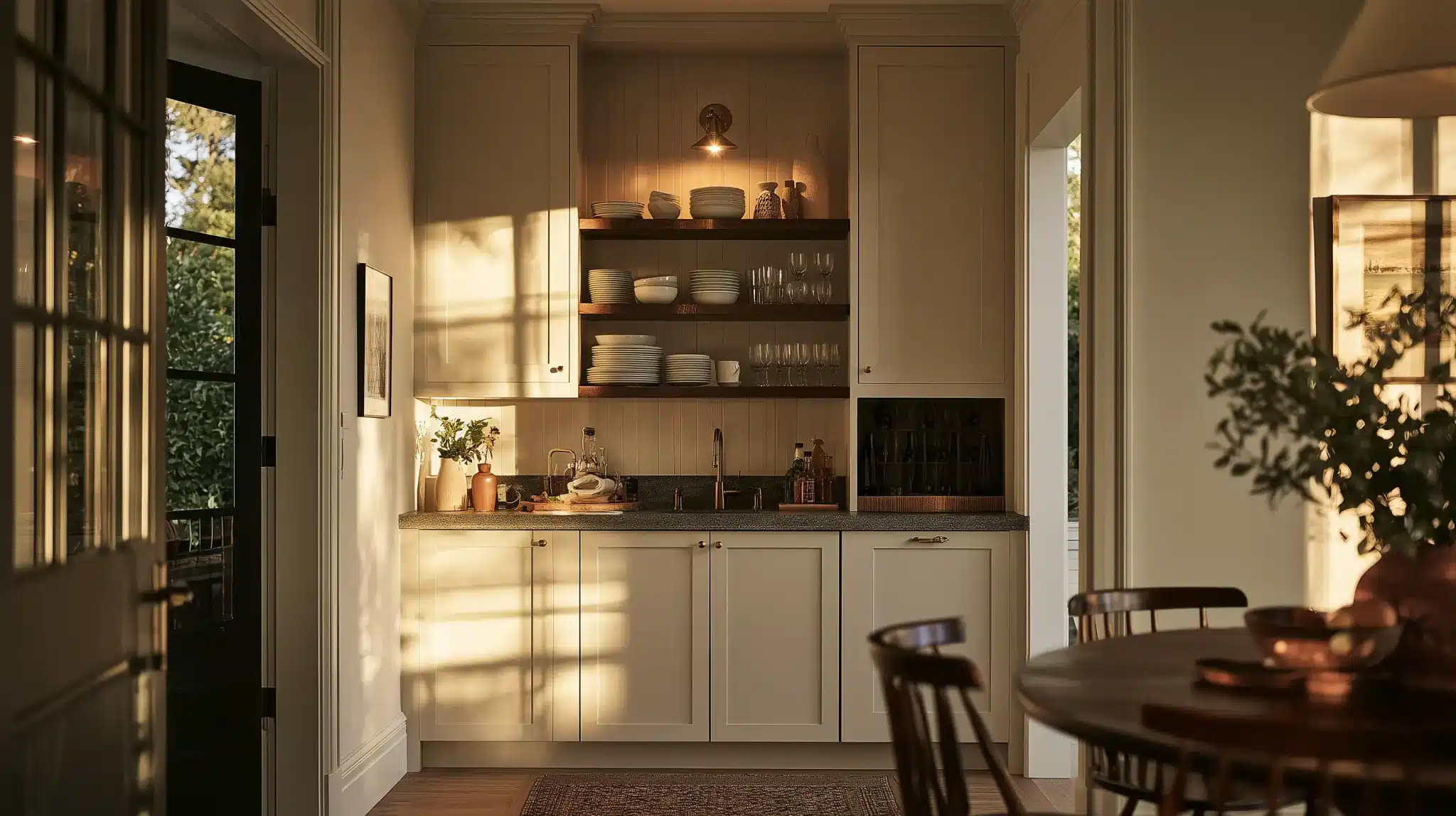
- Back-of-House Sculleries: Butler’s pantries that keep secondary dishwashers, small countertop appliances, and prep clutter entirely out of sight from the main living area.
Equally important is layered architectural illumination. High-end culinary environments combine functional 3000K recessed LED task lighting with under-cabinet linear arrays and statement pendant fixtures, all wired on independent dimming circuits to shift ambiance seamlessly from active meal preparation to intimate evening entertaining.
When these workflow zones are logically configured, circulation remains intuitive, preventing congestion during large social gatherings while elevating everyday efficiency.
Climate Resilience and Material Integrity
Material selection in luxury renovations must account for regional environmental factors as much as visual impact. In coastal and high-humidity climates like Southeast Texas, atmospheric moisture presents distinct challenges for indoor finishes.
Standard millwork substrates can swell, and unsealed natural stone readily absorbs moisture and acidic oils.
High-performance kitchens counteract these risks through rigorous material curation.
Quenched quartzites and non-porous engineered surfaces offer superior resistance to thermal shock and deep staining compared to untreated marbles. Furthermore, custom cabinetry requires premium furniture-grade plywood carcasses, marine-grade primers, and factory-baked conversion varnish finishes to resist ambient humidity fluctuations.
Below the surface, installing uncoupling membranes and moisture-vapor barriers over concrete slab foundations prevents moisture migration from warping wide-plank European white oak flooring or cracking large-format porcelain floor tiles.
Navigating MEP Engineering and Structural Alterations
The most demanding aspect of a luxury kitchen transformation lies behind finished walls. Expanding layouts often necessitates removing load-bearing partitions, installing flush-mount steel I-beams, and reconfiguring complex mechanical, electrical, and plumbing (MEP) infrastructure.
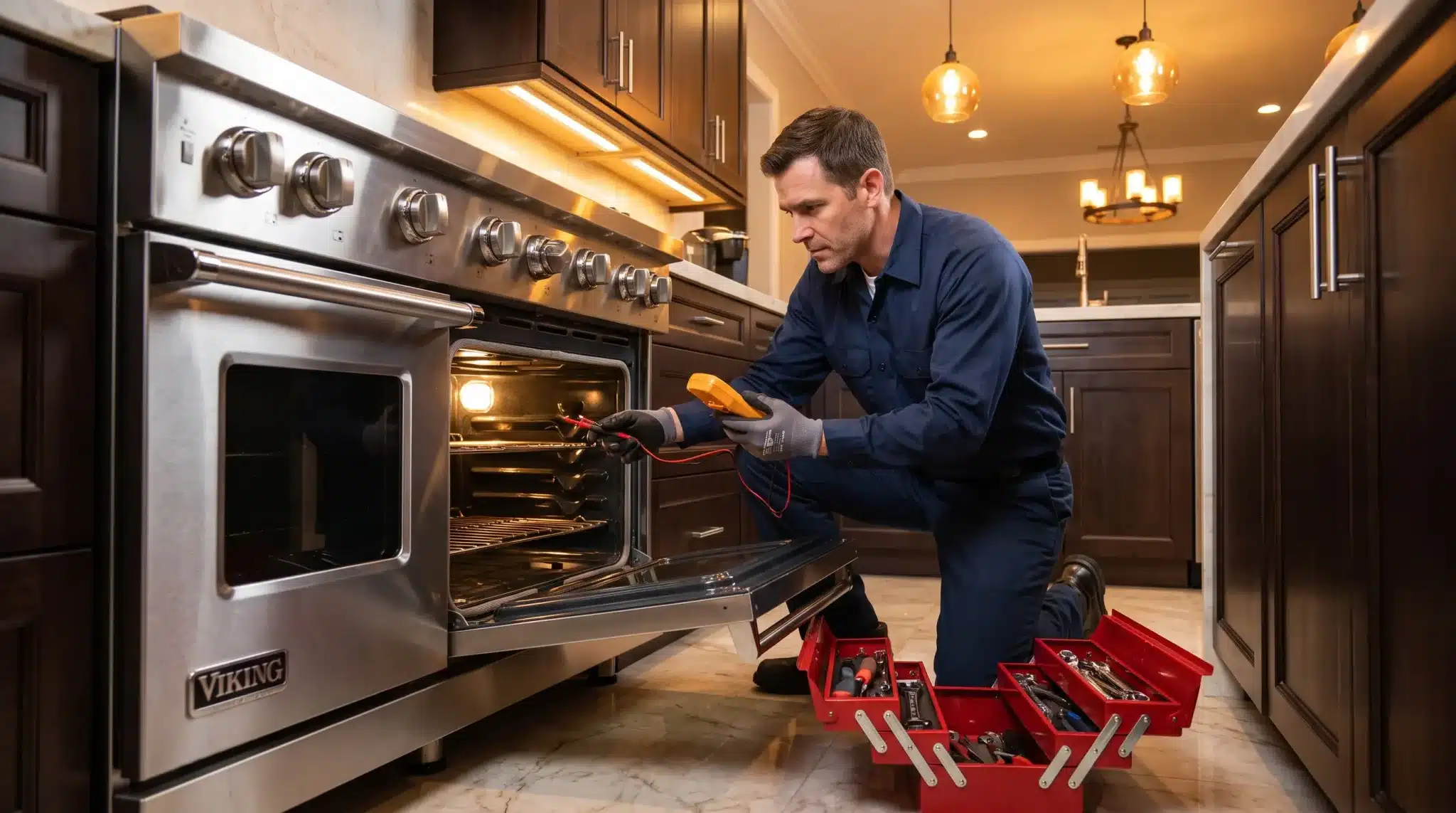
Modern high-output induction cooktops and commercial-grade dual-fuel ranges require dedicated 50-amp electrical circuits and engineered makeup air systems to satisfy localized municipal building codes.
This is where a design-build firm earns its place: custom kitchen remodeling in Houston by IAS Boutique Remodeling covers structural modifications, MEP upgrades, and permitting from initial concept through final inspection.
Professional project governance eliminates costly mid-construction delays and safeguards the architectural integrity of the home.
Verifiable Value: The Economics of Upscale Renovation
Beyond personal lifestyle enhancement, major kitchen renovations represent a measurable capital investment in residential real estate. Long-term market evaluations published in the Remodeling Magazine Cost vs. Value Report consistently indicate that comprehensive kitchen overhauls rank among the stronger interior residential projects for overall cost recovery at resale.
While upscale scopes carry higher upfront capital expenditures for specialty millwork and high-end mechanical infrastructure, they reliably preserve marketability and asset appeal in competitive luxury housing tiers.
Complementing the resale dynamics, research published in the National Association of Realtors Remodeling Impact Report emphasizes homeowner satisfaction, consistently rating kitchen renovations among the highest-performing interior remodels for long-term project contentment and daily living utility.
Property owners report a markedly stronger desire to remain in their homes, noting enhanced functional enjoyment after replacing dated infrastructure with tailored architectural designs.
Ultimately, an enduring kitchen remodel is an exercise in craftsmanship and intentionality.
When homeowners unite spatial ergonomics, climate-appropriate construction assemblies, and precision execution, the result is a culinary centerpiece that enriches daily living while preserving long-term property value.