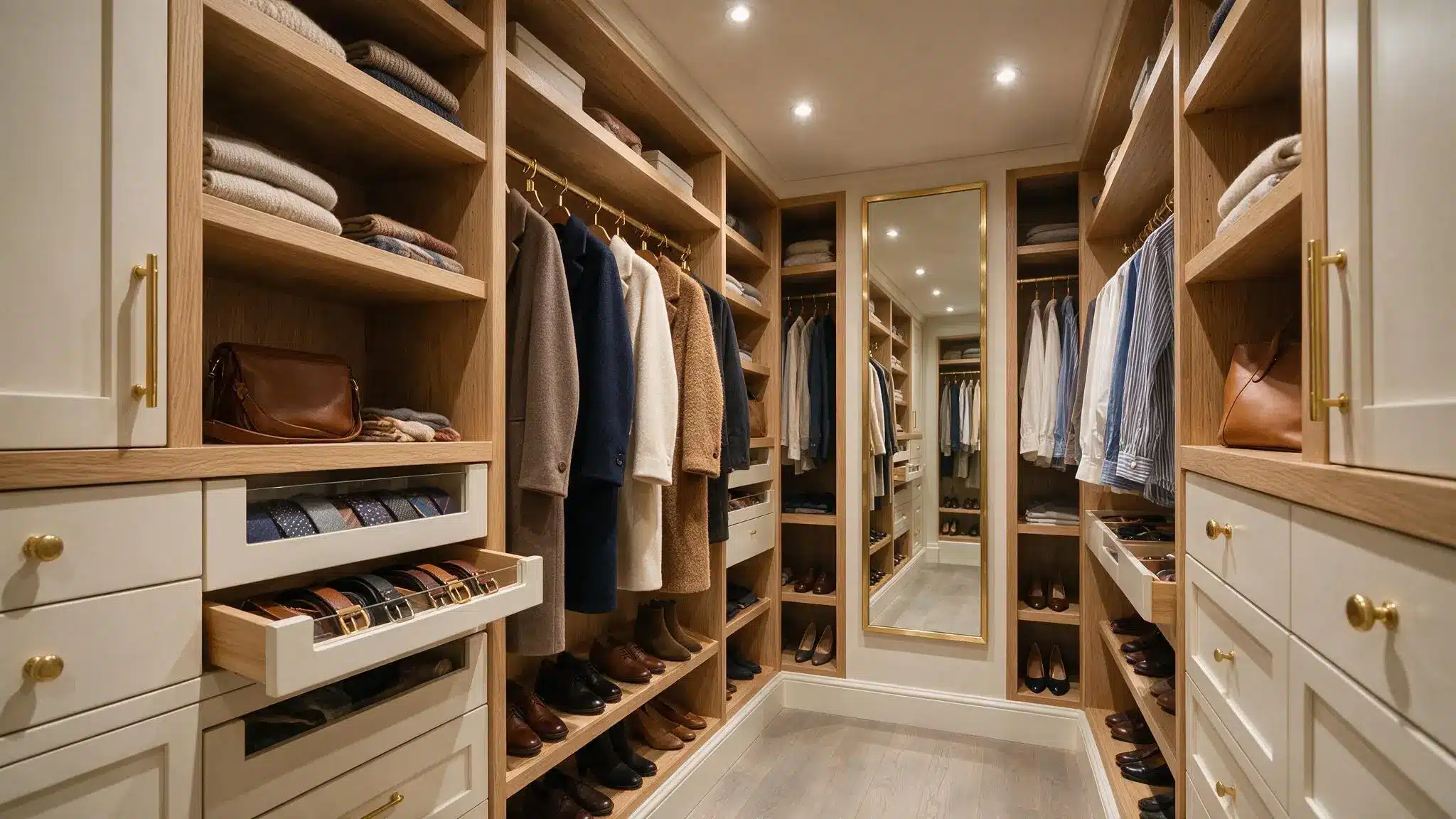
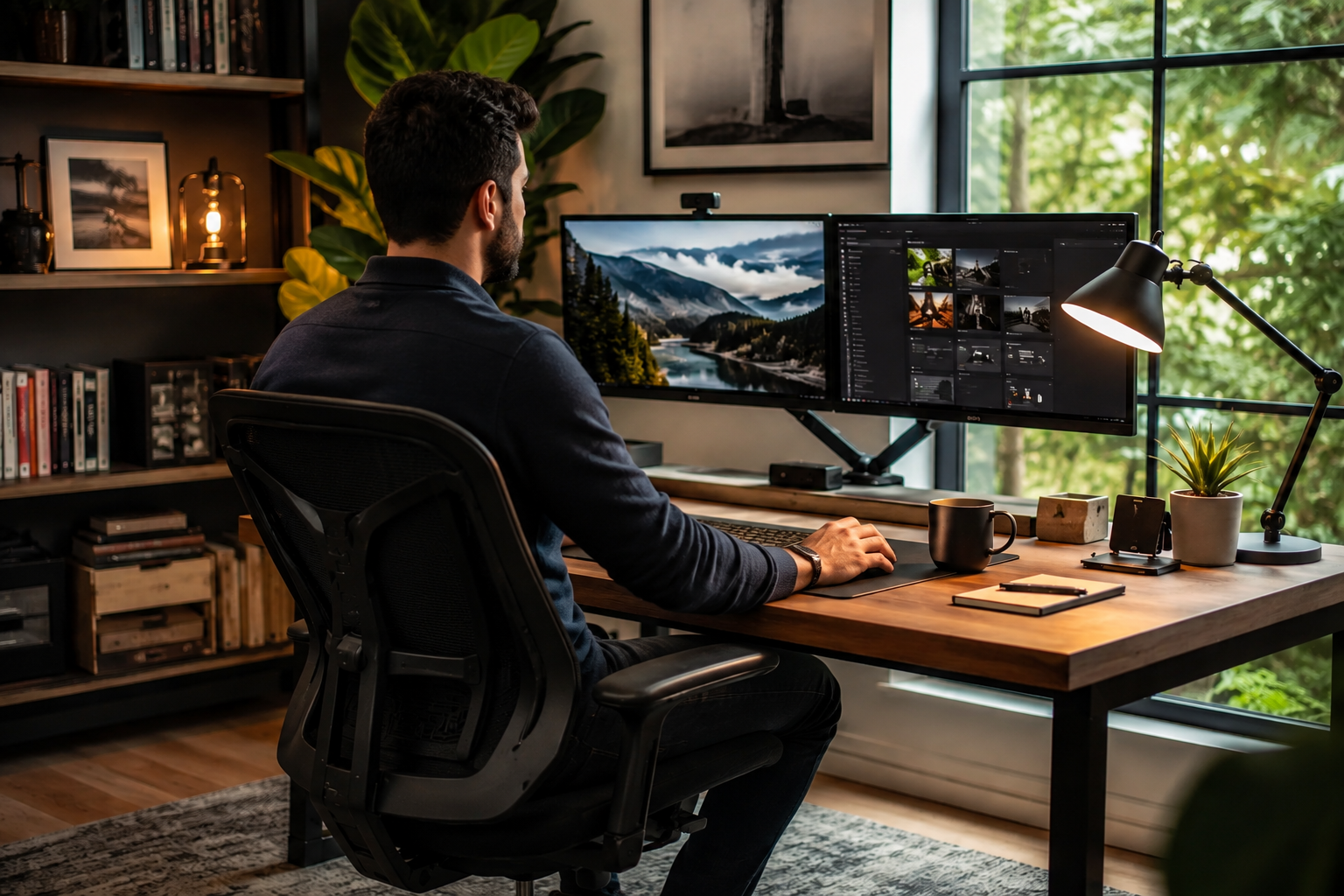
You walk into a room and your eyes go somewhere first. Every time. That pull isn’t random, it’s emphasis doing its job.
Maybe you’ve moved the same living room around three times this month. The furniture works. The colors are fine. But the space still feels off. What’s missing is a clear focal point, the one thing that gives the room a place to start.
Without it, even a nice room can feel scattered. With it, everything settles. Emphasis is what turns a collection of pieces into a room that actually feels finished.
Emphasis in Interior Design Definition
Emphasis is the design principle that makes your eyes land in one place the moment you walk into a room.
It’s not about adding extra stuff for the sake of it. It’s about choosing one thing that becomes the starting point so the rest of the room doesn’t fight for attention.
Most rooms already have something that can do this job. A fireplace. A big window. The bed against the main wall.
The real skill is noticing what’s already there and giving it enough presence so it actually stands out, instead of just piling on more furniture and hoping something eventually catches the eye.
Emphasis in Interior Design Examples
Emphasis looks different depending on the room, but the goal stays the same. One feature gets to lead, and everything else stays quiet enough to let it
Emphasis in the Living Room
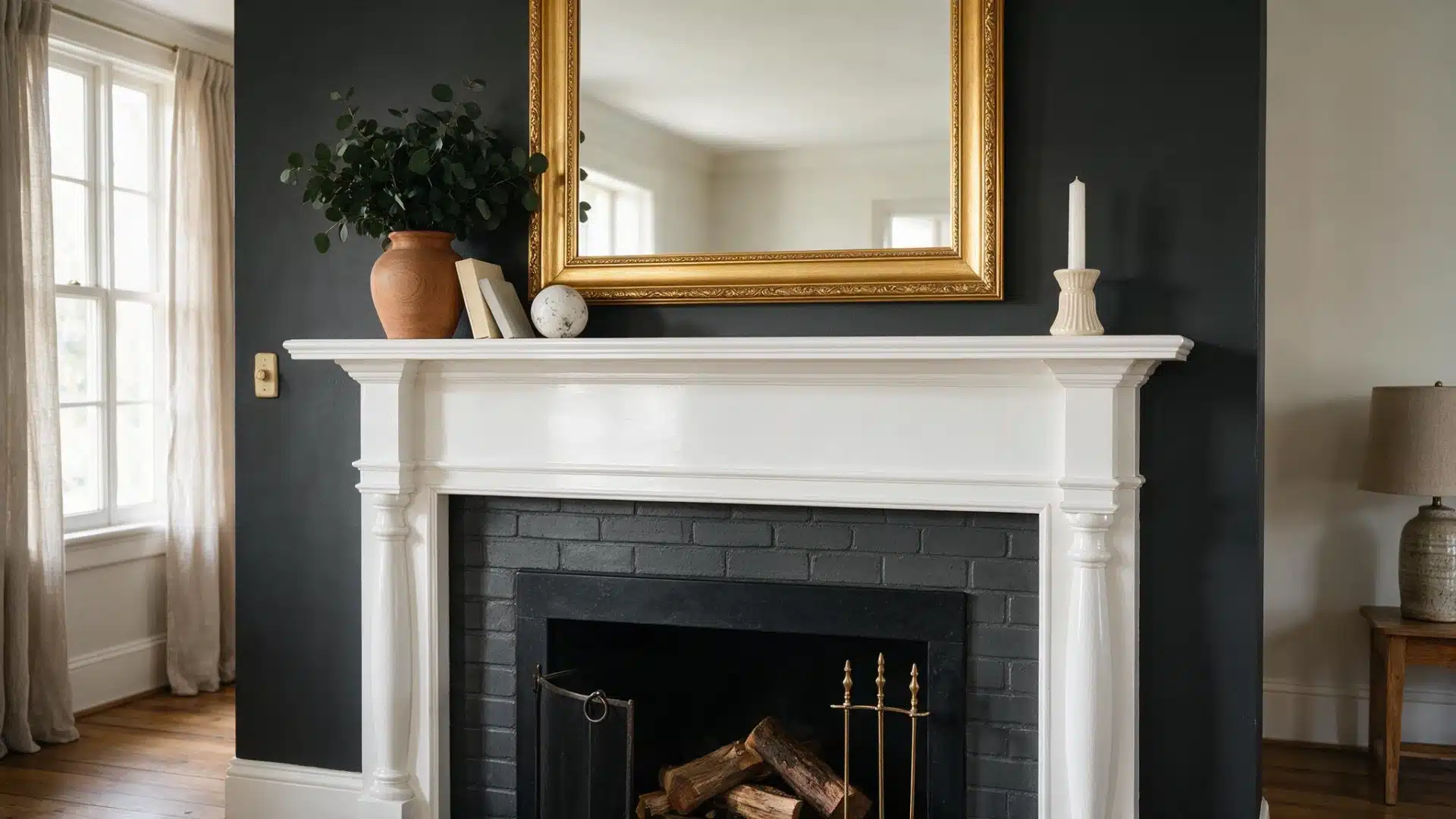
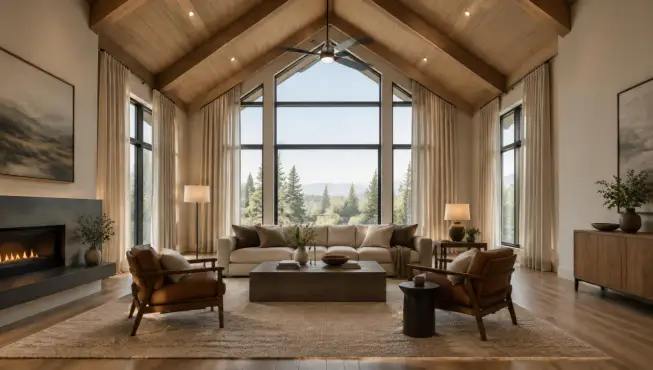
A fireplace is the classic one. If you have one, lean into it with a strong mantel, a bold piece of art above it, or simply keep the wall around it quieter so the eye has nowhere else to go first.
A large artwork can do the same job if the fireplace isn’t there. So can a statement sofa, a media wall, or a big window that already draws light and attention.
The goal is the same: pick one thing and let it lead.
Emphasis in the Bedroom
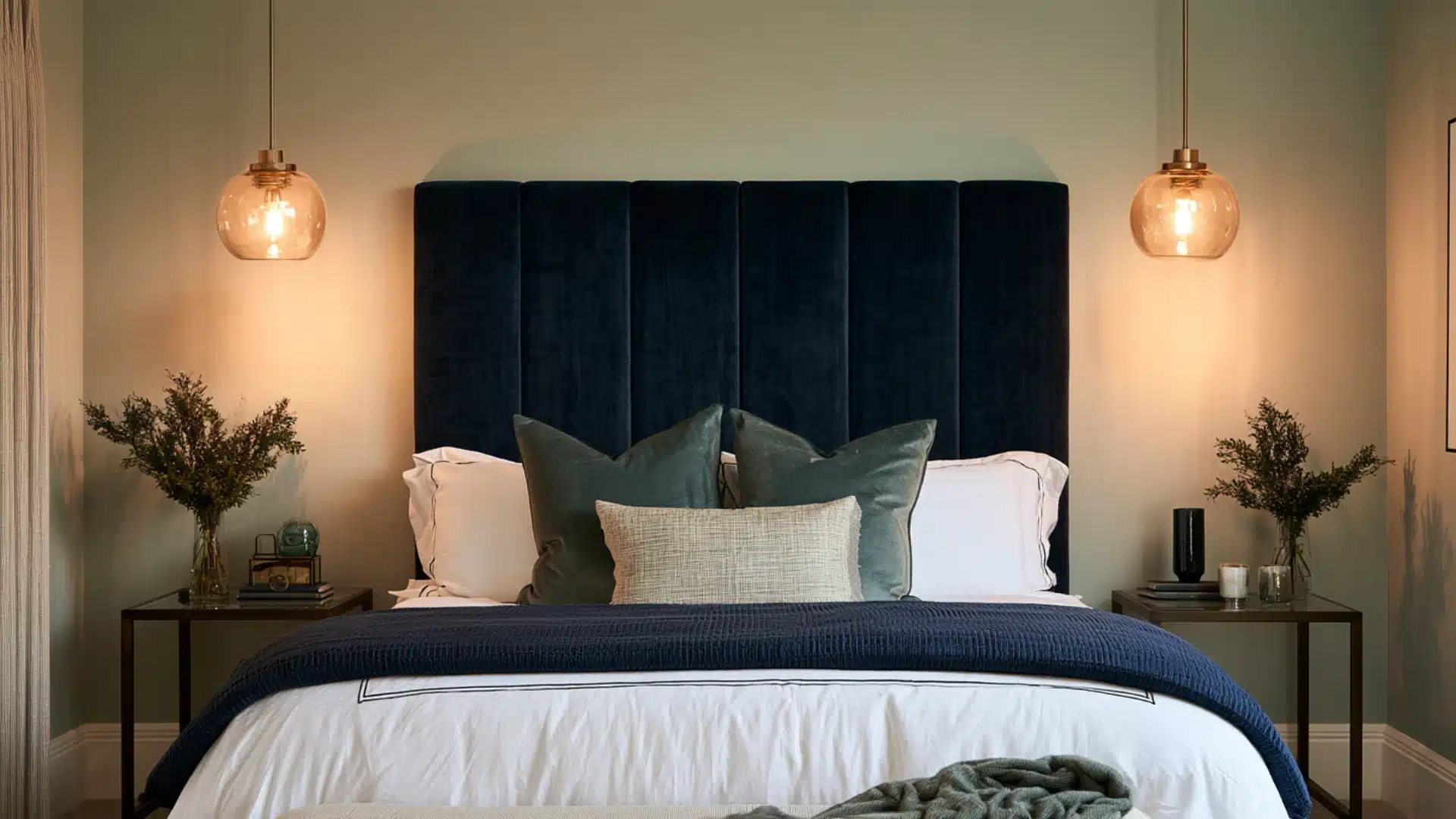
Most of the time the bed is already the natural centre. Give it a solid headboard, keep the wall behind it intentional, and the room usually settles.
Pendant lights or sconces on either side help reinforce that focus without clutter. Artwork above the bed works too, as long as it doesn’t compete with the bed itself.
Emphasis in the Dining Room
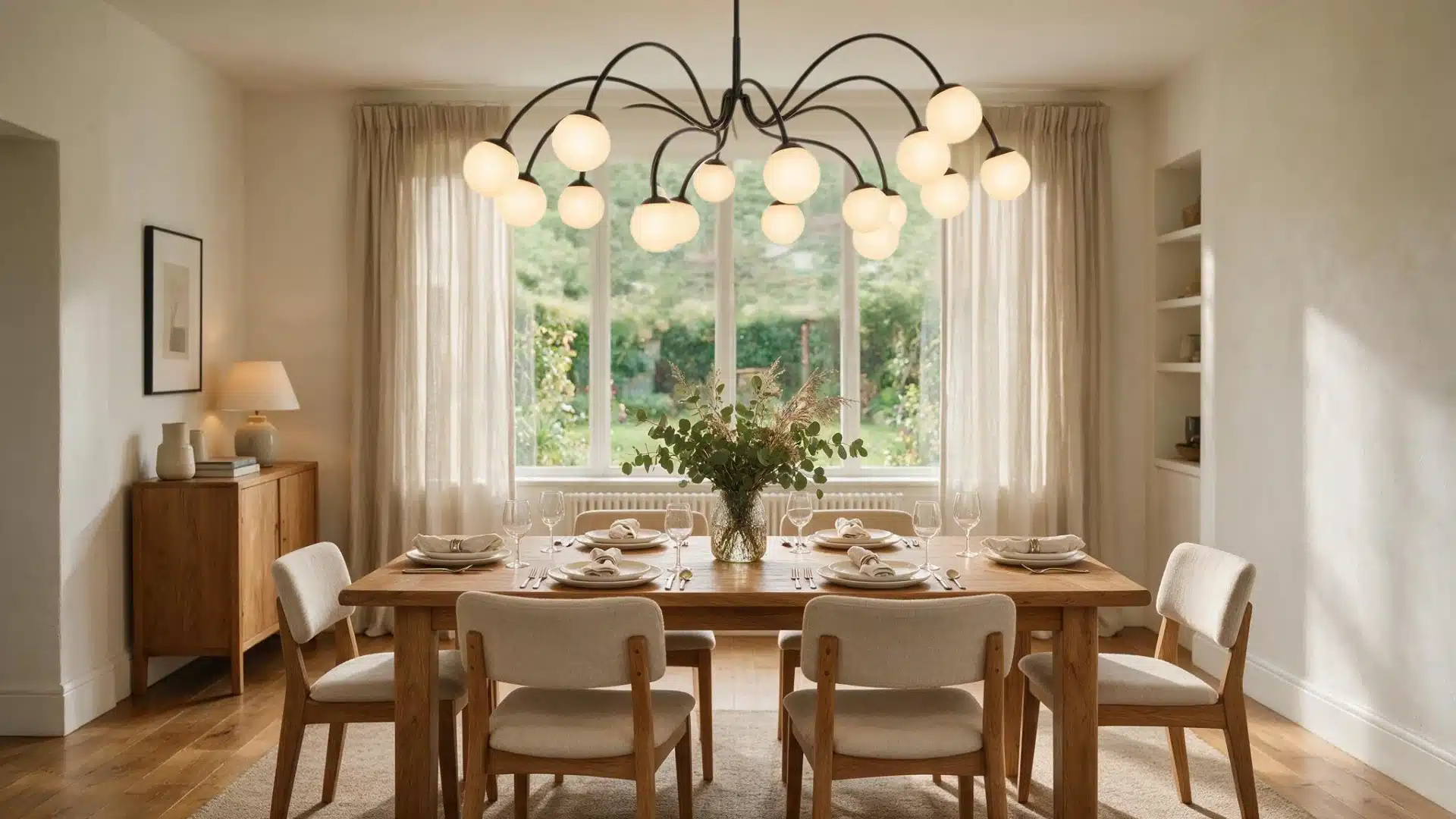
The table is usually the obvious starting point. A strong chandelier or pendant hanging above it locks the eye in place the second someone walks in.
Large artwork on the main wall or a feature wall behind the table can also take the lead if the lighting isn’t doing enough on its own.
Emphasis in the Bathroom
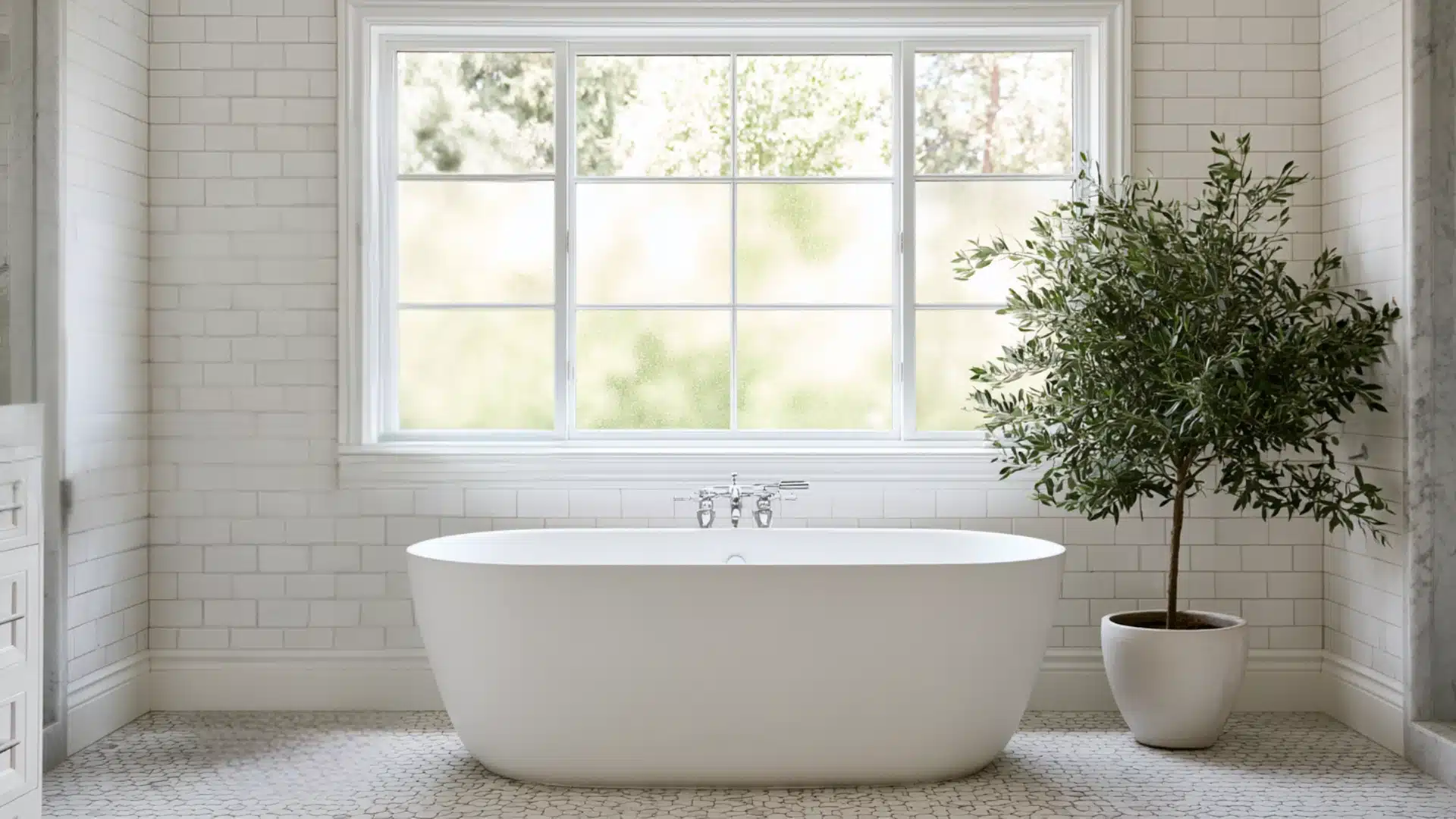
The vanity is the everyday anchor for most bathrooms. A freestanding tub becomes the clear focus the moment it’s in the room.
Strong shower tile or a statement mirror can pull the same weight when the layout doesn’t give you a tub to work with.
7 Ways to Create Emphasis in Interior Design
You don’t need a full renovation to give a room a clear focal point. Small, deliberate choices usually do more than a big overhaul. Most of these work with what you already have.
1. Use Colour Contrast
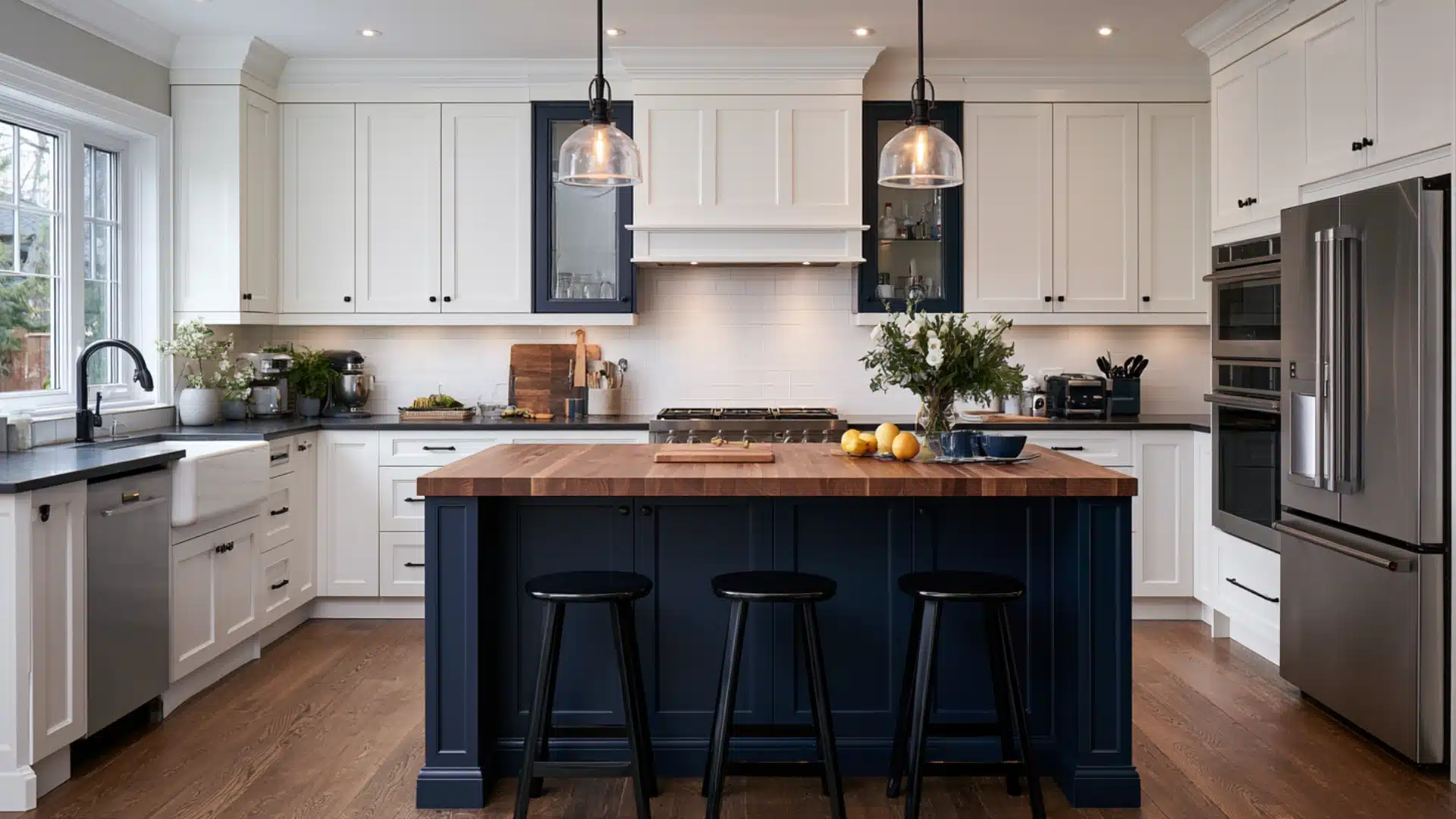
A colour that sits apart from everything around it will catch the eye fast.
Paint the fireplace wall a different shade, put a colourful sofa in an otherwise neutral room, or make the kitchen island a darker tone than the cabinets.
It doesn’t have to be bright. A deep charcoal wall against soft white trim is often enough.
2. Change the Scale
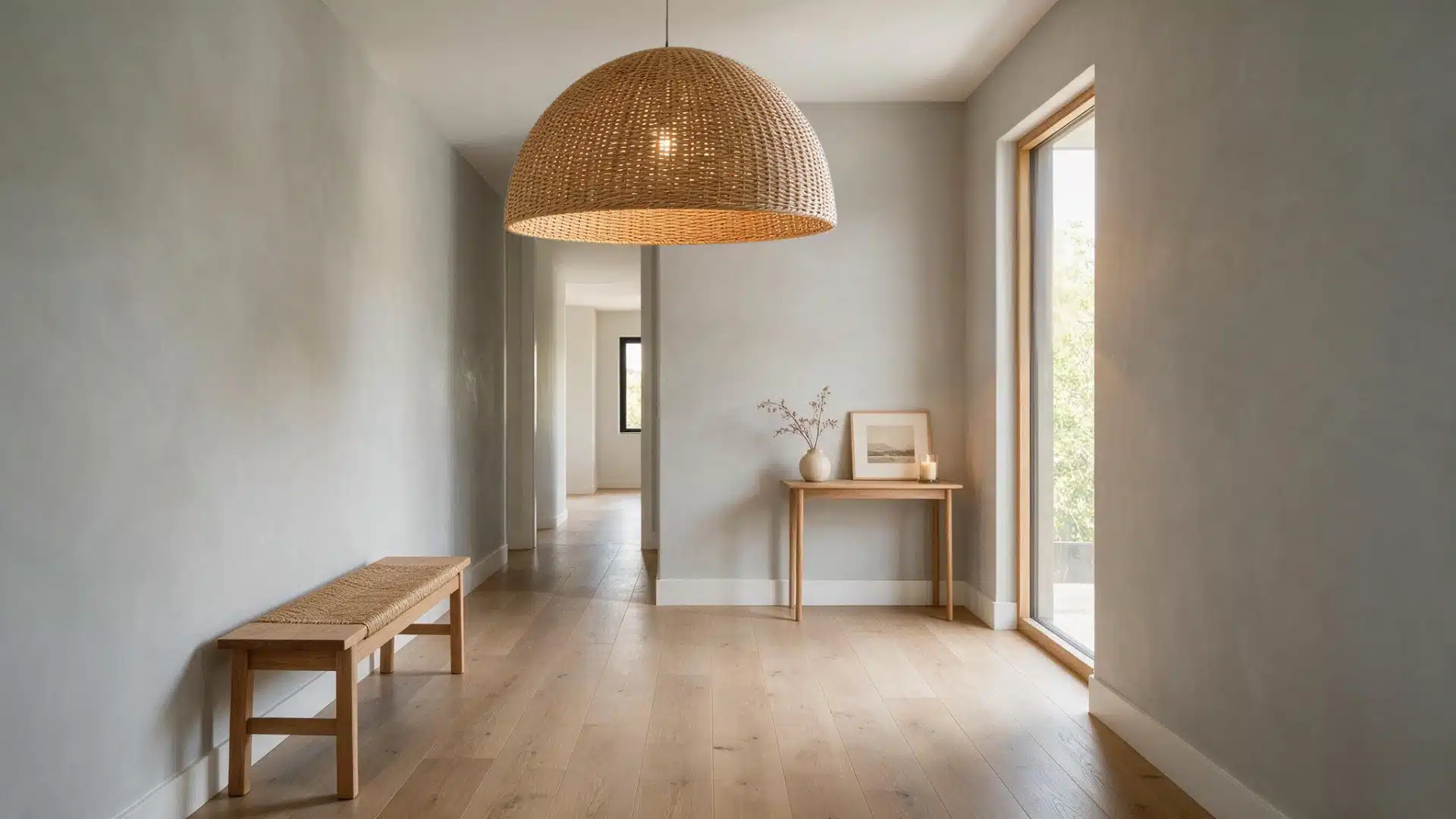
Something oversized naturally feels important. A large piece of art, a tall headboard, or a big pendant light will pull attention just because of its size.
Keep the pieces around it quieter so the bigger one has space to stand out instead of fighting with everything else in the room.
3. Use Strategic Lighting
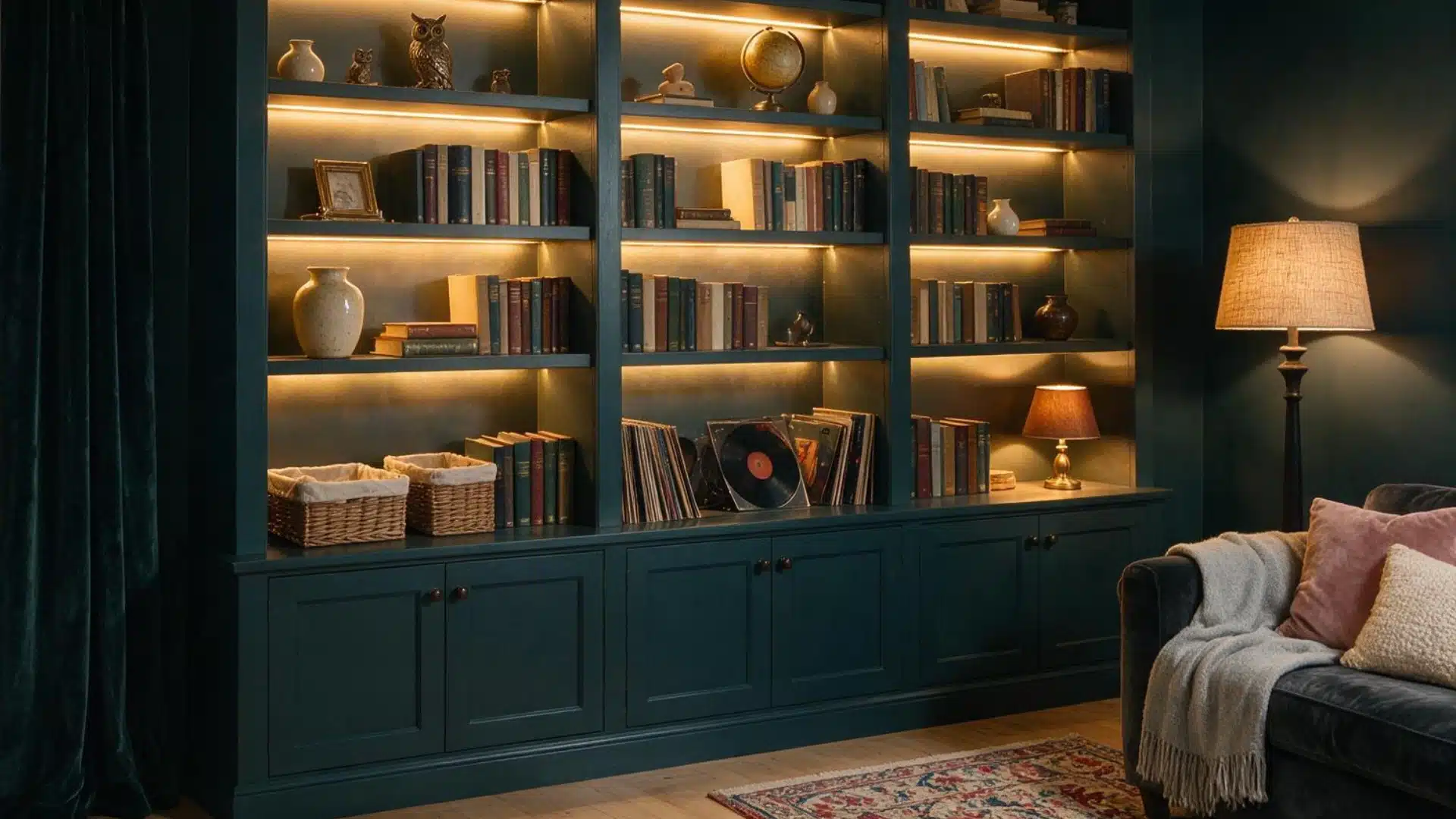
Pendants, sconces, spotlights, and picture lights can all direct the eye. Lighting works best when it supports something that’s already there.
A simple spotlight on existing artwork does more than adding another competing feature across the room.
4. Introduce a Different Texture
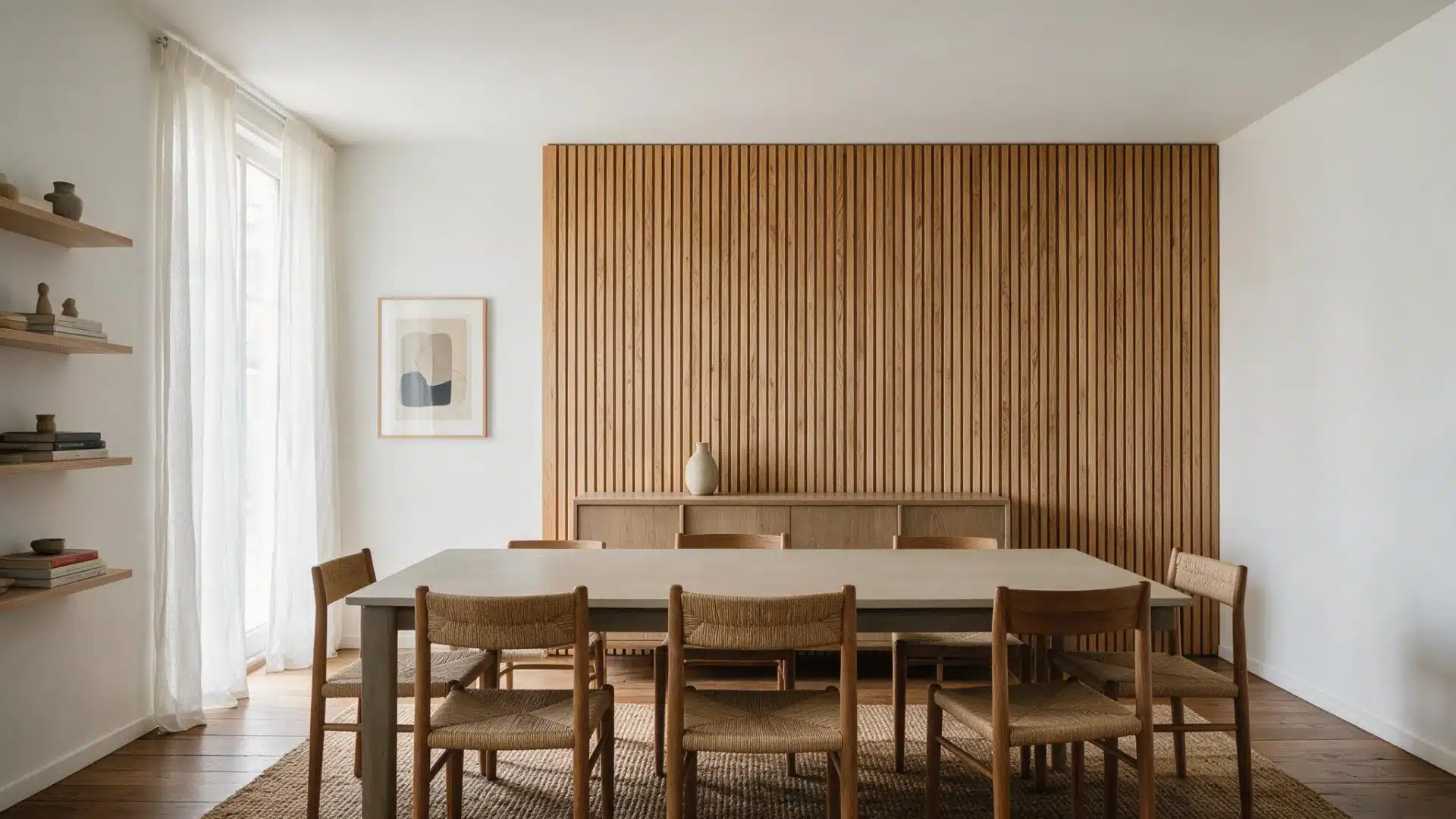
A material that breaks from the surfaces around it will stand out without needing strong colour.
Stone around a fireplace, a wood-slat wall, textured plaster, or an upholstered headboard all work because they feel different from what’s next to them.
5. Use Pattern Carefully
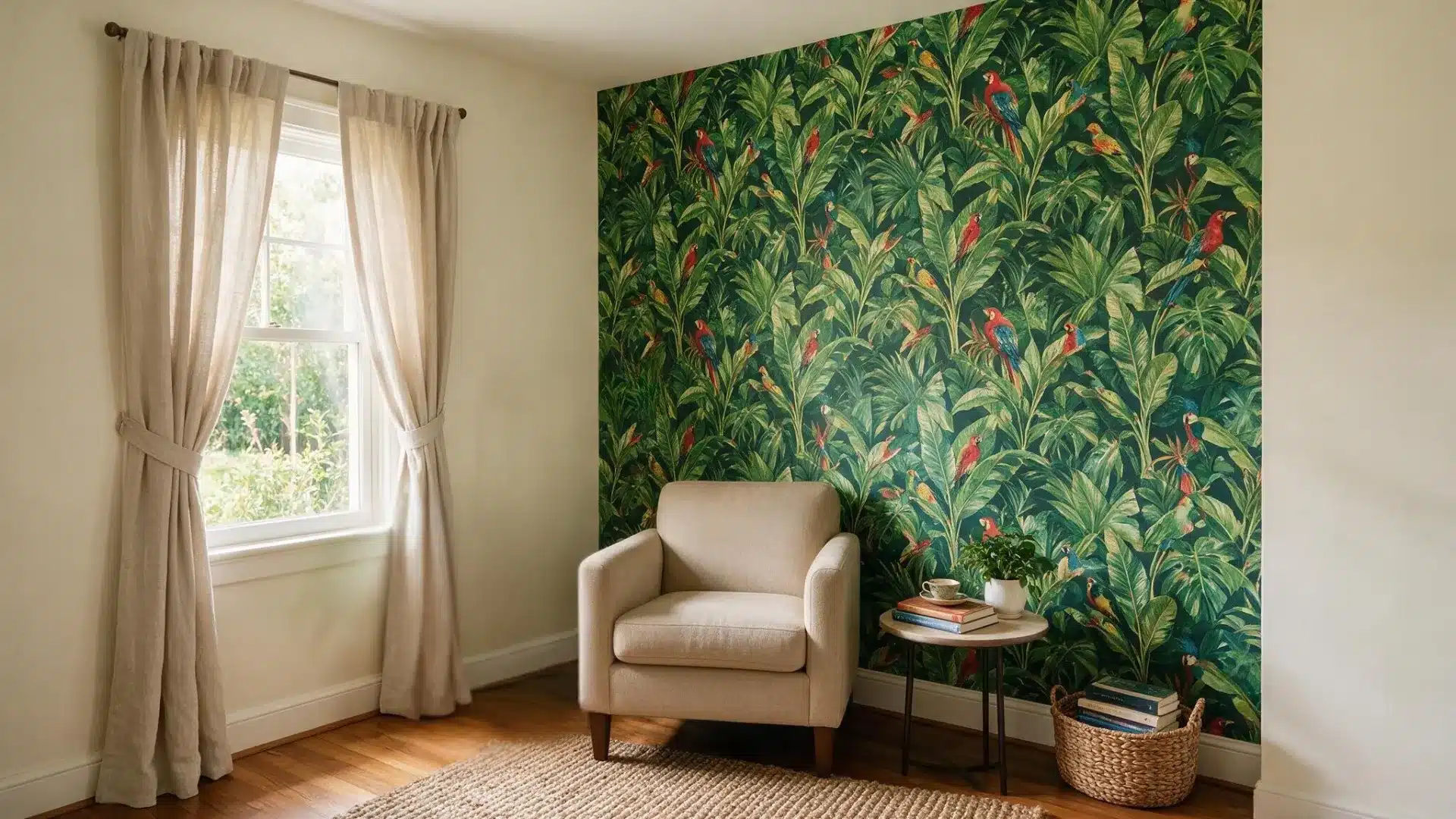
Wallpaper, patterned tile, or patterned fabric naturally draws the eye. It works best when the surfaces nearby stay plain.
A patterned accent wall next to simple furniture looks meaningful. Layering patterns on patterns usually cancels the effect out.
6. Create Emphasis Through Placement
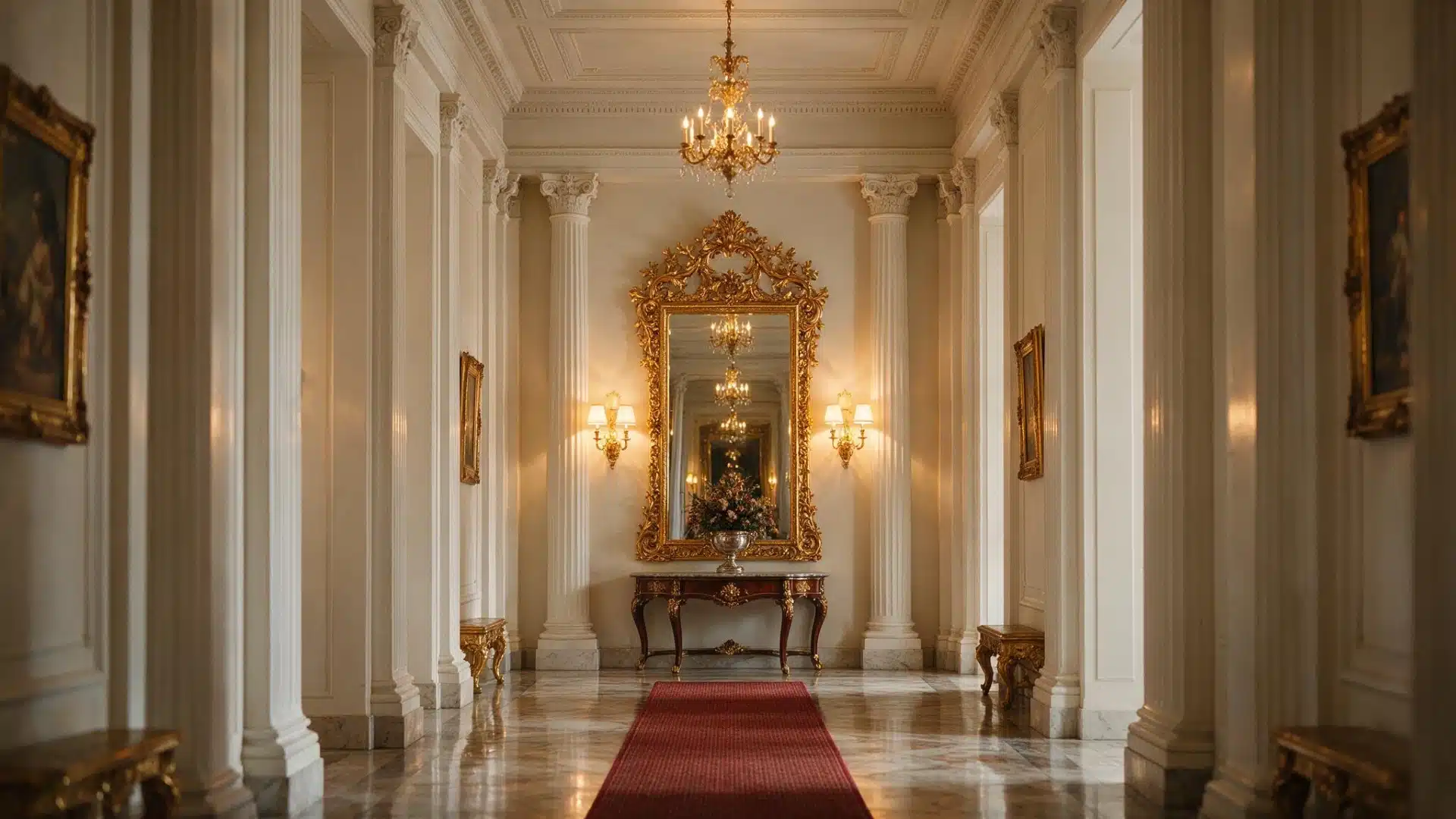
Where something sits matters as much as what it is. Art above a fireplace, a bed centred on the main wall, or a dining table under a pendant all work because they sit where the eye already wants to go first.
7. Use Architectural Features
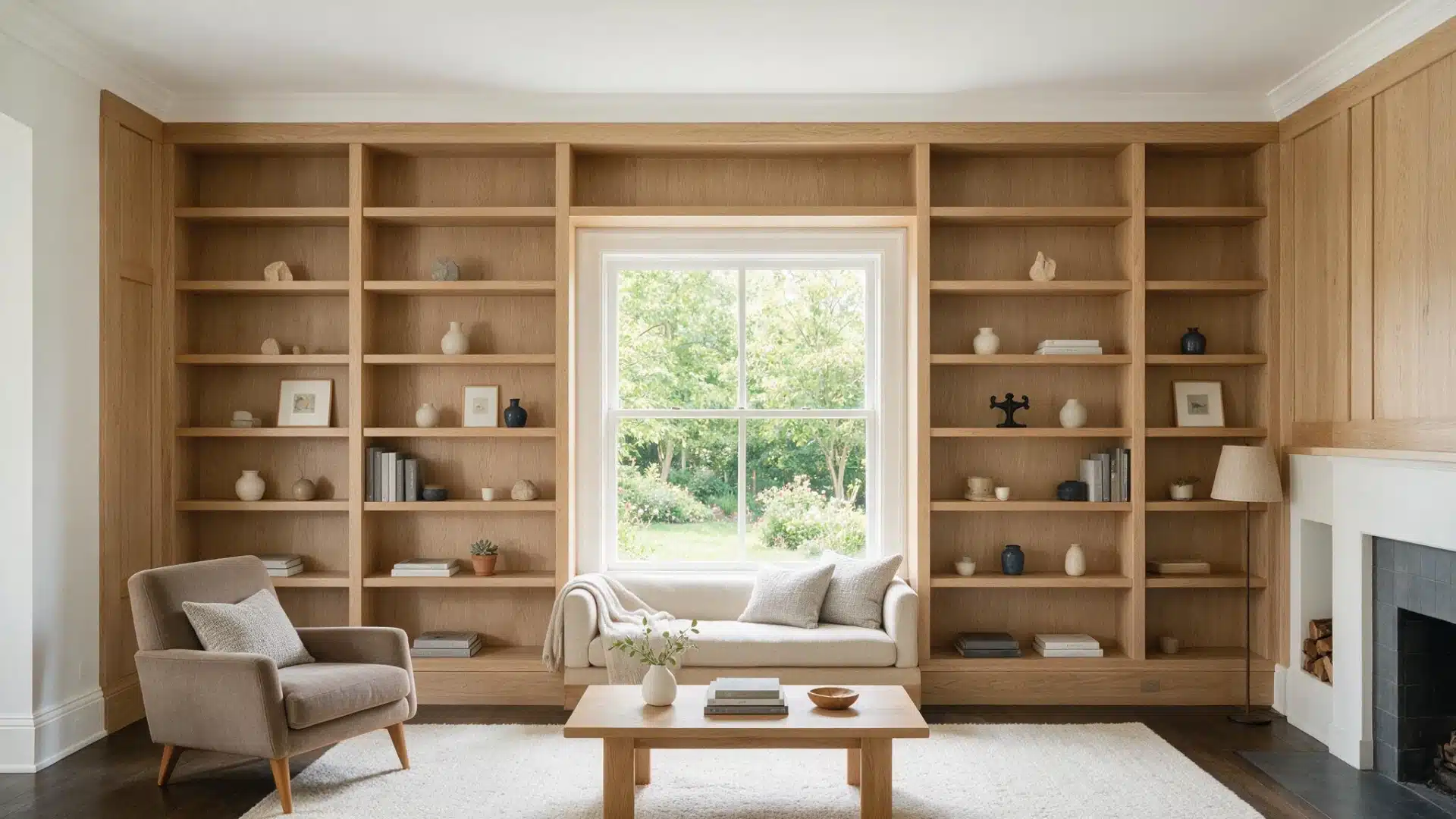
Fireplaces, built-in shelves, arches, ceiling details, large windows, and staircases can all become the focal point on their own.
These features often don’t need extra decoration. Sometimes the strongest move is simply highlighting what’s already in the room instead of adding something new on top of it.
Emphasis vs Focal Point: Are They the Same?
They sound interchangeable, but they’re not quite the same thing.
Emphasis is the design principle. A focal point is usually what you get when you apply it.
Think of it like this:
Emphasis is the decision to make one part of the room stand out. The focal point is whatever ends up holding that attention: a fireplace, a bed, a piece of art.
In a bedroom, for example, painting the wall behind the bed a different colour, adding a tall headboard, and hanging a pendant light nearby are all choices that use emphasis.
The bed becomes the focal point because those decisions work together to put it there.
| Emphasis | Focal Point |
|---|---|
| A design principle | A specific visual feature |
| Directs attention | Receives attention |
| Created through color, scale, contrast, lighting, or placement | Can be a fireplace, artwork, window, bed, or other feature |
Make One Feature the Star of the House!
Emphasis in interior design is not about adding more to a room.
It is about choosing one feature and letting it lead, whether that is a fireplace, a headboard, or a wall you decide to make bolder than the rest.
Once that focal point is in place, everything else in the room settles around it.
Things feel more balanced and less chaotic, and you don’t have to buy anything extra to make it happen.
Frequently Asked Questions (FAQs)
1. How Do You Create Emphasis Without an Accent Wall?
Use lighting, scale, or texture instead. A bold piece of furniture, a statement light fixture, or a textured material works just as well.
2. What is the Difference Between Emphasis and Contrast in Interior Design?
Emphasis creates a focal point. Contrast is one tool used to create that emphasis, alongside scale, texture, and placement.
3. How Do You Create Emphasis in a Small Room?
Pick one feature only. Keep everything else simple, since small rooms get cluttered fast when too many elements compete for attention.