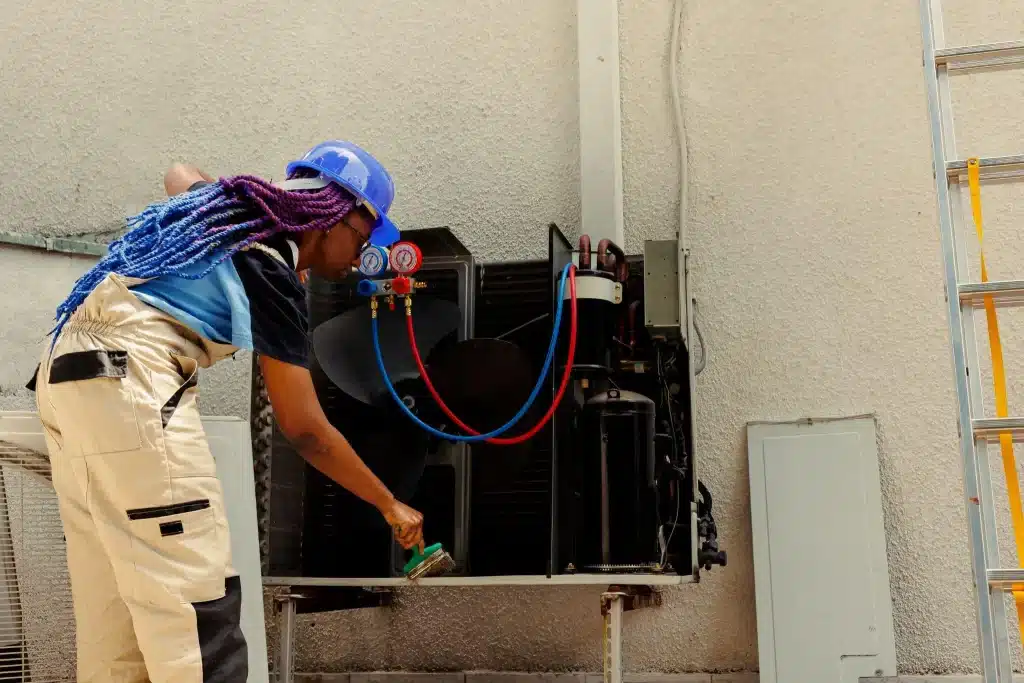
A Chicago summer can make you uncomfortable without the temperature being unusually high. You walk into the house expecting relief from the heat, but the air still feels heavy. The thermostat says 72 or 74 degrees, yet the room feels damp and sticky.
Humidity is often the reason.
Your air conditioner is not only responsible for lowering the temperature inside your home. It also removes moisture from the air as it cools. When outdoor air is carrying a lot of moisture, that second job becomes much more important.
For homeowners in Naperville and nearby communities, understanding how humidity affects an AC system can make it easier to recognize a genuine cooling problem before it turns into a larger repair.
What Humidity Has to Do With Air Conditioning
Think about what happens when you take a cold drink outside on a humid day. Water quickly forms on the outside of the glass. Your air conditioner deals with moisture in a somewhat similar way.
Warm indoor air passes over the cold evaporator coil inside the system. Moisture in that air condenses on the coil and is carried away through the condensate drain. At the same time, the cooled air is sent back into the house.
That means an AC has two jobs during a humid summer: lower the temperature and remove moisture.
When humidity is high, the system has more moisture to deal with. Chicago summers can bring periods of high humidity, increasing the amount of moisture an air-conditioning system has to manage.
Why Your House Can Feel Humid Even With the AC Running
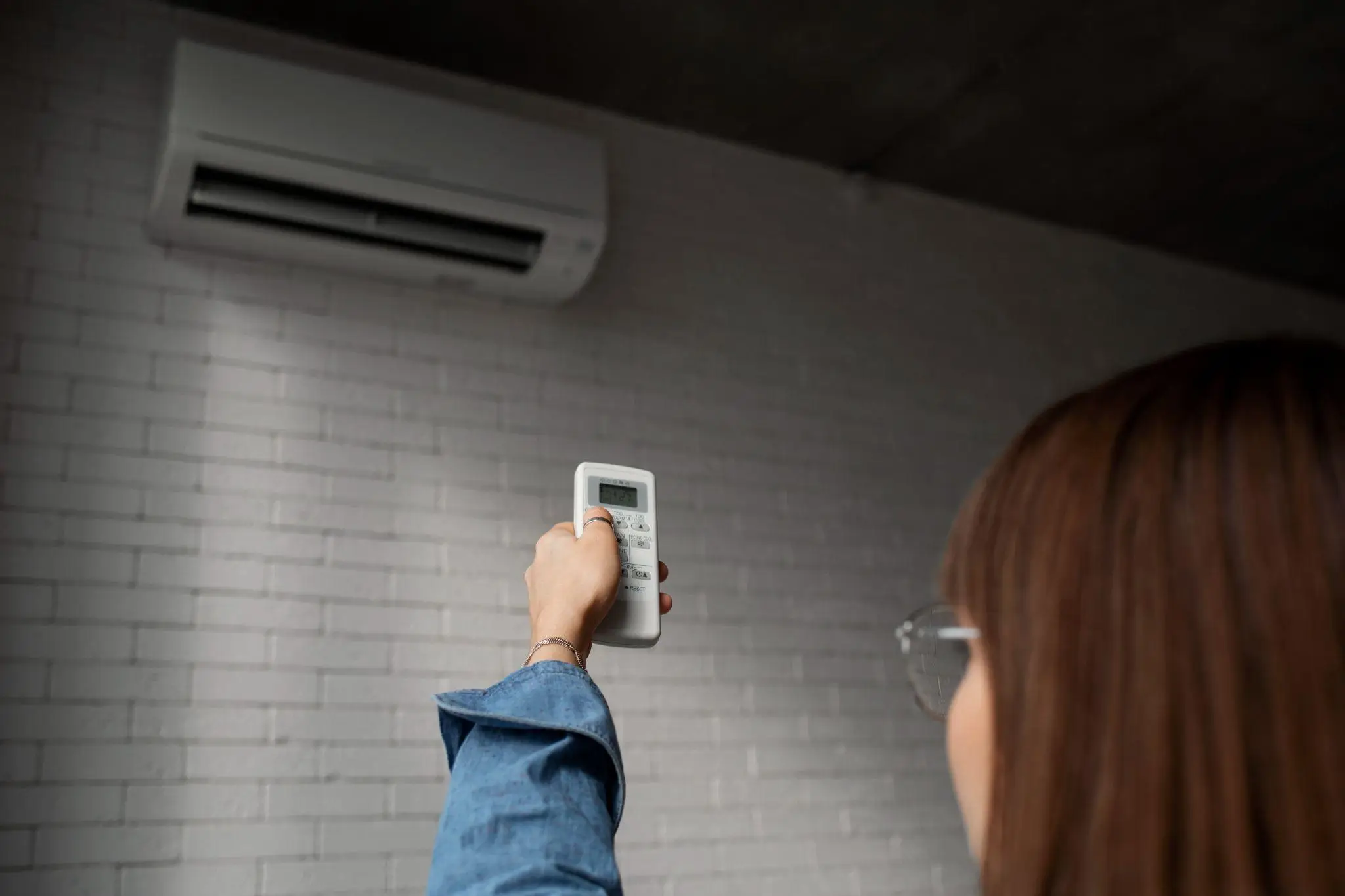
This is one of the more confusing situations for homeowners. The air conditioner appears to be working. Cool air is coming from the vents. The thermostat reaches its setting. Yet the house still feels uncomfortable.
There are several possible explanations.
An AC that is too large for the home may cool the indoor temperature quickly and shut off before it has removed enough moisture. Issues such as dirty components, restricted airflow, improper refrigerant charge, or condensate drainage problems can affect AC performance and may warrant professional inspection.
There is also a simpler possibility: the weather is simply putting a heavy moisture load on the home.
The important thing is to look at the pattern. If your home feels damp occasionally during a very humid afternoon, that may not indicate a mechanical problem. If it happens repeatedly, even when the weather is less extreme, the cooling system deserves a closer look.
Watch for These Signs During Humid Weather
One useful clue is how the house feels rather than what the thermostat says.
If the floors, furniture, or bedding seem slightly damp, indoor humidity may be higher than it should be. A musty smell is another reason to investigate. You may also notice that the AC seems to run for hours without making the house feel noticeably more comfortable.
Condensation is worth paying attention to as well. The EPA recommends keeping indoor relative humidity below 60%, with 30% to 50% considered ideal when possible. A basic humidity meter can tell you much more than guessing based on how the room feels.
Persistent moisture should not be ignored. Besides affecting comfort, excess humidity can contribute to conditions where mold and other biological contaminants can grow.
A Few Things You Can Check Yourself
Before assuming the air conditioner needs a major repair, look at a few basic things around the house.
Make sure the HVAC filter is reasonably clean and that furniture, curtains, or storage items are not blocking return or supply vents. Keep windows and exterior doors closed when the outdoor air is hot and humid. Check around the indoor AC equipment for unusual water or signs that the condensate drain may not be working properly.
A small humidity gauge is also inexpensive and useful. If it consistently shows humidity well above the recommended range, you have a clearer reason to investigate instead of simply turning the thermostat lower.
The EPA also recommends keeping AC drip pans clean and condensate drain lines unobstructed.
When Humidity Points to an AC Problem
There comes a point when the weather is no longer a satisfactory explanation.
If your air conditioner runs continuously, the home remains damp, certain rooms never cool properly, or you notice water around the equipment, professional troubleshooting may be necessary. The cause could be something relatively straightforward, such as restricted airflow, or something requiring a more detailed inspection.
Homeowners searching for HVAC Repair in Naperville should pay particular attention when humidity problems occur alongside other AC symptoms. Repairing the underlying issue can be more useful than repeatedly lowering the thermostat.
It is also worth remembering that an AC does not automatically remove every bit of moisture from a house. Some homes have moisture sources that go beyond the cooling system, including cooking, showers, air leaks, or basement moisture. In those situations, the right solution may involve addressing the source of the moisture rather than asking the AC to do all the work.
Why Maintenance Matters More Than It Seems
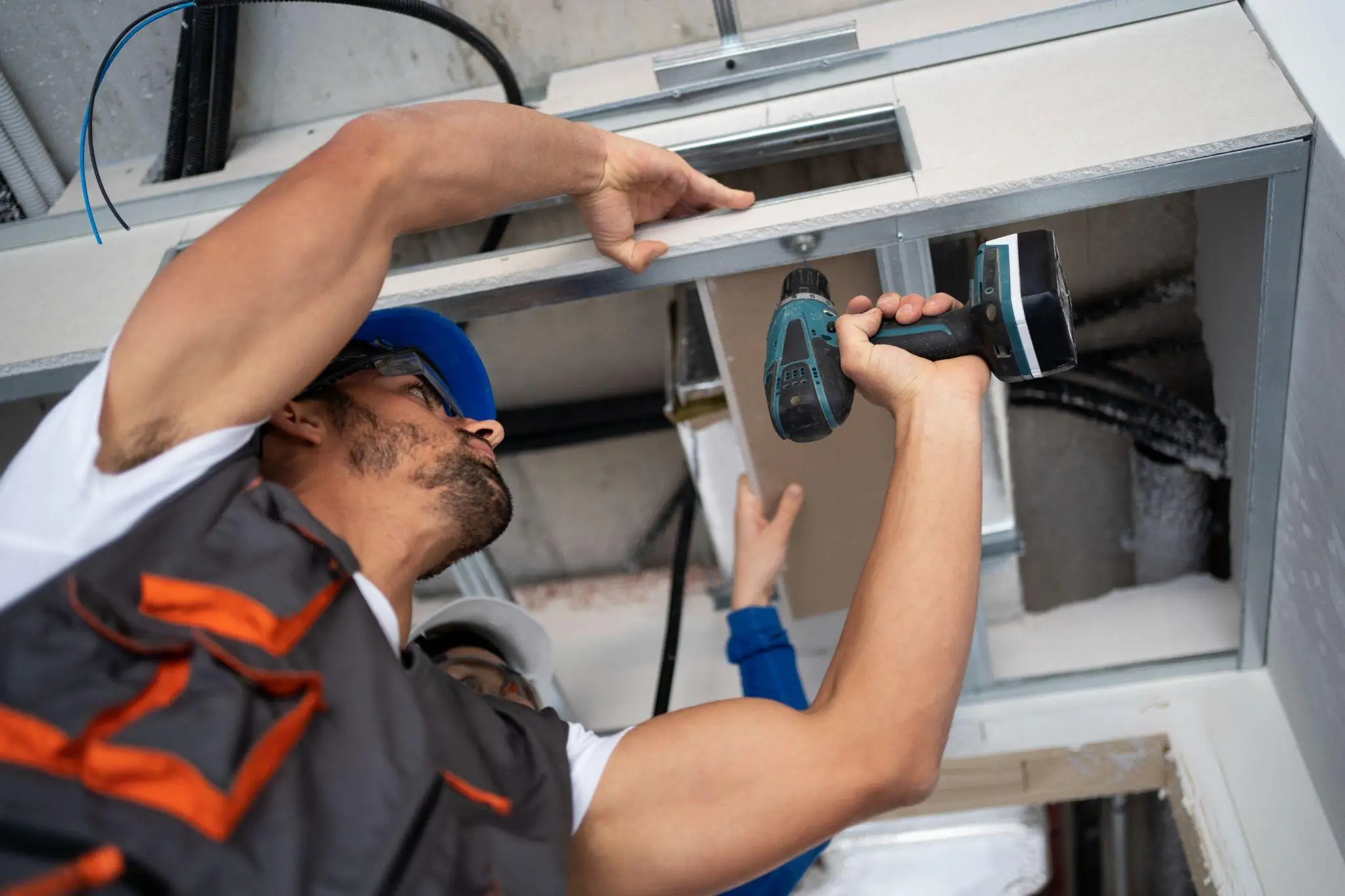
Humidity can reveal problems that might otherwise go unnoticed.
An air conditioner with restricted airflow or a drainage problem may continue producing cool air for a while. The homeowner assumes everything is fine because the vents are blowing cold air. Meanwhile, the system may not be handling moisture properly.
Regular HVAC maintenance gives a technician an opportunity to inspect components that affect both cooling and moisture removal. That includes the evaporator coil, airflow, condensate system, electrical components, and overall system operation.
Maintenance cannot prevent every breakdown, but it can make small problems easier to find before they become an uncomfortable surprise on the hottest day of the year.
Frequently Asked Questions
What Humidity Level Should I Keep Inside My Home?
The EPA recommends keeping indoor relative humidity between 30% and 50% when possible and below 60% to help control moisture-related problems.
Why Does My AC Run but the House Still Feels Sticky?
The system may be cooling the air without removing enough moisture. Improper sizing, airflow restrictions, dirty components, refrigerant issues, or drainage problems can all affect AC performance.
Does High Humidity Make an Air Conditioner Work Harder?
High humidity increases the amount of moisture the cooling system has to remove from indoor air. If the home consistently remains humid while the AC is running, it may be worth having the system evaluated.
Should I Lower the Thermostat if My House Feels Humid?
Not necessarily. Lowering the thermostat may make the home colder without addressing the underlying moisture problem. Checking indoor humidity and having the system evaluated may be more useful.
When Should I Have My AC Inspected?
If high indoor humidity continues despite normal operation, particularly when combined with long run times, poor airflow, unusual noises, water around the system, or uneven cooling, an inspection is sensible.
Final Thoughts
Humidity is easy to overlook because homeowners usually judge their air conditioner by temperature. But comfort depends on more than the number displayed on the thermostat.
During a humid Chicago summer, your AC is working to remove heat and moisture at the same time. If the house remains sticky, the system runs excessively, or moisture starts appearing where it should not, those symptoms deserve attention.
A simple humidity reading can be a useful first step. From there, checking airflow, filters, drainage, and overall system performance can help determine whether you are dealing with normal summer conditions or an AC problem that needs professional attention.