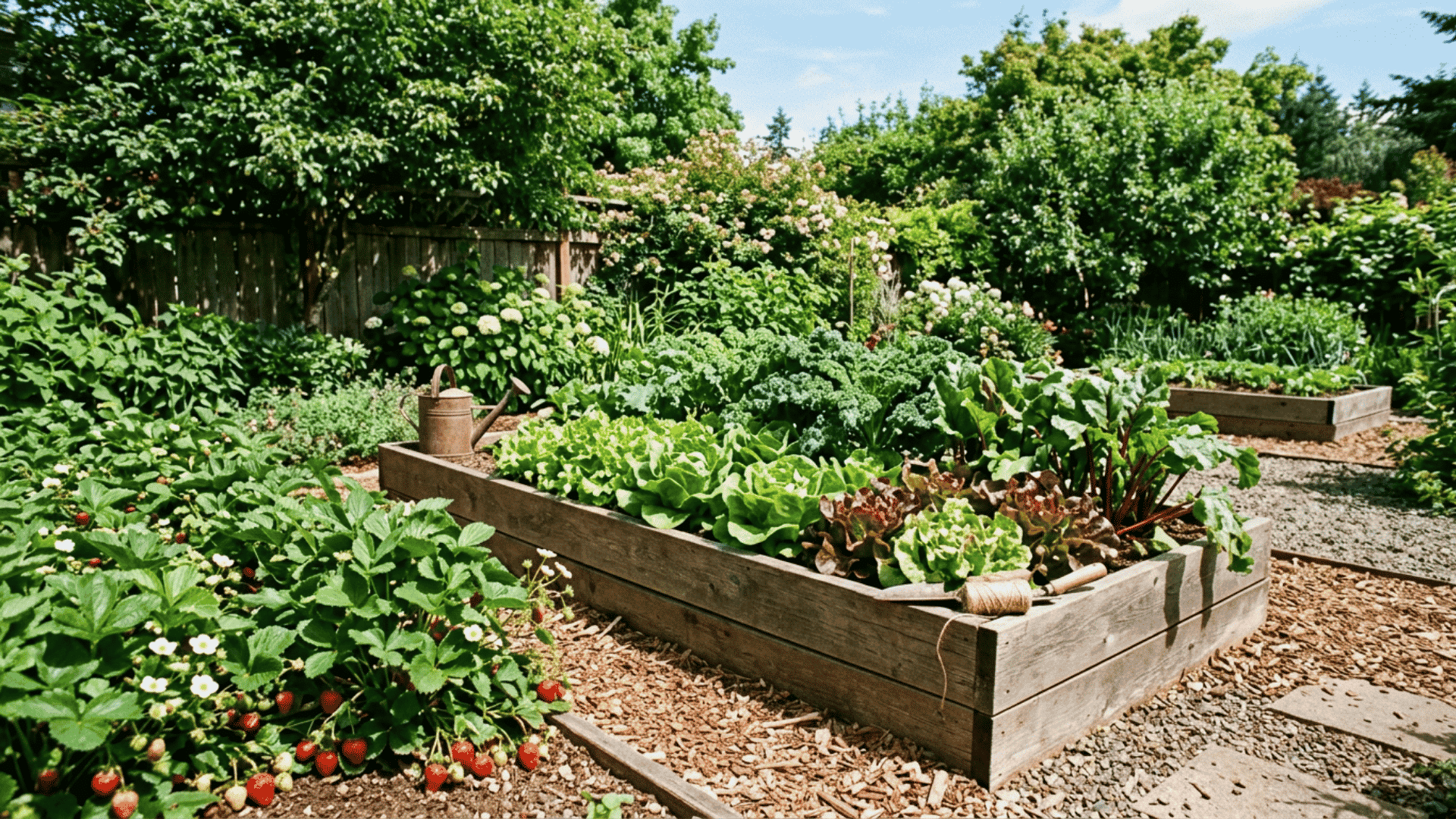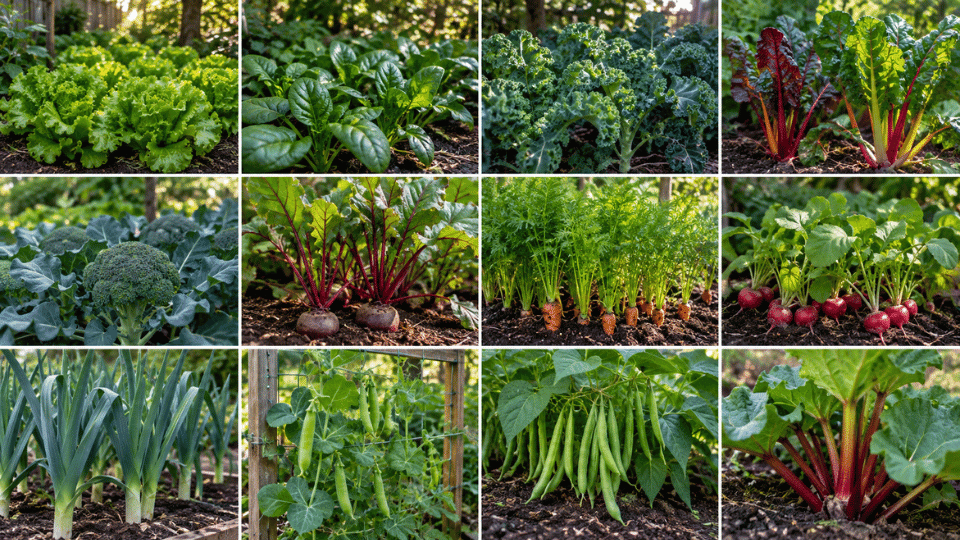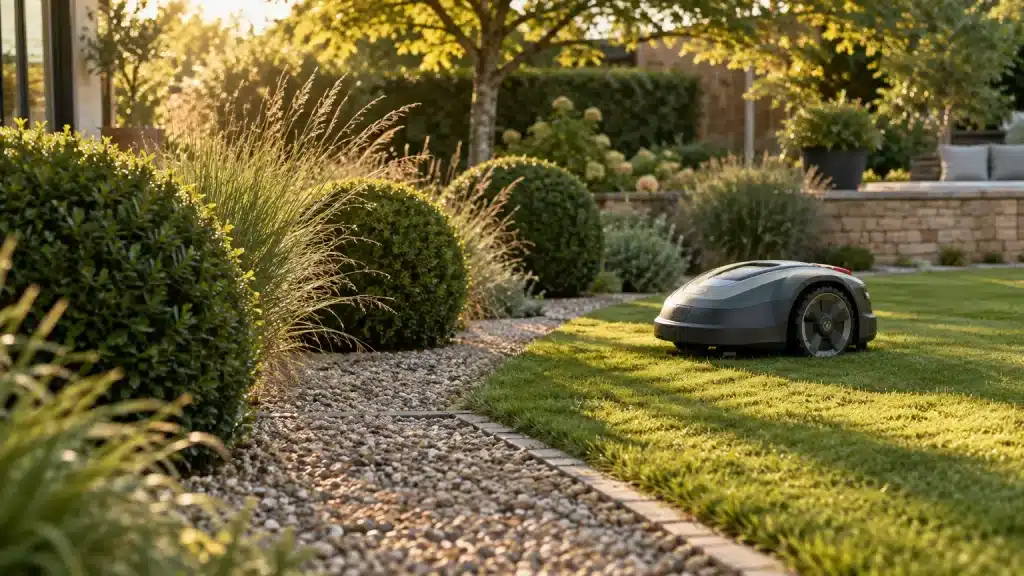
A well-kept garden can make a home more enjoyable, but keeping it that way takes regular effort. Mowing the lawn, pulling weeds, watering plants, trimming shrubs and clearing fallen leaves are all relatively simple jobs. The challenge is that many of them have to be repeated throughout the season.
For homeowners who enjoy gardening, some of these tasks may be part of the fun. Others can feel more like weekend chores, especially when there are already home improvement projects, family activities or other outdoor jobs to deal with.
The goal of a low-maintenance garden is not to remove everything that needs attention. Instead, it is about reducing unnecessary or repetitive work where possible. Choosing suitable plants, simplifying the layout and using tools that automate routine tasks can all make a difference.
The first step is to look at the garden realistically: which jobs take the most time, and which ones have to be done again and again?
Start With the Jobs You Do Most Often
When trying to make a garden easier to maintain, it makes sense to focus first on tasks that are repeated most frequently. A job that takes only 20 minutes can still become a significant time commitment if it needs to be done every week.
For many homeowners, lawn mowing is one of these recurring tasks. Watering can also be reduced with timers or automatic irrigation, while choosing slower-growing plants can reduce the need for frequent trimming. Other jobs, such as weeding, pruning and clearing leaves, generally still require some hands-on work.
This does not mean every garden needs more technology. Sometimes a simpler solution is more effective. Reducing small areas of lawn, grouping plants according to their watering needs or choosing ground cover for difficult areas can all reduce routine work.
A useful approach is to make a list of regular garden tasks and consider how often each one is performed. The best opportunities for improvement are usually the chores that consume time repeatedly, rather than the occasional jobs that only need attention a few times a year.
Why Mowing Can Become the Biggest Repeating Chore
For many homeowners, mowing is one of the most predictable garden chores. During periods of active growth, grass may need to be cut about once a week, although the ideal frequency depends on the grass type, weather and desired lawn height.
The work also involves more than simply pushing a mower across the lawn. Before mowing, toys, garden tools and outdoor furniture may need to be moved out of the way. Afterward, the mower may need cleaning and storage, while grass clippings may need to be collected or cleared.
Consider a 500㎡ lawn, which is roughly 5,382 square feet. It is a manageable size for a residential garden, but the same area may need to be maintained repeatedly throughout the growing season. Even if one mowing session takes less than an hour, the time adds up over several months.
This makes mowing an interesting task to automate. Instead of treating it as a weekly job that requires dedicated time, a robot mower can make smaller, scheduled mowing sessions part of the garden’s regular routine.
Where a Robot Mower Actually Helps
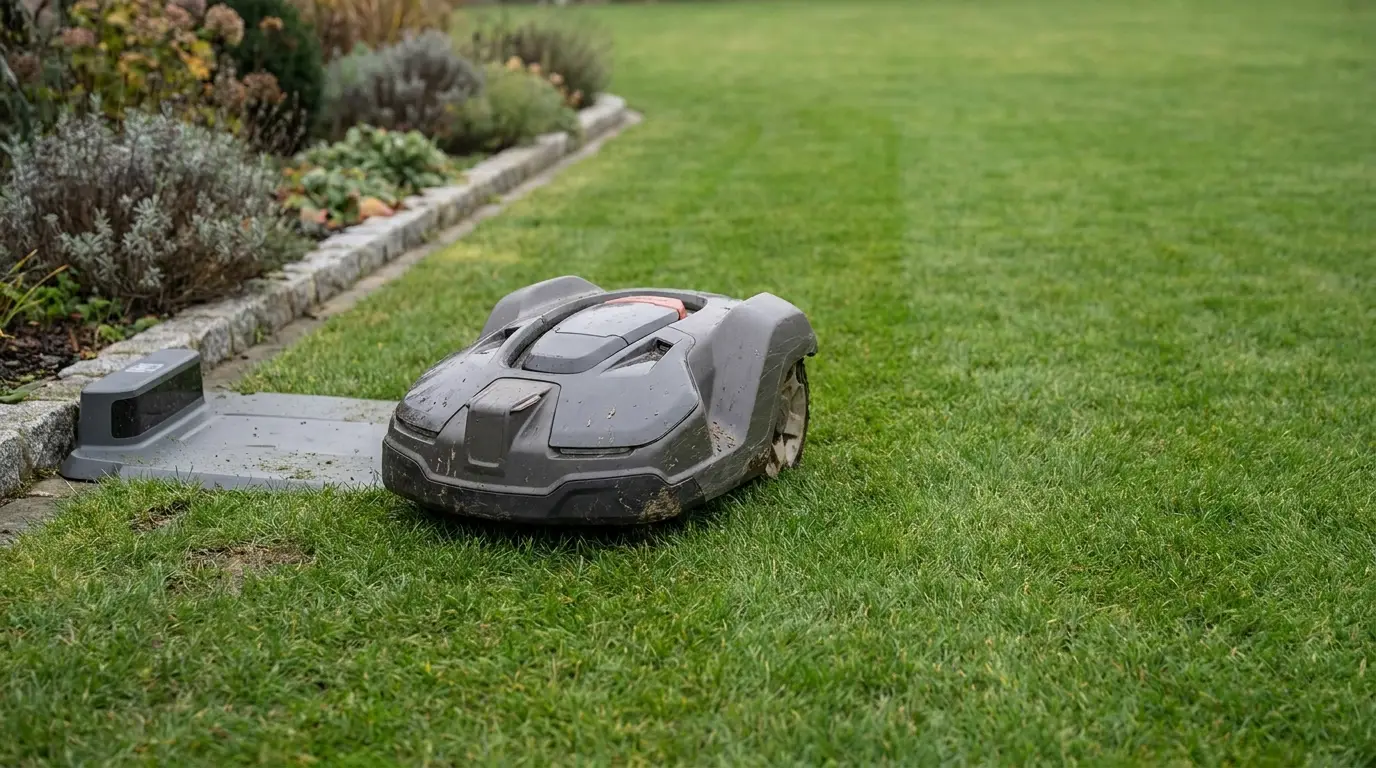
A robot mower is useful for one fairly specific job: keeping grass at a manageable height without requiring the homeowner to operate the mower each time. Once the mowing area and schedule are set, the machine can work on its own and return to its charging station when the battery needs replenishing.
This changes the way lawn care fits into a weekly routine. Instead of spending part of a Saturday mowing the entire lawn, homeowners can let the mower make shorter, more frequent runs. For grass that grows quickly, this can help maintain a more consistent height without a large mowing session.
Some models also use mulching, leaving finely cut grass clippings on the lawn rather than collecting them. This removes the need to empty a grass catcher after every session.
There are limits, however. A robot mower does not remove weeds, trim hedges, clear leaves or maintain flower beds. It is best viewed as a tool for automating one repetitive task, rather than a replacement for general garden care.
When a Robot Mower Makes Sense
A robot mower is not necessary for every garden. It tends to make the most sense when mowing is a frequent chore that homeowners would rather not handle themselves.
For a simple, open lawn, the setup can be relatively straightforward. A homeowner who spends much of the weekend on gardening, DIY projects or family activities may also appreciate having regular mowing handled automatically.
It can be particularly useful when the lawn contains several separate areas. Some models can manage multiple mowing zones, allowing different parts of the garden to be included in the same routine. Wire-free models can also be worth considering when homeowners do not want to install a physical boundary cable around the lawn.
The situation is different for gardens with many narrow passages, steep slopes or constantly changing layouts. These conditions can make automated navigation more complicated and may require more initial setup.
The key question is therefore not whether a robot mower is useful in general, but whether it solves a recurring problem in your particular garden. If mowing is one of the chores you do most often, automation may be worth considering.
What to Check Before Buying One
If a robot mower seems suitable for your garden, the next step is to look beyond the headline features. Start with lawn size. A mower rated for 500㎡ may be appropriate for a smaller garden, while larger lawns require a model with greater coverage and suitable battery capacity.
The garden layout is just as important. Open lawns are generally easier to automate, while narrow passages, separate grass areas, trees and planting beds can make navigation more complicated. If the garden has slopes, check the mower’s rated maximum incline rather than assuming it can handle every part of the lawn.
The boundary system is another practical consideration. Traditional boundary wires require physical installation, while wire-free models use positioning, mapping, cameras or other sensors to define mowing areas.
Finally, consider everyday maintenance. Blades, sensors and the underside of the mower will still need occasional cleaning or replacement. The best choice is the one that fits the actual garden layout and the amount of involvement you are comfortable with—not simply the model with the longest feature list.
What a Robot Mower Still Cannot Do
A robot mower can reduce the time spent cutting grass, but it does not make the entire garden maintenance-free. Many common gardening tasks still require a person. Weeds need to be removed, shrubs need pruning, leaves may need clearing, and plants still need watering and seasonal care.
The mower itself also needs some attention. Grass and dirt can build up underneath the machine, blades gradually become worn, and sensors should be kept clean. The mowing area may also need to be checked regularly for branches, toys, tools or other objects that could interfere with its operation.
Seasonal changes can require adjustments as well. Grass may grow faster during warm and wet periods, while mowing can become less frequent when growth slows.
The useful way to think about a robot mower is therefore not as a replacement for garden maintenance, but as a tool for removing one repetitive task. The time saved can then be spent on the parts of gardening that actually need a homeowner’s attention.
Build a Garden That Is Easier to Live With
A low-maintenance garden does not have to mean a garden with less character. The goal is simply to make everyday care more manageable. Choosing plants that suit the local conditions, simplifying lawn areas and using practical tools can all reduce the amount of repetitive work.
For some homeowners, that may mean adding automatic irrigation. For others, it could be replacing part of a high-maintenance lawn with planting beds, paths or ground cover. A robot mower can be another option when regular grass cutting is one of the biggest time commitments.
The best approach is to look at the garden as a whole and decide which tasks are worth doing manually and which can be made easier through better design or automation.
After all, a garden should be a place to enjoy—not another list of chores waiting for the weekend.