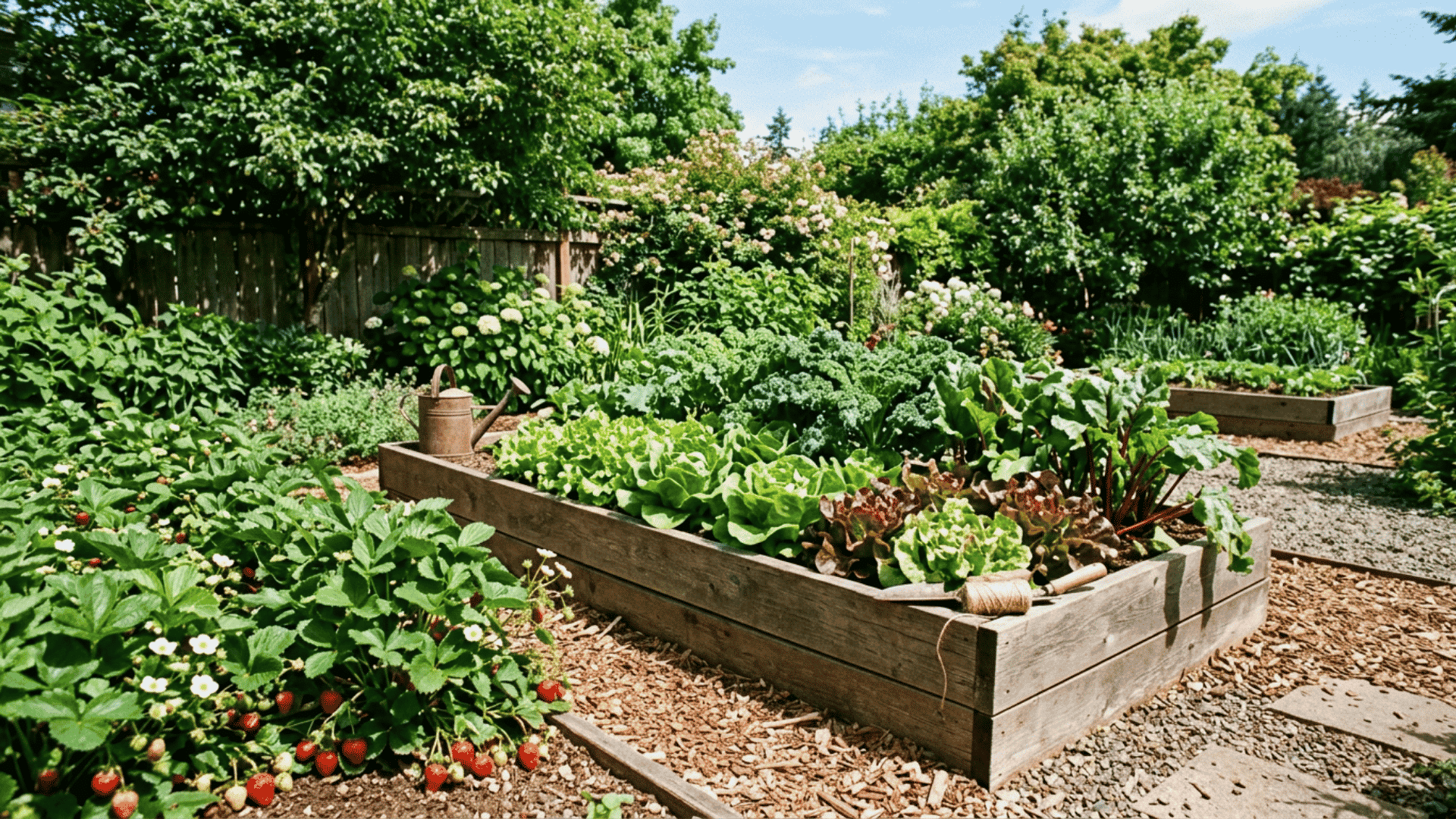
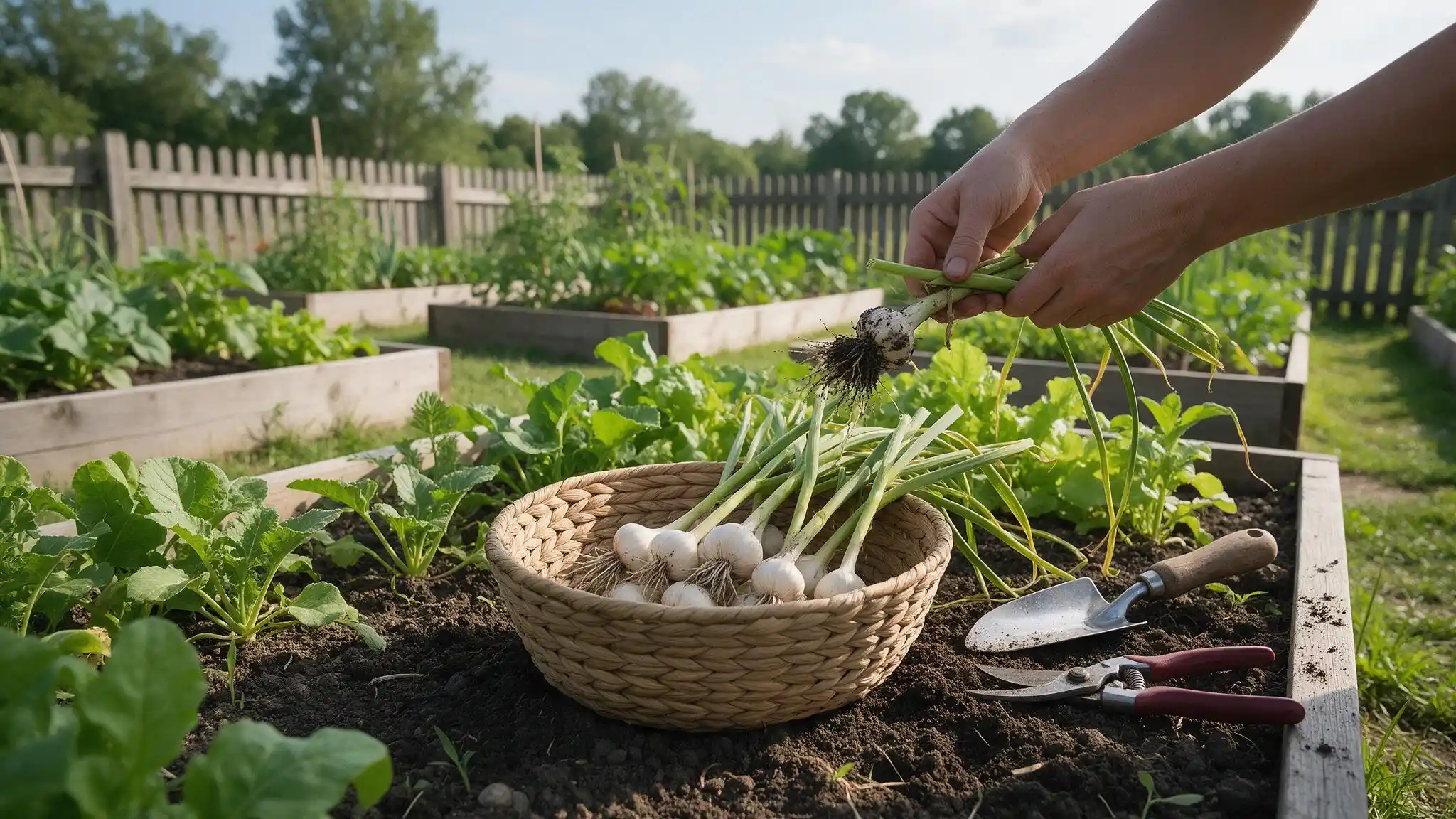
A garden doesn’t need full-day sunshine to produce a productive harvest of fresh vegetables.
Many leafy greens, root crops, brassicas and several other vegetables can grow successfully with limited sunlight, although growth and yields may vary.
Choosing crops suited to partial or dappled shade can help gardeners make better use of overlooked planting spaces.
This covers 31 vegetables that tolerate shade, along with their sunlight, spacing, size, and growing requirements. Keep reading to find vegetables that suit a shady garden.
What Shade Actually Means for a Vegetable Garden
Shade levels can determine which vegetables grow successfully because plants need different amounts and intensities of sunlight.
Dappled or light shade generally receives three to six hours of filtered sunlight, while partial shade gets around two to four hours of direct sun.
Full shade receives little direct sunlight throughout the day. Gardeners can identify conditions by observing the planting bed from morning through evening and recording sunlight exposure.
As a practical rule, leafy and root vegetables tolerate shade better, while flowering and fruiting crops generally need stronger sunlight.
Managing nearby plants and outdoor areas can also be part of broader home exterior maintenance routines.
How Much Sun Shade-Tolerant Vegetables Still Need
Shade-tolerant vegetables still need adequate sunlight, as growing conditions directly affect their development and harvest.
1. Aim for Four to Six Hours: Most productive shade-tolerant vegetables perform better with roughly four to six hours of daily sunlight rather than complete shade.
2. Expect Slower Growth: Reduced sunlight can slow plant development, extend harvesting time, and produce smaller yields compared with vegetables grown under brighter conditions.
3. Use Shade During Hot Weather: Some shade can benefit bolt-prone leafy greens during hot periods by reducing heat stress and delaying premature flowering.
Tip: Creating the right planting environment also includes choosing suitable outdoor improvements that make garden spaces easier to maintain.
Vegetables That Grow in Shade
Vegetables grown with limited sunlight can still produce worthwhile harvests when gardeners choose suitable crops and adjust expectations for slower growth.
1. Lettuce

Lettuce handles partial shade particularly well, especially during warmer weather when protection from intense afternoon sunlight can delay bolting. Plants may grow slightly slower, but leaves often remain tender and suitable for repeated harvesting.
- Growing Tip: Sow small batches every two weeks and harvest outer leaves regularly to maintain steady production.
- Shade Type: Partial or dappled shade
- Sun Required: 3–5 hours daily
- Spacing: 6–10 inches apart
- Mature Size: 6–12 inches tall
2. Spinach

Spinach performs well in partial shade and often benefits from less sunlight as temperatures rise. Growth may slow in deeper shade, although cooler conditions can keep leaves tender and delay premature flowering.
- Growing Tip: Sow in early spring or fall, and keep the soil consistently moist for healthy leafy growth.
- Shade Type: Partial shade
- Sun Required: 3–5 hours daily
- Spacing: 4–6 inches apart
- Mature Size: 6–12 inches tall
3. Kale

Kale tolerates partial shade and remains productive with fewer sunlight hours than many fruiting vegetables require. Plants may develop more slowly and produce smaller leaves, but cooler shaded conditions can support an extended harvest.
- Growing Tip: Harvest lower outer leaves first while leaving the central growing point intact for continued production.
- Shade Type: Partial or light shade
- Sun Required: 4–6 hours daily
- Spacing: 12–18 inches apart
- Mature Size: 1–3 feet tall
4. Swiss Chard

Swiss chard can tolerate partial shade while continuing to produce colorful stems and tender edible leaves. Shaded plants generally grow more slowly and may remain smaller, yet they can provide repeated harvests throughout the season.
- Growing Tip: Regularly remove mature outer stalks near the base so younger central leaves keep developing steadily.
- Shade Type: Partial shade
- Sun Required: 4–6 hours daily
- Spacing: 8–12 inches apart
- Mature Size: 1–2 feet tall
5. Arugula (Rocket)

Arugula grows successfully in partial shade and can benefit from afternoon protection during warm spring weather. Lower light may slow growth slightly, but cooler conditions frequently help maintain tender leaves and delay bolting.
- Growing Tip: Sow seeds every few weeks and harvest young leaves before their peppery flavor becomes overly strong.
- Shade Type: Partial or dappled shade
- Sun Required: 3–5 hours daily
- Spacing: 4–6 inches apart
- Mature Size: 6–12 inches tall
6. Mustard Greens

Mustard greens tolerate partial shade and can remain productive without receiving full sunlight throughout the day. Growth may slow somewhat, although protection from strong afternoon sun can help leaves stay tender longer.
- Growing Tip: Plant during cooler weather and harvest young outer leaves regularly before plants begin producing flower stalks.
- Shade Type: Partial shade
- Sun Required: 3–5 hours daily
- Spacing: 6–12 inches apart
- Mature Size: 1–2 feet tall
7. Bok Choy

Bok choy handles partial shade particularly well during cool growing seasons and warm transitional weather. Plants receiving limited sunlight may mature more slowly, but afternoon shade can reduce heat stress and premature bolting.
- Growing Tip: Maintain evenly moist soil and harvest promptly once heads reach usable size before temperatures become excessively warm.
- Shade Type: Partial shade
- Sun Required: 3–5 hours daily
- Spacing: 6–12 inches apart
- Mature Size: 6–18 inches tall
8. Collard Greens

Collard greens can grow in partial shade, although full sun generally supports faster and larger production. Plants receiving fewer sunlight hours may develop more slowly, but their leafy harvest can remain productive and flavorful.
- Growing Tip: Pick mature lower leaves regularly while protecting the central growing point so new foliage keeps developing.
- Shade Type: Partial shade
- Sun Required: 4–6 hours daily
- Spacing: 18–24 inches apart
- Mature Size: 2–3 feet tall
9. Endive

Endive tolerates partial shade and appreciates some protection from intense sunlight as temperatures rise. Lower light can slow head development, yet cooler conditions may help preserve the crisp texture and characteristic mildly bitter flavor.
- Growing Tip: Maintain consistent soil moisture throughout growth because irregular watering can reduce leaf quality and plant development.
- Shade Type: Partial shade
- Sun Required: 4–6 hours daily
- Spacing: 8–12 inches apart
- Mature Size: 6–12 inches tall
10. Cress

Cress tolerates partial shade and grows quickly enough to provide useful harvests in moderately shaded garden spaces. Plants may stretch slightly under low light, but cooler conditions help maintain tender leaves and fresh flavor.
- Growing Tip: Keep the soil consistently moist, and sow repeatedly to maintain a dependable supply of leaves.
- Shade Type: Partial or dappled shade
- Sun Required: 3–5 hours daily
- Spacing: 3–6 inches apart
- Mature Size: 4–12 inches tall
11. Sorrel

Sorrel grows comfortably in partial shade and can remain productive where direct sunlight is limited during the day. Its leafy growth may become slower in deeper shade, but established plants can provide repeated tangy harvests.
- Growing Tip: Remove flower stalks as they appear and harvest outer leaves regularly to encourage fresh leafy growth.
- Shade Type: Partial shade
- Sun Required: 3–5 hours daily
- Spacing: 12–18 inches apart
- Mature Size: 1–2 feet tall
12. Salad Burnet

Salad burnet tolerates partial shade and produces edible leaves with a mild cucumber-like flavor throughout cooler periods. Shaded plants may develop less vigorously than those receiving more sunlight, yet regular harvesting encourages fresh foliage.
- Growing Tip: Clip younger leaves frequently and remove developing flower stalks when growing primarily for edible foliage.
- Shade Type: Partial shad
- Sun Required: 4–6 hours daily
- Spacing: 12–18 inches apart
- Mature Size: 1–2 feet tall
13. Broccoli

Broccoli can tolerate partial shade, although larger heads generally develop more reliably with stronger sunlight.
Under reduced light, plants may mature slowly and form smaller central heads, followed by harvestable side shoots.
- Growing Tip: Grow during cool weather and harvest the main head before individual flower buds begin opening.
- Shade Type: Partial shade
- Sun Required: 4–6 hours daily
- Spacing: 18–24 inches apart
- Mature Size: 18–30 inches tall
14. Cauliflower

Cauliflower can handle partial shade, but adequate sunlight remains important for producing firm, well-developed heads. Plants grown in reduced light often mature more slowly, so suitable temperatures and consistent growing conditions are especially important.
- Growing Tip: Keep moisture consistent and protect developing white heads from strong sunlight when the selected variety requires blanching.
- Shade Type: Light or partial shade
- Sun Required: 4–6 hours daily
- Spacing: 18–24 inches apart
- Mature Size: 1–2 feet tall
15. Cabbage

Cabbage tolerates partial shade better than many warm-season crops because gardeners harvest its leafy head rather than fruit. Reduced sunlight can delay maturity and produce smaller heads, but plants can still provide worthwhile harvests.
- Growing Tip: Provide consistent moisture and adequate spacing so developing heads receive airflow while remaining evenly hydrated.
- Shade Type: Partial shade
- Sun Required: 4–6 hours daily
- Spacing: 12–24 inches apart
- Mature Size: 1–2 feet tall
16. Brussels Sprouts

Brussels sprouts can tolerate partial shade, although adequate sunlight supports stronger stems and better sprout development. Plants growing with limited light generally mature more slowly, which matters because this crop already requires a long season.
- Growing Tip: Plant early enough for cool-weather maturity and harvest lower sprouts first as they become firm and usable.
- Shade Type: Light or partial shade
- Sun Required: 4–6 hours daily
- Spacing: 18–24 inches apart
- Mature Size: 2–3 feet tall
17. Kohlrabi

Kohlrabi grows reasonably well in partial shade and develops an edible swollen stem above the soil surface. Less sunlight may extend its growing period, but cooler, shaded conditions can help maintain a tender texture during warmer weather.
- Growing Tip: Harvest swollen stems while relatively young because oversized kohlrabi can become woody and less pleasant to eat.
- Shade Type: Partial shade
- Sun Required: 4–6 hours daily
- Spacing: 6–9 inches apart
- Mature Size: 8–18 inches tall
18. Beets

Beets tolerate partial shade because gardeners can harvest both their nutritious leaves and underground roots. With less sunlight, roots may develop more slowly or stay smaller, while leafy tops can still provide a useful harvest.
- Growing Tip: Thin seedlings early to give developing roots room, and use removed young leaves as edible greens.
- Shade Type: Partial shade
- Sun Required: 4–6 hours daily
- Spacing: 3–4 inches apart
- Mature Size: 12–18 inches tall
19. Carrots

Carrots can grow with partial shade, although their roots generally develop faster and larger with adequate sunlight. Reduced light often extends the time to maturity, so gardeners should expect a slower harvest.
- Growing Tip: Sow into loose, stone-free soil and thin seedlings carefully so roots have enough space to develop straight.
- Shade Type: Light or partial shade
- Sun Required: 4–6 hours daily
- Spacing: 2–3 inches apart
- Mature Size: 8–12 inches tall
20. Radishes

Radishes tolerate partial shade and remain practical for shaded gardens because many varieties mature relatively quickly. Roots may take somewhat longer to reach harvestable size, while cooler conditions can reduce heat-related stress and bolting.
- Growing Tip: Sow small batches regularly and harvest roots promptly once mature to prevent overly woody or pithy textures.
- Shade Type: Partial shade
- Sun Required: 3–5 hours daily
- Spacing: 2–3 inches apart
- Mature Size: 6–12 inches tall
21. Turnips

Turnips tolerate partial shade and offer two useful harvests because both their roots and leafy tops are edible. Reduced sunlight may produce smaller roots or slower development, while greens often remain productive under moderate shade.
- Growing Tip: Thin seedlings promptly and maintain steady moisture to support tender roots rather than tough or woody growth.
- Shade Type: Partial shade
- Sun Required: 4–6 hours daily
- Spacing: 3–6 inches apart
- Mature Size: 12–18 inches tall
22. Rutabaga

Rutabagas can tolerate light partial shade, but their large storage roots develop best with several hours of sunlight. Plants in reduced light may take longer to mature and can produce smaller roots.
- Growing Tip: Allow enough growing time and maintain consistent moisture because rutabagas need a relatively long season to develop.
- Shade Type: Light or partial shade
- Sun Required: 4–6 hours daily
- Spacing: 6–8 inches apart
- Mature Size: 12–24 inches tall
23. Parsnips

Parsnips can tolerate partial shade, although adequate sunlight helps their long roots reach a more substantial size. Shaded plants may mature slowly, which is manageable because parsnips naturally require an extended growing season.
- Growing Tip: Plant seeds directly in deep, loose soil and avoid transplanting because disturbed roots can fork.
- Shade Type: Light or partial shade
- Sun Required: 4–6 hours daily
- Spacing: 3–6 inches apart
- Mature Size: 12–24 inches tall
24. Potatoes

Potatoes tolerate some partial shade, although less sunlight usually means fewer or smaller tubers than in sunnier conditions.
Plants still need several hours of useful light because healthy foliage supplies energy for underground tuber development.
- Growing Tip: Hill loose soil around stems as plants grow to protect developing tubers from sunlight exposure.
- Shade Type: Light or partial shade
- Sun Required: 4–6 hours daily
- Spacing: 10–12 inches apart
- Mature Size: 1–3 feet tall
25. Leeks

Leeks tolerate partial shade and can develop usable stalks without receiving direct sunlight throughout the entire day. Lower light may extend their growing period and produce somewhat slimmer stems, but the crop remains suitable for cooler gardens.
- Growing Tip: Gradually hill soil around developing stems to increase the length of the tender white portion.
- Shade Type: Partial shade
- Sun Required: 4–6 hours daily
- Spacing: 4–6 inches apart
- Mature Size: 1–3 feet tall
26. Green Onions (Scallions)

Green onions can tolerate partial shade because they are usually harvested for tender stems and leafy tops. Growth may slow in limited sunlight, but their compact size makes them practical for smaller shaded spaces.
- Growing Tip: Sow closely for young scallions, then harvest plants progressively to make room for remaining stems.
- Shade Type: Partial shade
- Sun Required: 3–5 hours daily
- Spacing: 1–2 inches apart
- Mature Size: 10–18 inches tall
27. Peas

Peas tolerate light partial shade, particularly where strong afternoon sunlight causes temperatures to rise quickly.
Less light can reduce flowering and pod production, but cooler conditions may help plants stay productive longer in spring.
- Growing Tip: Provide a trellis for climbing varieties and plant early enough to avoid prolonged periods of summer heat.
- Shade Type: Light or partial shade
- Sun Required: 4–6 hours daily
- Spacing: 2–3 inches apart
- Mature Size: 1–6 feet tall
28. Bush Beans

Bush beans tolerate light shade but generally produce more pods with abundant direct sunlight. In reduced light, plants may flower less and produce smaller harvests, so brighter partial shade is preferable.
- Growing Tip: Choose the brightest shaded location available and harvest mature pods frequently to encourage continued production.
- Shade Type: Light shade
- Sun Required: 5–6 hours daily
- Spacing: 4–6 inches apart
- Mature Size: 1–2 feet tall
29. Pole Beans

Pole beans can tolerate light partial shade, although pod production generally decreases as available sunlight becomes limited. Their vines may still grow vigorously, but fewer hours of direct sun can reduce flowering and overall yields.
- Growing Tip: Install a sturdy trellis before planting and position vines where they can reach the brightest available light.
- Shade Type: Light shade
- Sun Required: 5–6 hours daily
- Spacing: 4–6 inches apart
- Mature Size: 6–10 feet tall
30. Celery

Celery can tolerate partial shade and often appreciates protection from strong afternoon sunlight during warmer conditions.
Plants may grow more slowly with limited light, but consistent moisture is especially important for producing crisp, tender stalks.
- Growing Tip: Keep soil evenly moist throughout the growing period because dry conditions can produce tough or stringy stalks.
- Shade Type: Partial shade
- Sun Required: 4–6 hours daily
- Spacing: 8–12 inches apart
- Mature Size: 12–24 inches tall
31. Rhubarb

Rhubarb tolerates partial shade and can remain productive as a perennial where several hours of sunlight reach the planting area. Shaded plants may produce fewer or thinner stalks, while very deep shade can substantially reduce vigor.
- Growing Tip: Harvest established stalks selectively, leaving enough foliage intact so the crown can replenish its energy.
- Shade Type: Partial shade
- Sun Required: 4–6 hours daily
- Spacing: 3–4 feet apart
- Mature Size: 2–3 feet tall
Getting More Out of a Shady Vegetable Bed
Small adjustments can help a shady vegetable bed capture available sunlight and support stronger plant growth.
Raised beds and garden structures can also become part of a wider backyard improvement plan when updating outdoor areas.
Light-colored or reflective mulch can increase available light around growing plants, while careful pruning of overhead branches may provide additional sunlight.
Wider plant spacing also reduces competition for limited light and improves airflow.
Gardeners can further improve results by choosing quick-growing or dwarf varieties, such as baby greens and spring radishes, instead of slower storage types.
Conclusion
A shady garden can still provide a varied, productive harvest when you match vegetables carefully to available sunlight.
Leafy greens, root crops, brassicas and several climbing vegetables can tolerate reduced light, though growth may slow and yields may drop.
Paying attention to daily sun exposure, spacing, soil moisture and seasonal temperatures helps plants use limited light more effectively. With thoughtful crop selection and simple garden adjustments, partially shaded spaces can become valuable growing areas throughout the season.
Which shade-tolerant vegetables have grown successfully in the garden? Share favorites and growing tips in the comments below.
Frequently Asked Questions
Which Season is Best for Planting Shade-tolerant Vegetables?
Spring and fall generally suit many shade-tolerant vegetables because cooler temperatures support steady growth and reduce heat stress.
How Does Tree Shade Affect a Vegetable Garden?
Tree shade may limit sunlight and roots may compete with vegetables for available soil moisture, nutrients and growing space.
What Soil Works Best for Vegetables Grown in Shade?
Well-draining, nutrient-rich soil supports healthy roots and prevents excessive moisture from remaining around vegetables in shaded locations.