A particular kind of impatience shows up every spring around the zinnia bed.
The seed packet’s been sitting on the windowsill for weeks, and the temptation is to just toss the seeds in the ground and call it a day. Hold that thought for just a bit longer.
The good thing about zinnias is that they’re extremely easy-going once they’re growing. Forget to water them one week? They shrug it off. Plant them in soil that’s a little rough around the edges? Still fine.
But timing is the one spot where they get a little stubborn. Seeds tucked into cold soil just sit there and rot, sulking, while warm soil turns them into sprouts almost overnight.
That first burst of color after weeks of staring at plain dirt is honestly one of the most satisfying payoffs in the whole garden. Nail the timing, and zinnias basically handle the rest on their own.
When to Plant Zinnia Seeds?
The sweet spot for planting zinnia seeds is one to two weeks after the last expected frost date. By then, the soil has usually warmed enough for seeds to sprout instead of sitting dormant in cold ground.
Zinnias are tropical by nature, which means cold is really their only weakness: even a single light frost can set back or kill a young seedling.
Soil temperature matters way more than whatever date is circled on the calendar.
Zinnias like it warm, somewhere around 70°F, before they’ll bother sprouting. So, in a cooler spring, it might mean waiting an extra week or two past the frost date, calendar be darned.
And a small heads-up from experience: even after the “official” frost date passes, a cold snap can sneak in and catch gardeners off guard.
Soil that looks warm on the surface can still be chilly a few inches down, so it never hurts to double-check before sowing.
Starting Indoors vs. Growing Outdoors
Zinnias grow happily from seed either way, so it really just comes down to how much of a head start feels worth the extra fuss.
Starting Indoors

This means sowing seeds 4 to 6 weeks before the last frost date, under grow lights or on a sunny windowsill.
By the time it’s finally safe to plant outside, these seedlings already have a nice little head start on everything else in the bed.
A common mistake is packing seeds too tightly and dumping the whole packet at once.
Indoor seedlings haven’t dealt with wind, direct sun, or swinging temperatures yet, so moving them straight outside can shock the system. A few days of gradually increasing outdoor time smooths the transition considerably.
One catch: zinnias don’t like having their roots disturbed. Biodegradable pots or soil blocks make the move outside a lot smoother for everyone involved, roots included.
Growing Outdoors

No trays, no windowsill shuffling, no slow hardening-off process – seeds go straight into the garden once frost is a distant memory, and the soil has warmed.
However, planting before the soil has warmed enough could be fatal for the seedlings. Many gardeners rely strictly on the frost date and skip checking the soil itself.
Cold ground, even frost-free cold ground, can rot seeds before they get a fair shot at sprouting. A cheap soil thermometer clears this up in seconds.
Zinnias move fast once conditions are right, often popping up within 5 to 7 days. It’s the low-effort route, and honestly, that’s exactly why plenty of gardeners love it.
When to Plant Zinnia Seeds by Zone
Frost dates shift a lot depending on where the garden sits, so it helps to have a rough zone-by-zone starting point instead of guessing and hoping for the best.
|
USDA Zone |
Approximate Planting Time |
|---|---|
|
Zones 3–4 |
Late May to June |
|
Zones 5–6 |
May to early June |
|
Zones 7–8 |
April to May |
|
Zones 9–10 |
March to April |
|
Zones 11+ |
Depends on local heat and frost patterns |
Think of this table as a starting point, not gospel.
Zone numbers are really just describing how cold winters get on average – they don’t account for a wet spring that keeps soil chilled longer than usual, a late cold snap that sneaks in after everyone’s relaxed, or that one neighbor whose yard always seems to warm up two weeks ahead of everyone else’s for no obvious reason.
Checking the actual soil temperature and the local frost forecast will always beat going strictly by a zone map.
Planting Basics

Zinnias aren’t picky, but a few small details go a long way toward turning a handful of flowers into a bed that’s bursting all summer.
Sun
Zinnias want as much sun as possible – six hours minimum, and more if it’s on offer. Skimp on light, and the stems get leggy and start flopping around instead of standing proud.
Soil
Good drainage is the one non-negotiable here. Zinnias will tolerate soil that’s a little lackluster, but standing water is where things go wrong fast.
Heavy, soggy clay is basically a fast track to seedling rot, so mixing in some compost beforehand helps loosen things up and gives roots room to spread out and get comfortable.
Depth and Spacing
Seeds only need about a quarter-inch of soil on top – just enough cover, since they still want a little light to germinate.
Give smaller varieties 6 to 8 inches of elbow room, and taller types up to 18 inches. Crowd them too close, and airflow suffers, which tends to be where powdery mildew crashes the party.
Pots
Zinnias can be planted in pots, old bottles, used cans, etc., and can give any space a fresh, blooming look.
However, soil in the pots dries out faster than ground. So keep an eye on the flowers and give them a little extra care to keep them happy.
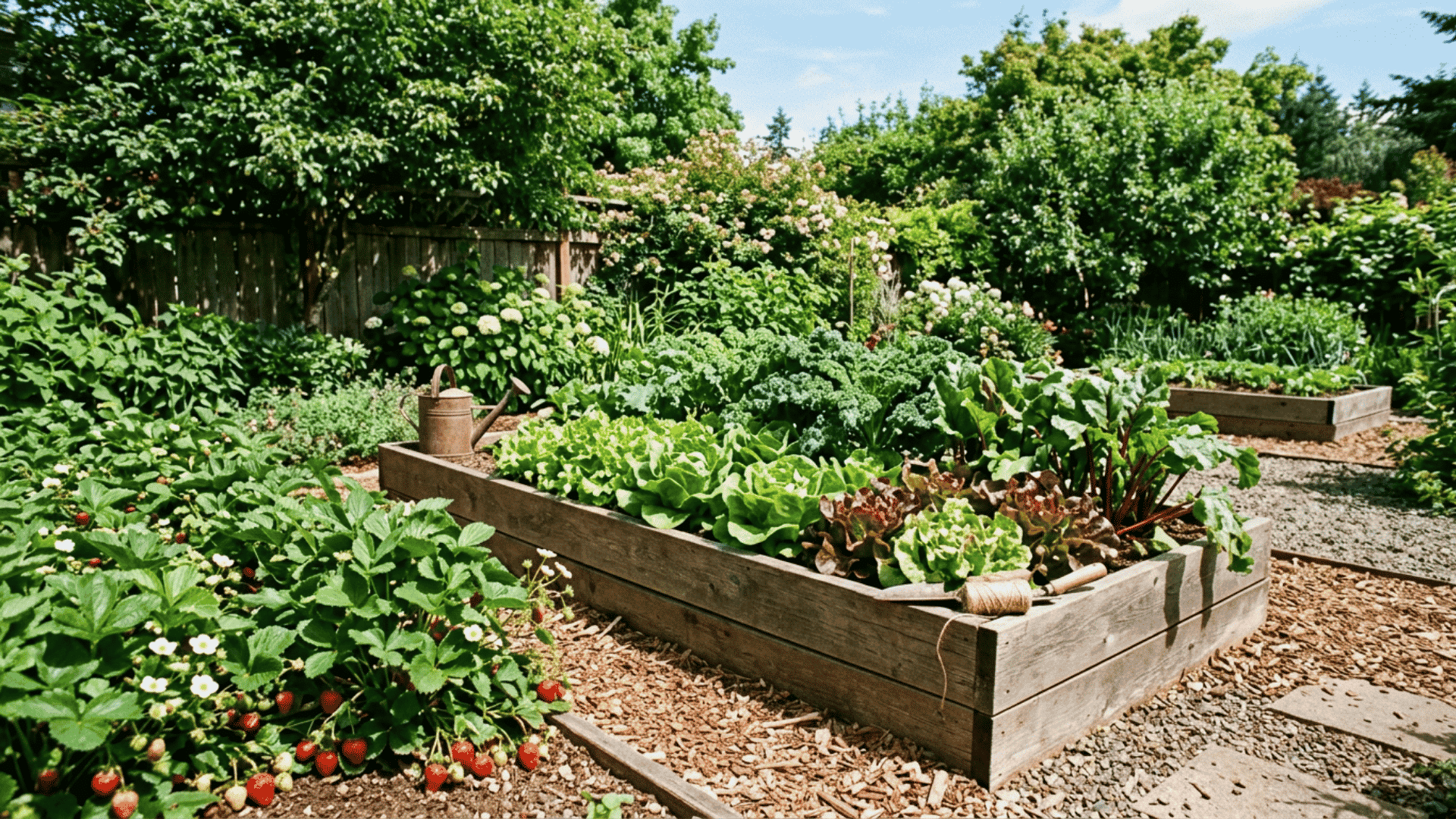
Raised Beds
This is where zinnias really seem to hit their stride. The soil warms up faster in spring, drains beautifully, and gives roots loose ground to stretch into.
Full sun plus a raised bed is about as close to zinnia paradise as you can get.
How to Plant Zinnia Seeds
Choosing the Right Time and Location
Plant zinnia seeds directly outdoors in the spring after all danger of frost has passed and soil temperatures reach at least 70°F (21°C).
Select a spot that receives full sun, meaning 6 to 8 hours of direct sunlight daily. Choose loose, rich, well-draining soil with a neutral pH between 6.0 and 7.5.
Preparing the Planting Bed
Remove all weeds, grass, and debris from the designated garden bed to eliminate root competition.
Mix in a 2- to 3-inch layer of organic compost to boost nutrients and improve texture. Finally, rake the soil flat and even so the seeds sit flush.
Sowing the Seeds
Push seeds about 1/4 inch deep into the soil, as they require a touch of light to help trigger germination.
Space them roughly 6 inches apart for dwarf varieties, 9 to 12 inches for medium types, and 12 to 18 inches for tall varieties. Gently cover the seeds with soil and pat down lightly to secure good seed-to-soil contact.
Watering and Germination
Mist your newly planted seeds gently to avoid washing them away, and keep the surrounding soil consistently moist like a damp sponge.
Zinnia seeds germinate remarkably fast, typically pushing through the soil within 4 to 7 days.
Following this quick start, the seedlings grow quickly and typically start flowering in about 60 to 70 days, depending on local weather conditions and the specific variety you chose to grow.
Ongoing Care and Maintenance
Water the soil, not the leaves, to prevent powdery mildew, and give them deep drinks once or twice a week. Once seedlings hit 3 inches tall, snip out weaker stems to hit your target spacing and ensure good airflow.
Deadhead regularly by clipping away spent flowers down to the next stem junction to encourage continuous, heavy blooming all season long.
Succession Planting for Continuous Blooms

One round of zinnias still puts on a good show, but the blooms tend to taper off together after a few weeks, especially once the plants shift focus to making seeds instead of more flowers. Succession planting fixes that lull.
Sow a fresh batch of seeds every 2 to 3 weeks through late spring and into summer. Each new round starts its own bloom cycle, so as one group winds down, the next hits its peak. Instead of one big flush that fades all at once, the color keeps coming.
There’s a cutoff to keep in mind, though. Count back about 60 to 75 days from the first fall frost – the last realistic date for seeds to grow and bloom before cold weather sets in.
Plant later than that, and the flowers may not have time to show up. For most areas, that puts the final round of planting somewhere in mid to late summer.
How to Deadhead Zinnias

Deadheading is really just the secret to keeping zinnias in bloom mode instead of letting them wind down early.
Once a flower fades, the plant naturally shifts energy toward seed production instead of growing new blooms. Snipping off spent flowers nudges all that energy right back into producing more color.
When to Start
Get going as soon as the first flowers begin to fade, usually a few weeks after blooming kicks off. Wait too long, and the plant settles comfortably into seed-production mode, which slows everything else down.
Where to Cut
Snip the stem just above the next set of leaves or a side branch, not right underneath the flower head. Cutting a little deeper encourages new branching stems instead of just one lonely replacement bloom.
A quick check every 3 to 5 days during peak bloom season keeps things tidy, since zinnias grow fast and spent flowers pile up quicker than expected.
When to Stop
Ease off about a month before the first fall frost. Letting that final round of flowers go to seed lets the plant wind down naturally, and it comes with a nice bonus: seeds to save for next season.
Final Thoughts on Planting Zinnias
Get the timing roughly right, and zinnias forgive just about everything else.
Wait out the last frost, let the soil warm past 70°F, and the seeds handle the rest without much fuss.
Starting indoors buys a few extra weeks of head start, while sowing outside skips the transplant stress altogether – both routes work well, and plenty of gardeners happily mix the two.
The real secret to a long, colorful season isn’t just nailing that first planting date. It’s staggering new seeds every few weeks and staying on top of deadheading once the flowers start to fade.
Do both, and a single seed packet can carry color through an entire summer, all the way up until the first cold nights of fall roll in.
People Also Ask
1. Can I Plant Zinnia Seeds Directly Outside?
Yes, easily. Zinnias are among the friendliest flowers to direct-sow. Once the last frost has passed and the soil has warmed, you can plant seeds straight into the garden with no indoor starting required.
2. What Month Should I Plant Zinnia Seeds?
Depends on where the garden is. Northern zones usually land in May or early June, while warmer southern zones can get started as early as March or April once frost risk clears out for good.
3. Is June Too Late to Plant Zinnias?
Not even close. June is a totally normal planting month in plenty of zones, and even later sowings work fine as long as there are 60 to 75 warm days left before the first fall frost.
4. How Long Do Zinnias Take to Bloom From Seed?
Most varieties show their first flowers within 60 to 70 days of sowing. Some quicker varieties can bloom in as little as 6 weeks given warm, sunny conditions.
5. Do Zinnias Come Back Every Year?
Not on their own; they’re annuals, so the original plants won’t return. Plenty of gardeners let a few flowers go to seed at the end of the season, and zinnias often self-sow, showing up again the following spring like an old friend.