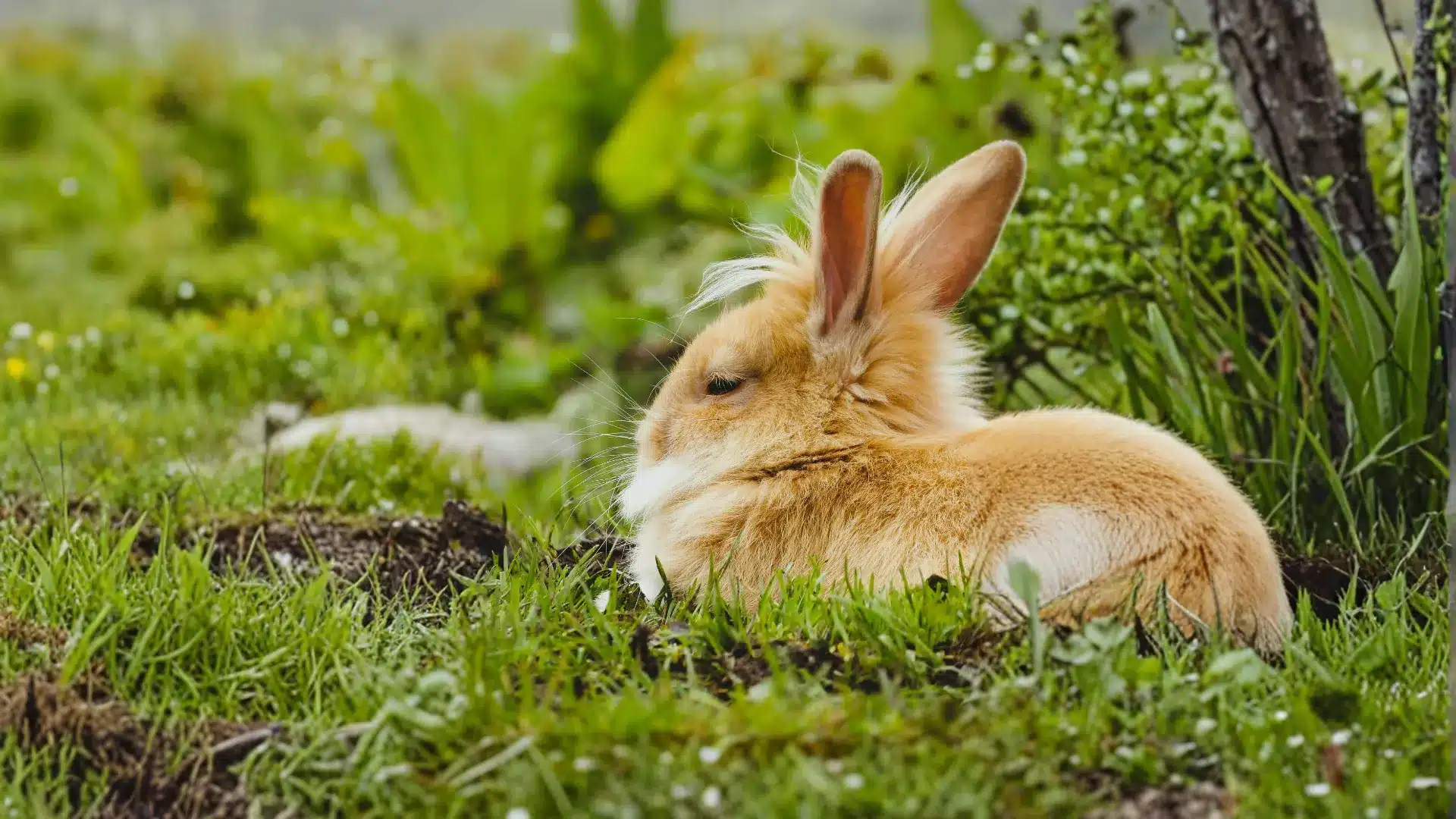
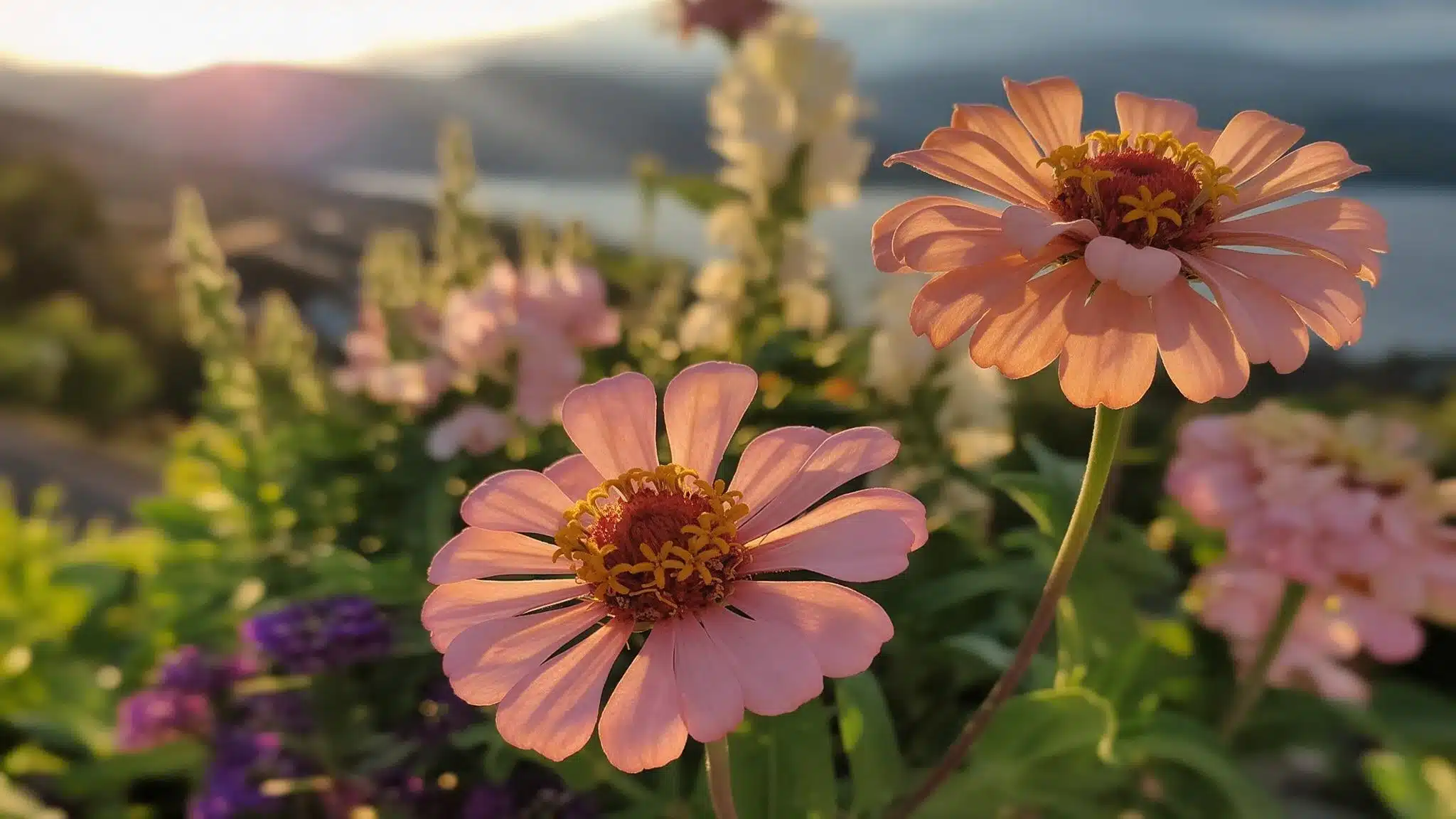
I know how frustrating it feels when deer and rabbits treat your garden like their personal buffet.
Now take this – you don’t have to resort to fencing your entire yard or spraying harsh chemicals. Many gorgeous perennial flowers naturally repel these hungry visitors. Take dianthus, a classic deer-resistant perennial; its spicy fragrance and slightly bitter flavor make it far less attractive to deer, while its colorful blooms brighten borders and pathways.
In this blog, I’ll share my tested list of rabbit and deer-resistant perennials.
You’ll find which flowers to plant, why animals avoid them, and how to design a stunning garden that stays all season long.
Why Rabbits and Deer Avoid Certain Plants
I’ve watched rabbits and deer in my garden for years. They’re not random eaters; they follow clear survival instincts.
Strong smells trigger their avoidance response. Rosemary, marigolds, and dianthus smell like trouble to them. Their sensitive noses pick up these warning scents from far away.
Animals test plants with their mouths first. Fuzzy leaves, thorny stems, and rough surfaces feel unnatural. They quickly move on to softer options.
Many plants contain bitter compounds or oils that taste awful. One bad bite teaches them to avoid that plant forever.
Top Perennial Flowers Rabbits and Deer Rarely Eat
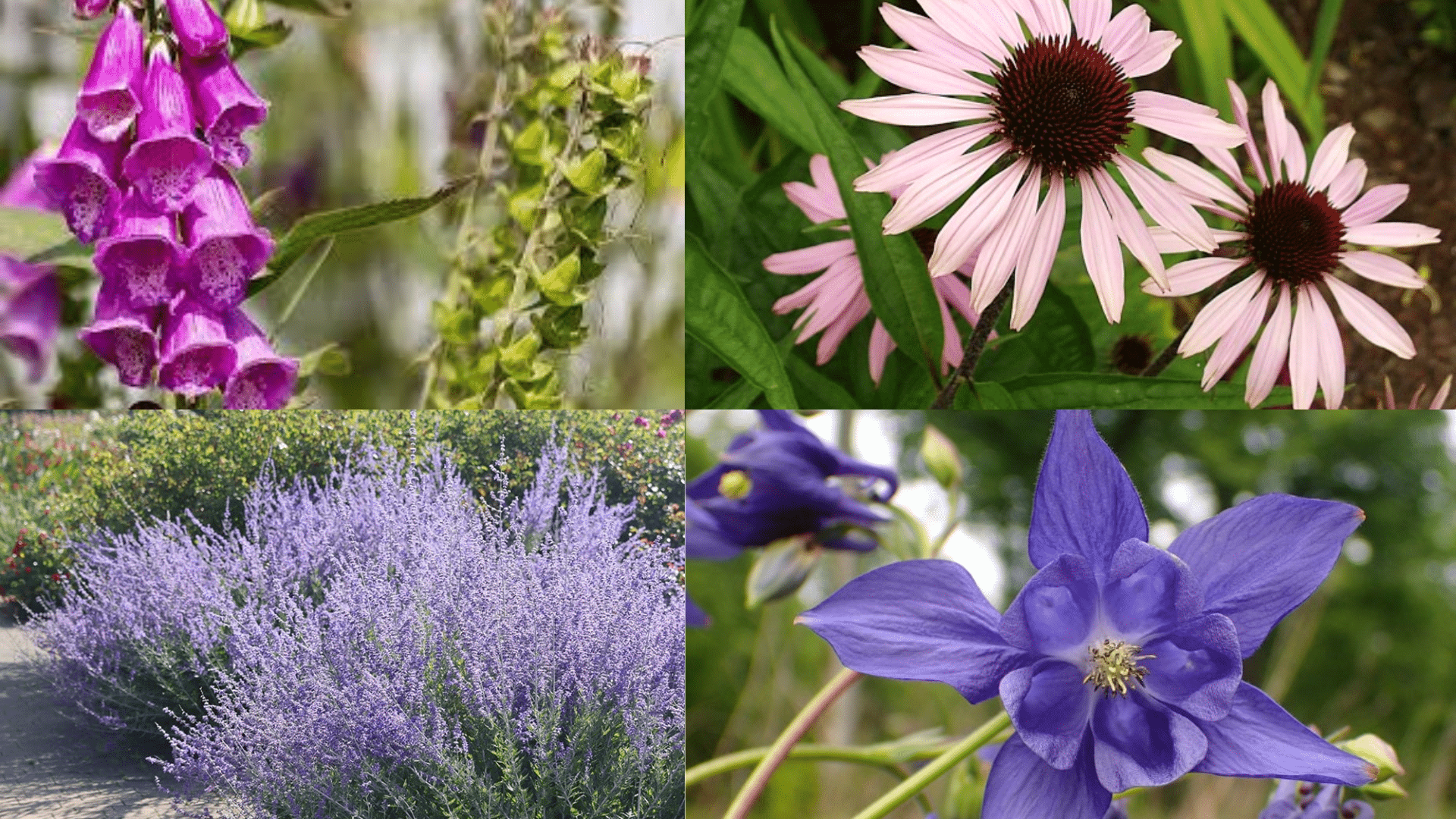
When you’re choosing perennials, it helps to know which ones rabbits and deer usually skip. These plants bring beauty to your yard while standing up to browsing. Here are some favorites to consider:
1.Bleeding Heart (Dicentra spectabilis)
Distinctive heart-shaped flowers and bitter-tasting leaves help protect this spring favorite.
2. Foxglove (Digitalis)
A striking cottage garden plant with tall spikes; its toxic leaves and flowers keep deer and rabbits away.
3. Peony
Lush, fragrant blooms and leathery foliage make peonies both beautiful and unappealing to wildlife.
4. Lamium (Dead Nettle)
Silver-green textured foliage and a spreading growth habit discourage nibbling.
5. Russian Sage (Perovskia atriplicifolia)
Its airy purple blooms and strong scent naturally repel deer and rabbits.
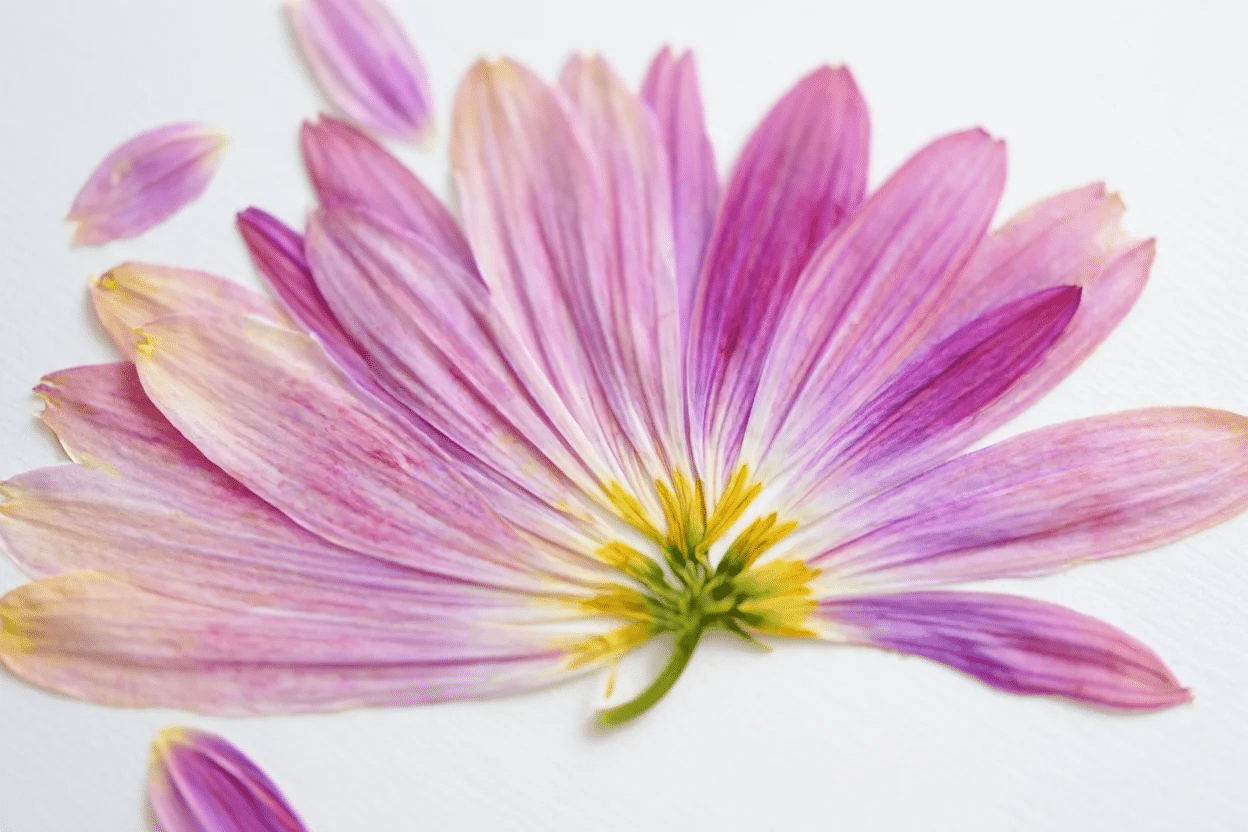
6. Dianthus
Known for its clove-like fragrance and bitter-tasting foliage, dianthus is rarely touched by browsing animals like deer and rabbits.
7. Columbine (Aquilegia)
Colorful nodding blooms are rarely eaten by deer, with rabbits only occasionally nibbling young shoots.
8. Lamb’s Ear (Stachys byzantina)
Soft, fuzzy leaves that feel pleasant to us but are unappetizing to browsing animals.
9. Salvia (Perennial Sage)
Strongly aromatic leaves and vibrant flowers keep wildlife at a distance.
10. Yarrow (Achillea millefolium)
Hardy clusters of flat blooms paired with bitter, aromatic foliage make it an ideal, resistant perennial.
11. Coneflower (Echinacea)
Daisy-like blooms with rough leaves and spiny centers provide lasting color while deterring deer and rabbits.
12. Hellebore (Lenten Rose)
Glossy evergreen foliage and mildly toxic properties keep deer and rabbits from feeding.
13. Allium (Ornamental Onion)
Its onion-like scent and striking globe-shaped flowers naturally repel most garden pests.
14. Monarda (Bee Balm)
Spicy-scented foliage makes this pollinator magnet unappealing to deer and rabbits.
15. Catmint (Nepeta)
A hardy perennial with gray-green leaves and aromatic flowers that wildlife rarely touches.
Designing a Garden with Resistant Perennials
Smart garden design uses resistant plants as natural shields. I’ve learned to build beauty and protection into every border.
- Layered Defense: Place aromatic plants like lavender and Russian sage at garden edges. Tuck vulnerable favorites like roses behind these natural barriers.
- Strategic Heights: In the front, low-scented plants such as dianthus should be placed. Then, place medium deterrents like salvia in the second row, and finally, tall protectors like foxglove can be placed in the back.
- Shield Planting: Surround each vulnerable plant with three resistant ones. This 3-to-1 ratio has saved my lilies and delphiniums countless times.
- Beautiful Protection: Pair purple Russian sage with yellow coreopsis, or silver lamb’s ear with pink dianthus. These combinations look stunning and stay safe.
Conclusion
Creating a garden where both you and wildlife can coexist doesn’t require constant battles or expensive solutions. I’ve shown you that choosing the right perennials makes all the difference.
Start small with just a few resistant varieties like dianthus or Russian sage. Watch how they perform in your space. Then gradually expand your collection based on what works best.
Your garden can be both beautiful and practical.