Clean lines, open views, and a sense of lightness have become defining features of contemporary architecture. Whether you’re looking at a city-centre apartment, a coastal home, or a commercial development, there’s a noticeable move away from heavy visual barriers and toward materials that create openness without compromising safety. Few design elements capture that shift better than frameless glass balustrades.
Once seen as a niche, high-end feature, they are now turning up across a much wider range of projects. Architects specify them to preserve sightlines. Developers use them to sharpen a building’s appearance. Homeowners choose them because they make outdoor spaces feel larger, brighter, and more refined. Their growing popularity isn’t just about aesthetics, though. It reflects broader changes in how people want buildings to function and feel.
Why Minimalism Still Shapes Exterior Design
Minimalism has been influencing property design for years, but it has evolved. It’s no longer just about reducing clutter or choosing a monochrome palette. In architectural terms, modern minimalism is about removing anything that interrupts flow, natural light, or visual continuity.
Traditional railings, even well-made ones, can break up a view. Metal spindles, timber posts, and bulky frames introduce visual noise. Frameless systems do the opposite. They create a secure boundary while allowing the architecture, landscape, or skyline to remain the focal point.
That matters more than ever in properties where outdoor space carries real value. A modest balcony with uninterrupted views can feel far more premium than a larger one enclosed by heavy materials. The same principle applies to terraces, patios, mezzanines, and garden edges. The less the barrier dominates, the more the surrounding space comes alive.
The Practical Appeal Goes Beyond Appearance
It would be easy to dismiss frameless glass balustrades as purely stylistic, but that would miss why they’ve become such a common specification. Their appeal is also practical.
Better Light, Better Space
Glass allows daylight to travel through and around a structure far more effectively than solid or heavily framed alternatives. On smaller properties, that can make a notable difference. A balcony edge that doesn’t cast harsh visual divisions helps both indoor and outdoor spaces feel more connected.
Strong Safety Performance
Modern systems are designed using toughened and laminated safety glass, meeting strict building and structural requirements when correctly specified and installed. That means property owners don’t have to choose between design and compliance. In fact, many professionals now view glass balustrades as one of the clearest examples of form and function working together.
Long-Term Versatility
A well-designed glass system tends to age gracefully. It doesn’t tie a property to a single decorative trend in the same way that ornate metalwork or heavily detailed joinery might. For anyone planning a renovation or new-build with long-term resale appeal in mind, that flexibility matters.
For those comparing styles, finishes, and structural options, it’s useful to look at how frameless glass balcony railings are being incorporated into modern homes and mixed-use developments. The key isn’t simply choosing glass over another material, but understanding how the right system supports the overall design language of a property.
Where They Work Best in Residential Design
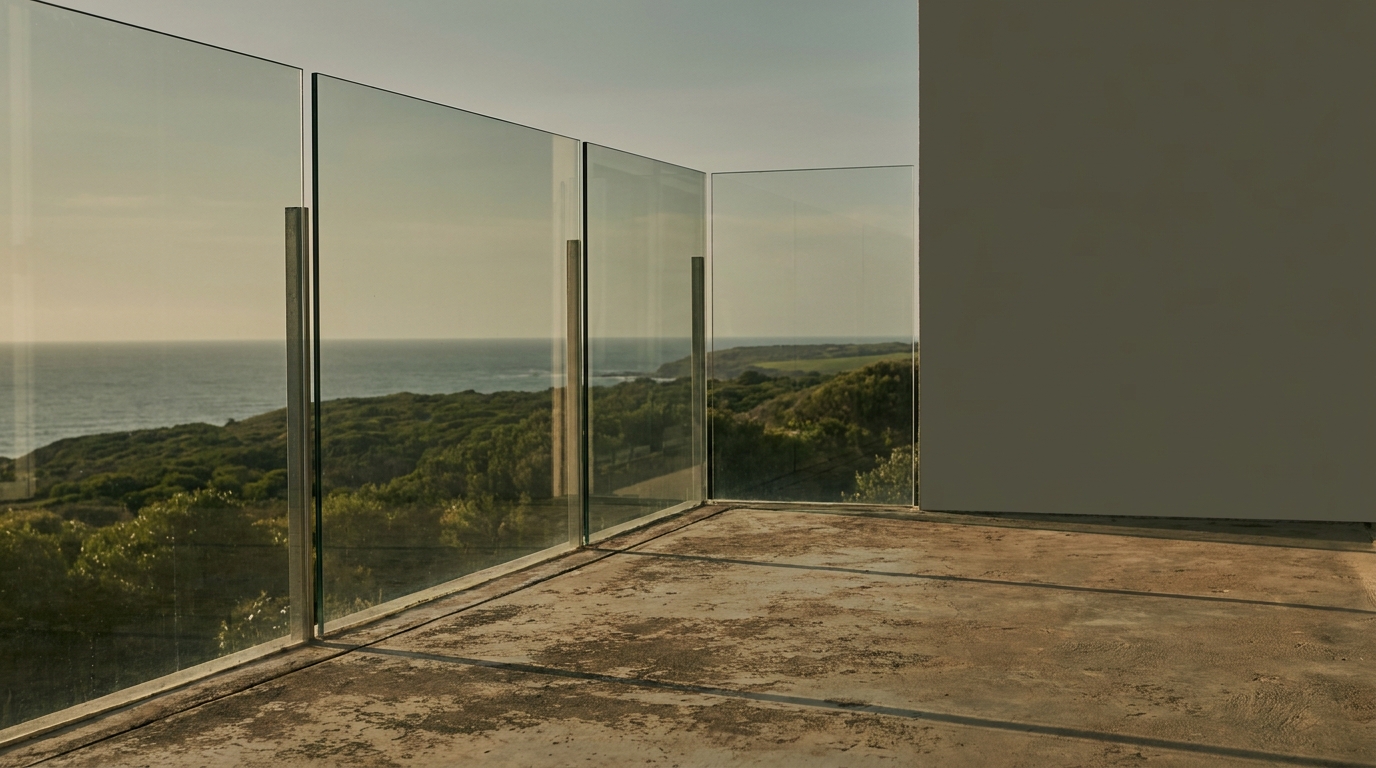
The beauty of frameless glass is that it adapts to different settings without feeling out of place. That’s part of the reason it has moved from luxury statement to mainstream design choice.
Balconies and Roof Terraces
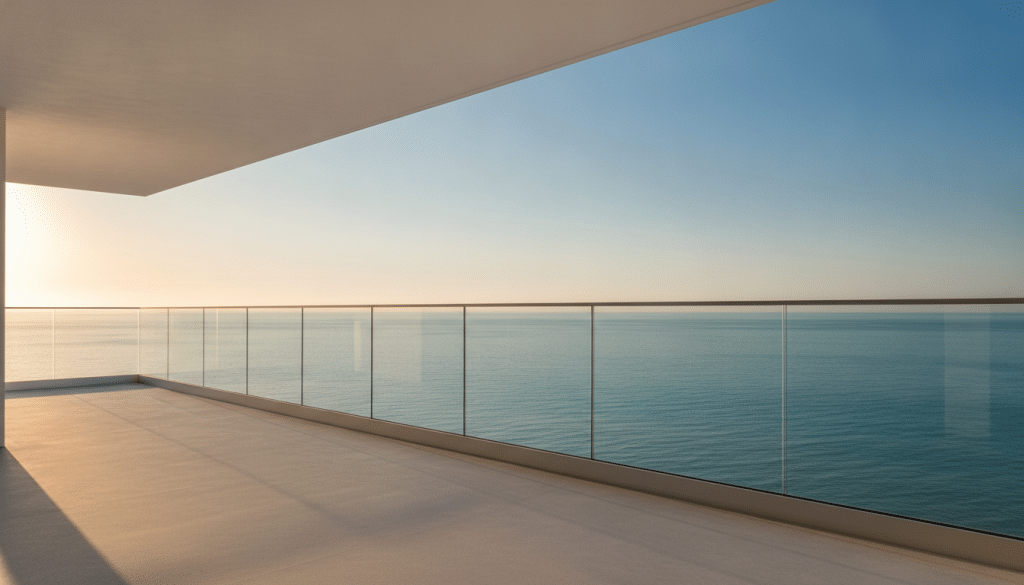
This is the most obvious application, and for good reason. Elevated outdoor spaces benefit enormously from clear boundaries that don’t interrupt the view. In urban areas, that might mean preserving a skyline. In rural or coastal locations, it could mean opening up sightlines to countryside or sea.
Garden Levels and Decking
Frameless balustrades are also increasingly used around raised decks, split-level gardens, and patio steps. They help define changes in level without chopping the landscape into separate visual zones. That can be particularly effective in contemporary garden design, where seamless movement is part of the brief.
Interior Features With Exterior Influence
Interestingly, their popularity outdoors has also influenced indoor design. Mezzanines, staircases, and gallery landings are now often treated with the same minimalist approach, creating continuity between interior and exterior architecture.
What Designers and Developers Are Paying Attention To
Not all frameless systems are equal, and as demand grows, the conversation has become more sophisticated. Buyers are asking better questions, and rightly so.
A few factors tend to shape a successful specification:
- glass thickness and load requirements
- fixing methods and base channel design
- wind exposure, especially on upper floors
- ease of cleaning and maintenance access
- compliance with UK building regulations
These aren’t just technical details to leave until the last minute. They influence the finished look just as much as they affect performance. For example, a poorly considered fixing detail can undermine the “frameless” effect, while the wrong specification for a high-exposure site can create avoidable issues later.
The Lifestyle Factor Behind Their Popularity
There’s another reason frameless glass has gained traction: people are using their homes differently. Outdoor areas are no longer treated as secondary spaces. Balconies have become extensions of living rooms. Roof terraces function as entertaining areas. Even compact gardens are being designed with the same attention once reserved for interiors.
In that context, boundaries matter. If a railing feels heavy or dated, the whole space can feel smaller and less considered. Glass, by contrast, supports a more relaxed, open atmosphere. You notice the setting first, not the barrier.
That shift also aligns with what buyers increasingly expect. Properties that maximise natural light, improve visual space, and create a stronger connection between indoors and outdoors tend to photograph better, present better, and often feel more valuable in person. It’s a subtle design move, but the impact can be significant.
A Feature That Reflects Broader Design Priorities
The rise of frameless glass balustrades says something larger about contemporary property design. Today’s best buildings are expected to do more than meet practical needs. They must also feel calm, efficient, and visually coherent. Materials are chosen not just for what they do, but for how quietly they do it.
That may be the real secret behind the appeal of frameless glass. It performs an essential safety role while appearing almost to disappear. In design terms, that’s a powerful quality. When a necessary feature enhances the architecture rather than competing with it, it stops being an add-on and becomes part of the property’s identity.
For homeowners, architects, and developers alike, that’s why frameless glass continues to stand out. It answers a very modern brief: create protection, preserve openness, and let the space speak for itself.