Plywood sounds easy enough but when you try to buy some things change.
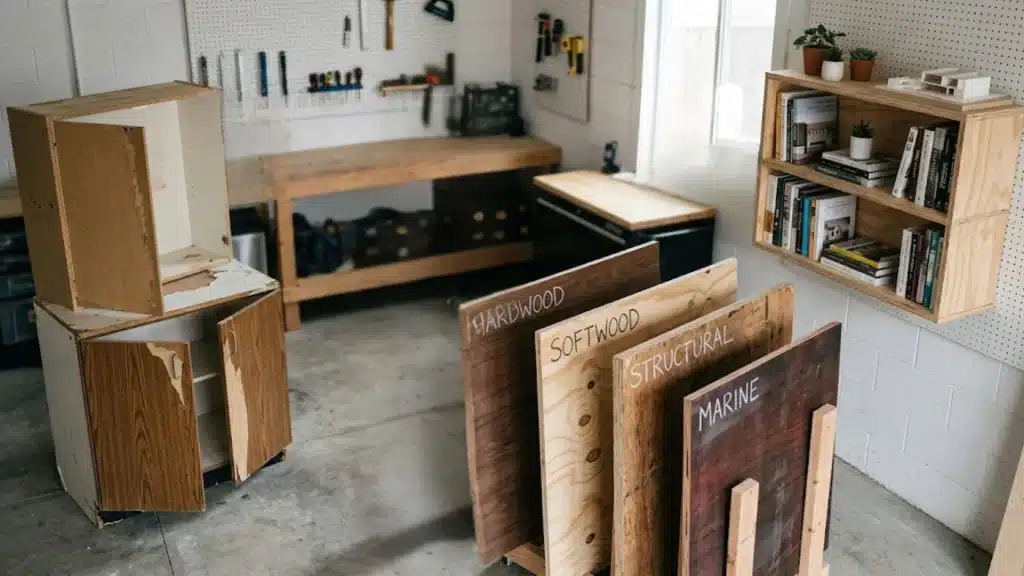
You find yourself looking at “hardwood”, “marine”, “structural” or “quality” boards, with no information on what each board can do for you. Some will stand up to your kitchen. Other will crumble when first exposed to water.
They all look alike until you know what to look out for.
This is the step most interior design plans miss, and which is completely unnecessary once you learn about the few basic kinds of plywood, the grade ratings and which thicknesses go where.
Here’s what you need to know.
Let’s Start with the Basics: What is Plywood?
Plywood is a wooden panel consisting of several thin layers of wood glued together. These layers are glued with the grain of the wood in opposite directions.
The problem with the solid wood is that it may change its volume according to the changes in temperature and humidity. The plywood copes with these factors much better due to the interaction of layers that neutralizes the influence of these changes on the whole material.
These reasons contribute to the fact that plywood can be found in many interior projects, such as furniture bases, cabinets, wardrobes, ceiling and wall panels. Unlike the solid wood, plywood is more stable and cheaper.
The number of layers, or plies, increases according to the thickness of the board. However, it is essential to know that the quality of plywood layers also influences the characteristics of the plywood board.
There are six popular types of plywood that everyone who works with interiors should know about.
What are the 6 Types of Plywood You Should Know About?
Each type of plywood is designed to accomplish a certain task, so the variety of these boards is quite high.
1. Hardwood Plywood
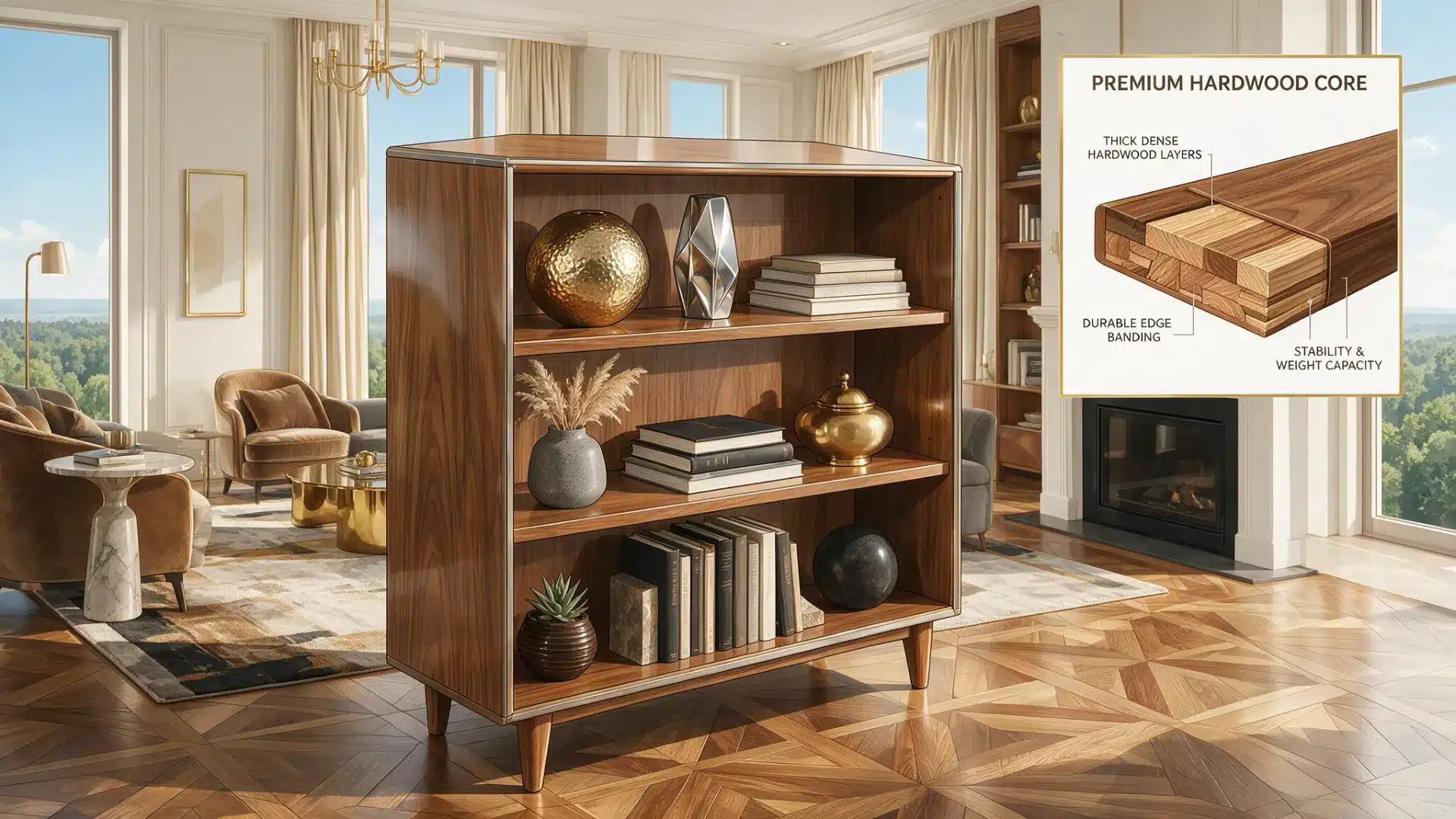
Hardwood plywood has hardwood layers on the exterior, which makes it strong and elegant, and that is why this type of plywood is used in the production of furniture and interior panels that will have heavy loads on them.
One fact that should be mentioned is that hardwood plywood is more expensive than any other type of plywood. It is a reasonable choice for the visible furniture, but not for hidden construction purposes.
2. Softwood Plywood
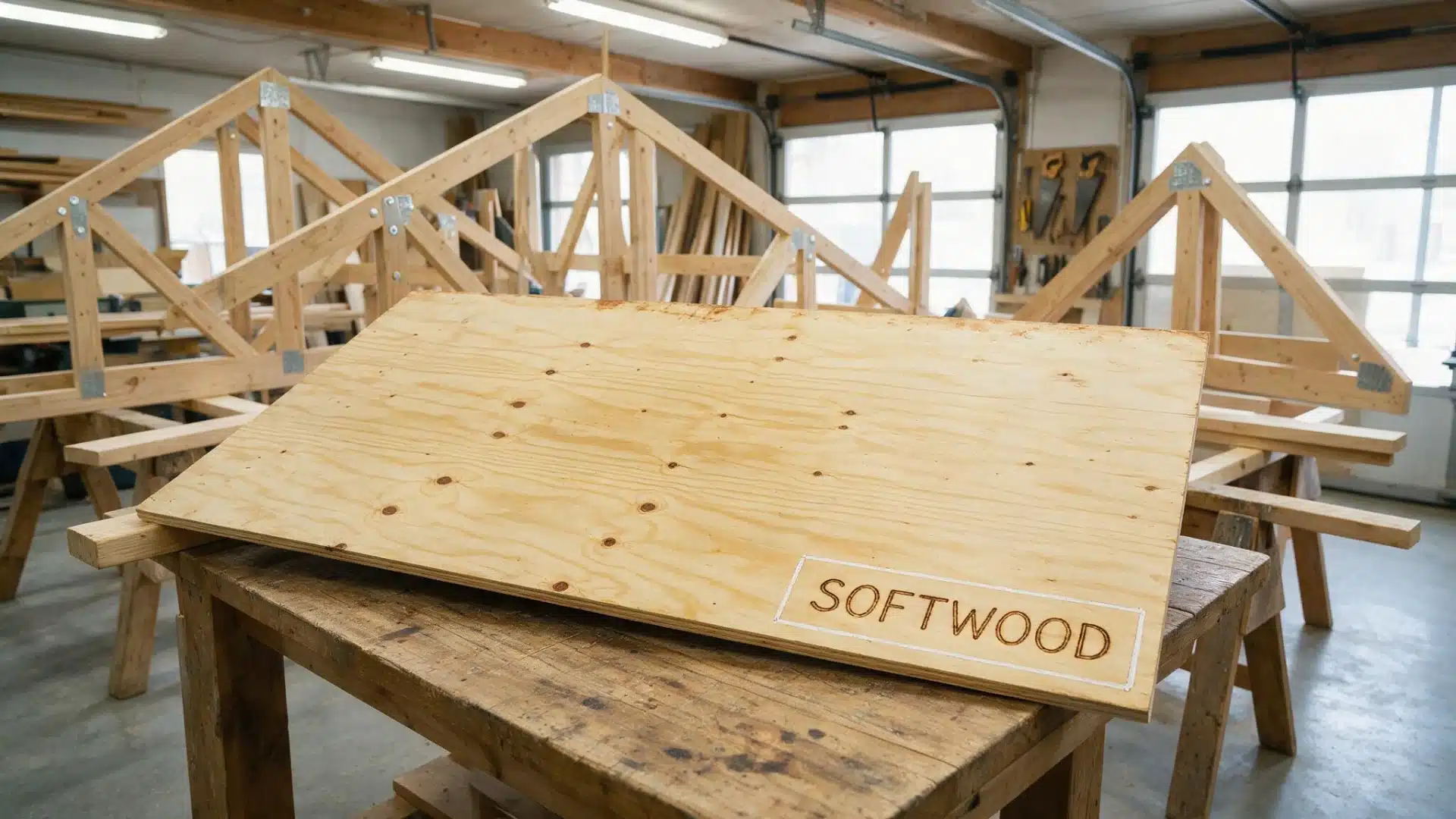
Softwood plywood has layers of softwood, such as pine or fir.
This type of plywood is cheaper and lighter than hardwood plywood and is mostly used for constructional elements that require less polished surfaces, such as wall and roof panels.
The trade-off is durability. Softwood plywood can dent or wear down faster under heavy weight, so it works best in areas that are not roughly used every day.
3. Structural Plywood
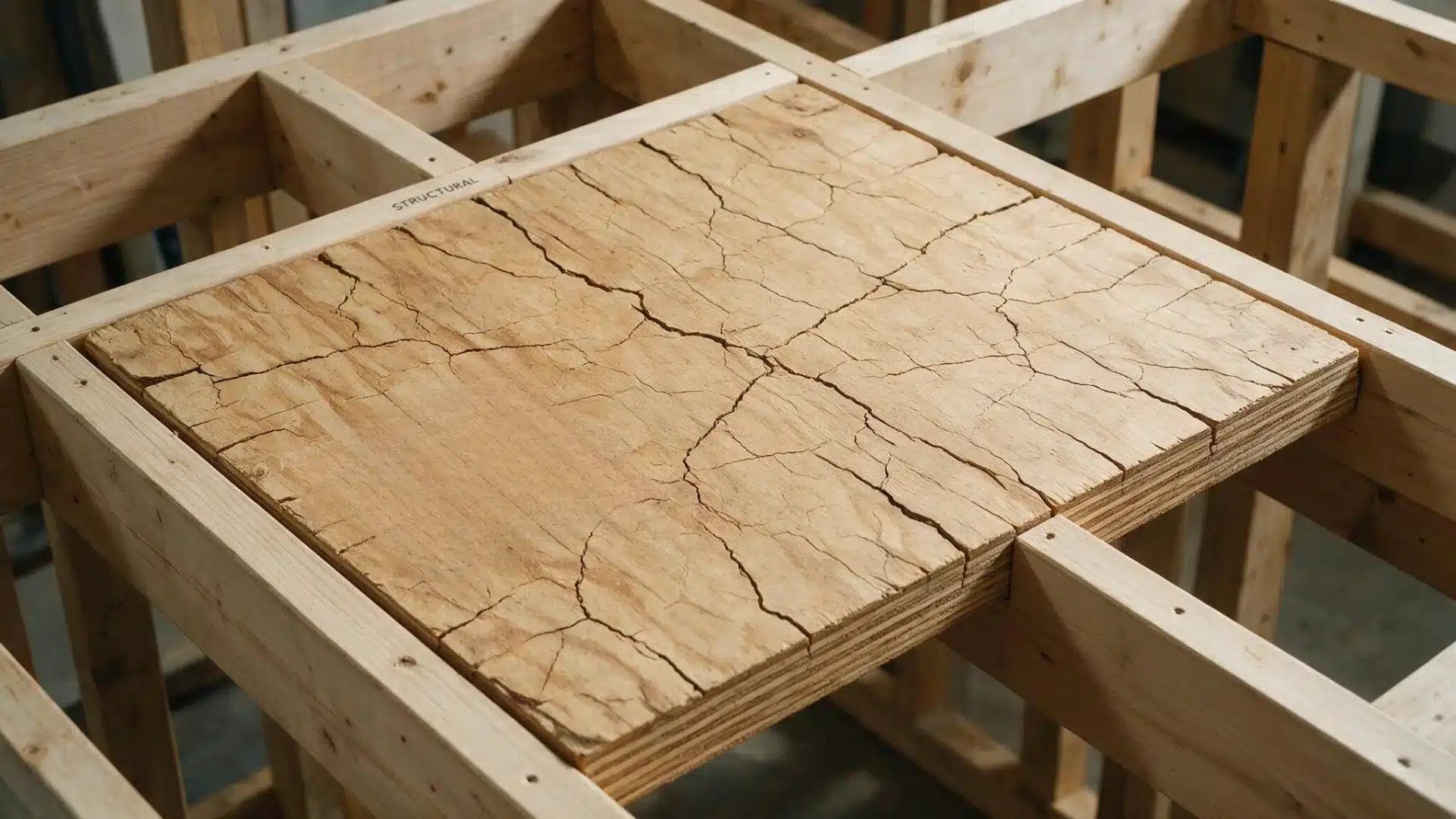
Structural plywood is built for strength first. It goes through specific testing to make sure it can handle heavy loads, which is why builders use it for flooring, roofing, and load bearing walls.
It is not the type you want for furniture or anything that needs a smooth finish. It is functional, not decorative, and that is exactly the point.
4. Marine Plywood
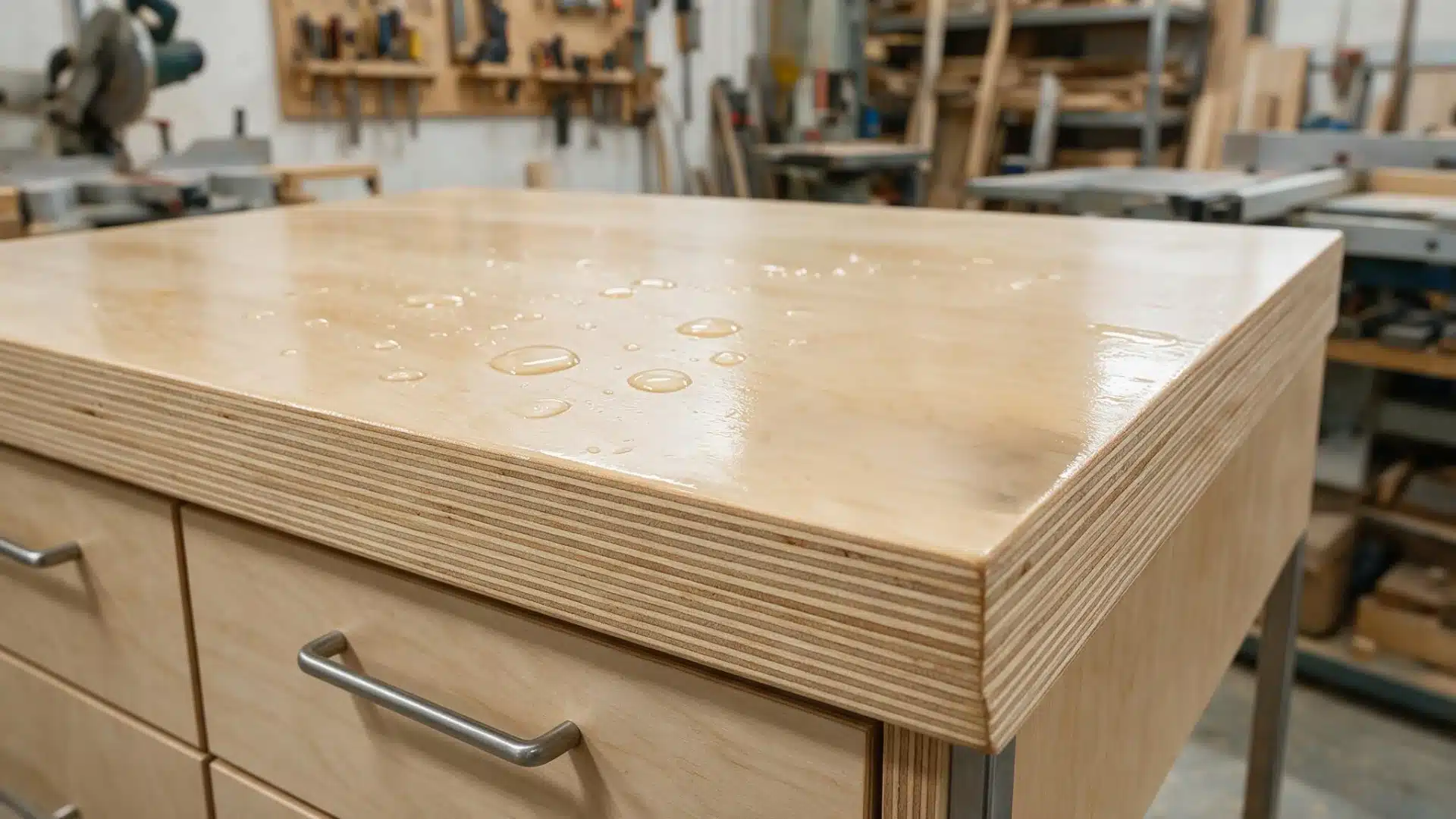
Marine plywood is made to resist water and moisture better than regular plywood.
It uses stronger glue and fewer gaps between layers, which lowers the chances of it swelling or falling apart when exposed to damp conditions.
This makes it a good pick for bathrooms, kitchens, or outdoor furniture. It does cost more than standard plywood, so it makes sense mainly in spaces where moisture is a real concern, not just as a general upgrade.
5. Sanded Plywood
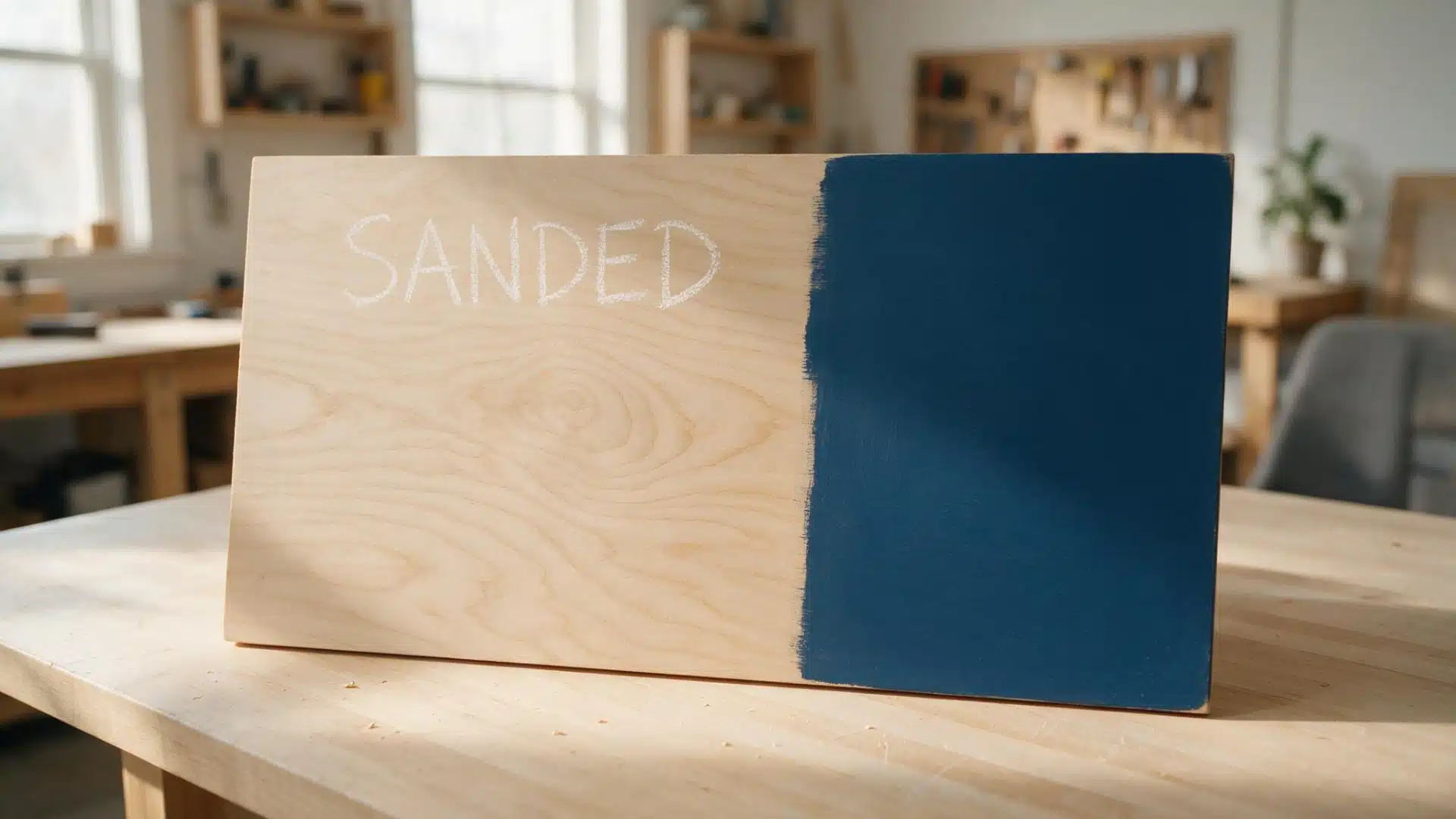
Sanded plywood has a smooth, finished surface, which makes it ready for painting or a clean visual finish without much extra work. It is often used for cabinets, shelving, and furniture where the surface will be seen.
If the plywood is going somewhere hidden, like behind a wall or under flooring, spending extra on sanded plywood is not really necessary.
6. Decorative Plywood
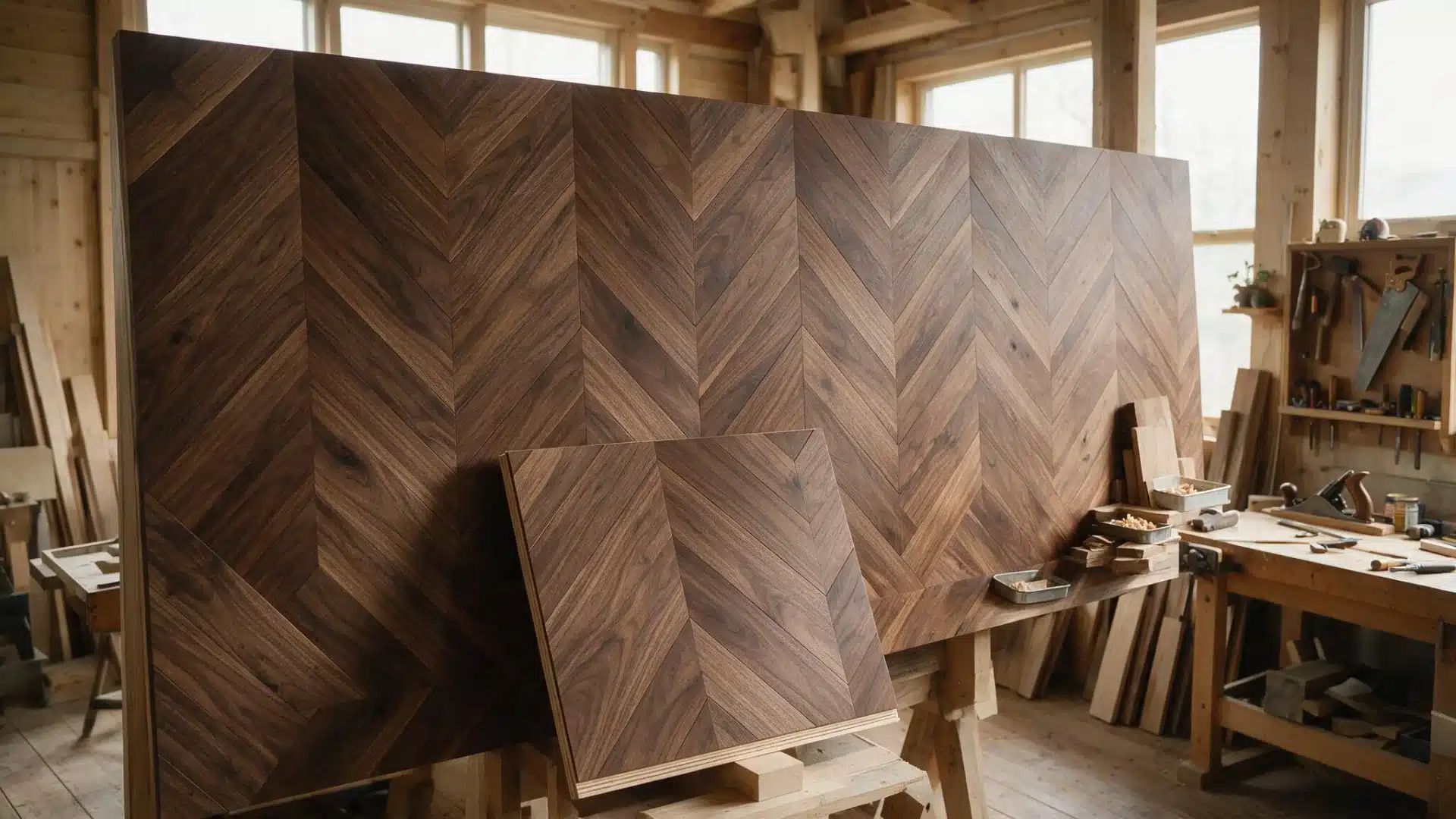
Decorative plywood comes with a finished veneer layer on top, often in wood patterns or laminate finishes.
It is made to be seen, so it works well for feature walls, cabinet fronts, and furniture pieces where looks matter as much as function.
The catch is that this finish is thin. It can scratch or wear down faster than hardwood plywood, so it makes more sense for low-contact areas like wall panels rather than surfaces that get touched or used constantly.
How Plywood Grades Affect its Quality?
Plywood grading shows you the surface quality, not the strength. Here is what each grade actually means.
Grade A: Smooth, nearly flawless surface with minimal knots or patches. Best suited for visible furniture, cabinet fronts, and panels where appearance genuinely matters most.
Grade B: Slightly rougher than Grade A, with small repaired knots. Works well for painted surfaces where a perfectly smooth finish is not necessary.
Grade C: Visible knots, some discoloration, and rougher texture. Suitable for structural uses or areas that stay hidden once the project is complete.
Grade D: Roughest grade, with larger knots and visible flaws. Best reserved for subflooring, backing panels, or spots nobody will ever see.
Many boards carry two grades, one per face. A board marked A or C has a clean front and a rougher back, which is common and cuts costs since nobody sees that side anyway.
Assuming higher grade means stronger plywood. It does not. Grade affects looks, not durability. For structural work, plywood type matters more than grade. For visible pieces like cabinet fronts, grade becomes the priority.
What are the Thicknesses of Plywood?
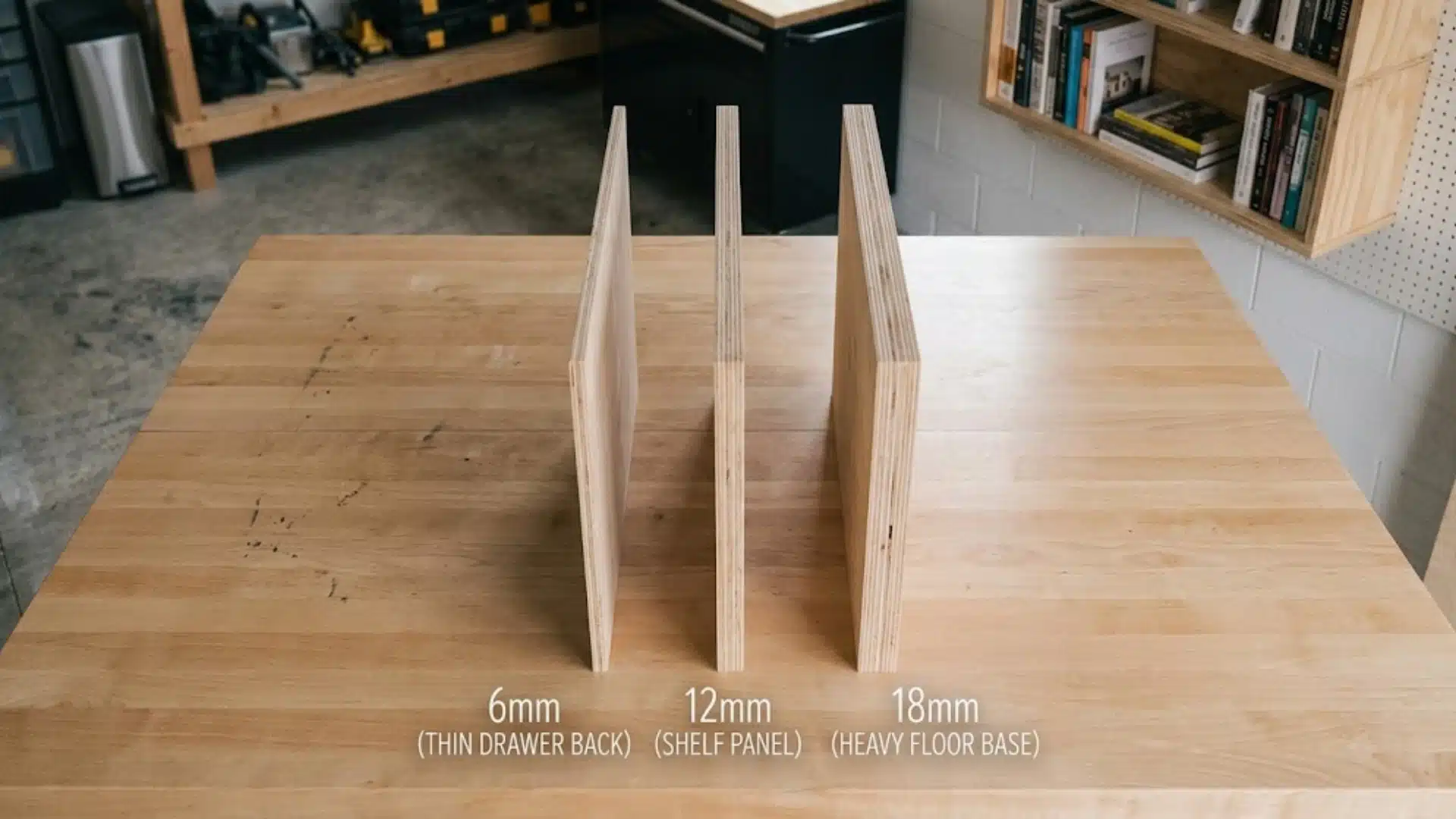
Plywood comes in a range of thicknesses, and picking the right one depends on what you are building, not just personal preference.
Thin Plywood
Around 3 to 6 millimetres, works well for cabinet backs, drawer bottoms, and other spots that do not carry much weight. It is light and easy to cut, but it will flex or bow under pressure.
Mid-range Plywood
Around 9 to 12 millimetres, is the most commonly used thickness for shelves, wardrobe panels, and furniture that needs to hold moderate weight without feeling heavy.
Thicker Plywood
From 18 millimetres and up, is built for load-bearing work like flooring, structural panels, and furniture bases that need to support significant weight over time.
Thinner boards cost less, but using them where thicker plywood is actually needed leads to sagging shelves or furniture that wears out faster than expected. Matching the thickness to the job matters just as much as picking the right type of plywood.
Closing it Up!
Picking the right plywood is not about finding the most expensive board on the shelf. It comes down to matching the type, grade, and thickness to what you are actually building.
A wardrobe does not need marine plywood. A bathroom cabinet does not need the cheapest softwood you can find.
Once you understand what each type of plywood is actually good for, choosing the right one for your next project becomes a lot less confusing and a lot less likely to go wrong.
FAQs
1. Can I Mix Plywood Types in One Furniture Piece?
Yes, many constructors choose to use thick plywood in one side and thin in another for better price-performance.
2. Does the Thickness of Plywood Affect its Installation?
Yes, the installation of thicker plywood requires additional fixtures, but the installation of thinner sheets requires just simple screws or adhesive.
3. How Can I Judge the Quality of Plywood by its Look?
Inspect the edges. Less visible spaces between the layers indicate that it is a quality piece.
4. Is it Worth Investing More in Expensive Plywood?
It is not necessary. The choice of the material should be reasonable depending on your task.