Why Phase I Environmental Site Assessments Are Non-Negotiable for Commercial Real Estate Deals
You found the perfect commercial property. Zoning works, the roof looks fresh, and the price actually pencils out. Then your lender drops the phrase “environmental site assessment” into the conversation, and your stomach sinks. Another inspection. Another fee. Another delay.
I get it. But here’s what I’ve learned from watching deals fall apart: skipping this step saves you about 30 days upfront and can cost you the entire building later. So let’s talk about what this report actually does, when you genuinely need it, and how to read one without a geology degree.
What Exactly Does a Phase I ESA Look For?
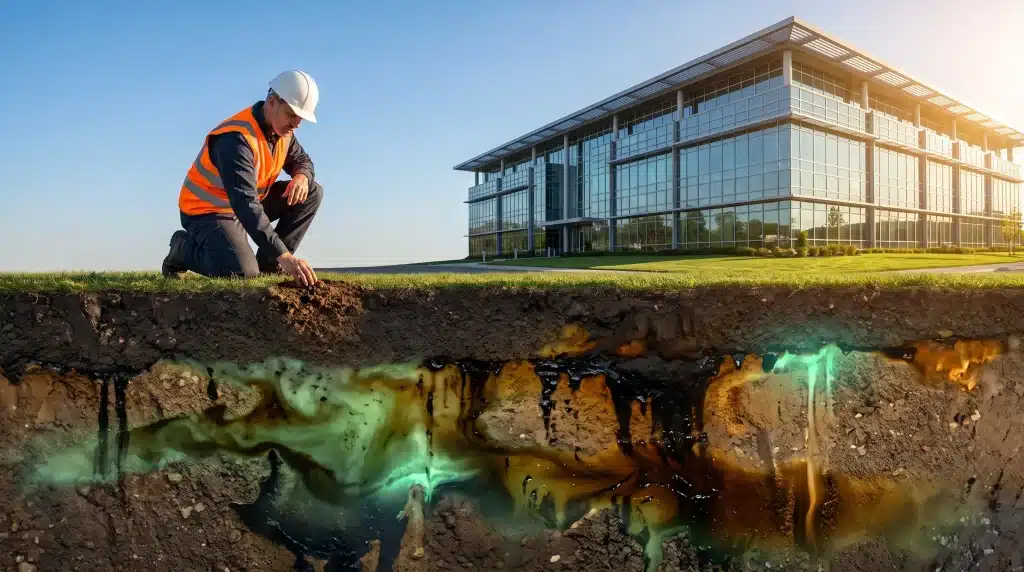
The whole job of a Phase I is to answer one question: does this property carry hidden environmental liabilities that will become your problem the day you take ownership? The Environmental Protection Agency created the framework for these investigations, and the report digs into four main areas.
First, a reviewer walks the entire site, looking for stains, drums, suspicious fill dirt, and abandoned equipment. Second, they interview past and present owners about how the land was used. Third, they pull historical records, old fire insurance maps, and aerial photos to see what stood here fifty years ago. Fourth, they check government databases for nearby contaminated sites, leaking underground tanks, or recorded spills.
Here’s the catch that surprises most buyers: the reviewer does not take soil samples. That’s a Phase II. A Phase I is a records and visual investigation that identifies whether a problem might exist, not proof that a problem does exist. When the report flags a recognized environmental condition, you get the chance to order a Phase II and test the soil and groundwater before you commit.
Think of Phase I as the medical history review before surgery. You wouldn’t let a surgeon operate without checking your chart, and you shouldn’t hand over a seven figure check without checking the property’s chart first.
Why Lenders Won’t Close Without It
Your lender is not being difficult just to slow you down. They are protecting their own money. When a bank finances a commercial property, that building becomes collateral. If the EPA later finds contamination that requires cleanup, the property value can crater, and suddenly the collateral is worth less than the loan balance.
That risk exposure is exactly why federal regulators and major housing agencies expect a Phase I as part of standard underwriting. The Department of Housing and Urban Development maintains baseline requirements around environmental due diligence for certain federally related transactions. Private lenders apply the same logic even when no federal program touches the deal.
So the real question is never “should I order one?” It’s “which consultant should I hire and how fast can they finish?” A typical commercial Phase I takes two to four weeks from site visit to final report, depending on how complicated the property history looks. If your purchase agreement has a 21 day due diligence period, you want the consultant booked the day you sign the contract, not the week before closing.
How the Innocent Landowner Defense Actually Works
Here is where things get legally interesting. Owning contaminated land is not automatically a disaster. The laws that govern cleanup offer something called the innocent landowner defense, and it can shield you from liability if you meet specific conditions.
The defense requires you to have performed all appropriate inquiries into the property’s history before you bought it. A properly conducted Phase I is the documentation that proves you did that homework. Without the report, you lose the defense, and the EPA can hold you responsible for cleanup costs that run into the hundreds of thousands of dollars.
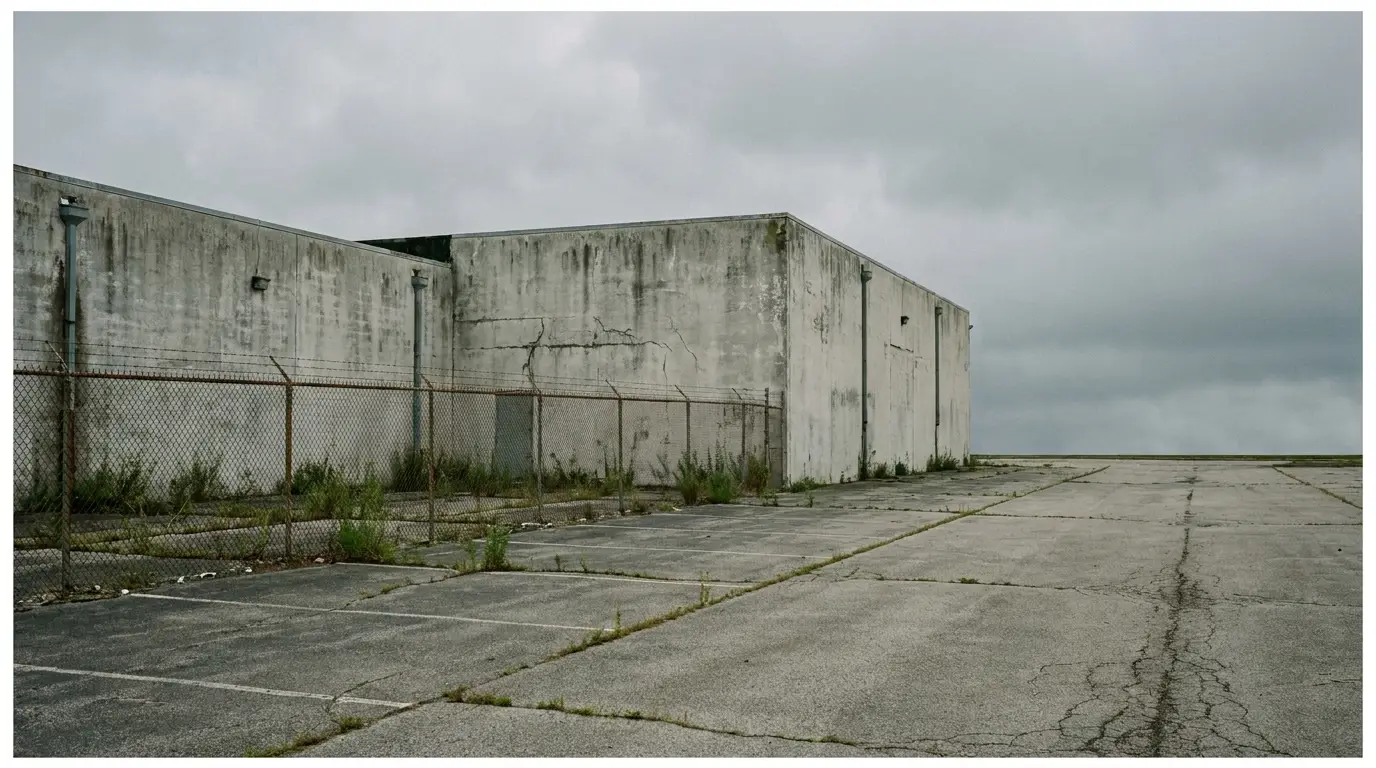
I have met investors who waived the Phase I on a “clean looking” warehouse to save $3,000. Two of them are still fighting cleanup battles. The third one walked away from the deal entirely after the report revealed the property sat on an old dry cleaning site, and the groundwater plume stretched three blocks.
The lesson is simple. The report is not a luxury add on. It is your legal shield, and you do not want to enter an ownership dispute without it.
Reading the Actual Report Without Panicking
When the finished document lands in your inbox, it will run anywhere from fifty to two hundred pages. Do not read every page. Focus on the findings and conclusions up front, then drill into the sections that matter.
Here is the decision guide I give to buyers:
- No recognized environmental conditions found: Clean report. Close the deal and move on.
- Recognized environmental condition identified: There is evidence of contamination or a release. Order a Phase II before you sign anything else.
- Historical recognized environmental condition: A problem existed but was resolved. Verify the closure documentation in the report.
- Controlled recognized environmental condition: Contamination exists but is contained. Review the long term monitoring obligations carefully.
- De minimis conditions: Minor issues that pose no real threat. Note them and proceed.
One thing I always tell clients: read the consultant’s qualifications and the scope of work in the appendix. A Phase I that was rushed in three days with no historical records review is worse than no report at all, because it gives you false confidence.
Your Timeline for a Smooth Transaction
You have a closing date, but that date can slip if you handle the environmental review in the wrong order. Here’s the sequence that actually works.
Start by determining whether the property has any obvious red flags. A quick records search for nearby contaminated sites can reveal deal killers before you spend money on a full Phase I. Many commercial due diligence firms offer an early screening that checks databases and historical records for a fraction of the cost of the full report.
If the screen comes back clean, order the full environmental site assessment for commercial properties immediately. Book the consultant before you finalize the purchase agreement, and make the report a contingency in the contract so you can walk away if something ugly surfaces.
While the consultant works, line up your Phase II provider in the background. If the Phase I flags a problem, you will not have time to shop around during your due diligence window. Having a second vendor ready to mobilize saves you two weeks when the clock is already running.
Set aside $2,500 to $6,000 in your closing budget for the Phase I itself. Complex industrial properties run higher, simple office buildings run lower. That range covers most standard commercial deals, and the money comes back to you many times over the moment the report keeps you out of a contaminated property.
When You Can Actually Skip It
Honesty requires me to admit that a Phase I is not always mandatory. A cash buyer in a state with no environmental disclosure requirements can legally skip the report, and many small transactions happen exactly that way. Single tenant retail properties that have held the same use for decades, like a stable fast food location, carry lower risk profiles.
But skipping it is a gamble, not a cost saving measure. You are betting that the previous owners knew the full history of the land and told you the truth about it. If you are willing to take that bet on a property you plan to hold for years, that is your call. I would not take it, and neither would most institutional buyers.
The Society of American Valuers International publishes appraisal standards that treat environmental risk as a direct input into property valuation. When a buyer skips the report, they accept unknown risk that the market usually prices into the offer anyway. You are not saving money. You are just moving the risk from the bank’s balance sheet onto yours.
Here is the part that matters. The Phase I environmental site assessment does more than satisfy your lender. It gives you negotiating leverage, legal protection, and a clear picture of what you actually own. I have never met a buyer who regretted ordering one. I have met plenty who regretted the opposite.
Ask your consultant directly: what did the historical aerial photos show before the first building went up? The answer will tell you more than any page in the executive summary, and it is the one question worth asking before you close.