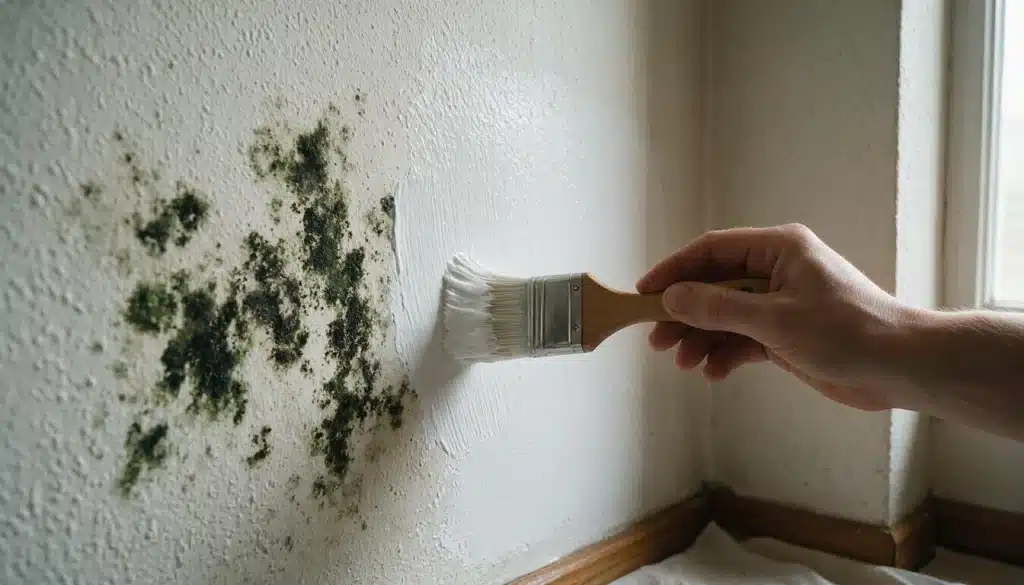
Almost everyone has come across the problem of mold in their household: the small, furry, fuzzy, or velvety patches seen on the walls of their kitchen, bathroom, or laundry area.
It can be a serious health hazard if not treated in a timely and correct manner, and we tend to address it by painting over the mold.
But is paint really that effective? This blog will cover what really needs to be addressed, the harmful effects of mold, and real remedies and preventive measures.
What is Mold? Meaning
Molds are a type of microscopic fungus that thrive in damp, warm environments.
They are small living things that can grow outdoors or indoors, wherever moisture and oxygen meet.
While mold is a natural part of the ecosystem, aiding in decomposition and even used to make life-saving medicines like penicillin. Its presence indoors can cause property damage and adverse health effects.
It is most commonly found in the bathrooms due to poor ventilation systems.
Can You Paint Over Mold?
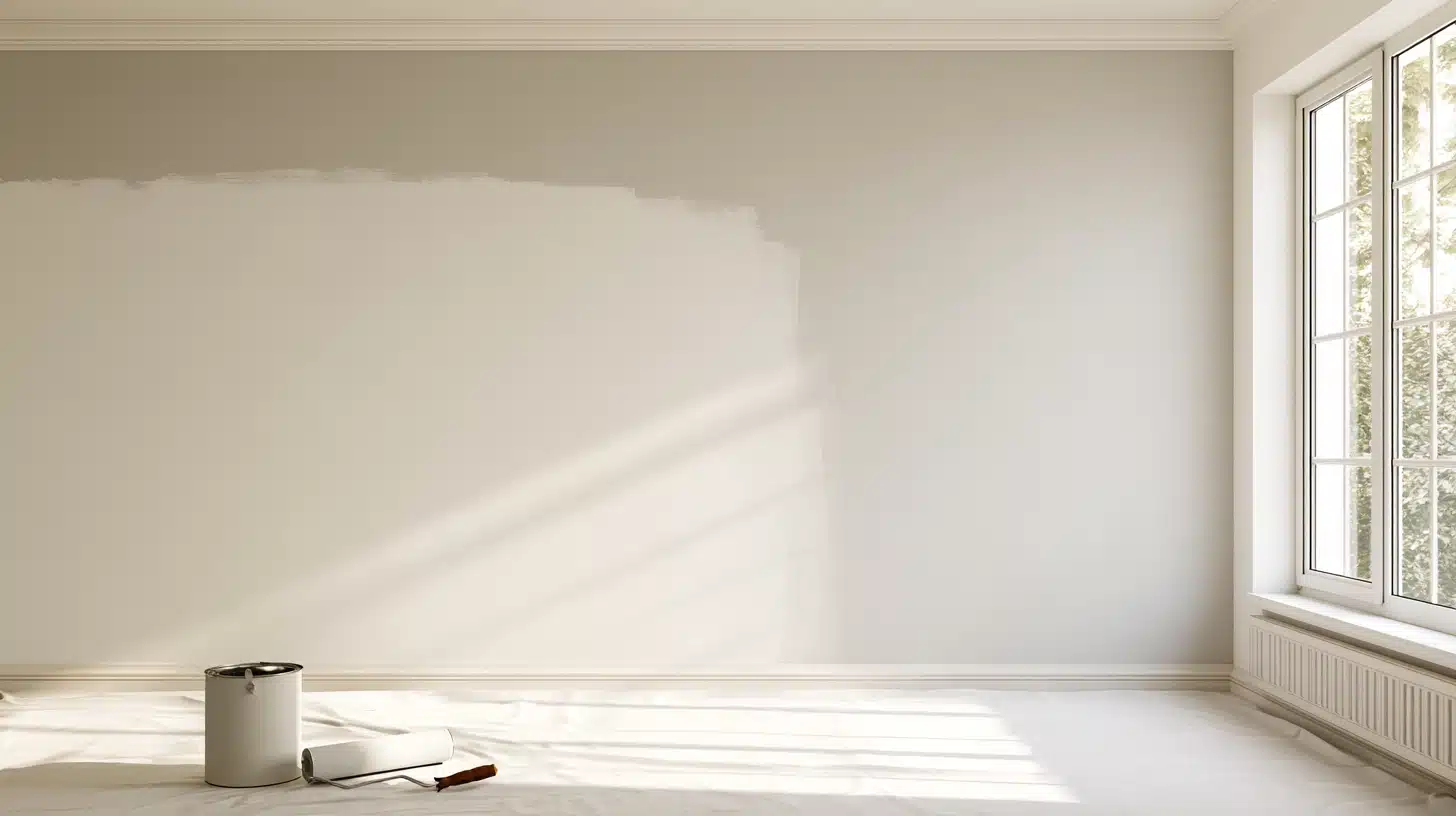
While painting over mold can temporarily disguise it, it cannotbeconsidered an effective measure, as mold may continue growing beneath the paint until it again shows through.
Painting over the mold is like applying a band-aid to a leaking pipe.
It will continue leaking, but you may not see it. Paint provides organic material but is not a moisture barrier on its own.
Does Paint Kill Mold?
No, paint does not kill mold.
Regular paint simply sits on top of the surface, covering dark spots without touching the mold spores living underneath.
Since the moisture that caused the mold in the first place is still trapped behind the wall, the mold keeps growing, feeding, and spreading, even while hidden beneath a fresh coat.
Within weeks or months, stains bleed back through the paint, and the surface may peel or bubble.
Only specially formulated mold-killing primers, paired with proper cleaning and moisture control, can eliminate mold rather than just temporarily disguise it.
Why Painting Over Mold Doesn’t Work?
Paint sits on the surface, but mold lives underneath it.
So a fresh coat only hides the problem for a short while. The dampness is still there, and mold keeps feeding on it. This is where it all goes wrong:
- Regular paint contains organic material that mold uses as food.
- The moisture behind the wall stays trapped and never dries out.
- Spores keep spreading below the coat, out of sight.
- Within months, the dark stains push back through your fresh paint.
You end up painting the same spot again. The real fix is to treat the mold first.
Is Mold at Home Harmful for Us?
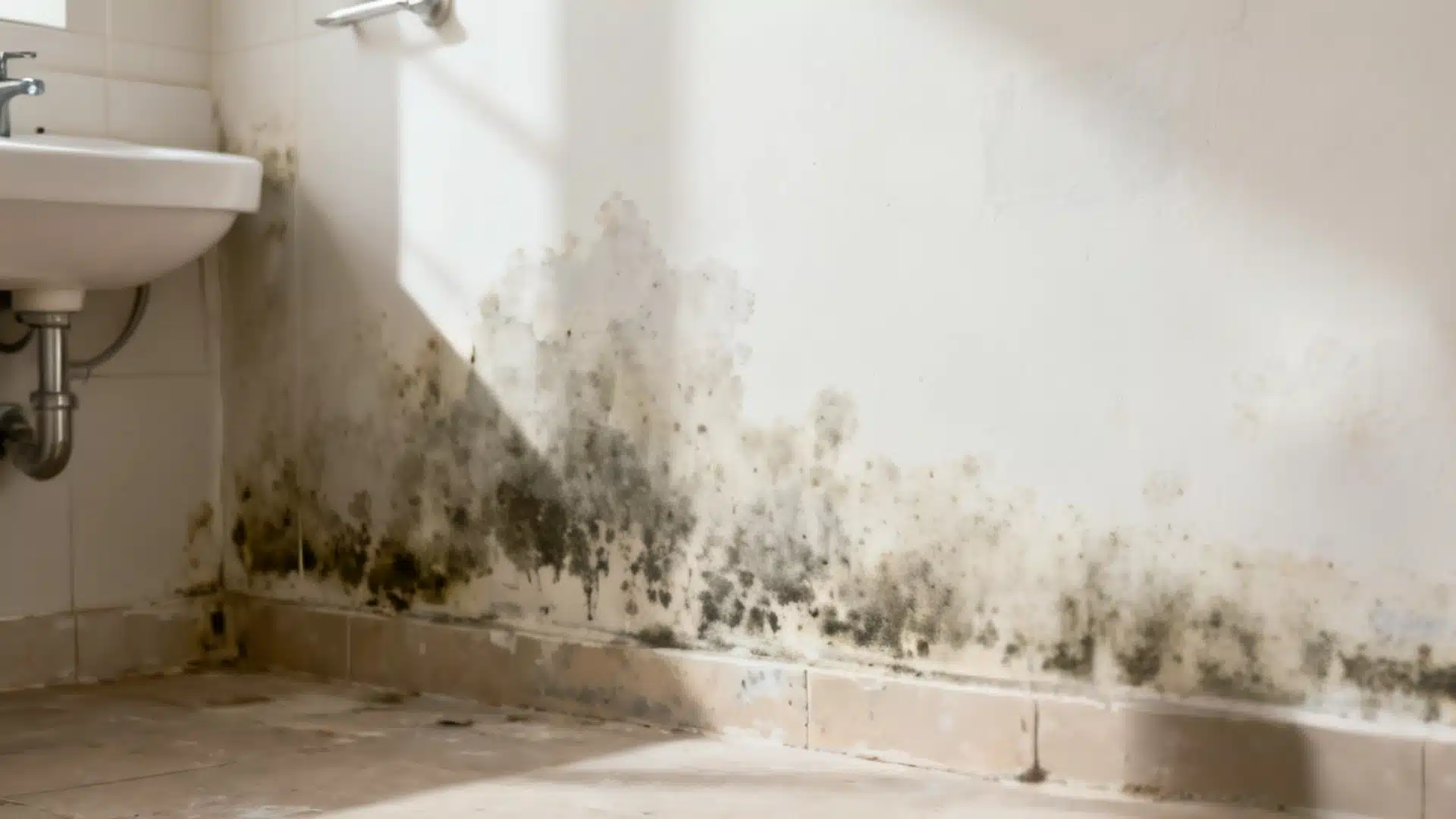
In small amounts, these mold spores are usually harmless.
But when they land on damp spots in the house (e.g., bathrooms, kitchens, or laundry), they start growing and release spores into the air that can easily be inhaled.
Some health problems caused by exposure to mold are:
1. Allergies
The most common health hazard is an allergy that affects your body, most commonly causing a runny nose, sneezing, coughing, and wheezing. Your eyes may water and feel itchy too.
These signs can get worse the longer you stay near the mold.
2. Irritation
Some people without allergies still react to mold in the air. They may get irritated eyes, skin, noses, and throats.
The skin can turn red or feel itchy after contact. Fresh air and a clean space usually calm these symptoms down.
3. Asthma
Mold in the house can raise the risk of asthma. Aspergillus fumigatus, a common type of mold, is closely tied to so-called fungal asthma.
People who already have asthma may notice more attacks. The spores can make breathing harder in a closed room.
The effect may vary depending on the kind of mold involved, how sensitive the body is to the effects, how much mold you’re exposed to, and for how long.
Remedies to Prevent Mold
Some preventive measures that can be taken to prevent the development of mold in the
house are as follows:
1. Use of dehumidifiers or air conditioners, especially during humid temperatures, to reduce moisture in the air.
2. Make sure drain lines are free of obstruction and flow properly.
3. Add insulation to cold surfaces, such as exterior walls and floors, to reduce
condensation.
4. Dry wet areas to prevent mold growth within 24-48 hours.
5. Improve air circulation by using fans or opening windows and doors for a short period of time.
Does Primer Kill Mold?
Not on its own. A regular primer covers the surface. It hides the stains, but it leaves the mold alive underneath.
Some primers are made to kill mold. A mold-killing primer, like Zinsser, treats the growth and blocks old stains. It also helps stop new mold from forming.
But even this primer will not fix the damp behind your wall. Please clean and dry the spot first. Only then should you prime. Skip that step, and the mold comes right back.
DIY Remediation Order
For handling a small mold by yourself, the recommended remediation order is:
1. Find the Moisture Source
Before doing anything else, locate exactly where the water or humidity is coming from. A leak, poor ventilation, or condensation can cause mold to return if the source stays unfixed.
2. Kill the Existing Mold
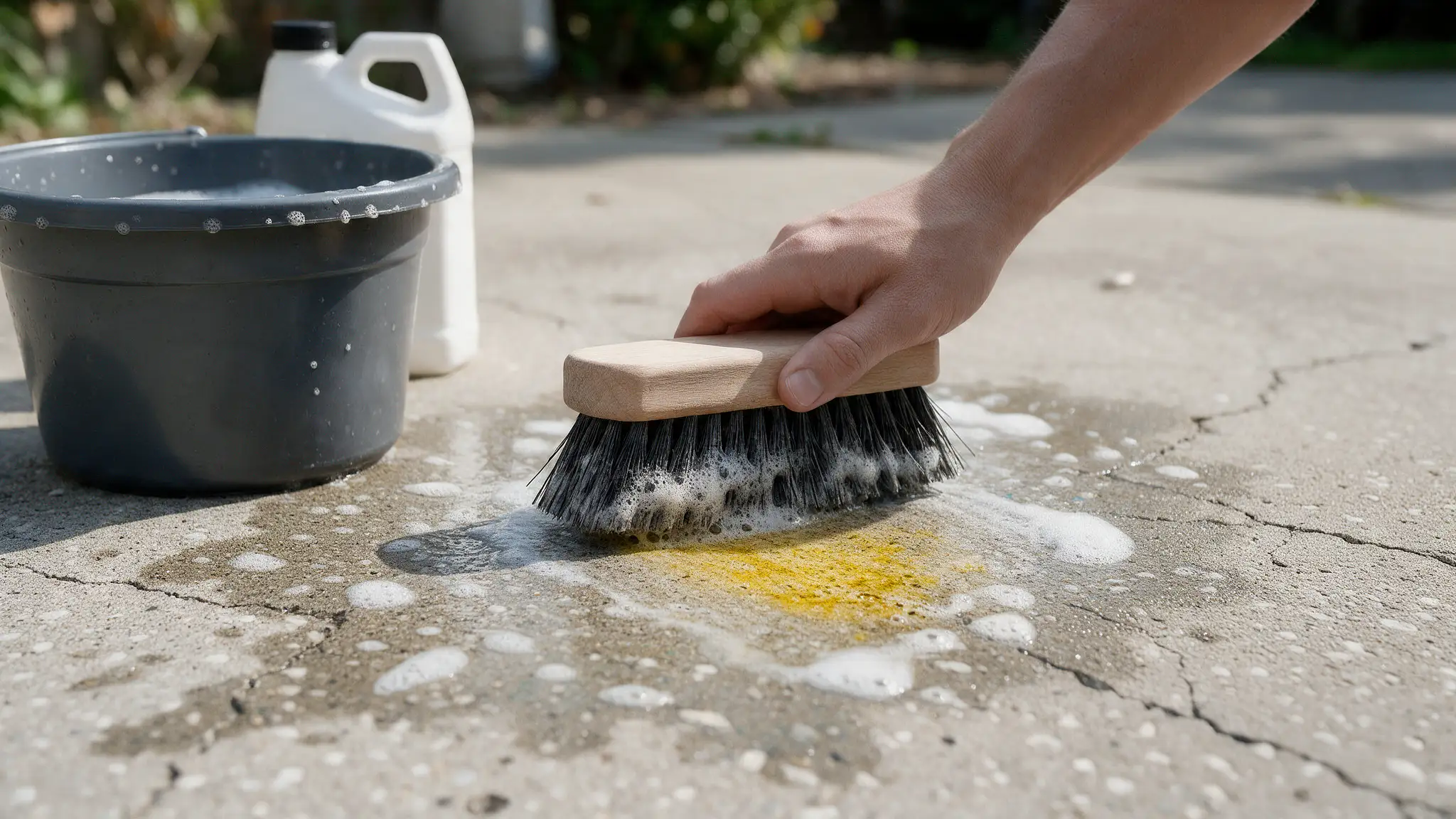
Use an appropriate mold-killing cleaner or solution to treat the affected surface directly. This eliminates active spores before you attempt any repair, sanding, or repainting work.
3. Remove the Damaged Material
Cut out and discard any drywall, wood, or insulation that mold has deeply penetrated, since porous materials often can’t be fully cleaned and will keep releasing spores.
4. Dry out The Area
Use fans, dehumidifiers, or open windows to thoroughly dry the space for at least 24-48 hours, ensuring no residual moisture remains trapped behind the wall.
5. Prime with A Stain-Blocking Primer
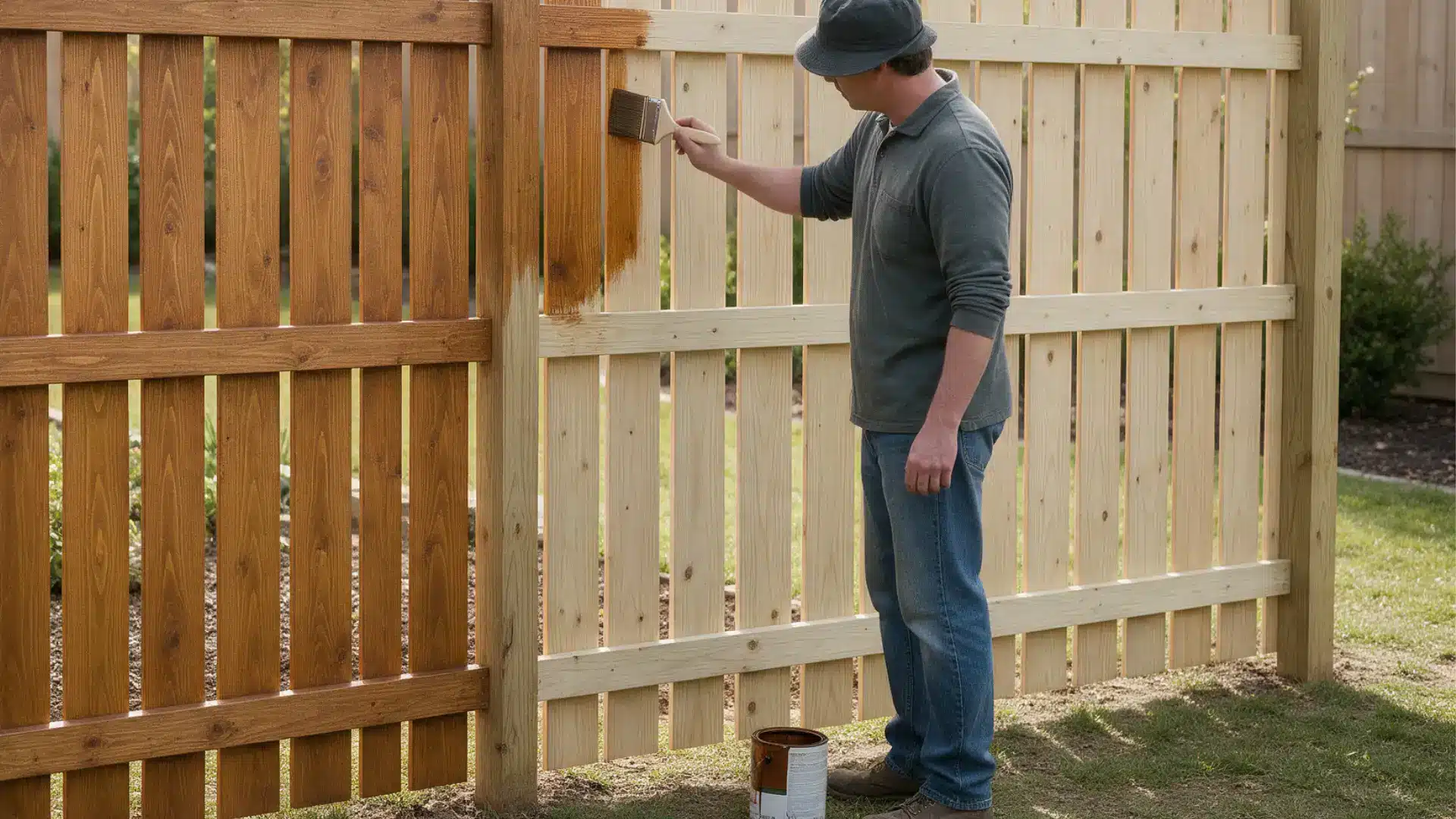
Apply a mold-resistant, stain-blocking primer, such as Zinsser, to seal the surface, prevent old stains from bleeding through, and inhibit future mold growth.
6. Topcoat with Mildew-Resistant Paint
Finish with a paint formulated for high-humidity areas like bathrooms and kitchens, giving long-lasting protection against moisture and reducing the chances of mold returning.
What Will Happen if You Do Paint Over Mold?
Painting over mold buys you a few weeks at best. Soon, the paint will start to bubble, peel, and flake off the wall. The dark patches creep back through the fresh coat within months.
Mold keeps eating the surface underneath, so the growth spreads wider than before. The wall material can rot and soften over time.
On top of that, the health risks stay the same for you and your family. The spores are still there, still active, just hidden for a while. So you will end up having to redo all the work after that.
Signs that it is Safe to Paint After Mold Removal?
Now that you have cleaned the mold, you want to paint. Painting too soon brings the problem right back. These signs will tell you if it’s safe to go ahead with painting:
- The surface feels fully dry to the touch.
- No dark spots or stains are left behind.
- That musty smell is completely gone.
- The water source behind it is fixed for good.
- A moisture meter shows a normal reading.
Once you tick all these boxes, you are good to start. Always give the wall an extra day to dry just to be safe.
Mold vs Mildew
Both Mold and Mildew grow in damp spots, but they are not the same thing. This is how they differ:
| Point | Mold | Mildew |
| Look | Fuzzy, raised, or slimy | Flat and powdery |
| Color | Green, black, or dark brown | White, gray, or light yellow |
| Growth | Roots deep into the material | Stays on the surface |
| Where it grows | Walls, wood, drywall, ceilings | Damp walls, fabric, paper |
| Health Risk | Serious, like asthma and strong allergies | Mild, like coughing or sore throat |
| How to treat | Remove the material and fix the moisture source | Wipe with a cleaner and dry the spot |
Hire a Professional!
It is advisable to contact a professional or hire one if the mold covers more than 10 square feet, especially on porous materials such as carpets, drywall, or ceiling tiles.
You may need to call one if the mold backs up the sewage. Mold from contaminated water requires specialized handling and must not be handled DIY, as it may pose health hazards.
If you or anyone is experiencing respiratory symptoms, it’s crucial to let an expert handle the removal.
Conclusion
Mold growing in your home can be a health hazard and cannot be treated by applying paint over the mold.
The mold must be carefully and professionally handled to reduce the risk associated with it.
One should hire professional help whenever required and must take the mold problem seriously, as it may cause serious health hazards and problems.
Leave any queries you have in the comments below.
Frequently Asked Questions (FAQs)
1. Will Mold Come Back if I Paint Over It?
Yes, the mold will return in roughly 6-18 months.
2. Is Mold-Resistant Paint Worth the Extra Cost?
Recommended for bathrooms, kitchens, and basements. But elsewhere, like dry living rooms, premium paint may be just fine.
3. What Kills Mold Permanently?
To kill the mold permanently, the source of moisture that is causing it must be eliminated.