Ever mixed paint and ended up with mud instead of brown?
People often experience this, and the palette’s color doesn’t actually align with your vision. And that confusion is annoying.
Getting the right shade of brown paint is simple once you learn how to make it.
So let’s learn how to make brown paint at home!
The Basic Color Logic Behind Brown Paint
Brown might look plain, but there’s real logic behind how it forms.
It comes from mixing colors in the right balance. You can make it by blending primary colors or by mixing complementary colors.
Each method works the same way.
The colors cancel out their brightness, leaving a warm, earthy tone. More red gives a warmer brown. More blue gives a cooler shade.
How to Make Brown Paint: Know What Colors Make Brown
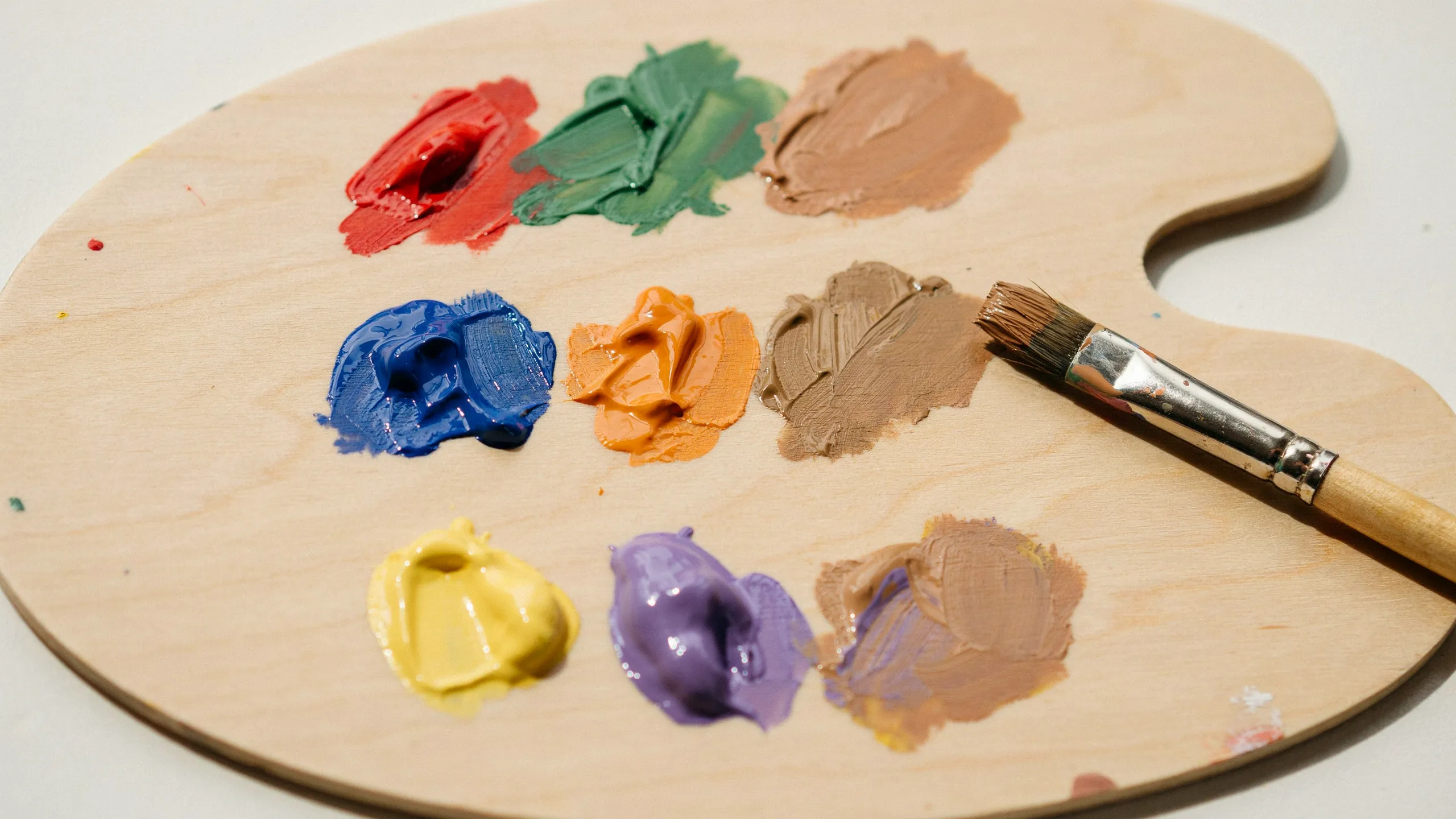
And if you’re one of those who love to create color with a preferred shade or tone, it’s interesting. And creating a brown can be super fun when you’re actually invested.
Step 1: Gather Your Basic Colors
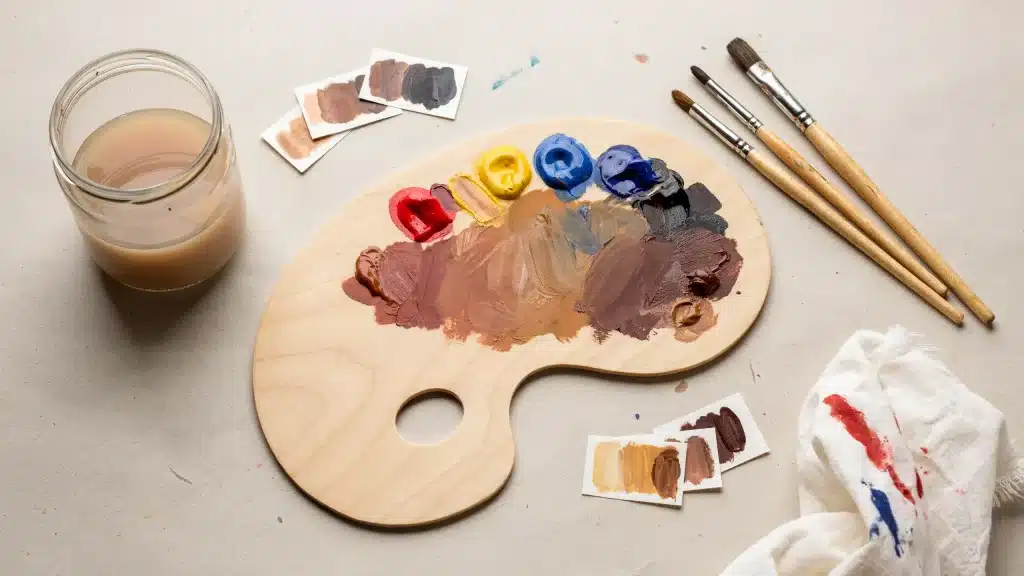
First off, get these colors: red, yellow, and blue paint, before you start, so that you’ve got everything with you.
Keep white and black close by, too, since you’ll use them later to lighten or deepen your shade once the base color comes together.
Step 2: Mix the Three Primary Colors
The simplest way to make brown is by blending red, yellow, and blue in roughly equal amounts.
Since these are the three primary colors, every other color can be traced back to some mix of them, and combining all three gives you a warm, earthy brown.
From there, add a touch more red to warm the brown, or more blue to cool and darken it.
Step 3: Try the Complementary Color Method
Another way to make brown is by mixing two colors that sit directly opposite each other on the color wheel. These pairs are called complementary colors.
- Red and green make brown.
- Blue and orange make brown.
- Yellow and purple make brown, too.
Each pair cancels out the brightness in the other, leaving behind a soft, muted brown shade.
Step 4: Best Color Ratios for Making Brown Paint
Brown isn’t about following one fixed rule. It’s about how much of each color you mix in, and even a tiny change can shift the shade.
- Equal parts red, yellow, and blue give you a balanced, neutral brown.
- More red than the rest gives you a warm reddish-brown.
- More blue than the rest gives you a cooler, deeper brown.
- More yellow than the rest gives you a lighter, sandy brown.
Start with small amounts of each color.
It’s easier to add more than to fix a mix that’s gone too dark or too bright. Mix a little, check the color, then adjust.
Step 5: Test Your Brown on Paper First
Before using your brown on the main artwork, paint a small swatch on scrap paper.
Let it dry for a few minutes. Paint colors often look different once they dry, so this step helps avoid surprises later.
If you like the brown you made, note down the exact amounts you used. This makes it easy to mix the same shade again next time you need it.
What Colors Make Brown Paint: Different Shades?
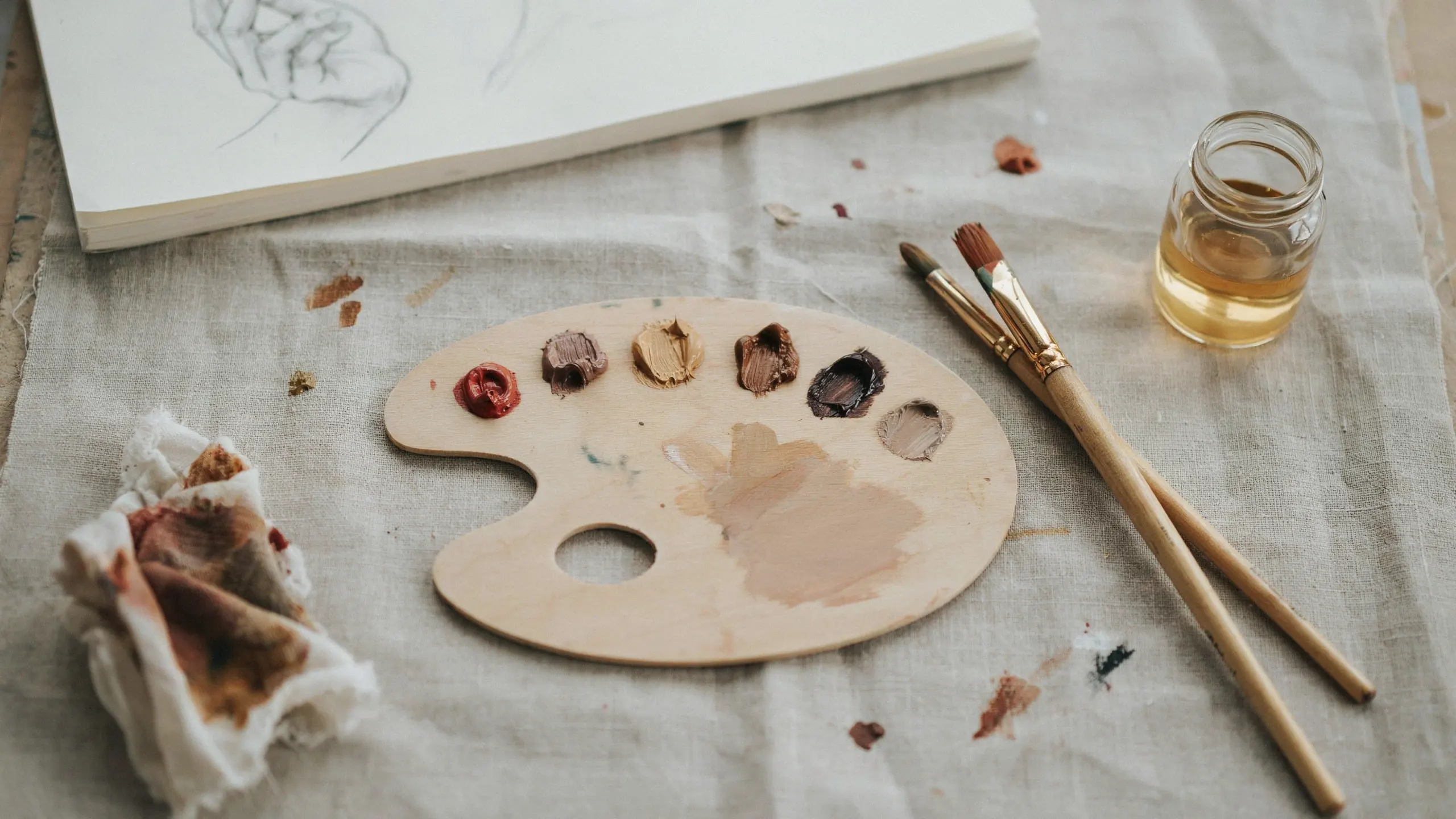
Brown isn’t just one color; it’s a whole family of shades.
The basics are simple: mix red, yellow, and blue to get a base brown, then adjust with white, black, or grey to shift the tone.
Once you know that base formula, you can create almost any brown you want.
Warm Browns
Add more red or orange to the base mix for warm browns.
This brings out rust, terracotta, or rich mahogany tones. These shades work well for autumn scenes, wood textures, or skin tones that need a warm, earthy touch.
Cool Browns
Add more blue or green instead of red for cool browns.
This creates shades like taupe, umber, or olive-brown. These tones suit shadows, rocks, and backgrounds where a calmer, muted feel fits the painting better.
Light Browns
Mix in a bit of white to lighten the brown.
This creates tan, beige, or camel tones. These lighter shades work great for sand, fur, fabric, or any area that needs a soft, gentle touch.
Dark Browns
Add a touch of black to deepen the mix.
This creates chocolate, espresso, or coffee shades. These darker tones add depth to shadows, tree bark, hair, or any spot that needs a rich, bold look.
Muted Browns
Mix in a small amount of grey to soften the brown.
This gives it a dusty, faded look. These muted shades suit rustic scenes, old furniture, or any painting that calls for a calm, understated feel.
Best Color Proportions for Brown Oil Paint
Oil paint retains its wet color once it dries, so there’s far less guesswork involved. It also dries slowly, which gives you plenty of time to fine-tune the shade before it sets.
- Start with equal parts red, yellow, and blue for a balanced brown.
- Add a touch more blue if you want a deeper, richer tone.
- Blend slowly and gently, since oil paint mixes smoothly on the palette.
- Take your time, as oil paint won’t dry or change while you work.
Standard Color Proportions for Brown Paint
If you’re not sure which paint you’re using, or you just want a safe starting ratio.
This simple formula works well across paint types: two parts red, one part yellow, and one part blue.
This combination creates a warm, middle-of-the-road brown that suits most projects, from crafts to home painting touch-ups.
Once mixed, let it settle for a minute and check the color again before using it on your main surface.
No matter which paint you use, always mix a small test batch first. It saves you from wasting paint on a shade that isn’t quite right for your project.
Why Mixed Brown Paint May Look Different After Drying?
Wet paint and dry paint don’t always look the same.
Wet paint often looks darker and more saturated, since moisture reflects light differently. Once it dries, that moisture evaporates, and the true color shows through.
The paint type matters too. Acrylics tend to dry darker. Watercolors often dry lighter. Oils usually stay closer to their wet color.
This is why testing your brown on scrap paper first makes such a big difference.
It shows the true color before you commit.
Conclusion
Mixing brown paint is not as difficult as it first appears.
Red, yellow, blue, or combinations like red and green all make brown. A fast test on paper, the suitable paint type, and the right ratio are crucial.
You won’t ever need to buy brown paint again if you know how to make it.
Give it a little time, and the right shade comes naturally.
Frequently Asked Questions (FAQs)
1. Is Store-Bought Brown Paint Different from Paint You Mix Yourself?
Yes. Store-bought brown often has one fixed shade, while mixing your own lets you control the exact warmth or depth you want.
2. Can You Save Leftover Mixed Brown Paint for Later Use?
Acrylic and watercolor mixes dry out fast, so use them soon. Oil paint mixes last longer if stored in an airtight container.
3. Does the Surface You Paint on Change How Brown Looks?
Yes. brown can look darker on canvas and lighter on paper, since each surface absorbs and reflects paint differently.