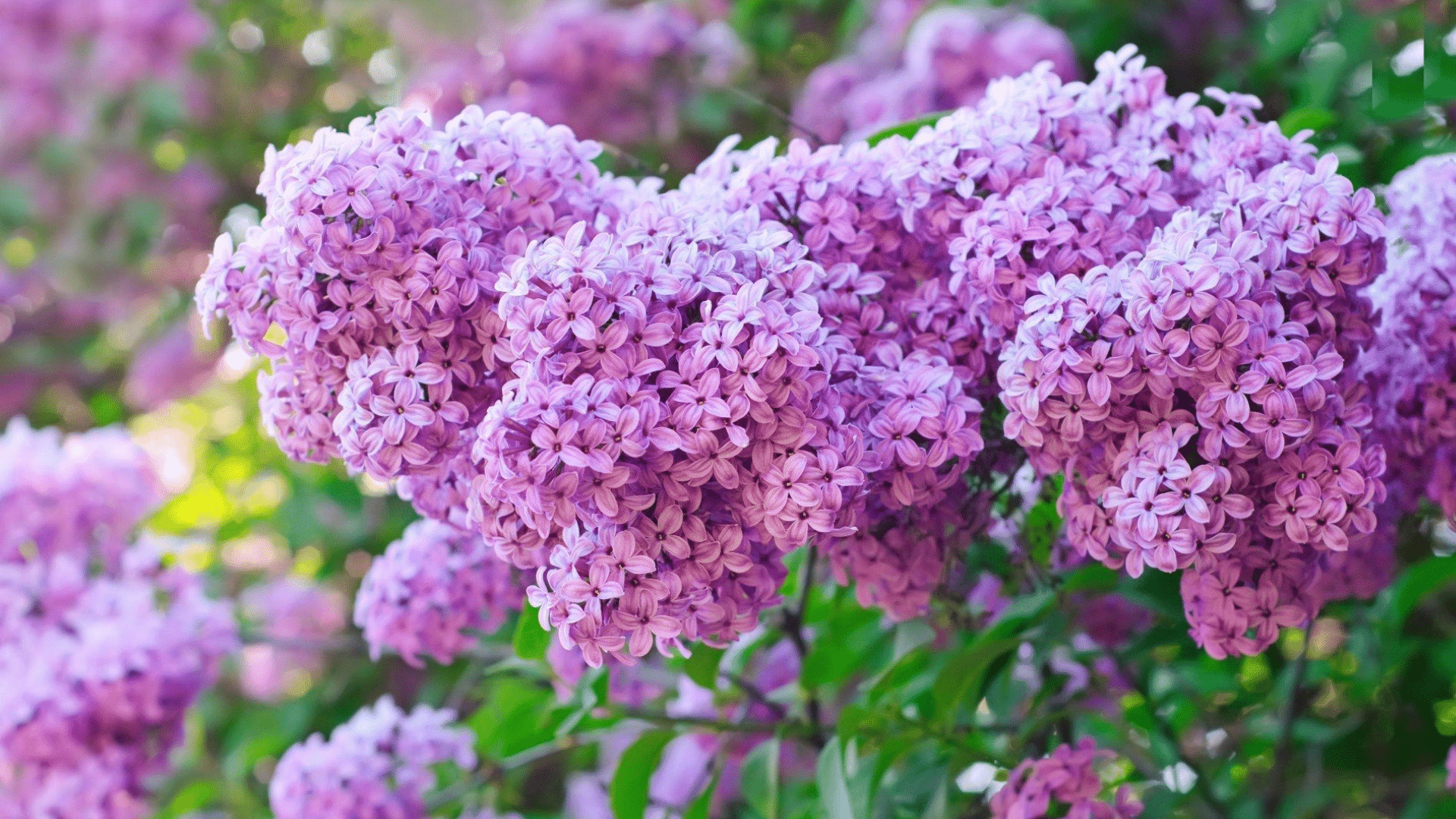
Lilacs are one of my favorite parts of spring, with their beautiful flower clusters and sweet fragrance filling the garden.
I look forward to seeing them bloom every year. But even lilacs aren’t safe when deer are around.
Maybe you’ve spotted chewed leaves or missing flower buds. Lilacs don’t often come up in deer-food conversations, but that doesn’t mean deer will leave them alone.
When food runs short or tender new growth catches their attention, deer may browse. Thankfully, I’ve found that understanding what deer prefer and when they’re most likely to show up makes protecting your lilacs much easier.
Are Lilacs Really Deer-Resistant?
Deer rarely eat lilacs, but they may browse on them when other food is scarce. Damage often affects tender new shoots and flower buds in early spring.
Common lilacs and Japanese tree lilacs are generally considered deer-resistant, though no lilac is completely safe from hungry deer.
Deer are natural browsers whose feeding habits change with the seasons, but they tend to avoid plants they find less appealing.
Deer can also damage young lilac stems by rubbing their antlers against them during the fall rut, sometimes breaking branches or scraping away the bark.
How Deer Affect Lilacs: Signs and Damage
Deer may not eat lilacs often, but their visits can leave damaged leaves, missing buds, and broken branches. Knowing these signs helps you identify deer activity early.
1. Ragged Leaf Edges
Deer don’t have upper front teeth, so they tear leaves rather than snipping them cleanly. If you notice lilac leaves with jagged, uneven edges, it’s a classic sign of deer browsing.
This damage is most common in spring, when new growth is tender and more appealing to hungry deer looking for an easy meal.
2. Missing Buds and Shoots
Deer love tender, young shoots and flower buds. If you find that the tips of your lilac branches are missing or stripped, deer are likely the culprits.
This kind of browsing can stunt the plant’s growth and reduce the number of blooms you’ll see later in the season, impacting your lilac’s overall appearance.
3. Broken Branches
Sometimes, deer will break branches as they reach for tasty shoots or try to pull the plant closer. Look for snapped or bent stems, especially on younger lilac bushes.
Broken branches not only look unsightly but can also make the plant more vulnerable to disease and reduce its ability to flower and grow.
4. Trampled Soil and Compacted Roots
Deer are heavy animals, and repeated visits can compact the soil around your lilacs. Compacted soil makes it harder for roots to breathe and absorb water, which can stress the plant.
You might notice wilting or slow growth, even if the leaves and branches look relatively untouched by direct browsing. A layer of cedar or pine mulch over the root zone cushions the soil and holds moisture.
5. Scattered Droppings
One of the telltale signs of deer activity is the presence of small, pellet-like droppings near your lilacs. While droppings don’t harm the plants, their presence clearly indicates deer are visiting your garden.
Spotting them early can help you take steps to protect your lilacs before significant damage occurs.
6. Repeated Damage Patterns
If you notice the same type of damage reappearing each season, deer have likely made your lilacs a regular stop. When damage returns every spring, switch from repellent alone to fencing.
Why Deer Rarely Eat Lilacs and When They Do
Common lilac is rated “seldom severely damaged,” which is the second-best category. In my opinion, that makes it a solid choice for deer-prone yards. Japanese tree lilac carries the same rating.
Persian and late lilacs, however, land one category lower. If you’re planting either, I’d suggest using fencing or repellent from the start.
Why do deer usually pass lilacs by? Their strong fragrance and mildly bitter taste aren’t appealing, and deer would much rather munch on hostas and daylilies.
But “deer-resistant” does not mean deer-proof. A hungry deer will still eat tender shoots. The highest risk comes in late winter to early spring.
When snow covers much of their natural forage and their fat reserves are running low by that point in the year, our lilacs start looking a lot more like dinner.
If you’re planting new lilacs, I recommend mixing them in with other deer-resistant plants. Use repellents or barriers until the lilacs are established; this gives young plants time to settle in, even in deer-prone areas.
Effective Strategies to Protect Lilacs from Deer
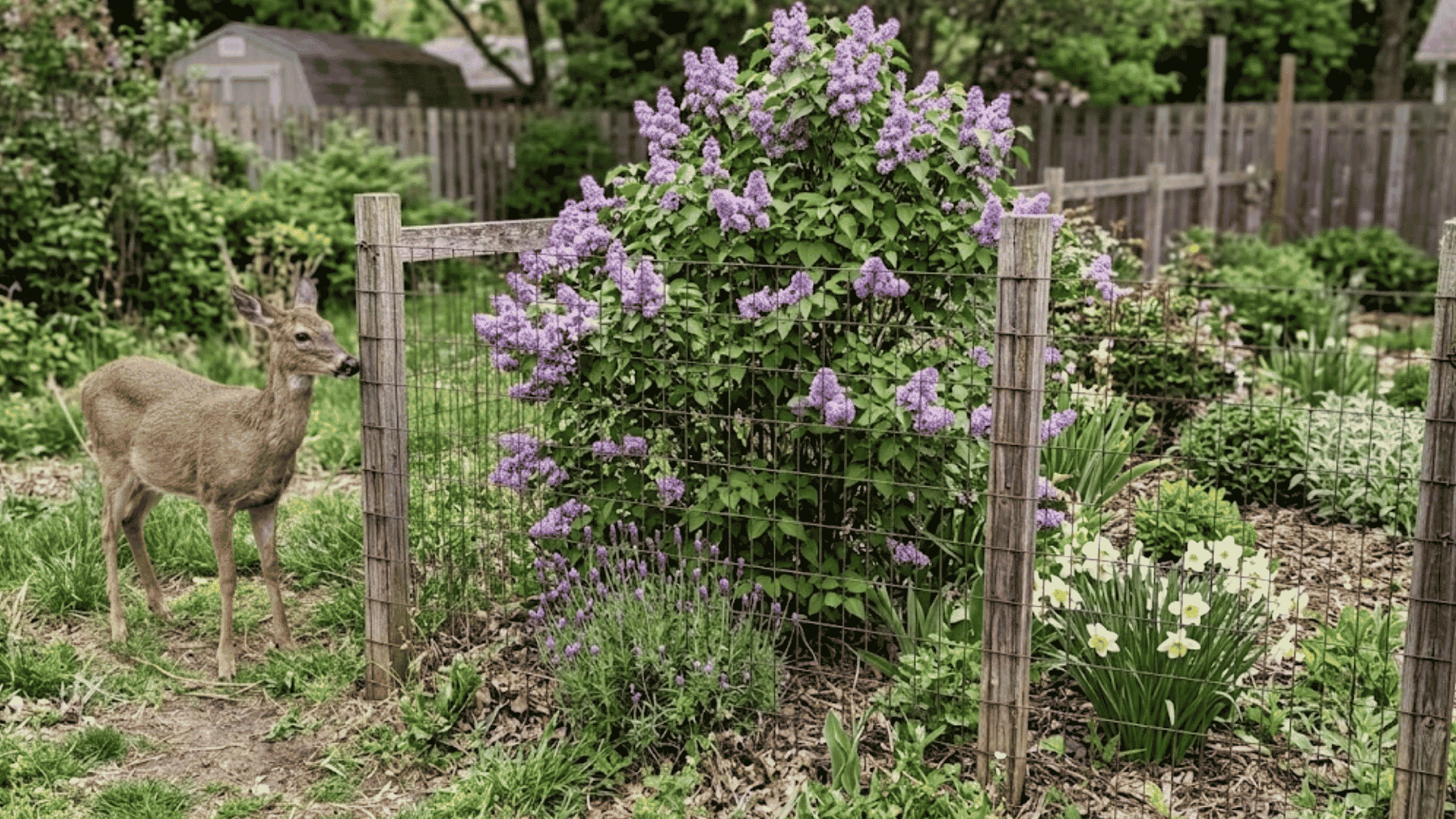
Fencing is one of the most reliable ways to keep deer away from lilacs. Repellents and companion plants add backup. Here are practical ways to protect your lilacs and keep them looking their best all season long:
1. Install Physical Barriers
A sturdy fence at least 8 feet tall is one of the most reliable ways to keep deer away from your lilacs.
For smaller gardens, try using mesh or netting around individual plants. Secure the barrier at the bottom, as deer may push under loose edges.
2. Use Deer Repellents
Spray-on deer repellents can deter browsing by making lilacs taste or smell unpleasant. Choose a product labeled for ornamental shrubs and reapply after rain or heavy dew.
Alternate between different brands or formulas every few weeks, as deer can become accustomed to a single scent or flavor over time.
3. Plant Deer-Resistant Companions
Surround your lilacs with plants that deer dislike. These aromatic and often unpalatable plants act as a natural deterrent, making the area less attractive to deer.
These five pair well with lilacs, and deer seldom bother them:
-
Lavender: Strong scent deer usually avoid
-
Daffodils: Toxic to deer, rarely eaten
-
Russian Sage: Aromatic foliage deer dislike
-
Allium: Strong onion smell keeps deer away
-
Peony: Deer typically pass these by
A mixed border not only protects your lilacs but also adds color and texture to your garden.
4. Apply Homemade Remedies
Some gardeners swear by homemade deterrents, like hanging bars of soap, human hair, or bags of garlic near lilacs. Results are mixed, and these remedies help least when deer are hungriest.
Still, they’re inexpensive and easy to try.
Replace or refresh them regularly, as their effectiveness fades over time, and deer may adapt to persistent odors.
Will Lilacs Come Back After Deer Eat Them?
Yes, lilacs usually recover after deer damage because they are hardy shrubs that can handle pruning and regrow new shoots.
If deer eat the leaves, buds, or tender branch tips, the shrub can often produce fresh growth during the growing season.
Trim torn or broken stems back to healthy wood with clean shears, and avoid cutting healthy branches. Knowing when to prune lilacs helps protect next year’s flower buds.
Even lilacs cut back to 6 to 8 inches may regrow, depending on the plant’s health and growing conditions. Young shrubs need extra care because repeated browsing can slow their growth.
Protect new shoots with fencing or deer repellent while the plant recovers.
The Bottom Line
So, do deer eat lilacs? Yes, they can, even though lilacs are generally considered deer-resistant shrubs. Deer usually prefer other plants, but hungry animals may munch on young shoots, leaves, and flower buds when food is limited.
You can reduce the risk by installing a sturdy fence, using a suitable deer repellent, and planting deer-resistant flowers nearby.
Watch for new growth, especially in spring, when tender shoots are more likely to attract hungry visitors.
Have deer ever nibbled on your lilacs? Share your experience or your favorite deer-deterrent tips in the comments below!
Frequently Asked Questions
Do Deer Eat Young Lilac Shrubs?
Yes, deer are more likely to browse young, newly planted lilac shrubs because their tender shoots and leaves are softer and easier to reach. Protecting them with a barrier is crucial until they become established and grow taller.
Are Japanese Tree Lilacs Deer Resistant?
Japanese tree lilacs (Syringa reticulata) are generally considered deer-resistant. Like common lilacs, they are rated as “seldom severely damaged” by deer, though they may still be nibbled on when food is scarce.
What Animals Eat Lilac Bushes Besides Deer?
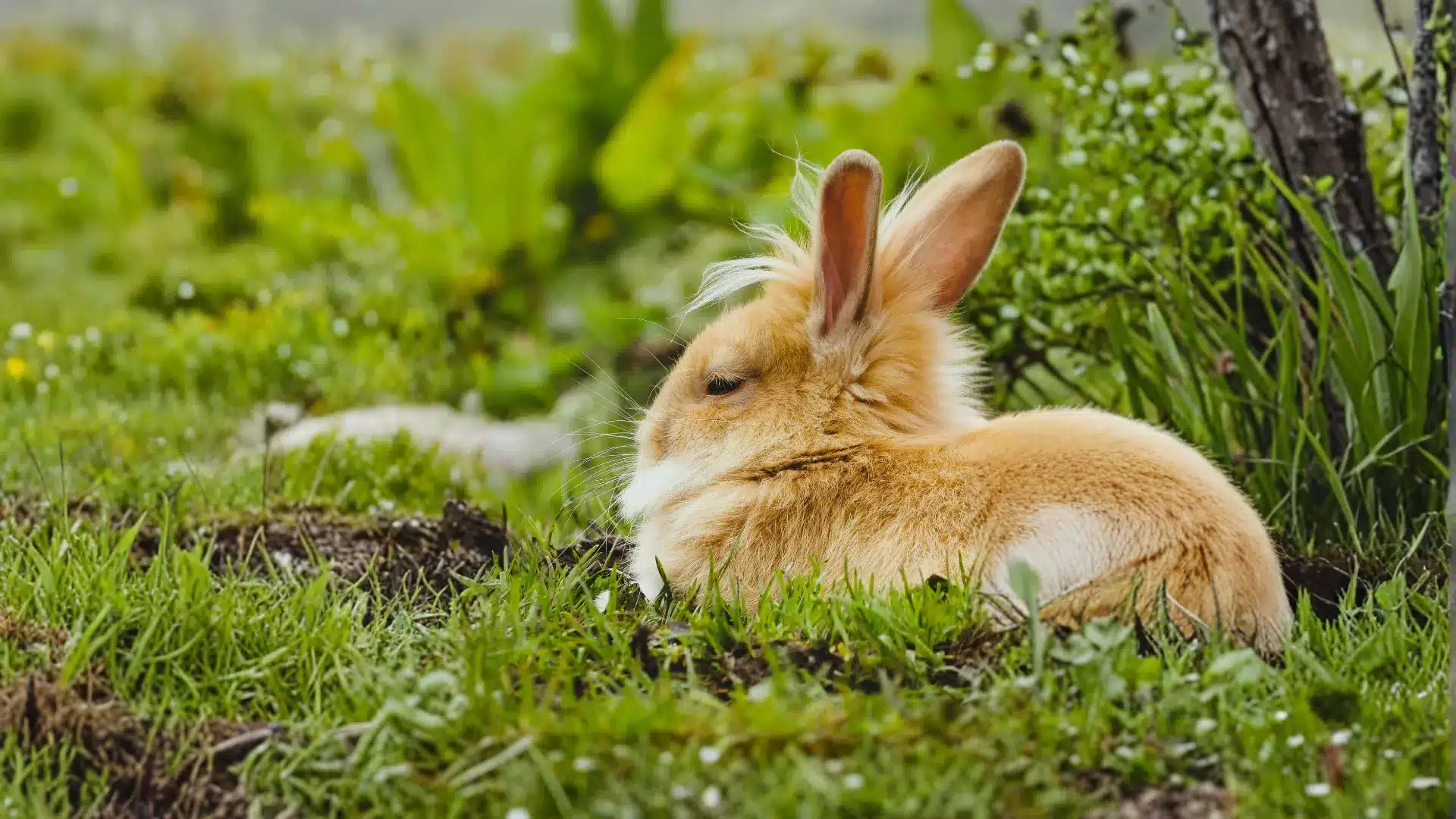
Besides deer, squirrels and rabbits may occasionally feed on lilac bushes. Insects such as scale insects and lilac leafminers are also common pests that can significantly damage the leaves.
Do Deer Eat Lilac Flowers and Buds?
Deer will eat lilac flowers and buds if they have the chance. They especially like the tender flower buds in early spring, which can reduce the number of blooms your shrub produces later in the season.