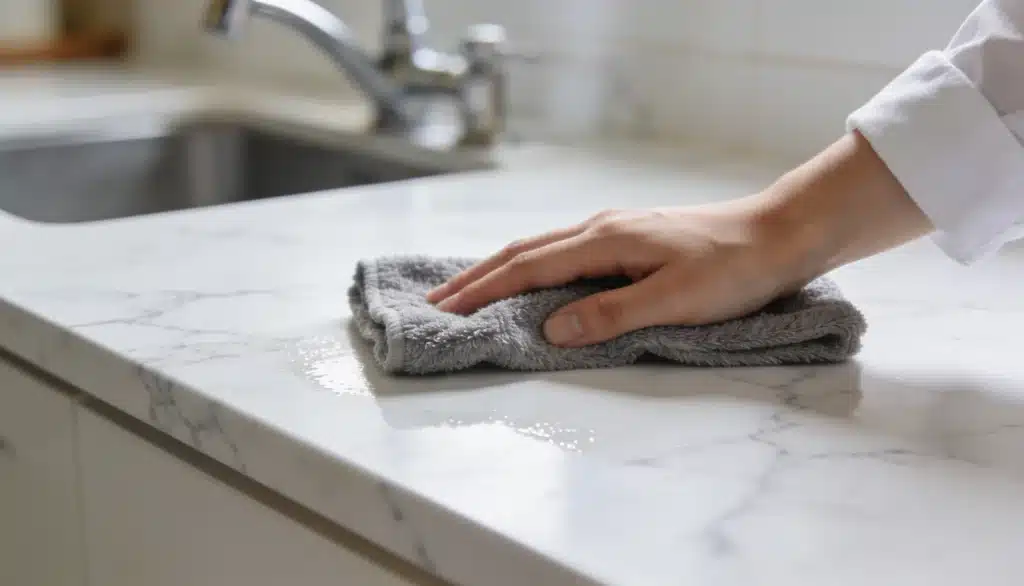
Marble countertops can make a kitchen look like something out of a magazine, but their beauty comes with a catch.
Because marble is soft and porous, it can absorb spills and stain more easily than the granite or quartz. That’s why learning how to clean marble countertops properly is essential for keeping them looking beautiful.
Start by wiping up spills quickly with a soft cloth, then use warm water with mild dish soap or a pH-neutral stone cleaner for everyday cleaning.
Avoid acidic cleaners, like vinegar, bleach, and abrasive products, which can damage the surface or cause dull spots. With gentle, regular care, your marble countertops can stay elegant for years.
What Do You Need to Clean Marble Countertops?
Cleaning marble does not require a long list of products. Simple tools work best here. You will need:
- Water
- A mild, pH-neutral dish soap
- A soft microfiber cloth
- A spray bottle
- A dry, absorbent towel
If you prefer a ready-made option, a marble-cleaning formula for natural stone works well, too.
Look for one labeled pH neutral. This protects the sealant on your counters instead of slowly breaking it down.
How to Clean Marble Countertops: Step by Step
Cleaning marble countertops is easy when you use the right products and gentle techniques.
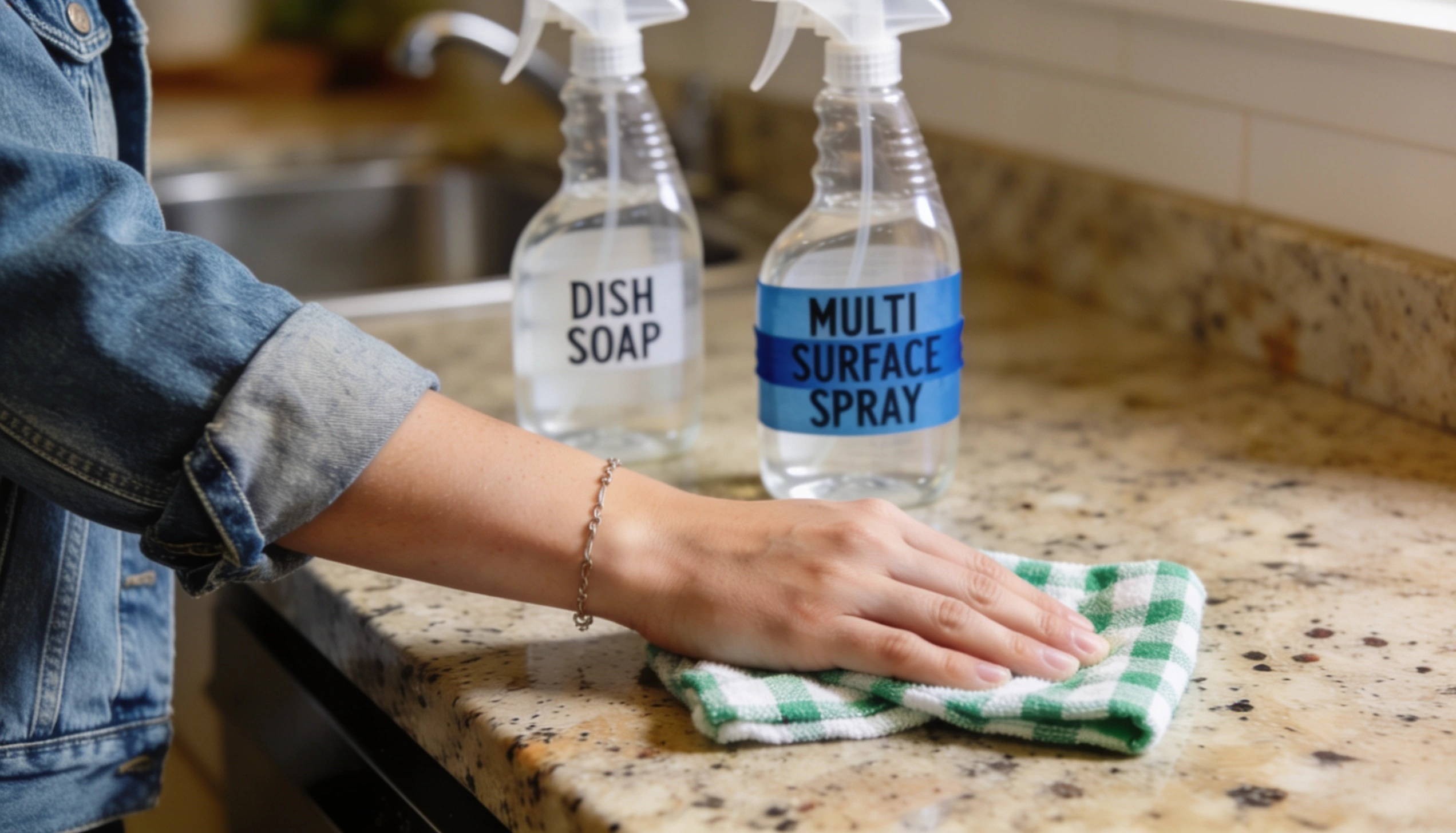
Step 1: Mix Your Cleaning Solution
Fill your spray bottle with water and add a small amount of mild dish soap or a marble-safe cleaning formula.
Gently shake the bottle to mix the solution evenly.
Avoid using vinegar, lemon juice, bleach, or ammonia-based cleaners.
Acidic ingredients can cause etching, while stronger chemicals may weaken the stone or wear down its protective sealant.
Step 2: Spray the Surface
Spray the counter lightly. You do not need to soak it.
A fine mist is enough to loosen everyday dirt, grease, and fingerprints. Try to cover the surface evenly without leaving large puddles behind.
Marble is porous, so it is better to use a small amount of moisture and clean spills promptly.
Step 3: Wipe With a Soft Cloth
Use a microfiber cloth to wipe the counter in smooth, gentle motions.
Avoid pressing or scrubbing too hard, since marble is softer than many other countertop materials and can scratch easily.
Never use scouring pads, steel wool, or abrasive sponges on marble.
If you come across a stubborn spot, wipe it gently several times instead of scrubbing.
Step 4: Rinse With Clean Water
Wipe the counter again with a clean, damp microfiber cloth to remove any remaining soap or cleaning solution.
Soap residue left on the surface can dry into a dull-looking film.
Rinse the cloth regularly to avoid residue. This extra pass also helps remove any loosened dirt left behind after the first wipe.
Step 5: Dry the Counter
Finish by drying the surface with a soft towel. This step matters more than people expect, since water left sitting on marble can lead to watermarks over time.
Dry the entire countertop thoroughly, especially around sinks, faucets, and other areas where water tends to collect.
Regular gentle cleaning and prompt drying will help keep the marble looking polished without risking unnecessary damage.
How to Remove Stains From Marble?
Marble is porous, so spills can sink into the surface if they sit too long.
If you notice a stain, blot it right away rather than wiping it, as that can spread the liquid further.
For stains that have already set in, a baking soda paste can help.
- Mix baking soda with a small amount of water to form a thick paste.
- Spread the paste over the stain and cover it with plastic wrap.
- Let it sit overnight, then wipe it away with a damp cloth.
This method works well for light stains, though older or stubborn stains may need a few rounds before they fade.
What is Etching?
Etching is different from a stain. A stain sits on top of marble. Etching eats into the surface.
It happens when something acidic touches the stone. Lemon juice, vinegar, and wine are common causes. The acid reacts with the calcium in the marble. This leaves a dull, rough spot behind.
For light etching, use a marble-safe polishing powder. Rub it gently in circles with a soft, damp cloth.
If the mark does not fade, or if it covers a large area, call a stone professional. Deep etching needs tools and products made for stone repair.
What Should You Never Use to Clean Marble Countertops?
Never use acidic, abrasive, or harsh chemical cleaners on marble countertops.
These products can etch the surface, dull its finish, damage the protective seal, or cause permanent scratches.
Avoid:
- Acidic cleaners: Vinegar, lemon, lime, and orange juice can react with marble’s calcium carbonate.
- Harsh chemicals: Bleach, ammonia, and heavy-duty bathroom or grout cleaners may damage the stone and its seal.
- Abrasive materials: Steel wool, rough scouring pads, and gritty powders can scratch polished marble.
Instead, clean marble with warm water and a few drops of mild dish soap or a pH-neutral cleaner specifically designed for natural stone, using a soft microfiber cloth or sponge.
Should You Seal Your Marble Countertops?
You don’t need to seal daily, but it still matters. Most experts recommend sealing marble countertops about once a year.
This helps the surface resist stains and etching between deep cleans.
Not sure if your marble needs resealing? There’s an easy test. Drop a few drops of water onto the counter.
If the water beads up, your seal is still working. If it soaks in or leaves a dark spot, it’s time to reseal.
You can hire a professional for this, or use a DIY sealant if you feel comfortable doing it yourself.
Either way, sealing is maintenance, not a permanent fix. Your counters will still need regular gentle cleaning to stay in good shape.
How to Restore the Shine of a Marble Countertop?
A dull marble countertop can often regain its shine with gentle cleaning, marble-safe polishing, and proper sealing.
Polishing every 3 to 6 months keeps your counter looking fresh. Busy kitchens may need it a bit more often.
- Clean the Surface: Use warm water and a mild, pH-neutral stone cleaner to remove dirt and residue.
- Dry Thoroughly: Wipe the countertop with a soft microfiber cloth to prevent water spots.
- Remove Dullness: For light surface dulling, use a marble-safe polishing powder as directed on the product instructions.
- Avoid Acidic Cleaners: Stay away from vinegar, lemon juice, bleach, and abrasive scrubbers, which can etch marble.
- Polish Professionally: If the countertop has deep etching, scratches, or widespread dullness, hire a stone professional to hone and polish it.
- Seal the Marble: After restoring the shine, apply a suitable marble sealer to help protect the surface.
Best Cleaner for Marble Countertops
Here are 5 marble-safe cleaners worth trying, based on what works well for daily care and deeper cleaning.
1. StoneTech Revitalizer Cleaner & Protector
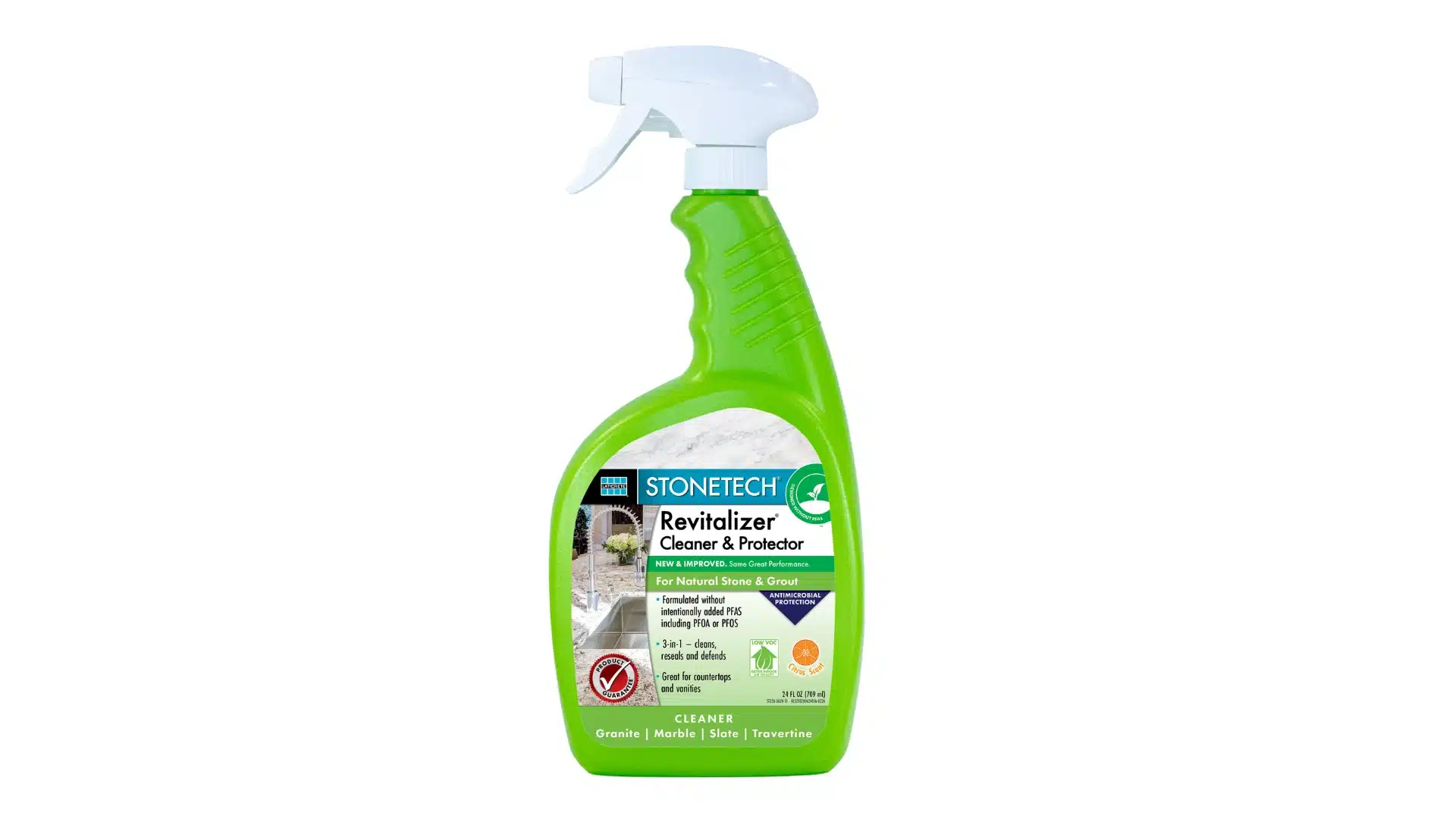
The StoneTech Revitalizer Cleaner & Protector is the cleaner professional stone experts often use. It cleans daily messes while helping reinforce the seal underneath.
It’s a good pick if you want a step above basic soap and water for regular upkeep and long-term protection.
2. Granite Gold Daily Cleaner
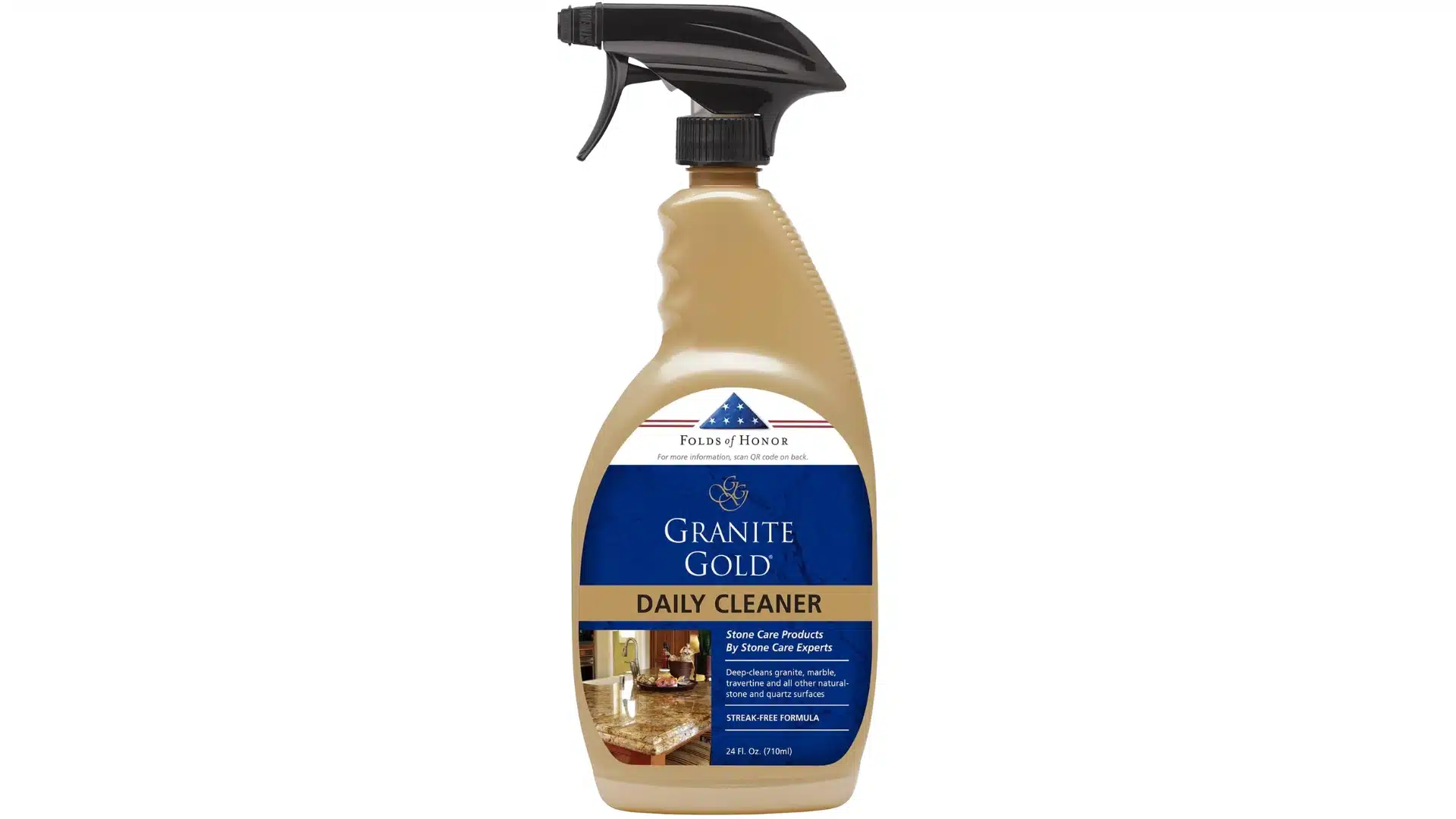
The Granite Gold Daily Cleaner is a pH-neutral spray made for marble, granite, and other natural stone.
It has a light citrus scent and leaves no streaks behind. Made by a family with generations of stone care experience, it’s a trusted daily pick for many households.
3. Weiman Quartz Countertop Cleaner and Polish
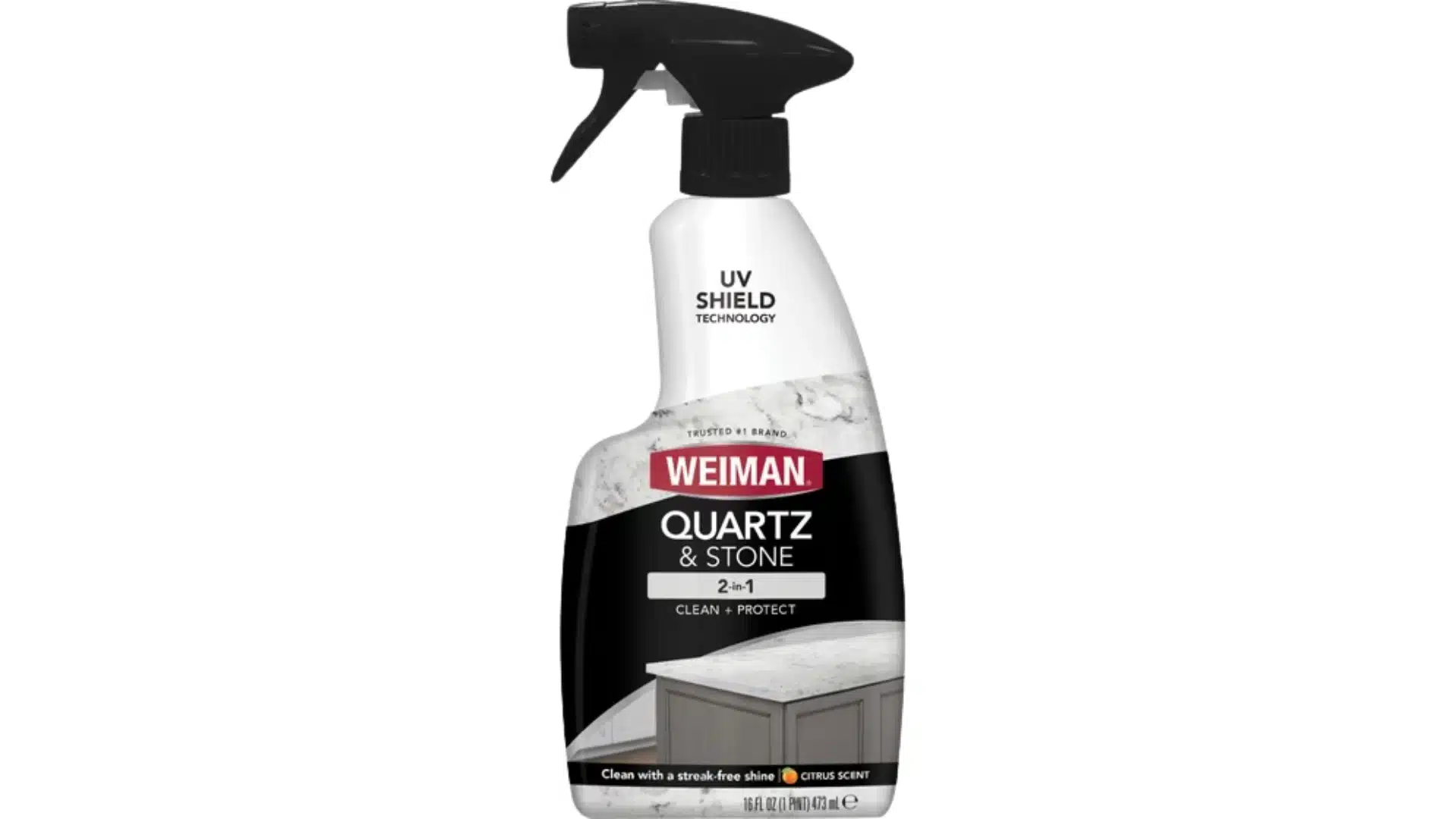
The Weiman Quartz Countertop Cleaner and Polish works well on marble too, not just quartz.
It comes with a microfiber cloth and adds UV protection to help stop fading near sunny windows. It leaves a fresh scent and a nice shine after each wipe.
4. Miracle Sealants 511 Kleen & Reseal
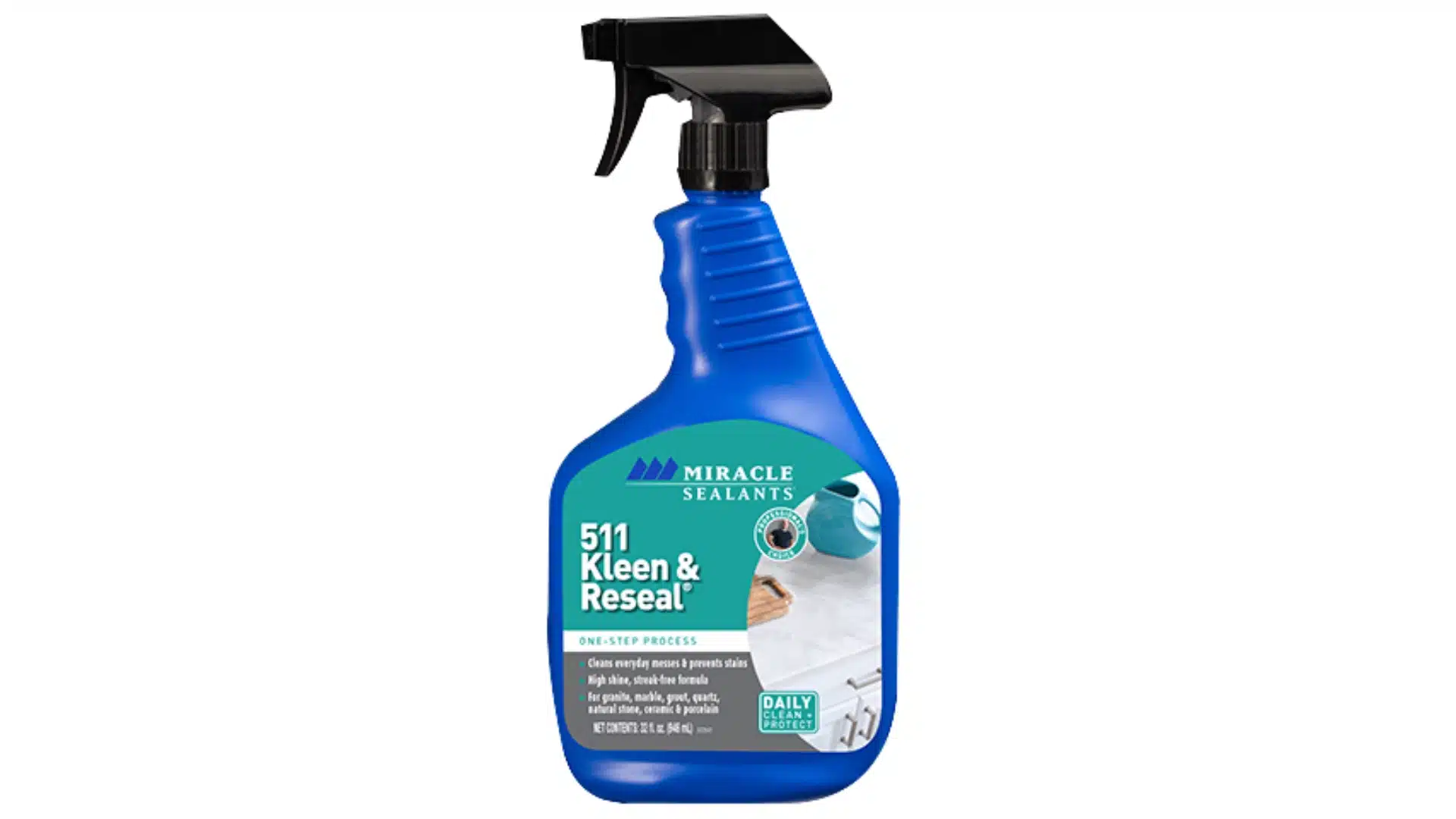
The Miracle Sealants 511 Kleen & Reseal spray cleans and refreshes your marble’s seal in one easy step.
No rinsing is needed, and it won’t leave streaks or soapy residue behind. It’s a good option if you want cleaning and light resealing in one step.
5. Method Daily Granite Cleaner
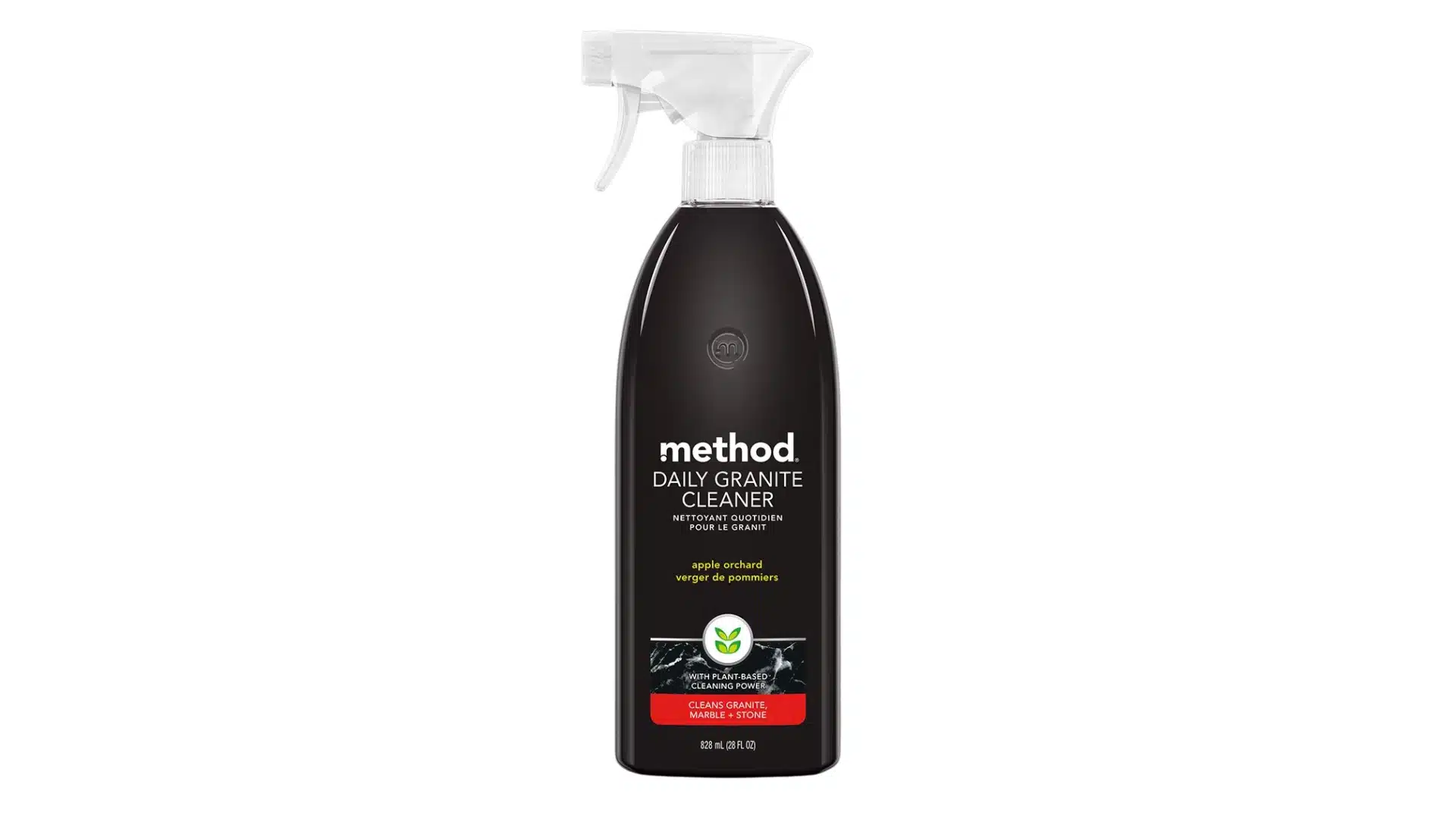
The Method Daily Granite Cleaner is a plant-based spray that’s gentle enough for daily use.
It’s surface-safe on marble, free of harsh chemicals, and leaves a fresh apple scent behind. A solid choice if you prefer non-toxic, eco-friendly cleaning products at home.
Can You Use Windex on Marble?
No, you should not use Windex on marble. Marble is a natural stone that contains calcium carbonate, making it sensitive to acidic and harsh cleaning products.
Windex and similar glass cleaners may contain ingredients that can dull the surface, damage the protective seal, or leave streaks and residue over time.
Instead, clean marble with a soft microfiber cloth, warm water, and a pH-neutral stone cleaner specifically designed for natural stone.
For everyday spills, wipe them up promptly to prevent staining. Also avoid vinegar, lemon juice, bleach, abrasive powders, and rough scrubbers.
If you accidentally used Windex on marble, wipe the surface with clean water and dry it thoroughly. Regular gentle cleaning will help preserve marble’s natural shine and finish.
Conclusion
Now you know how to clean marble countertops safely and effectively.
Marble is a delicate, porous stone, so regular care helps prevent stains, dull spots, and surface damage. For everyday cleaning, use warm water with a mild, pH-neutral soap or a cleaner specifically made for marble.
Gently wipe the surface with a soft microfiber cloth, then dry it to prevent water spots.
Clean spills as soon as they happen, especially acidic liquids such as lemon juice or vinegar. Avoid harsh chemicals, abrasive scrubbers, and acidic cleaners.
To maintain long-term protection, have your marble countertops sealed about once a year, depending on use.
Frequently Asked Questions (FAQs)
1. How to Make Homemade Marble Cleaner?
Mix 1.5 cups of warm water with 1 teaspoon of gentle dish soap (like Dawn) or Castile soap and 1/4 cup of rubbing alcohol.
2. What Is the Best Stain Remover for A Marble Kitchen?
Mixing hydrogen peroxide with baking soda gives the best results.
3. Is Dawn Dish Soap Safe on Marble?
Plain Dawn dish soap is generally safe for occasional or emergency cleaning of marble when heavily diluted in warm water