Got new blinds sitting in the box? Don’t let them gather dust for weeks. Installing window blinds can be difficult the first time you try it.
Using the wrong screws, having brackets that aren’t properly aligned, wasting a day trying to do it, and the list goes on.
But there’s good news. No professionals or special equipment are needed. Here is a full guide on how to install blinds easily.
Why Blinds Matter for Your House?
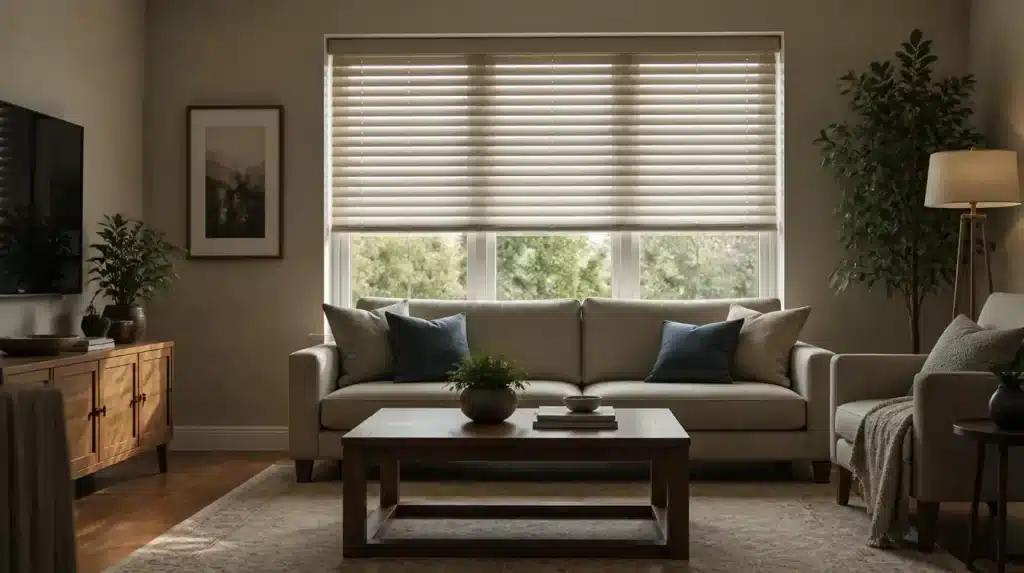
Blinds are window treatments made of slats arranged vertically or horizontally. You can adjust them depending on how much light you want in your room during the day.
Blinds can be made of materials such as wood, plastic, or fabric. Blinds provide privacy against inquisitive neighbors in the surroundings.
Blinds shield your room from intense light during the day. During scorching afternoons, blinds help keep your room from getting too warm.
Blinds are also cost-effective because during winter seasons, they help keep the heat inside the room. Blinds also ensure that your windows look finished.
You can choose the color and material to suit your taste.
Different Types of Blinds
Blinds can also make different impressions on the appearance of a room. Some can be used for a contemporary home interior while others are ideal for classical settings.
The choice of the type of blind you select depends on its functionality with regard to light and privacy.
Venetian (Horizontal) Blinds
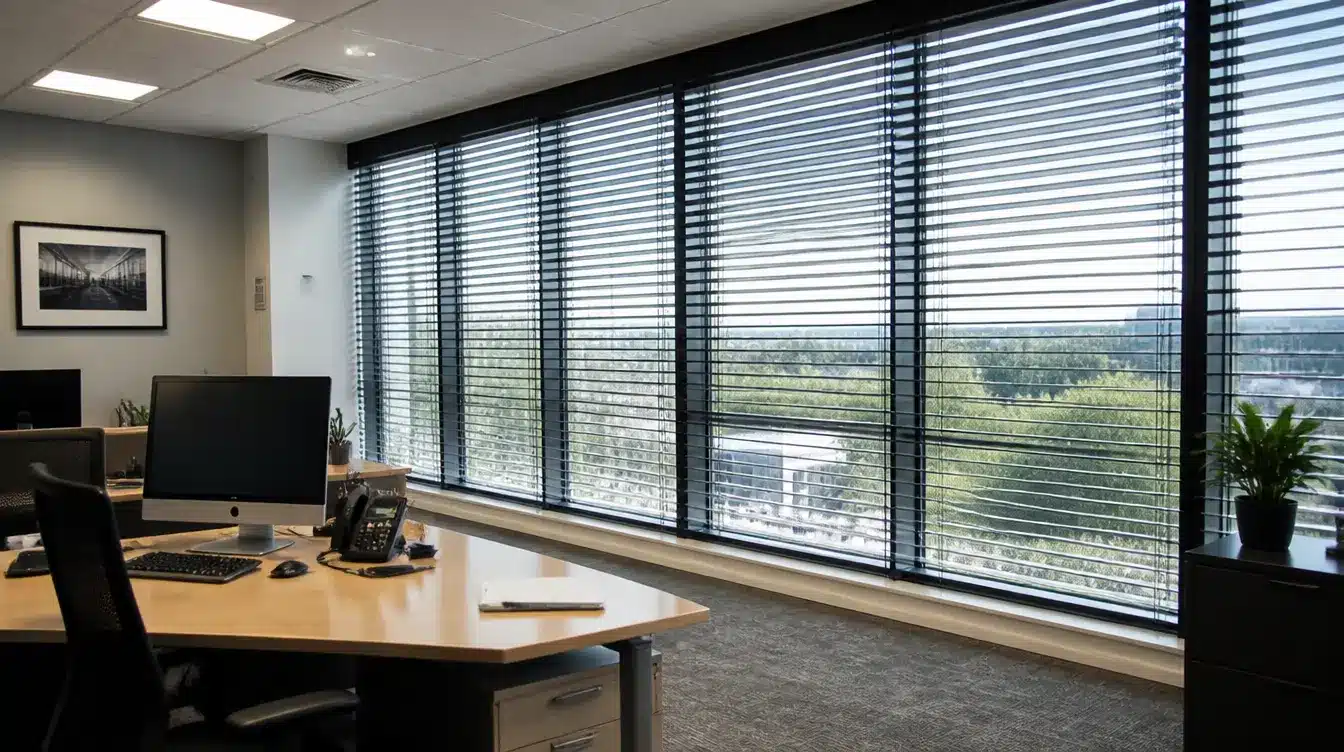
This kind of blind is made up of horizontal slats that are placed one on top of the other. You can raise or tilt them depending on whether you want more light or need privacy.
Venetian blinds are used in bedrooms, offices, and living areas. They are available in materials such as wood, metal, and plastic.
They give the rooms an orderly and neat impression. They are easy to dust using a damp cloth.
Vertical Blinds
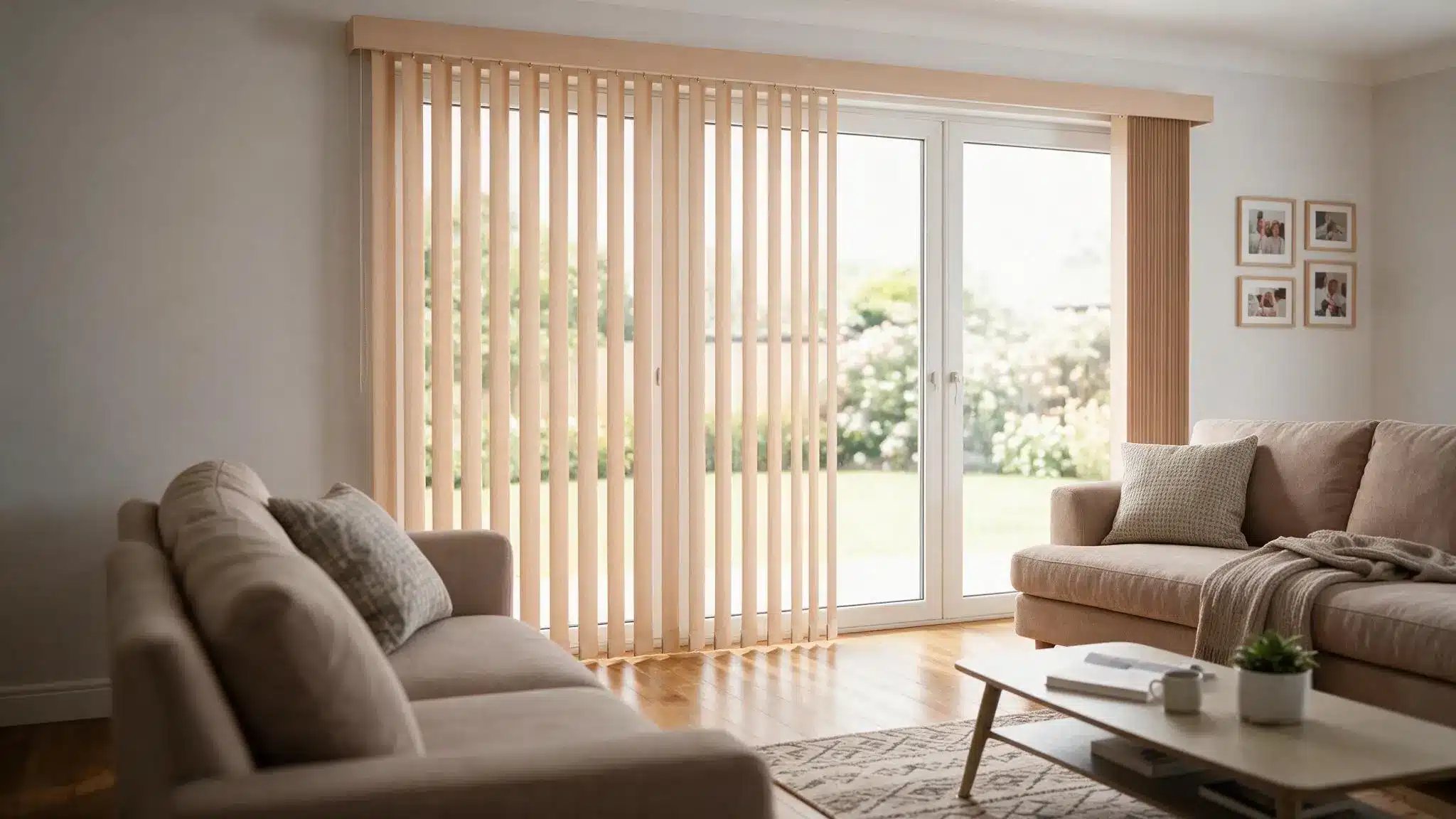
Vertical blinds are made up of wide slats which hang from top to bottom. They operate horizontally and are thus ideal for wide windows and sliding doors.
This type of blind is effective in dining rooms and outdoor spaces. The slats can be rotated so as to control sunlight during the different parts of the day.
Vertical blinds are better at handling drafts than the others and give a sense of height to the ceiling due to their tall nature. Most people prefer them for glass doors and windows.
Roller Blinds
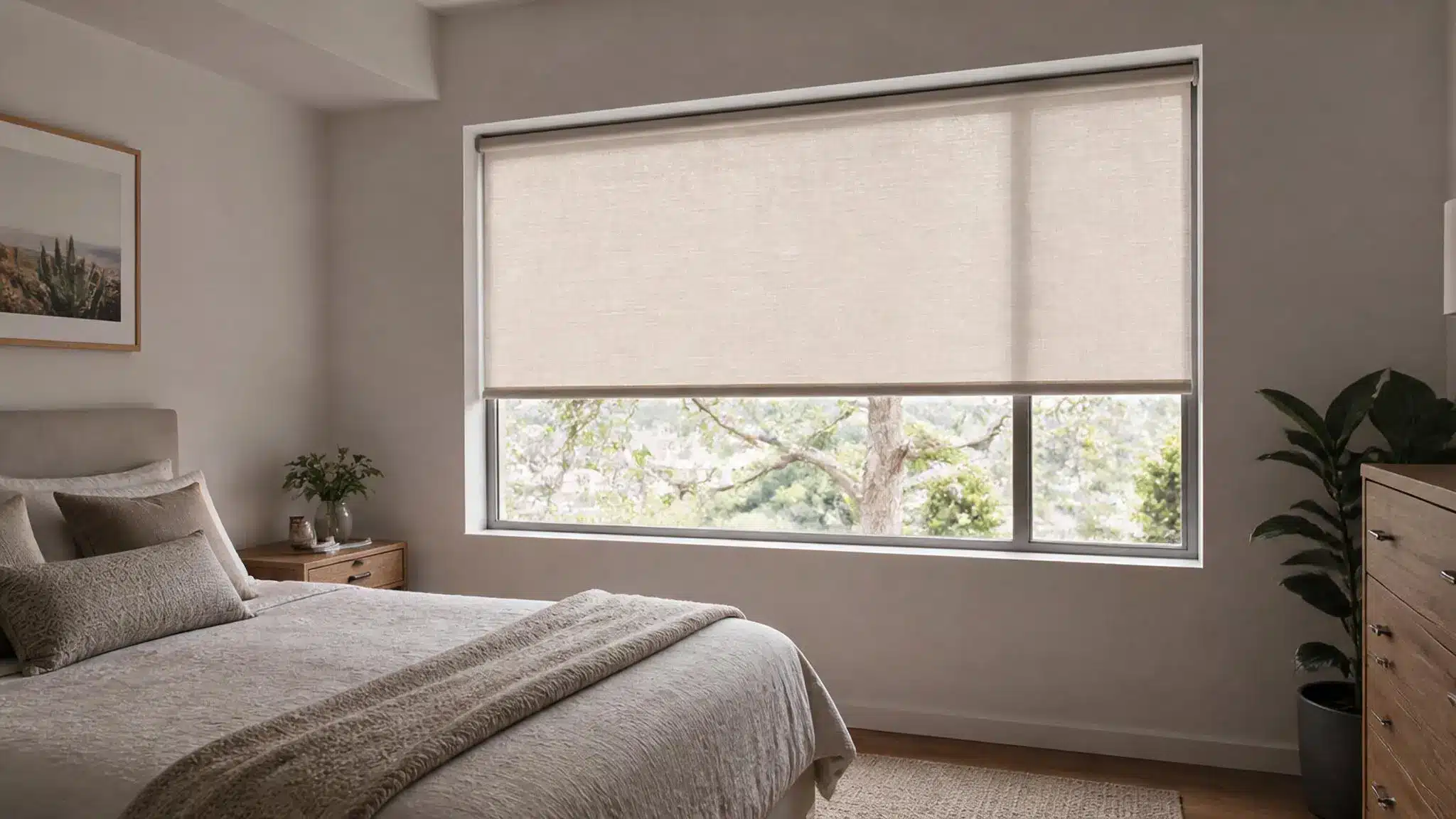
Roller blinds use a single sheet of fabric that rolls up and down. Roller blinds provide an elegant appearance to the windows.
The blinds may be raised or lowered using the chains or cords. They’re especially well-suited to kitchens, bathrooms, and smaller rooms.
Their compact nature saves the space between the window frame and the blind itself. Various fabrics are available, including blackout and light filtering materials.
How to Install Blinds?
Installing blinds is easier than most people think. With the right tools and a little patience, you can finish the job in under an hour.
Tools You Need Beforehand
You may already have some tools at home. If not, you can pick them up at any hardware store.
- Measuring tape
- Pencil
- Drill or screwdriver
- Screws and brackets (usually included with your blinds)
- Level
- Step stool or ladder
Step 1: Measure Your Window
Measure the width and height of your window frame using a measuring tape. Take note of these figures on a piece of paper.
Choose whether you would like to install your shade either in the inside mount position or the outside mount position.
Inside mount involves installing within the frame. Outside mount involves installing over the frame.
Step 2: Mark the Positions for Brackets
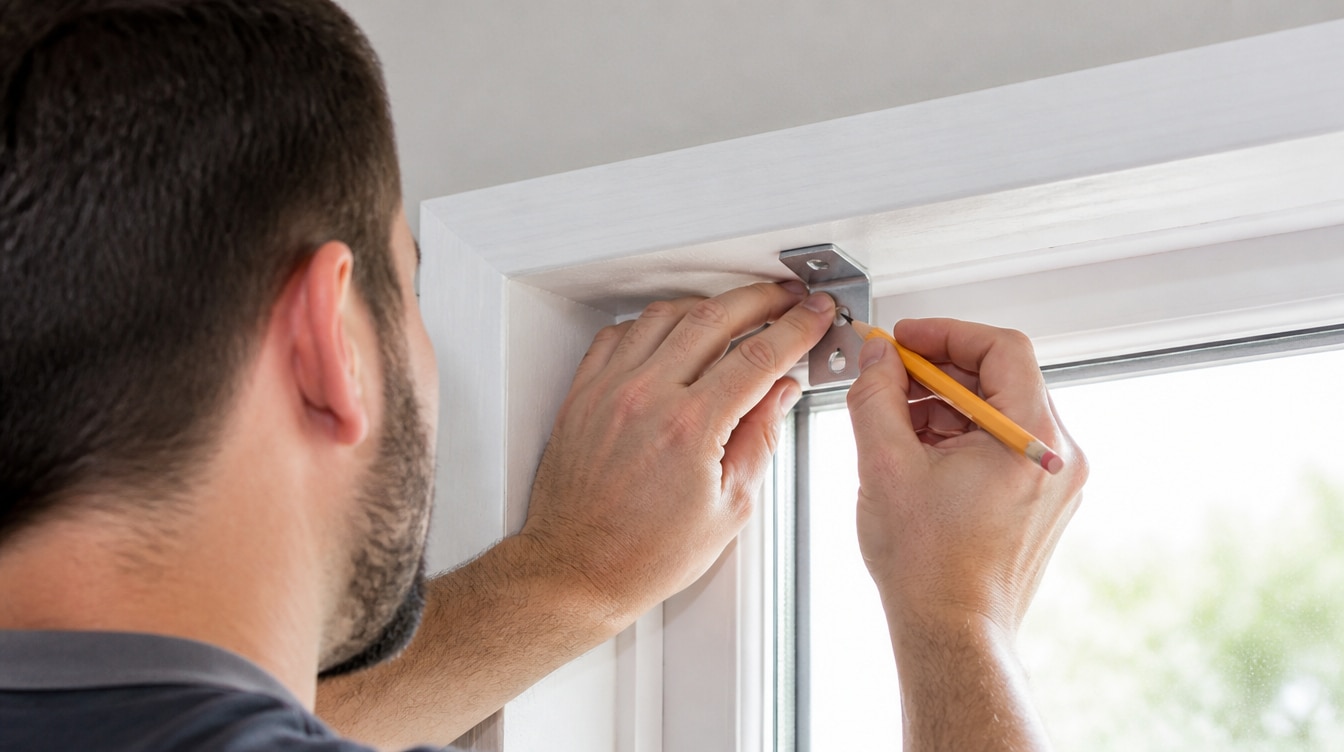
Mounting brackets are held up against the window frame or wall. Using a pencil, you make marks on the place where every screw will be mounted.
It is important to have level marks on both sides. You should have a small level that will help keep lines level.
Incorrect bracket mounting may cause blinds to hang unlevel. Be careful because this will determine the final appearance of your work.
Step 3: Drill Holes and Mount Brackets
With a drill, you make holes at the marked places. The drill bit you use should be smaller than the screws. This will prevent the wood or wall from cracking.
Putting the bracket over the holes, you mount it tightly with screws. Do this at every bracket position. Each bracket must It fixed securely.
Step 4: Mount the Blinds
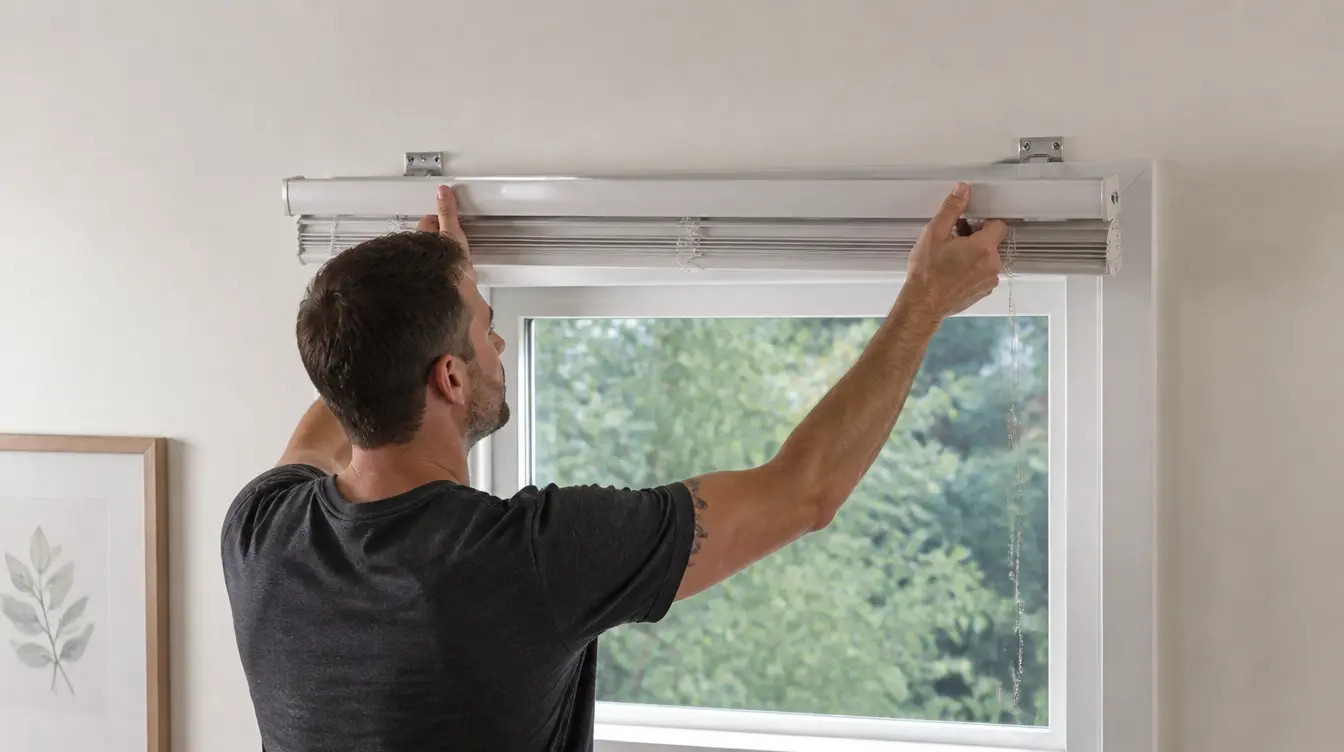
Lift the blind headrail and snap it into the brackets. Most blinds click into place with light pressure. Some models need a small clip or lever to lock in.
Check your blind’s manual if you’re unsure how yours locks. Once mounted, gently pull down and test if it holds firm. If it feels loose, press it further into the bracket.
Step 5: Test and Adjust
Raise and lower your blinds a few times to check smooth movement. Tilt the slats open and closed if you have Venetian or vertical blinds.
Look for any gaps or uneven hanging on either side. Adjust the brackets slightly if something looks off. Once everything moves smoothly, your blinds are ready for everyday use.
Clean blinds regularly; built-up dust can jam the slats and make them harder to open smoothly.
Inside Mount vs Outside Mount Blinds
Choosing between inside and outside mount changes how your blinds look and fit. Each option works better for certain window types and needs.
| Feature | Inside Mount | Outside Mount |
|---|---|---|
| Look | Clean, built-in appearance | Covers frame, adds height |
| Best for | Windows with deep frames | Uneven or shallow frames |
| Light gaps | Small gaps possible on sides | Fewer light gaps overall |
| Privacy | Good, but slight edge gaps | Better full coverage |
| Installation | Mounted inside the window frame | Mounted on wall above frame |
Wrapping Up
Blinds do more than cover a window. They control light, protect privacy, and change the whole feel of a room.
Picking Venetian, vertical, or roller blinds depends on your window shape and personal style. Installing them is simple if you follow the steps in order and use the right tools.
Regular care, like dusting and gentle handling, keeps blinds working well for years. Now that you know how to install blinds, your windows are ready for a fresh, functional look.
Frequently Asked Questions (FAQs)
1. What is a Good Budget for Blinds?
Blinds cost between $15 and $200 per window. Price depends on material, size, and blind type. Roller blinds are usually the cheapest option.
2. Which Type of Blinds is Most Popular?
Vertical and venetian blinds remain the most popular choices. They fit most window sizes and offer a good balance between price and function.
3. Which Company Should I Buy Blinds From?
Check local hardware stores or trusted online retailers with good reviews. Compare prices, warranty terms, and return policies before choosing a seller.