Many gardeners face the same question every season: bush beans or pole beans. Both varieties fill a garden with plenty of tasty green pods, so the choice can seem straightforward at first.
But the bush beans vs pole beans decision really shapes how efficiently a garden uses its space. It also affects how the harvest unfolds through the season.
Each variety performs differently depending on the setup at hand. Neither option wins in every situation. Space, growing time, maintenance, and harvest goals all influence that decision.
Understanding those differences makes the right choice considerably easier to identify.
What are Bush Beans and Pole Beans?
Bush beans and pole beans both belong to the same plant species, Phaseolus vulgaris. Despite that shared lineage, each type brings its own size, shape, and lineup of favorite varieties.
Knowing the basics makes it much easier to pick the right bean for any garden.
Bush Beans
Bush beans are compact, self-supporting plants that reach 18 to 24 inches tall and need no trellis or support.
They mature within 50 to 60 days, producing most of their crop in one concentrated window. Popular varieties include Provider, Tendercrop, Derby, Royal Burgundy, and Dragon Tongue.
Pole Beans
Pole beans are climbing vines that reach 6 to 12 feet and require a trellis, fence, or stake. They mature within 60 to 75 days but keep producing for several more weeks.
Popular varieties include Kentucky Wonder and Blue Lake Pole.
Bush Beans vs Pole Beans: Quick Comparison
Bush beans and pole beans differ across several key factors, from height to harvest length.
Use this quick reference when planning a vegetable garden.
| Factor | Bush Beans | Pole Beans |
|---|---|---|
| Growth habit | Compact and upright | Climbing vines |
| Typical height | Around 1–2 feet | Often 6–10+ feet |
| Support needed | Usually none | Trellis or poles |
| Ground-space usage | More horizontal space | Less horizontal space |
| First harvest | Generally earlier | Generally somewhat later |
| Harvest pattern | Concentrated | Continuous over a longer period |
| Succession planting | Common | Less commonly needed |
| Harvesting position | Low to the ground | Mostly higher on vines |
| Best garden setup | Open beds and simple layouts | Small spaces and vertical gardens |
| Raised-bed suitability | Very good | Very good with trellising |
What is the Difference Between Bush Beans and Pole Beans?
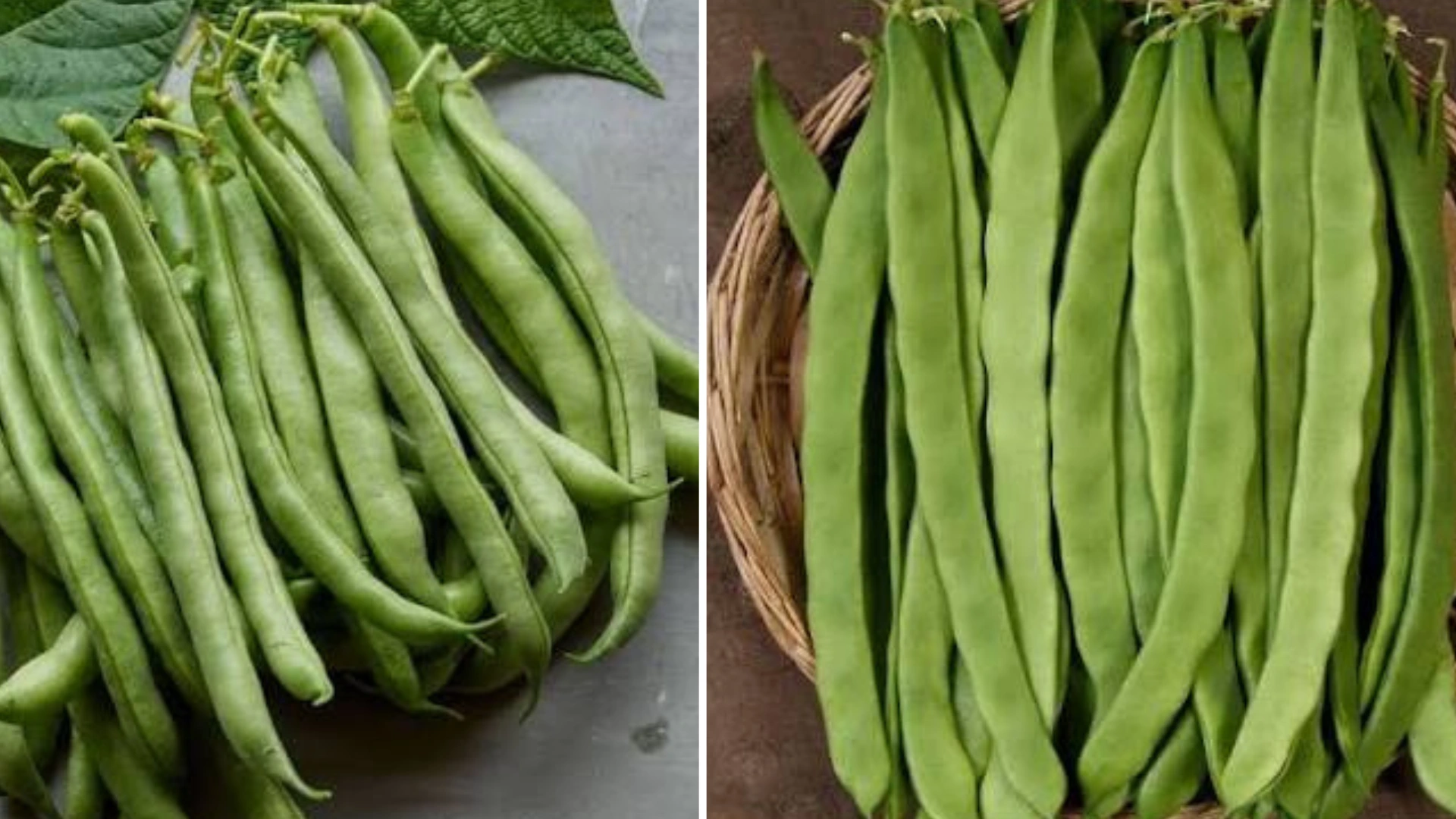
Bush beans and pole beans differ mainly in growth habit and harvest timing. Gardeners often describe this contrast as determinate versus indeterminate growth.
Bush Beans vs Pole Beans: Yield Comparison
Total yield depends on how it’s measured: by one picking or the full season. Bush beans set most pods within two to three weeks, then stop, since they’re determinate plants.
That makes them ideal for one big harvest. Pole beans, being indeterminate, keep producing for six to eight weeks or more with regular picking. They often yield more per plant overall.
Harvest Timing of Bush Beans and Pole Beans
Harvest timing separates these varieties most. Bush beans reach their first harvest in 50 to 60 days. The whole window then wraps up within two to three weeks.
Pole beans take a bit longer, 60 to 75 days. They keep producing for six to eight weeks, right up until frost.
Since bush beans produce within a short window, succession planting keeps the supply steady. Sow new rows every two to three weeks so one planting finishes as the next begins.
Takes Up Less Garden Space
Pole beans take up less ground space, since they grow upward instead of outward. A single trellis can support several plants in a narrow footprint.
Bush beans need more horizontal room, spreading 12 to 18 inches wide per plant. Small gardens and containers benefit more from pole beans, while open ground suits bush beans well.
Easier ot Grow
Bush beans keep things simple, since seeds go straight into the soil with no support needed. Pole beans demand more effort upfront, requiring a trellis or stakes before planting. Ongoing care differs too.
Bush beans need less attention but can invite powdery mildew. Pole beans get better airflow but need occasional vine tying.
Pole Beans vs Bush Beans for Harvesting
Harvesting style differs mainly due to plant height. Bush beans sit low to the ground, while pole beans grow upward along a trellis. This affects posture, picking speed, and how often a gardener needs to check plants.
Picking bush beans:
- Check plants every one to two days during the harvest window.
- Pick pods while they still snap easily, before seeds bulge.
- Use a kneeling pad or stool for larger plantings.
Picking pole beans:
- Check vines every two to three days to keep pods tender.
- Watch for pods hiding near the top of the trellis.
- Expect harvesting to continue for weeks, sometimes months, until frost.
String Beans vs Green Beans: Is There a Difference?
“String Beans” and “Green Beans” are both names for the same vegetable, even though they have different labels. Old varieties of beans had a string inside the pod, so they were called “string beans.”
The string has been bred out of almost all the varieties we eat today, but the name has stuck.
They are both called “snap beans” because they are picked before the pods get too tough to eat.
This means that both the pole and the bush beans can be “string beans,” depending on their history.
Do Bush Beans and Pole Beans Taste Different?
Taste differences between bush beans and pole beans depend mostly on the bean type rather than its growth pattern.
Many bean varieties come in both bush and pole forms, and the taste is pretty much the same in both.
Some gardeners find pole beans slightly sweeter, possibly because their longer, slower maturation gives the pods more time to develop sugar.
Bush beans taste just as good; flavor mostly depends on the variety, not the growth habit. The cooking process is another factor to consider, as boiling, frying, and roasting produce different flavors.
Bush Beans vs Pole Beans by Garden Setup
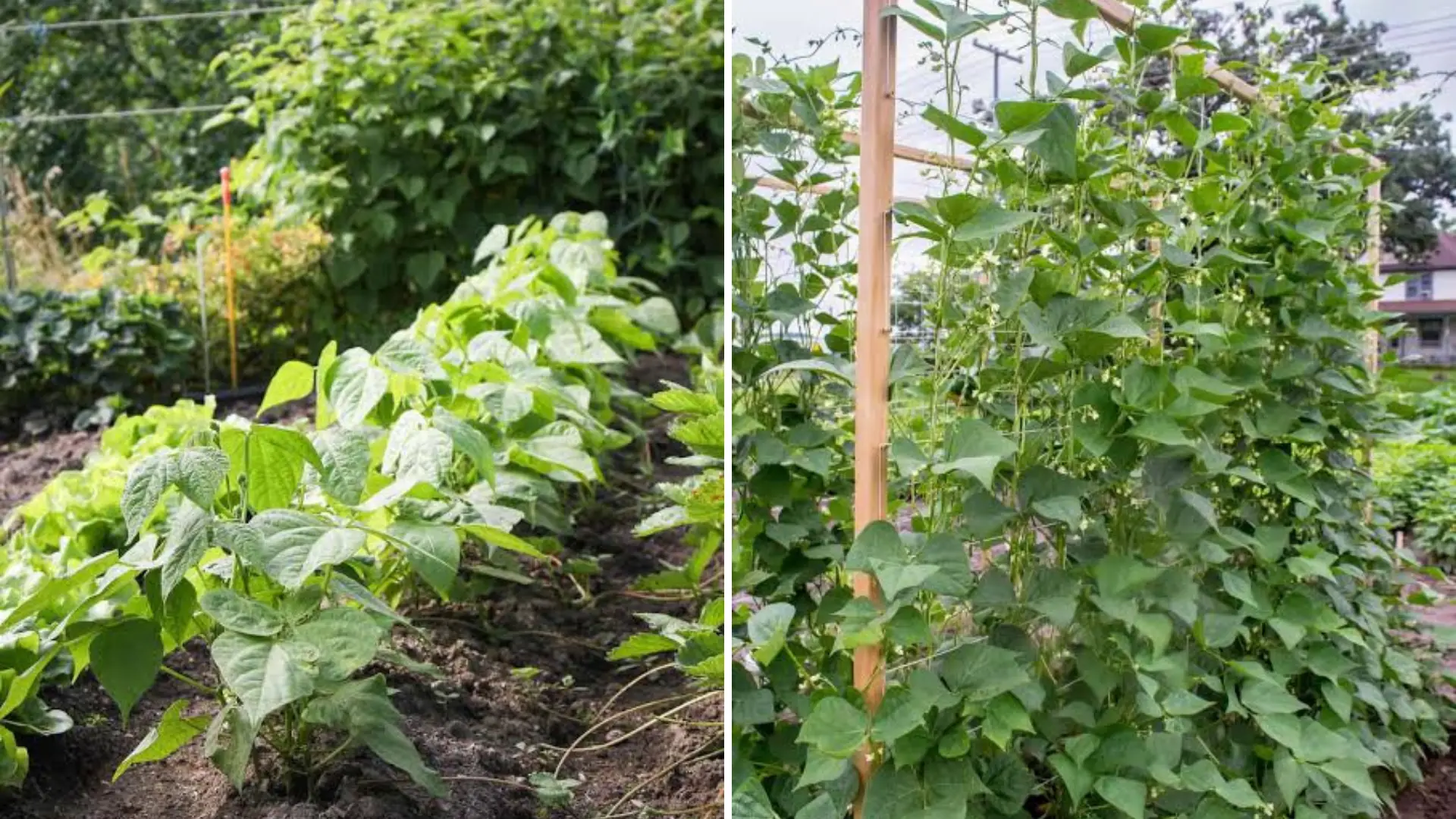
Garden setup plays a significant role in deciding between bush beans and pole beans.
Space, growing goals, and available structures all shape which type performs better in a given spot.
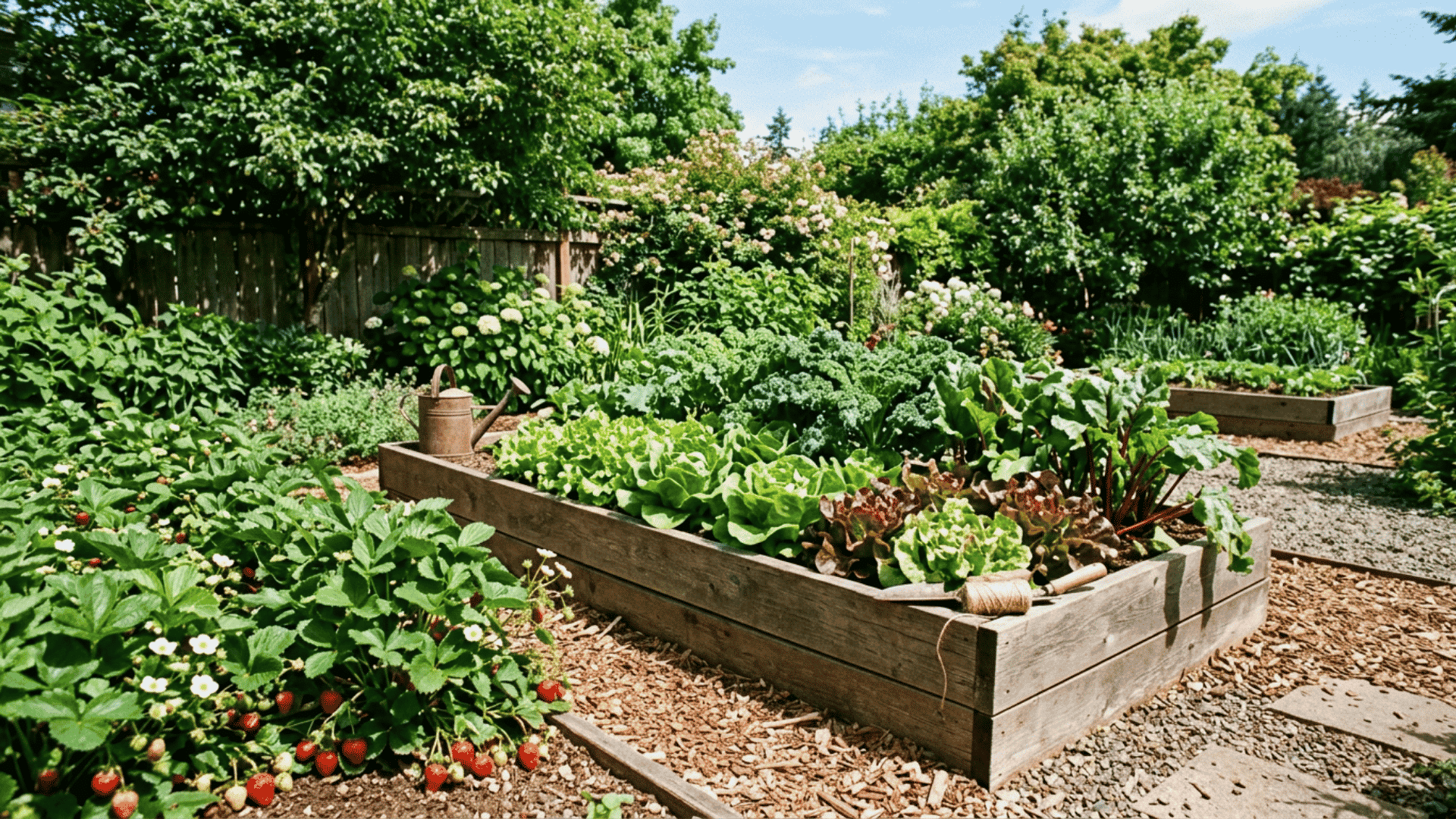
Raised Beds
Vertical cultivation is an advantage for raised beds because the area available on the ground remains constant.
Growing pole beans vertically is advantageous in raised beds, since it keeps the ground footprint small while maximizing yield per square foot.
The trellis should be placed on the north side.
Containers
Bush beans suit smaller containers well, since they need no extra support to stay upright. Pole beans require a larger pot with a sturdy stake or trellis anchored firmly inside.
Without that anchor, tall vines can tip a lightweight container over in the wind.
Gardens Without Trellises
Gardens without any support structures naturally favor bush beans, since the plants stand upright without help.
Pole beans need something to climb, whether a trellis, fence, or simple stake. Without support, vines tend to sprawl across the ground and tangle together.
Final Thoughts
The bush beans vs pole beans choice rewards a vegetable garden in different ways. One offers a quick, concentrated harvest, while the other delivers a steady, extended supply throughout summer.
The right choice depends less on which variety performs better overall. It comes down to which one fits the available space, timeline, and gardening goals.
A small patio might call for compact bush plants, while a fence line practically invites climbing vines.
Either way, fresh beans harvested straight from the garden taste noticeably better than anything purchased from a store shelf.
Planting a few of each variety often provides the advantages of both approaches, without sacrificing space or convenience.
Frequently Asked Questions (FAQs)
1. Do Pole Beans Return Each Year?
No. Pole beans are annual plants that die with the first frost, so gardeners need to replant seeds every growing season.
2. Can Bush Beans Grow Into Pole Beans Over Time?
No. Growth habit is fixed by variety, not by plant age, so bush beans never develop into climbing pole beans.
3. How Long Does Each Bean Type Keep Producing Pods?
Bush beans produce for about two to three weeks. Pole beans keep producing for six to eight weeks or longer.