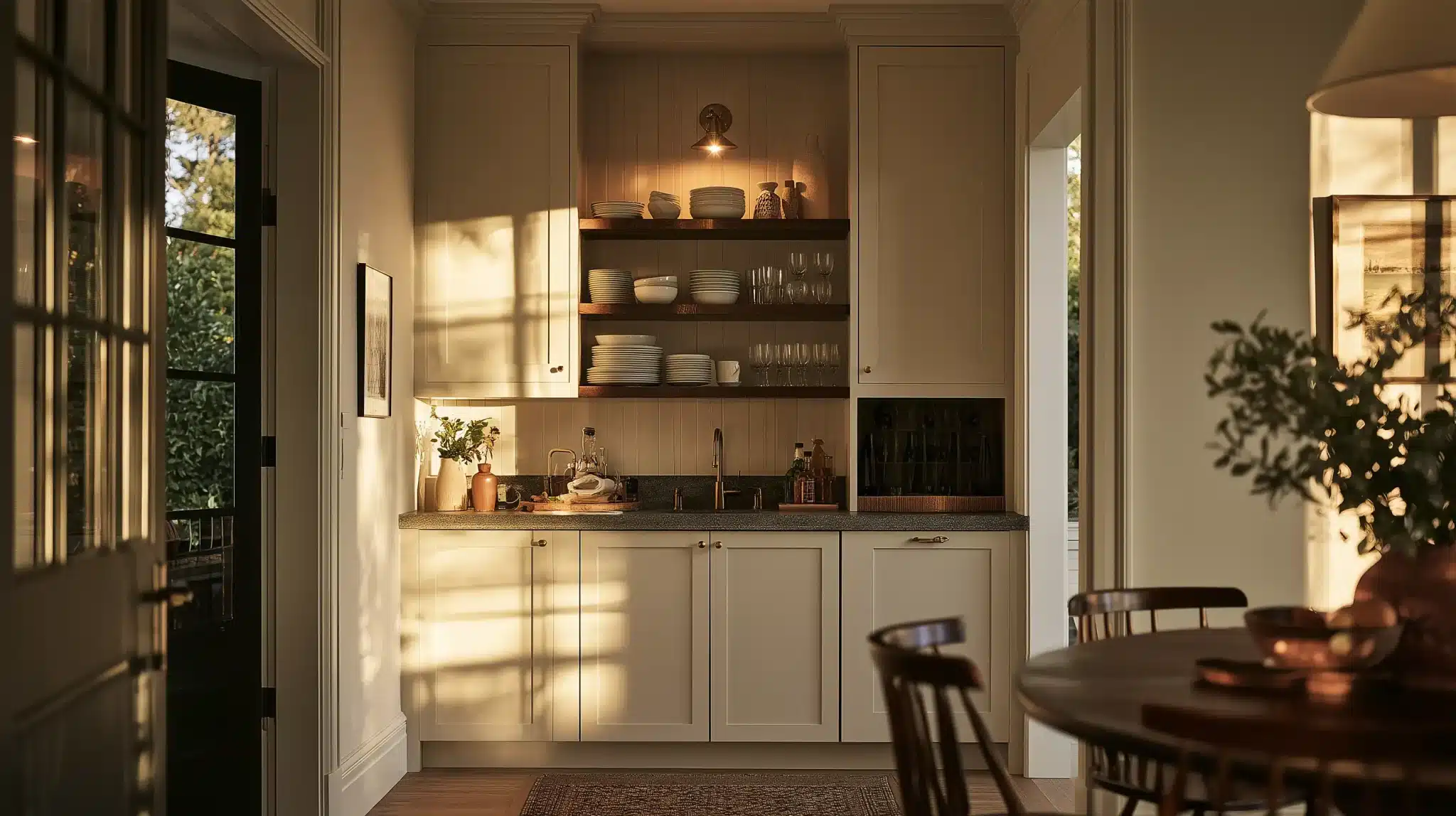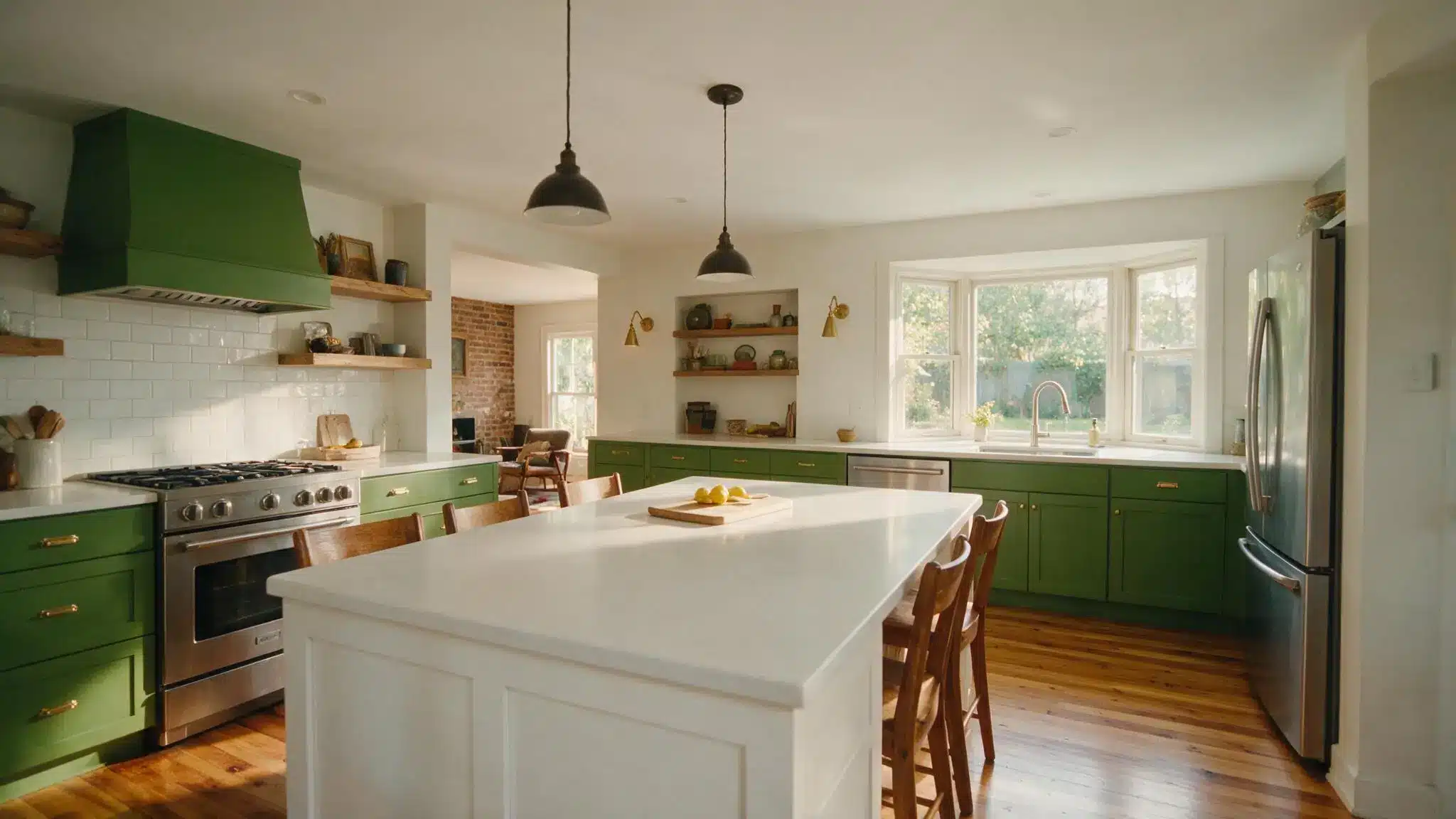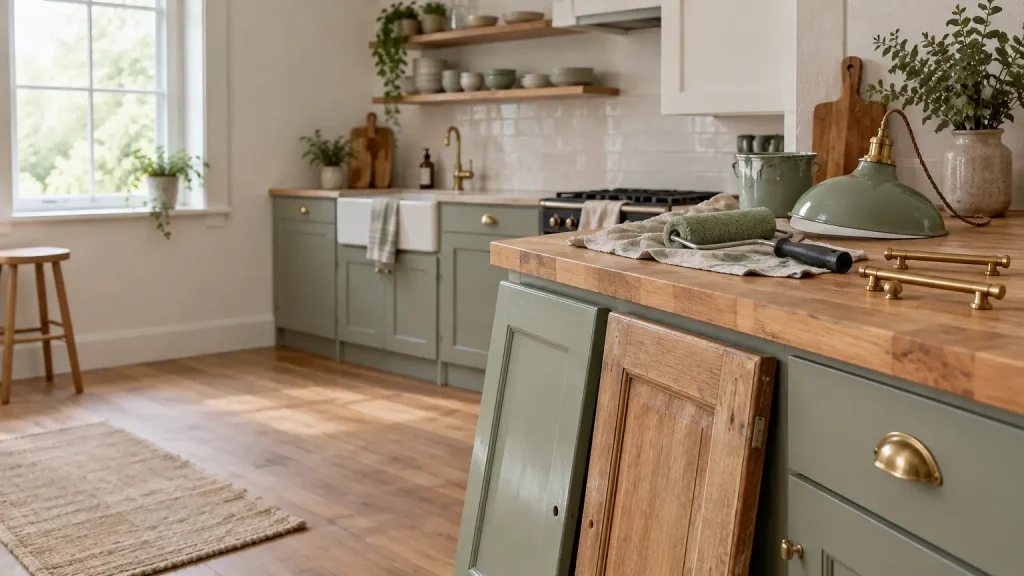
A kitchen renovation can feel overwhelming before you even pick up a hammer. Costs pile up fast, and homeowners often end up spending far more than they planned. The good news is that a smart approach can help you get the kitchen you want without draining your savings.
Planning ahead is the key to keeping costs under control. Before you start knocking down walls or ordering new cabinets, take time to figure out what really matters to you. A clear plan will save you money and stress later on.
Upgrade Your Kitchen Light Fixtures First
One of the easiest ways to transform a kitchen without spending a fortune is to install new kitchen light fixtures. Old, dim fixtures can make even a beautiful kitchen look tired and outdated. Swapping them out is often the fastest way to see a real difference.
Homeowners are sometimes surprised by how much new lighting can change the entire mood of a room. Bright, modern fixtures make counters easier to see and cooking feel more enjoyable. This upgrade also tends to cost far less than replacing cabinets or countertops.
Before buying anything, think about how you actually use your kitchen. A cook who spends hours preparing meals will want strong task lighting over the stove and counters. Someone who mostly uses the space for quick meals might only need a few simple upgrades.
Pendant lights over an island or dining area can add style without a huge price tag. Under cabinet lighting is another affordable option that makes counters brighter and more functional. Both choices are simple for a couple or a solo homeowner to install with basic tools.
Set a Realistic Budget From the Start
Every successful renovation begins with a number you can actually afford. Sit down and list every expense you can think of, from appliances to paint. Then add extra room for surprises, since older homes often hide plumbing or wiring issues.
Many homeowners forget to include labor costs when planning their budget.
Even if you plan to do some work yourself, you may still need a contractor for certain jobs. Getting quotes early helps you avoid nasty surprises halfway through the project.
It also helps to separate your wants from your needs. A new sink might be necessary, but a marble countertop could be a want you save for later. This kind of thinking keeps your budget focused on what truly matters.
Decide What to Keep and What to Replace
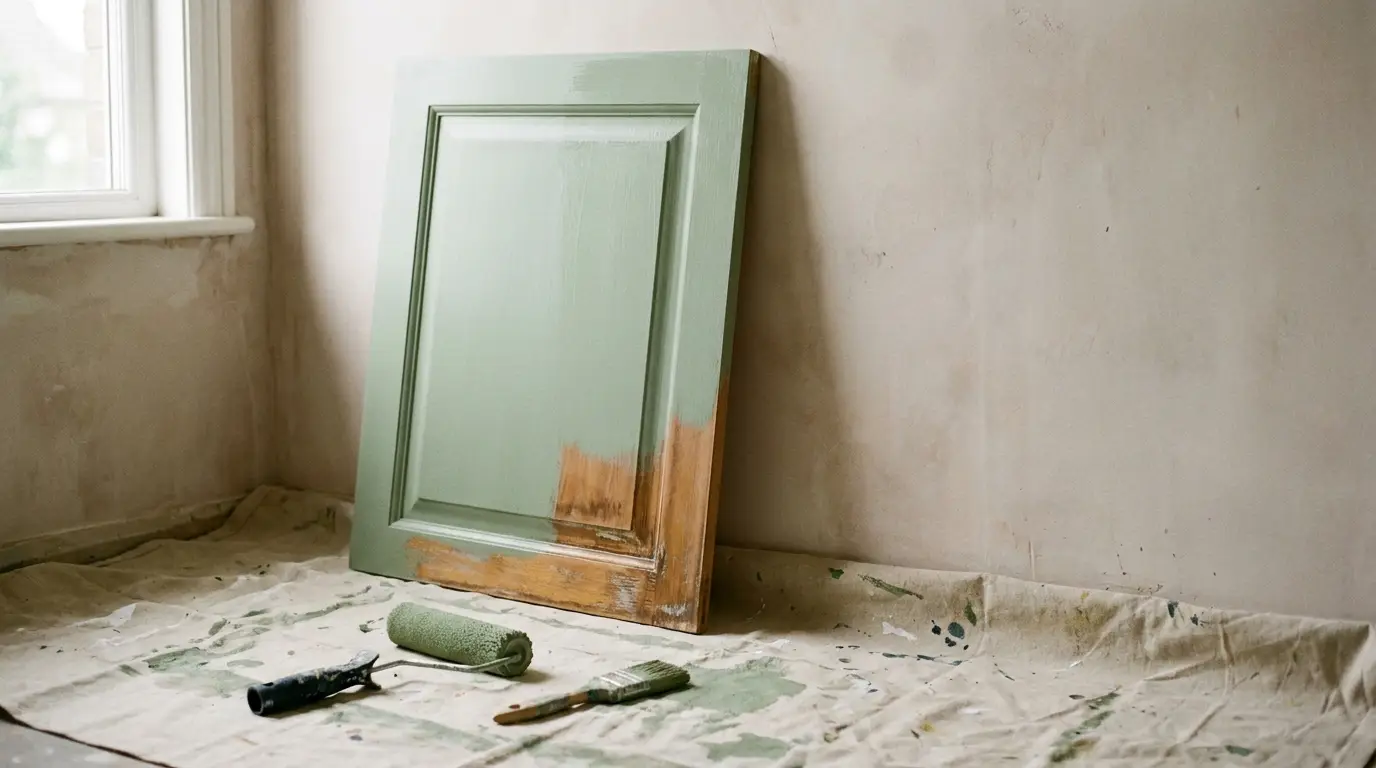
One of the biggest budget savers is keeping what still works well. If your cabinets are sturdy but look outdated, refinishing or painting them can save thousands of dollars. A fresh coat of paint often looks just as impressive as brand new cabinetry.
Appliances are another area where you can save money. If your refrigerator or oven still runs well, there is no need to replace it just for looks. Save that money for upgrades that will make a bigger visual or functional difference.
Flooring is often assumed to need full replacement, but that is not always true. Sometimes a deep clean or refinishing job can restore old floors to a like new appearance.
This is especially true for hardwood floors, which can be sanded and resealed instead of torn out.
Shop Smart for Materials and Appliances
Where you shop can make a huge difference in your final costs. Look for sales, floor models, or slightly discontinued styles that still look great. Many stores offer discounts on appliances during certain times of the year, so timing your purchase matters.
Do not overlook secondhand options either. Homeowners often sell barely used appliances or cabinets when they upgrade their own kitchens.
Online marketplaces and local classifieds can be a goldmine for finding quality items at a fraction of retail price.
When it comes to countertops, laminate has come a long way in both looks and durability. It can mimic the appearance of stone at a much lower price. This is a great option for anyone trying to stretch their renovation budget further.
Consider Doing Some Work Yourself
Labor costs often make up a large portion of any renovation budget. If you are handy, tackling smaller tasks yourself can save a significant amount of money. Painting walls, installing shelving, or even placing backsplash tiles are manageable projects for many homeowners.
That said, know your limits. Plumbing and electrical work usually require a licensed professional to keep your home safe and up to code. Trying to save money in these areas can backfire if mistakes lead to costly repairs later.
Watching online tutorials can help you learn basic skills before starting a project. Practice on a small area first before moving to a more visible part of the kitchen. This approach reduces the risk of costly mistakes on your main renovation.
Plan for the Unexpected
No matter how carefully you plan, surprises tend to pop up during renovations. Pipes may be older than expected, or wiring may not meet current safety standards. Setting aside ten to twenty percent of your budget for these surprises is a smart move.
This extra cushion prevents you from feeling stuck if problems arise midway through the project. It also reduces stress, since you already planned for the possibility. A renovation that stays on budget feels far more successful, even with a few bumps along the way.
Keep the Bigger Picture in Mind
A kitchen renovation is not just about looks. It is about creating a space where meals are prepared, memories are made, and daily life happens. Parents cooking dinner, friends gathering for coffee, or a couple enjoying breakfast together all benefit from a functional, welcoming kitchen.
Keeping this bigger picture in mind helps you make decisions that fit your lifestyle, not just trends. A budget friendly renovation can still feel personal and thoughtful when it reflects how you actually live. Small upgrades, like better lighting, often make the biggest emotional difference.
Final Thoughts
Renovating a kitchen on a budget is absolutely possible with the right planning. Start with small, impactful changes like new light fixtures, then move on to bigger decisions about materials and labor.
By staying organized and realistic, you can create a kitchen you love without overspending.