Concrete looks permanent, which is exactly why sealing it is so easy to overlook. Unsealed concrete is genuinely more vulnerable than it appears, and understanding what sealing actually protects against and how often it needs to be redone helps you avoid the more expensive repairs that come from skipping this relatively low-cost maintenance step.
What Sealing Actually Does
Concrete is naturally porous, and that porosity is the root of most of its long-term problems.
Without a sealer, water, oil, deicing salts, and other substances can penetrate the surface, and once inside, they contribute to a range of issues: freeze-thaw cracking as absorbed water expands when it freezes, staining that becomes difficult or impossible to remove once it’s soaked in, and gradual surface deterioration, spalling and pitting, as the concrete’s surface breaks down over repeated exposure cycles.
A sealer creates a protective barrier that keeps these substances from penetrating in the first place, addressing the underlying vulnerability rather than just improving appearance.
How Often Resealing Is Actually Needed
Sealing frequency depends on the sealer type and the surface’s exposure, but a few general guidelines apply across most residential applications:
Driveways and other high-traffic exterior surfaces typically need resealing every two to three years, since vehicle traffic and constant weather exposure wear down the protective layer faster than lower-traffic areas.
Patios and walkways with lighter foot traffic often go three to five years between resealing, depending on the specific product used and local climate severity.
Garage floors, which see less weather exposure but often deal with oil, chemicals, and consistent vehicle traffic, generally fall in a similar range to driveways, though the specific wear pattern differs.
Climate plays a real role here too. Regions with genuine freeze-thaw cycling put more stress on a sealer’s protective barrier than milder, more stable climates, which can shorten the practical interval between resealing regardless of traffic level.
How to Tell When Concrete Actually Needs Resealing
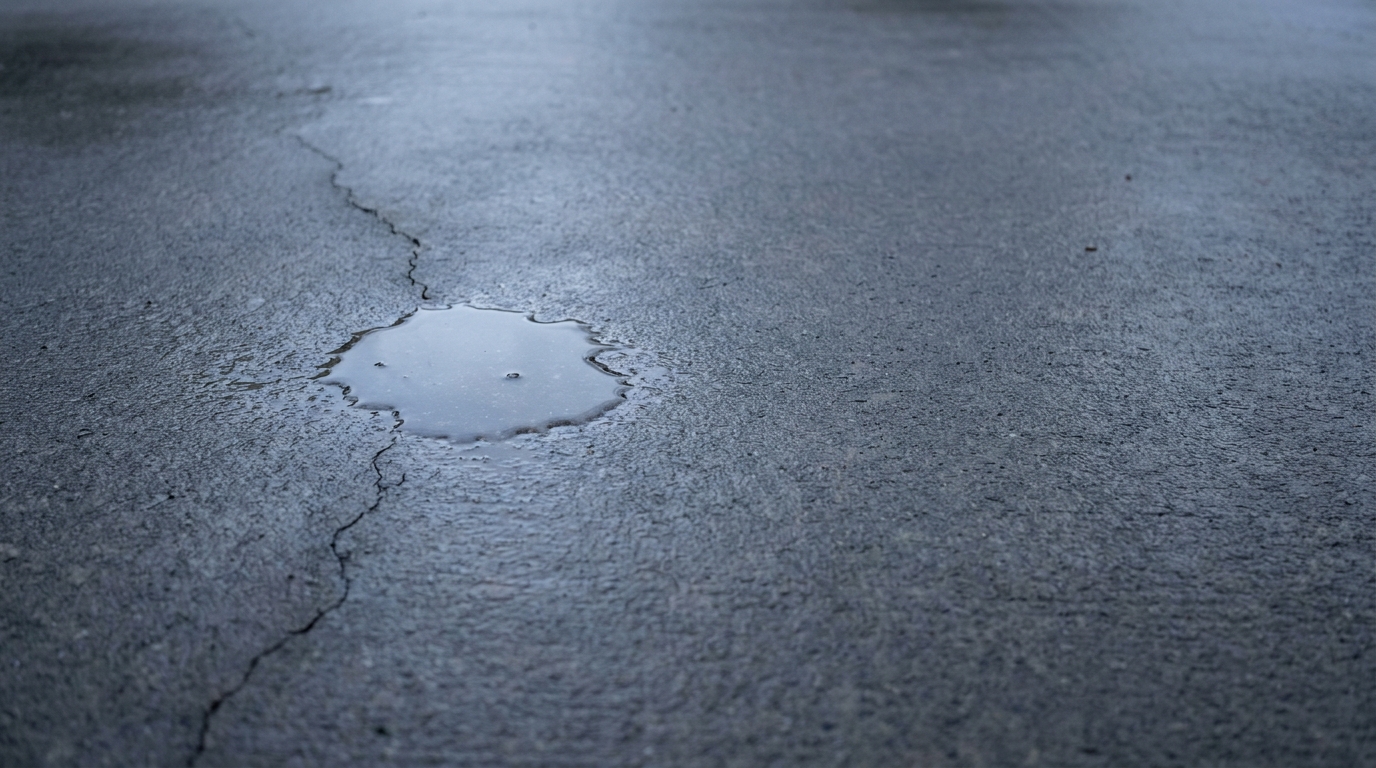
Rather than relying purely on a calendar interval, a simple water test gives a direct answer: pour a small amount of water onto the concrete surface.
If it beads up and sits on top, the existing sealer is still doing its job. If the water is absorbed and darkens the concrete, the sealer has worn through, and it’s time to reapply.
What Happens If Sealing Gets Skipped
The consequences of skipping sealing don’t show up immediately, which is part of why it’s easy to neglect.
Over time, unsealed concrete is more prone to cracking as it absorbs and releases moisture through seasonal cycles, staining becomes permanent rather than something a good cleaning can address, and in climates with winter deicing salt use, that salt penetrates unsealed concrete and accelerates surface deterioration considerably faster than it would on a properly sealed surface.
By the time these problems become visually obvious, the fix is often a genuine repair or resurfacing project rather than the comparatively simple and affordable act of reapplying sealer on schedule.
Why Sealing Should Follow Cleaning, Not Replace It
Sealing and cleaning address different problems and both matter. A sealer applied over dirt, grime, or existing staining traps that material underneath rather than protecting a clean surface, which is why a proper resealing project starts with thorough cleaning to remove existing buildup before the new sealer goes on. Skipping this step undermines the sealer’s effectiveness from the start.
Getting a Sealing Schedule That Matches Your Specific Surfaces
Because the right interval depends on traffic level, climate, and the specific surface involved, a general rule only goes so far.
Understanding when your specific driveway, patio, or garage floor actually needs attention, rather than guessing based on a generic timeline, is what concrete sealing done right should start with, protecting your investment before small vulnerabilities turn into a much larger repair.