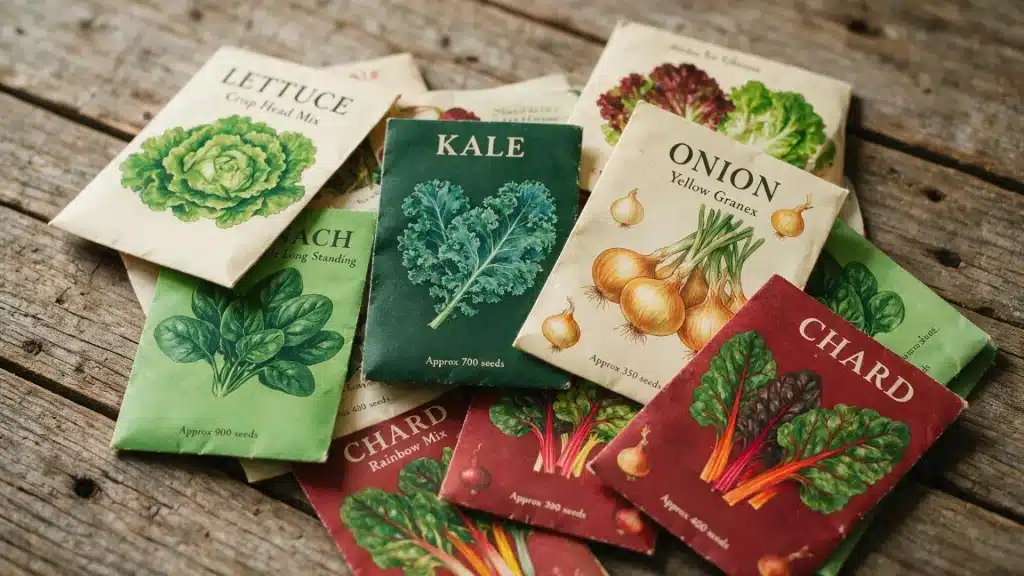
Every gardener has that drawer – old seed packets stuffed in the back, some from three summers ago – and you’re standing there wondering if they’re even worth planting anymore, and most of them probably are.
How long do seeds last really depends on the seed, and a lot of gardeners toss packets way sooner than they need to.
Onions fade fast. Tomatoes barely notice the years passing.
Before you clear out that drawer for good, it’s worth knowing which seeds still have life left in them and which ones are actually done.
How Long Do Seeds Last?
Most seeds stay good for 1 to 6 years if they are kept dry and cool. That’s the short version. But the number that matters more is what kind of seed you’re holding, because a three-year-old onion seed and a three-year-old bean seed are not in the same shape at all.
Here’s the part that trips people up: a seed doesn’t die on a schedule. It’s still alive inside that packet, just getting weaker over time. So “old” and “dead” are two different things, and mixing them up is how a lot of perfectly good seeds end up in the trash for no reason.
That date printed on the packet? It’s packed for a date, not a kill switch. It tells you which growing season the seeds were meant for, nothing more.
Quick Seed Lifespan Chart
| Seed Type | Typical Viability |
|---|---|
| Onion | 1 year |
| Parsnip | 1 year |
| Corn | 1 to 2 years |
| Pepper | 2 to 3 years |
| Carrot | 2 to 3 years |
| Bean | 3 years |
| Pea | 3 years |
| Tomato | 4 to 6 years |
| Cucumber | 5 years |
| Lettuce | 3 to 6 years |
Treat this as a starting point, not gospel. Storage can knock a year or two off these numbers, or add several years on top, depending on how the seeds were kept.
Do Seeds Expire?
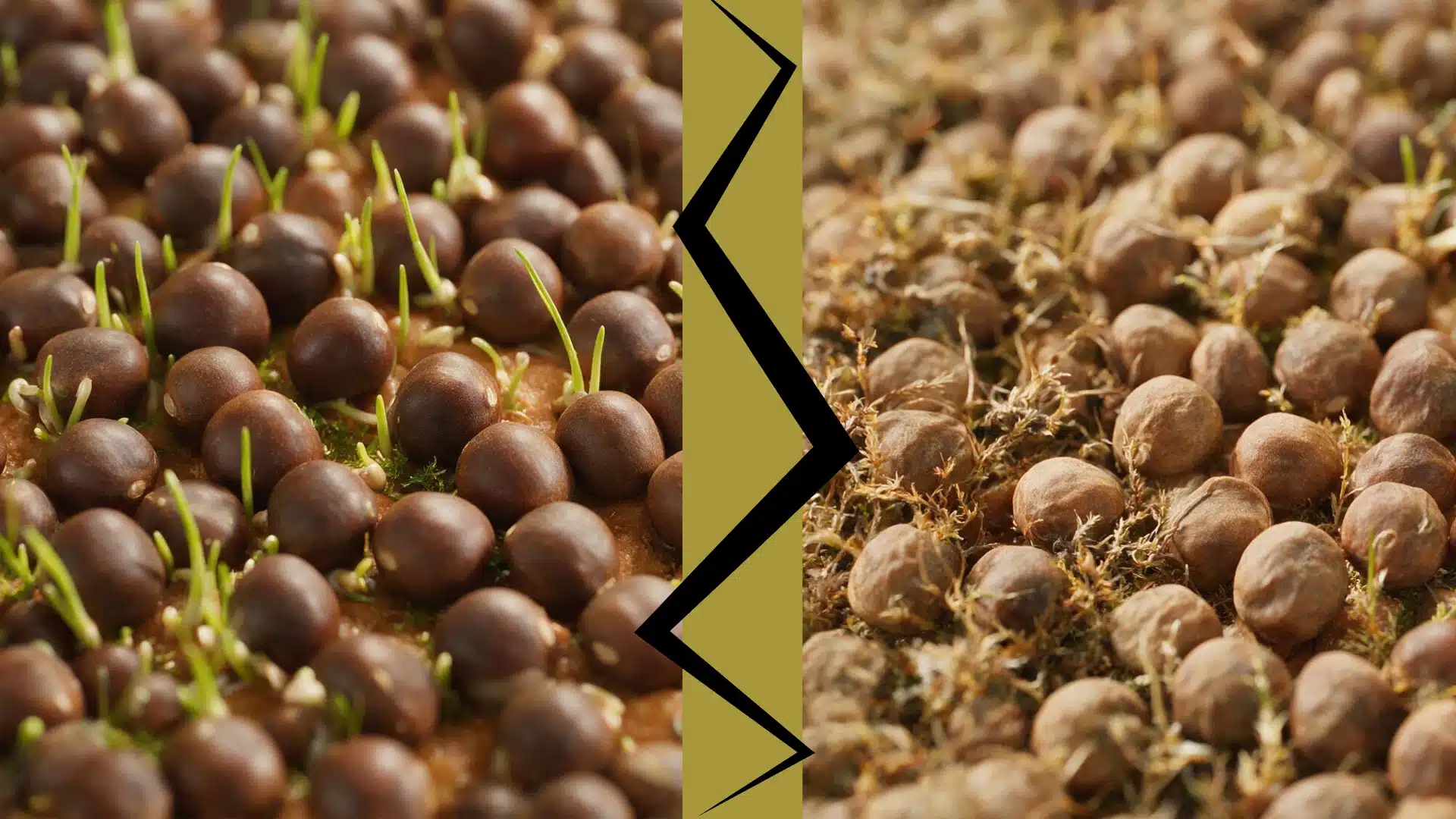
Not the way food does. Milk has a day when it just goes bad. Seeds fade instead of flip.
Germination rates slide down gradually, so a packet goes from strong to weak, not good to ruined overnight. That means an old bag of carrot seeds isn’t a lost cause.
Say it’s five years old and only sprouts at 40 percent instead of 90. You just plant more seeds to cover the gap.
Can seeds beat their expected lifespan? Often, yes. Keep them cold and dry enough, and they’ll outlast the average by years.
There are gardeners who’ve pulled a decade-old packet from the freezer and still got a decent germination rate. The chart above is based on typical home storage, which is a lot less forgiving than a controlled setup.
How Long Do Different Types of Seeds Last?
Vegetable Seeds
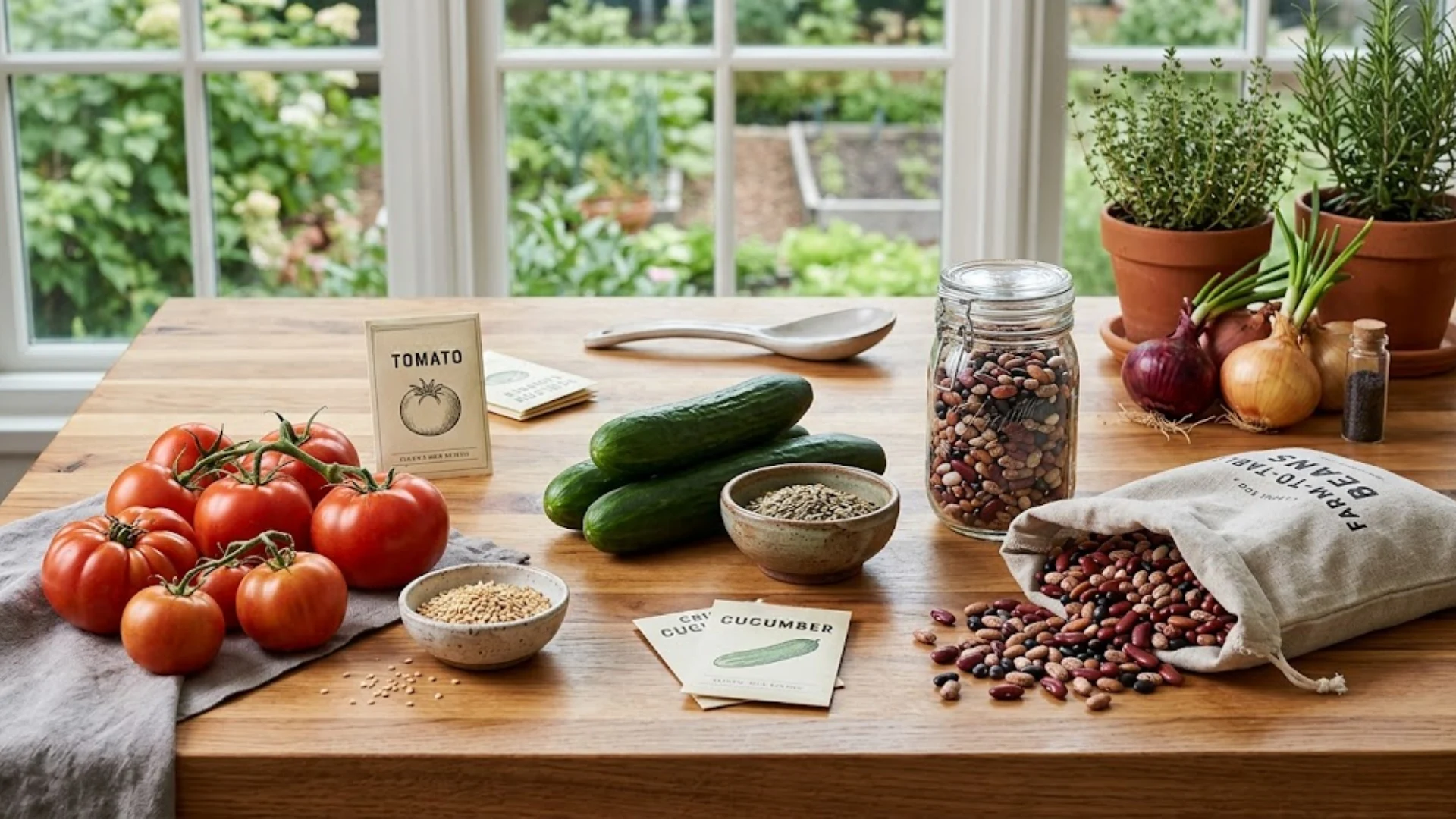
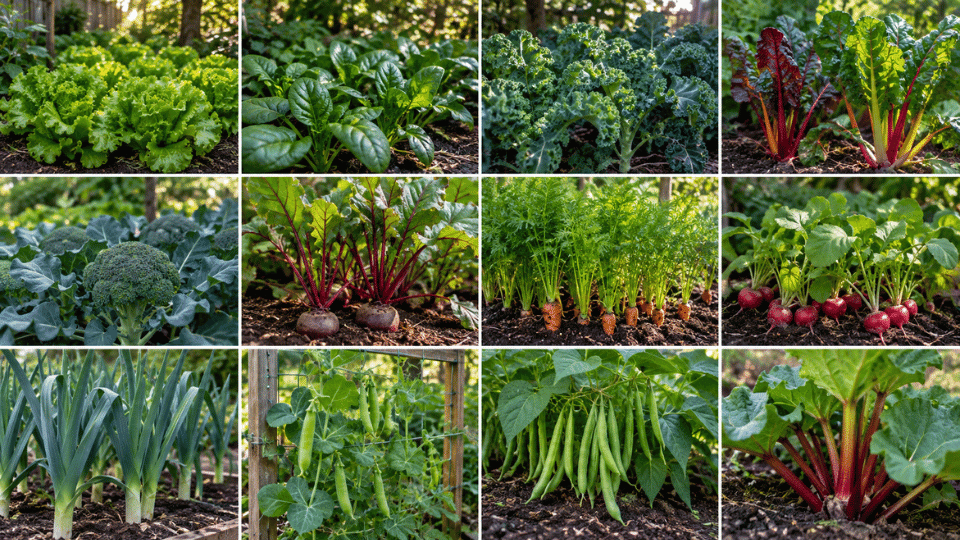
This is where the range gets wide. Onions and parsnips are basically use it or lose it, gone within a year if you wait too long.
Beans, peas, and carrots give you a few seasons of grace. Tomatoes and cucumbers are the tanks of the seed world. Five plus years with barely any effort is normal for both.
Flower Seeds
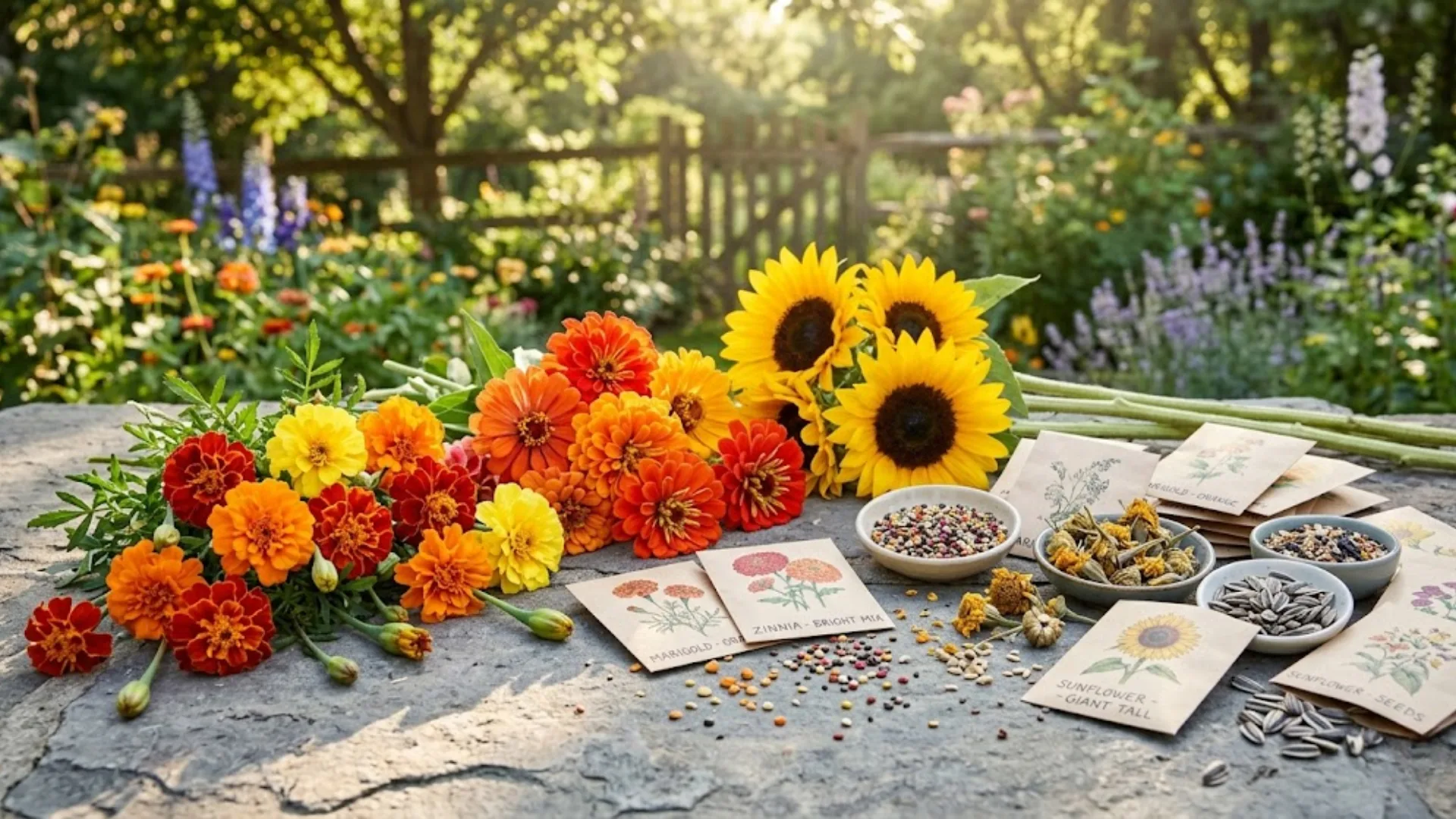
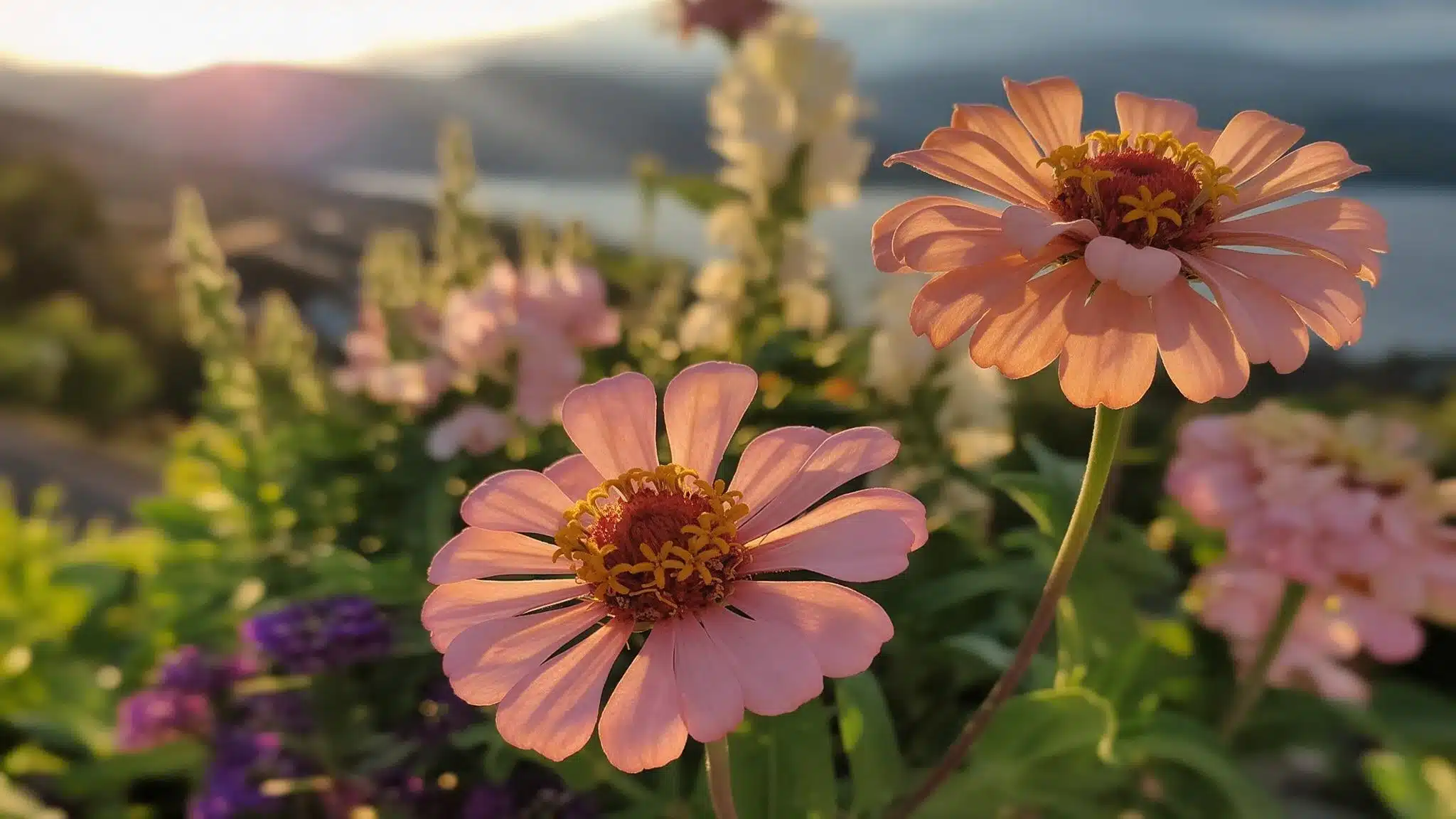
Marigolds don’t hang around long, usually just 1 to 2 years, so don’t sit on leftover packets. Zinnias are the opposite story, often good for 3 to 5 years, which makes them one of the easier flowers to stockpile.
Sunflowers land closer to marigolds, typically fading after 1 to 2 years. Cosmos sits in the middle at around 3 years.
Petunias tend to last 1 to 3 years, depending a lot on how they were stored. Learn more about petunias; click here.
Herb Seeds
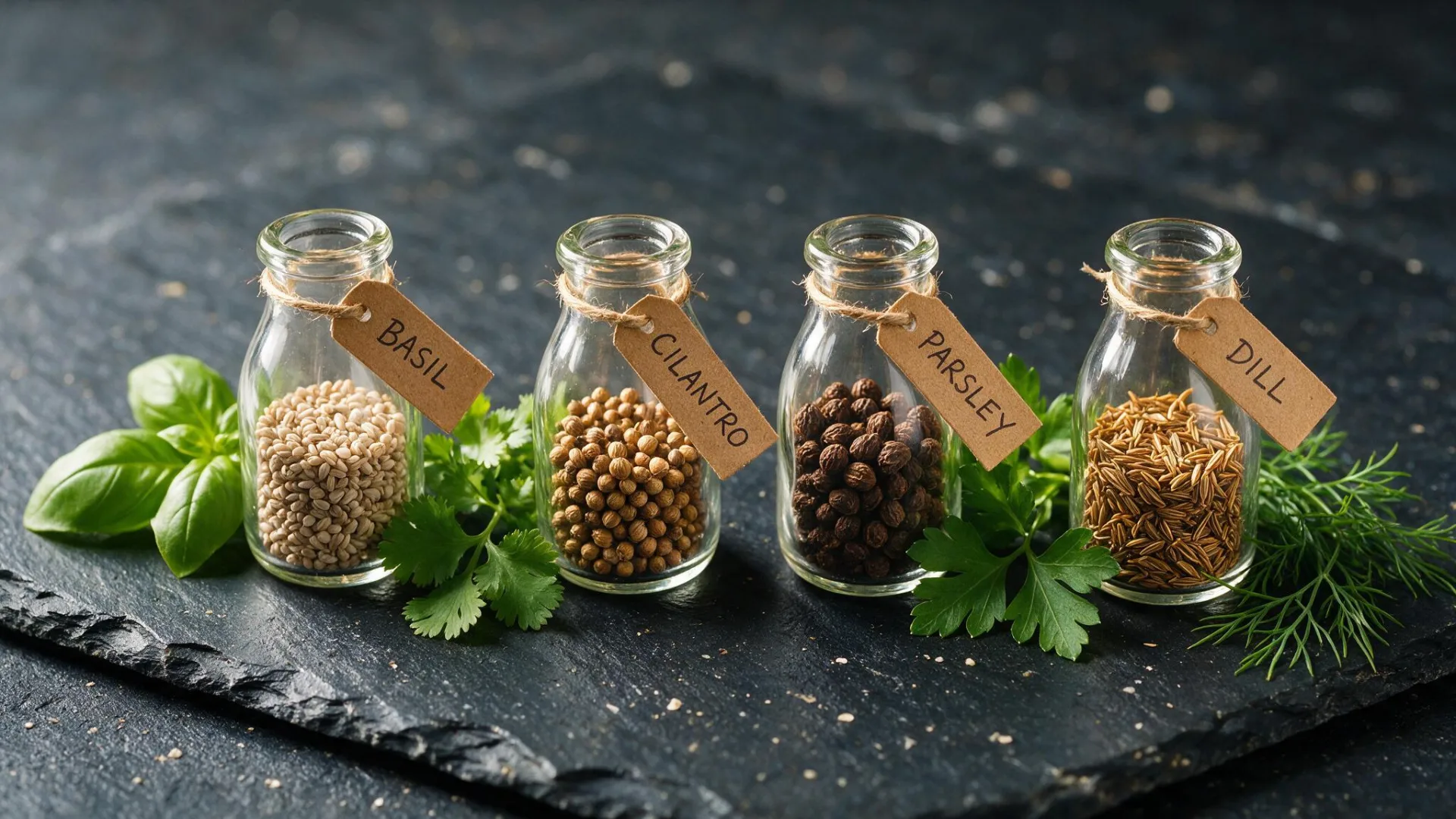
Basil is the surprise here. People expect a short-lived herb seed, but basil often lasts 3 to 5 years, longer than plenty of vegetables.
Cilantro is close behind at 2 to 4 years.
Parsley is the one to watch out for. It’s short-lived, often dropping off within 1 to 2 years, and a lot of gardeners assume every herb behaves like basil. It doesn’t.
Dill usually lasts 2 to 4 years, and chives sit around 1 to 3.
Factors Affecting Seed Germination Over Time
Age gets blamed for everything, but it’s really just one piece. How the seed was stored and how good it was to begin with matter just as much.
Seed Age: Germination drops as seeds get older, but not on the same curve for every plant. A tomato seed and an onion seed at three years old are nowhere close to equal, even though the number on the calendar is identical.
Moisture: This is the fastest way to wreck a packet. Damp seeds either start sprouting inside the bag or grow mold, and either one ends the seed’s chances before it ever hits soil.
Heat: A packet baking in a hot car or on a sunny windowsill loses viability much faster than one sitting somewhere steady and mild.
Humidity: Garages, sheds, and even kitchens usually carry more moisture in the air than people realize. It doesn’t feel damp when you walk in, but seeds notice.
Light: Dark storage wins here. A closed drawer beats an open shelf near a window almost every time.
Starting Quality: Not every seed starts out equal. One harvested too early, or from a stressed parent plant, will often have a shorter shelf life no matter how carefully you store it afterward.
Are Old Seeds Still Good? Check These
Check the Packet First
Before you plant anything, take thirty seconds to look it over.
- Check the packet for the year on the label.
- Look for moisture damage, like seeds stuck together or a musty smell.
- Check for mold spots, shriveling, or discoloration.
Run a Germination Test
This is the only real way to know for sure, and it takes about a week.
- Lay 10 seeds on a damp paper towel.
- Fold the towel over them.
- Slide it into a loosely closed bag or container.
- Keep it at the temperature that the seed prefers for sprouting.
- Check every day or two for sprouts.
- Count how many came up.
Do the Math
Eight out of ten sprouted? That’s an 80 percent germination rate, solid enough to plant like normal.
Only three or four sprouted? Don’t dump the packet. Just sow more seeds than usual to cover the ones that won’t come up. A weak rate is a reason to plant extra, not a reason to quit.
Signs Your Seeds May no Longer be Viable
Here’s the catch, though: a seed can look completely normal and still fail to sprout.
Looks are a useful first check, but they can’t confirm anything on their own. The germination test is the only step that actually settles it.
- Mold or fuzzy growth on the seeds
- Seeds that feel soft, mushy, or damaged
- Small holes from insects
- Seeds that got wet or sat in heavy moisture at some point
- A germination test that comes back well below what the chart predicts
Final Thoughts
Old seeds aren’t automatically bad seeds.
Most fade slowly rather than die all at once, and plenty of packets still perform well past their printed date.
A quick germination test before the season starts saves you from wasting garden space on seeds that never had a shot to begin with.
Frequently Asked Questions
1. Should Old Seeds Be Soaked Before Planting?
Soaking helps hard seeds like beans or peas absorb water faster, but most vegetable and flower seeds don’t need it at all.
2. What is the Best Place to Store Seeds?
Somewhere cool, dark, and dry works best, like a closet shelf, a sealed jar, or the back of a fridge.
3. Can Seeds Be Stored in Ziploc Bags?
Yes, as long as the seeds are fully dry first. Toss in a moisture absorber for longer storage.
4. Is it Better to Refrigerate Seeds?
Refrigeration can stretch seed life for the long haul, but the seeds need to be completely dry first to avoid mold.