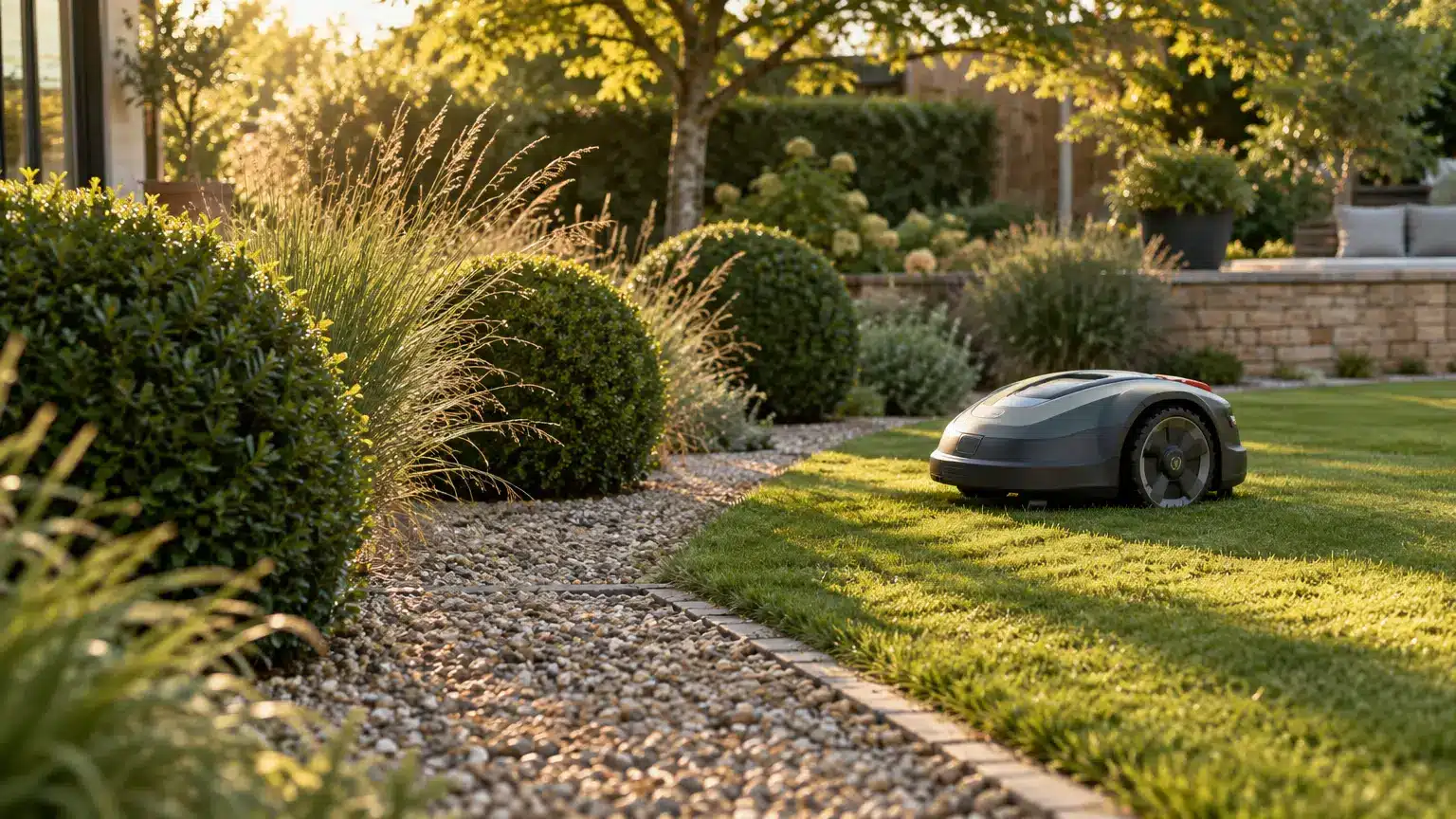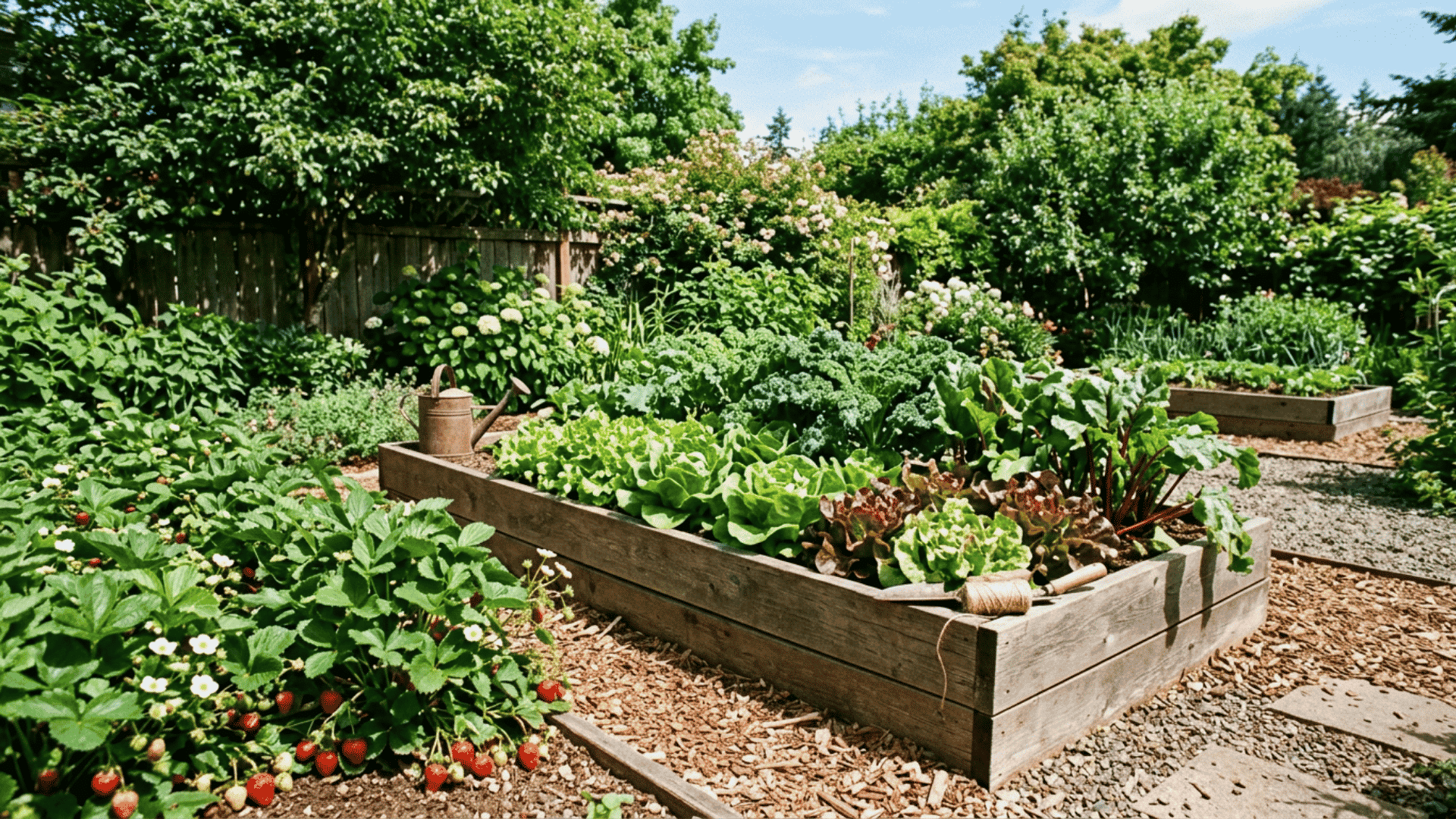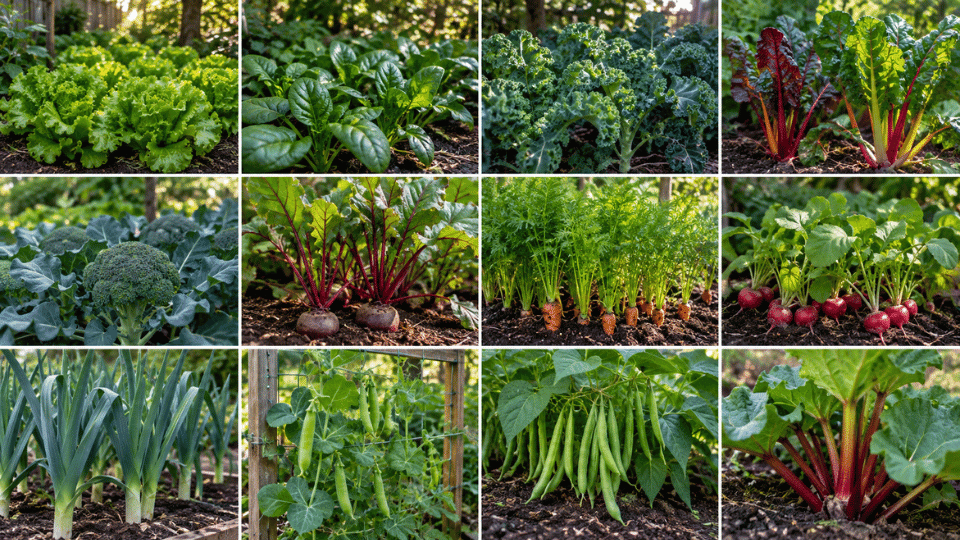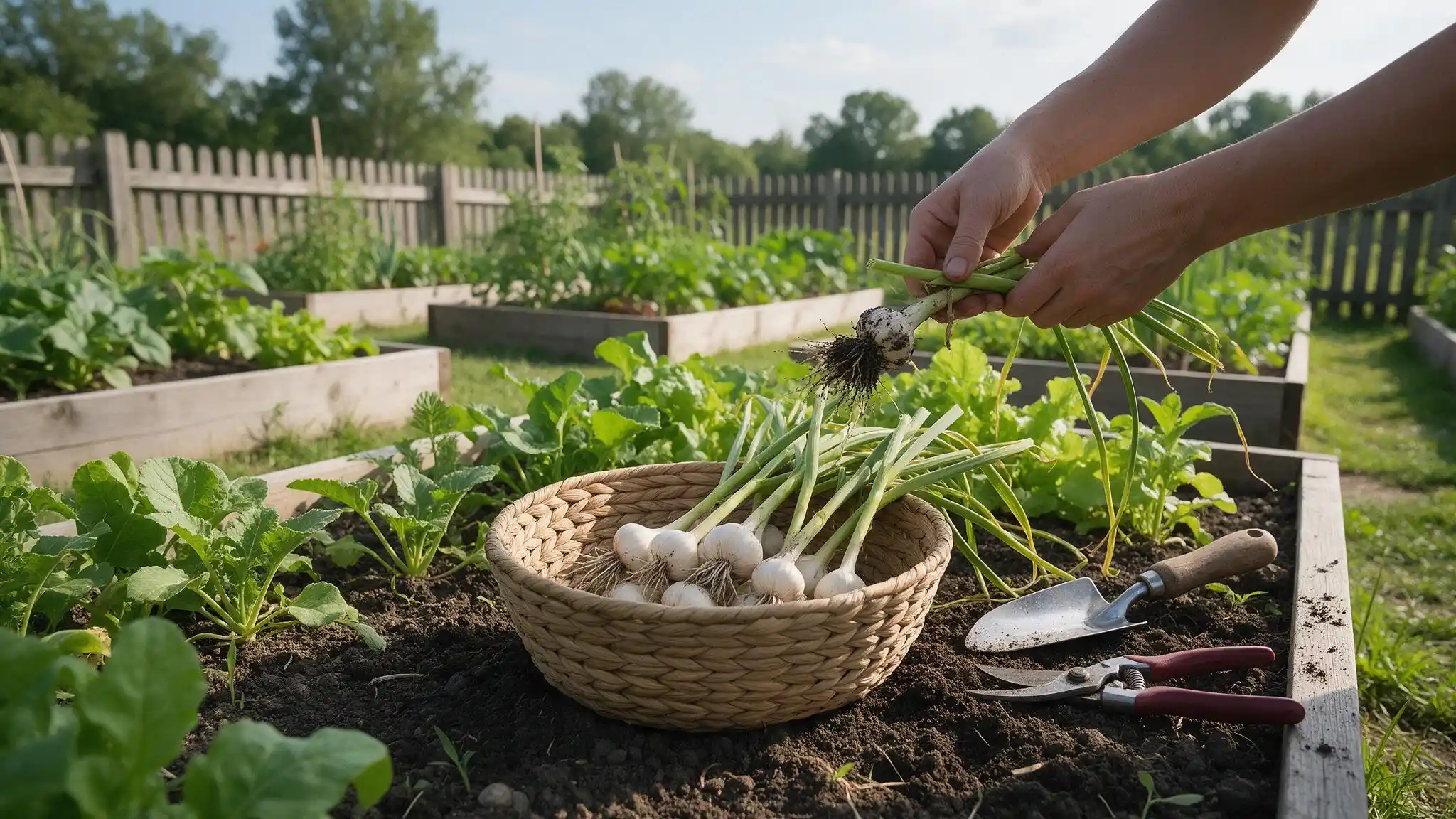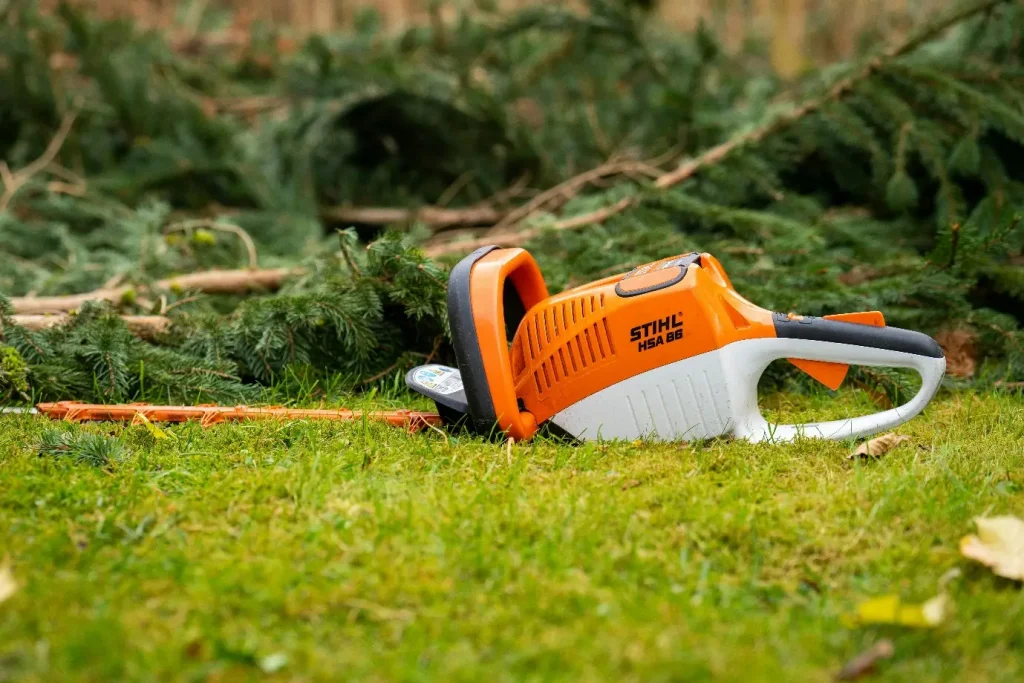
There is something satisfying about a tidy garden, but getting there can feel like a never ending list of jobs. Mowing, weeding, sweeping, trimming, watering. On their own, none of these tasks are difficult. Strung together on a Saturday morning, they can eat up your whole weekend.
The good news is that outdoor chores do not have to be exhausting. With a bit of planning, the right approach, and a few small habits, you can get through your garden tasks in far less time, and actually enjoy the process along the way.
Keep Everything Within Easy Reach
One of the biggest time wasters in any garden is simply looking for what you need. If your trowel is in the shed, your gloves are in the kitchen drawer, and your secateurs have gone missing since last spring, every job starts with a search party.
A simple fix is to keep a dedicated spot near your back door or in your shed where your most used items live, and nothing else. Well kept garden tools that are clean, sharp, and stored properly will always work better and last longer than ones left rusting in a corner. Wiping down blades after use and giving handles a quick check for splinters takes only a moment, but it saves a great deal of frustration later on.
Work With the Season, Not Against It
Trying to do everything at once is one of the fastest routes to burnout. Instead, let the season guide your priorities. Spring calls for tidying beds and getting ahead of weeds before they take hold. Summer is about steady maintenance, keeping on top of watering and trimming before things get out of hand. Autumn is the time to clear fallen leaves and prepare beds for winter, while winter itself is largely about rest, with the occasional bit of pruning on milder days.
When you match your effort to what the garden actually needs at that moment, you spend less time fighting against nature and more time simply keeping pace with it.
Little and Often Beats One Big Push
It is tempting to save every job for one long weekend session, but this is often what makes garden work feel like such a slog. A better approach is to break tasks into small, regular slots. Ten minutes of weeding after your morning coffee, a quick sweep of the patio before dinner, or a five minute deadheading session while the kettle boils all add up.
Not only does this stop weeds and mess from building up in the first place, it also means no single job ever feels overwhelming. Little and often is far less tiring than the occasional marathon session.
Let Some Plants Do the Work for You
Choosing the right plants can dramatically cut down on the amount of upkeep your garden needs. Hardy, well suited varieties that thrive in your local conditions tend to need far less watering, feeding, and fussing than more delicate options and those fill pots or borders with something that largely takes care of itself and brings colour and life to your outdoor space without adding another chore to your list.
Group Similar Tasks Together
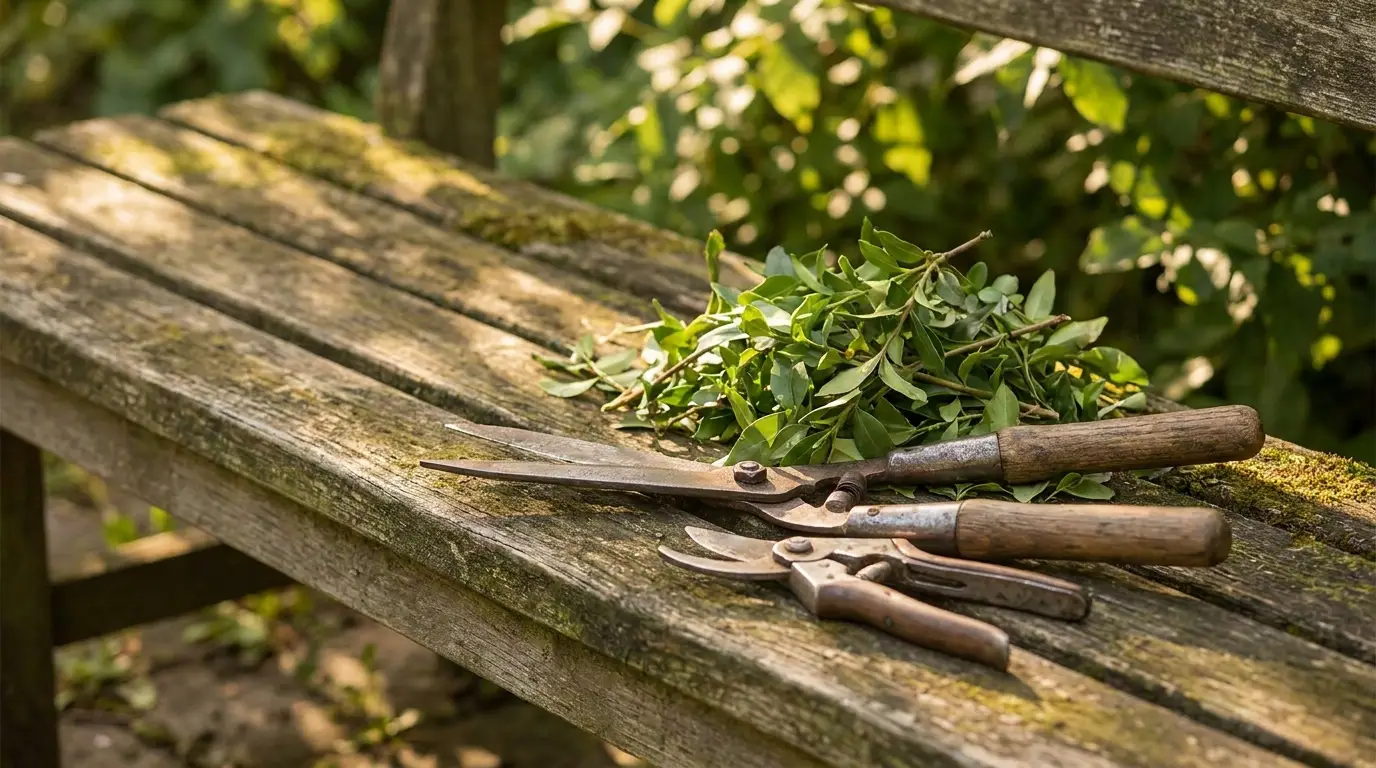
Switching between completely different jobs wastes time and energy, especially if each one needs different equipment. Instead, try batching similar tasks. Do all your cutting jobs together, whether that is hedges, edges, or dead flower heads, then move on to all your clearing jobs, followed by watering. This way you are not constantly swapping what you are holding, and you build a bit of a rhythm as you go.
Grouping jobs also makes it easier to spot when equipment needs attention. If you notice several tools are looking a bit worn while you are using them back to back, it is far simpler to deal with them in one go rather than discovering the problem mid task on a different day.
Look After Yourself While You Work
Garden chores involve plenty of bending, kneeling, and reaching, so it is worth taking a few simple steps to protect your body. A kneeling pad can make weeding far more comfortable, while a proper pair of gloves protects your hands from scrapes, thorns, and blisters. If a job involves repetitive movement, take short breaks rather than pushing through discomfort.
Staying hydrated matters too, particularly during warmer months. Keeping a bottle of water nearby, along with a hat if you are out in direct sun, makes a noticeable difference to how you feel once the job is done.
Tidy As You Go
Finally, one small habit that makes a big difference is tidying up as you move through your jobs, rather than leaving everything until the very end. Sweeping cuttings into a pile as you trim, or popping weeds straight into a bucket rather than leaving them scattered, means there is no separate clean up session waiting for you afterwards.
By the time your last task is finished, the garden is already looking cared for.
A Little Planning Goes a Long Way
None of these tips require a complete overhaul of how you garden. They are small adjustments, a bit of organisation here, a change in timing there, that add up to a noticeably easier routine. The next time you are facing a list of outdoor jobs, try picking just one or two of these ideas and see how much lighter the whole task feels.
A well kept garden should bring you joy, not exhaustion. With a little forethought, it can do exactly that.