One gnat buzzing around a plant on a random day can turn into a dozen by the end of the week. That’s how fast they multiply once the soil stays wet too long.
The flies overhead get noticed first, but they aren’t the real problem, since eggs sitting in damp soil are what keep the cycle going.
Figuring out how to get rid of fungus gnats means targeting both stages at the same time. A fungus gnat treatment that only kills the adults buys a few days before they show up again.
Why Fungus Gnats Infest Houseplants?
Small, dark flies that stick close to the soil instead of flying around outside; that’s a fungus gnat. They’re about the size of a pinhead with legs, and it often gets confused for a baby mosquito at first.
Wet soil brings them in, since gnats lay eggs wherever moisture sits around long enough. And an overwatered plant stays that way most of the time.
A few other things make it worse too:
- Bad drainage, since water pooling at the bottom of a pot keeps the top layer wet longer than it should
- Compost or bark mixed into potting soil, which gives larvae plenty to eat once they hatch
- New plants from a nursery or bought secondhand, since eggs or larvae can already be in the soil before arrival
Fall and winter add to the problem, since plants move indoors but watering habits often don’t adjust to slower growth.
Can Fungus Gnats Cause Damage to Plants?
Adult gnats don’t feed on leaves or stems, so their presence alone rarely hurts a plant. The larvae are the real concern.
They chew through organic matter in the soil and sometimes feed on tender roots, which weakens a plant’s ability to take up water and nutrients.
Seedlings and young plants take the worst of it, since their root systems haven’t fully developed yet.
Established houseplants can usually tolerate a small population without lasting harm, but a heavy infestation left untreated can lead to stunted growth and wilting over time.
How to Know If You Have Fungus Gnats

A gnat near the fruit bowl and one near a plant pot look almost identical at first glance. Fruit flies have red eyes and rounded bodies and stick close to ripening produce or trash.
Fungus gnats have longer legs, a slimmer body, and stay near the soil of a houseplant instead.
Visible Signs to Watch For
Adult gnats show up first, usually walking across the soil surface or taking short, weak flights when a pot gets disturbed. They also tend to cluster near windows.
Beyond the flies themselves, plants sometimes start looking a little off. Growth slows down, leaves yellow for no clear reason, or the whole plant seems tired despite regular watering.
Those symptoms point to larvae feeding underground, not just adults buzzing around on top.
Try The Potato Slice Test
A raw potato is a cheap way to check how bad things really are. The steps are simple:
- Cut a chunk about an inch thick
- Press it into the soil, cut side down
- Leave it alone for at least 4 hours, or overnight for a more reliable check.
- Pull it out and check the underside for larvae
Larvae crawl up toward the potato looking for food, so the underside gives a rough sense of how many are down there, without digging through the whole pot.
How to Get Rid of Fungus Gnats?
Killing the gnats overhead only handles the visible part.
The eggs and larvae still sitting in the soil keep making more, and skipping that part means the problem comes right back within a week or two.
1. Let the Soil Dry Out
Moisture is what gnats need to lay eggs, so the fix starts here. Water only once the top inch or two feels dry to the touch.
Check the drainage holes while at it, because water pooling at the bottom undoes the whole effort. A thin layer of sand spread over the soil also keeps adults from laying eggs there in the first place.
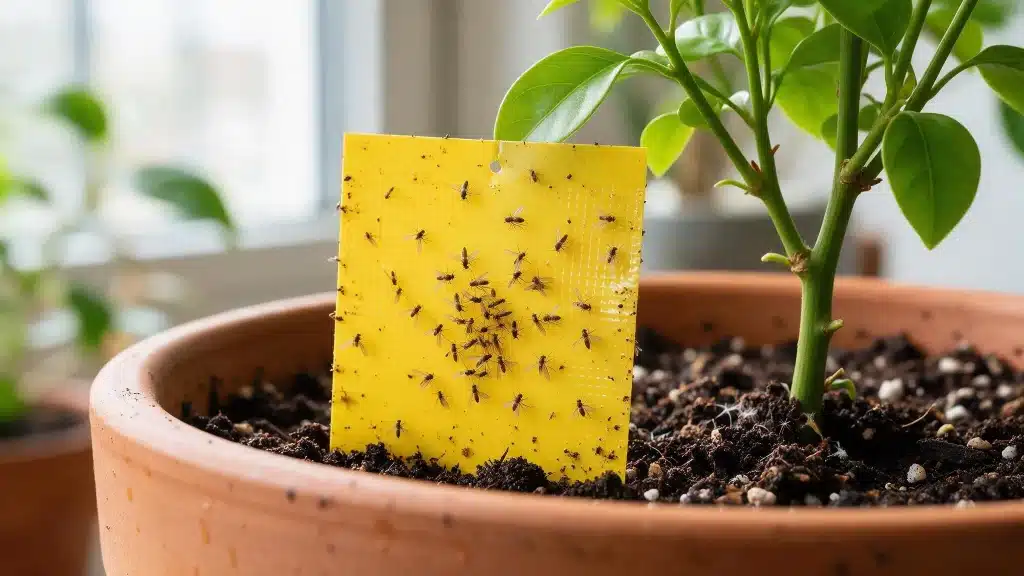
2. Use Yellow Sticky Traps

Gnats can’t resist the color yellow. A trap stake pushed into the soil near the base of the plant will catch a decent number before they get the chance to breed.
Swap it out once it fills up, since a trap covered in gnats stops catching new ones just as fast.
3. Treat Larvae With Bti or Beneficial Nematodes

Bti, sold as mosquito bits in most stores, is a natural bacterium that kills larvae and leaves plants and pets alone.
Soak the bits overnight, then water as usual using that mix. It takes a few rounds to really clear things out.
Nematodes work the same idea from a different angle: microscopic worms that track down larvae directly, and they hold up better once an infestation gets bigger.
4. Try DIY Vinegar Traps

Mix apple cider vinegar with a few drops of dish soap, wrap the container in plastic, and poke a few small holes in the top.
Adults get drawn in overnight and can’t get back out. Cinnamon sprinkled across the soil does something similar, cutting off the fungi larvae rely on for food, and it costs next to nothing to try.
Nothing working after a few weeks? An insecticide made specifically for fungus gnats is worth trying at that point.
5. Repot Severe Infestations
Sometimes the fastest move is starting fresh. Shake off the old soil completely, wash the pot with soap and hot water, then repot with a clean, sterile mix.
Remove the old soil and keep it away from other plants, or the cycle will start over somewhere else.
How to Get Rid of Fungus Gnats in Different Plants?
Treatment stays mostly the same across plants, but a few adjustments help depending on what you’re treating. Plant type mostly changes how aggressive drying or treatment can get, not the core method itself.
Seedlings and Young Plants
Seedlings have shallow, fragile roots, so drying out the soil too aggressively can do as much harm as the gnats themselves. A light layer of sand on top works better than letting the soil dry out deeply between waterings.
Bti is gentler than nematodes for very young root systems, since it targets larvae without disturbing roots that are still developing.
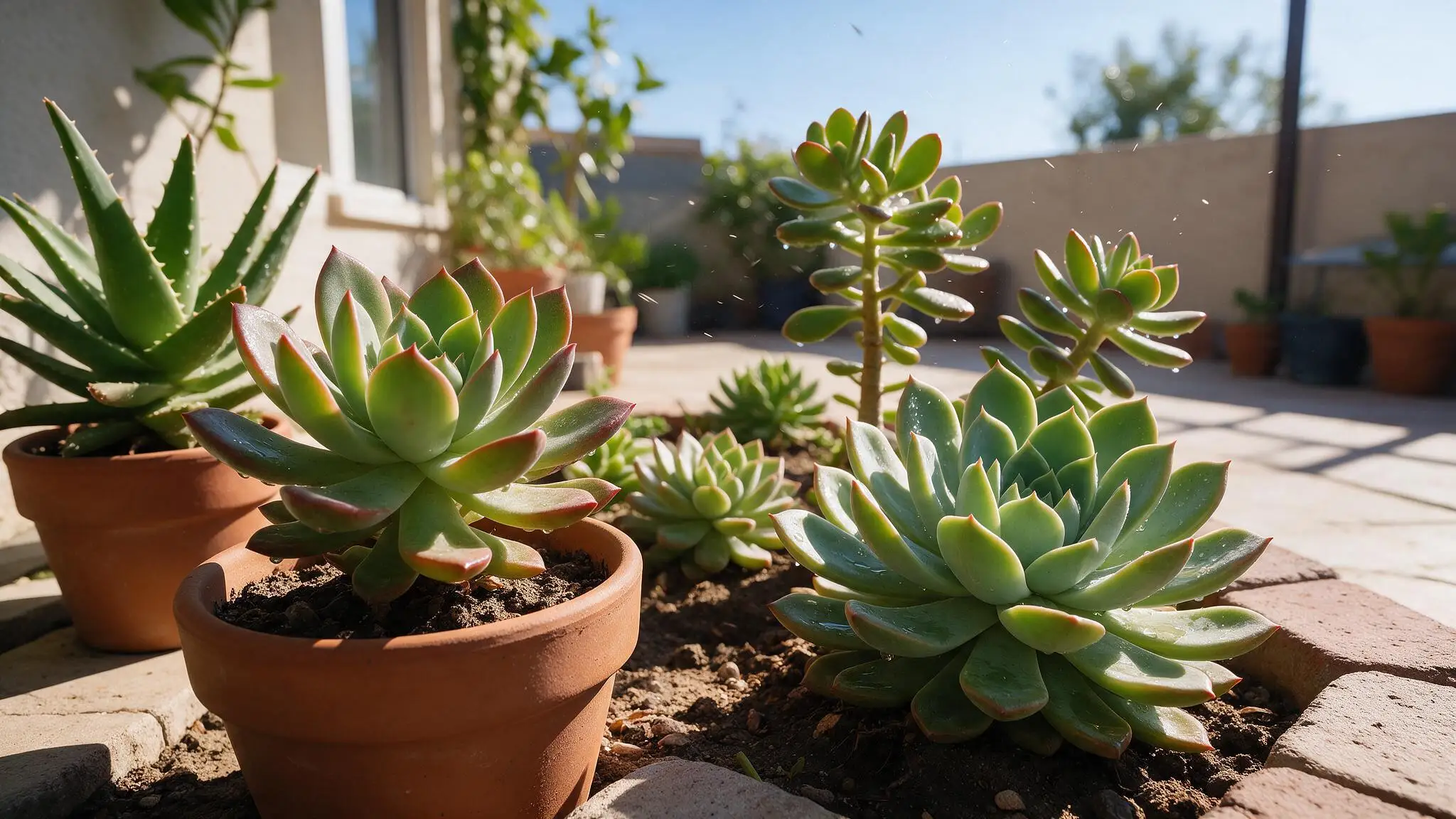
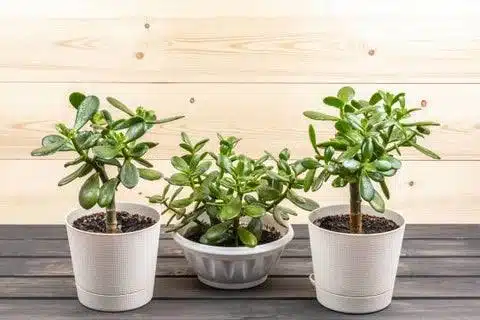
Succulents
The succulents already prefer drier soil, so gnats showing up here usually means overwatering has crept in.
Cutting back on watering frequency solves most succulent infestations on its own, and repotting into a fast-draining, cactus-specific mix keeps the problem from returning.
Terracotta pots also help more than plastic ones, since they pull extra moisture out of the soil faster.
Herbs and Indoor Vegetable Plants
Since these get eaten, avoid chemical insecticides entirely. Sticky traps, Bti, and beneficial nematodes are safe options that don’t leave residue on edible leaves.
A thin layer of sand on the soil surface adds another line of defense, and it costs next to nothing to try.
Rinsing leaves with plain water afterward also removes any lingering residue from natural treatments.
How to Prevent Fungus Gnats?

Getting rid of an infestation once doesn’t mean it’s gone for good, and skipping these habits usually means dealing with another round of fungus gnat treatment before long.
A few habits keep them from showing back up once the soil settles down.
Let Soil Dry Between Waterings
Check the top couple of inches of soil before watering again. That’s what keeps it from staying damp long enough for eggs to survive.
A finger pressed into the soil works fine; you don’t need any tools. Watering on a fixed schedule instead of checking the soil first is usually where the problem creeps back in.
Pick the Right Pot, Drainage, and Soil
Pots without drainage holes cause trouble, since water with nowhere to go sits at the bottom and keeps everything wet from underneath.
Potting mix without compost or bark helps too, since larvae have less to eat.
Empty saucers as well, or standing water there keeps drawing gnats back even when the soil is dry.
Remove Dead Plant Debris
Fallen leaves and dead flowers on the soil give larvae something to eat even after everything else gets fixed. Clearing it off regularly removes another food source.
Plants that drop leaves often need this checked more regularly.
Inspect and Isolate New Plants
A quick check before a new plant joins the rest of the collection catches most problems early, since eggs or larvae sometimes come in straight from the nursery.
Keeping it separate for a couple of weeks gives enough time to notice if anything’s living in the soil. Checking the surface and the underside of a few leaves is usually enough.
The Bottom Line
A few sticky traps and a week of letting the soil dry out will handle most gnat problems without much extra effort.
The larvae are what you really need to deal with, whether that’s Bti, nematodes, or tossing the plant into fresh soil altogether.
A potato slice check early on saves a lot of guessing, and knowing what caused it in the first place makes the next round easier to catch before it spreads.
That’s really the whole answer: keep the soil dry, deal with the larvae, and stick to the habits that stop them from coming back.
Frequently Asked Questions (FAQs)
1. Can Fungus Gnats Live in Soil without a Plant?
Any damp organic material, like compost or leftover potting mix, works fine without a plant attached to it.
2. Do Fungus Gnats Lay Eggs in A Plant’s Saucer Water?
Yes, a saucer that stays full of water turns into its own little breeding spot over time.
3. Can Fungus Gnats Bite Humans or Pets?
Not at all; they have zero interest in biting people, pets, or anything else around.
4. Will an Air Purifier Help with Fungus Gnats?
It barely helps, since the soil is where the real problem sits, not the air around it.