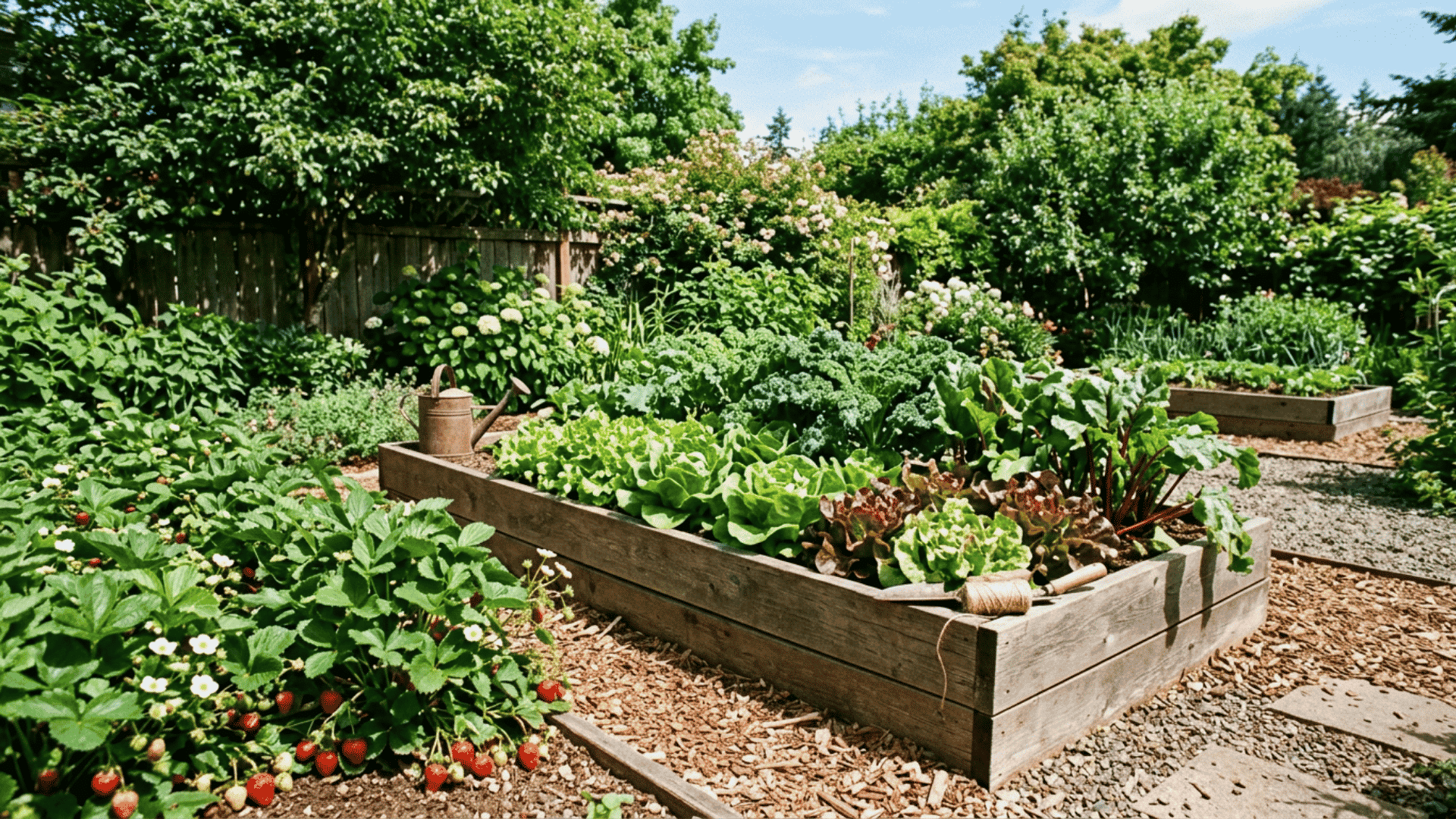
Use garden space well by planting the right plants next to tomatoes. Flowers, herbs, and other crops can all share the bed.
Some tomato companion plants pull in helpful insects. Others support pollination or keep certain pests in check.
Plenty grow well beside tomatoes simply because the space and sunlight needs line up. Not every plant makes a good neighbor, though, and knowing what belongs nearby, what needs to stay far off, and how to arrange different crops together helps create a more balanced garden overall.
Plant size, water needs, and available space also factor into the right pairing.
How Companion Plants Work
Companion plants work by growing different crops close together, letting each one play a useful role in the garden. Some flowers pull in pollinators and beneficial insects.
Certain herbs might push pests away with their strong scent. Other companion plants use space more efficiently, growing at different heights or sending roots to different depths.
That can mean more crops fitting into the same bed without crowding it. Still, companion planting doesn’t promise healthier plants or fewer pests on its own.
Good sunlight, watering, healthy soil, proper spacing, and regular care still shape tomato growth and garden health far more than any single companion plant can.
Best Tomato Companion Plants
Plenty of herbs, flowers, and vegetables grow well right beside tomatoes. Each one earns its spot for a different reason, pulling in insects for some and using space well for others.
Basil

Warm conditions suit both basil and tomatoes, which helps explain why they pair so well. Pollinators show up for the flowers.
The strong scent might also throw off a pest or two. Low growth keeps basil tucked neatly around tomato plants without eating up vertical space. That said, treating it as guaranteed pest control would be a stretch.
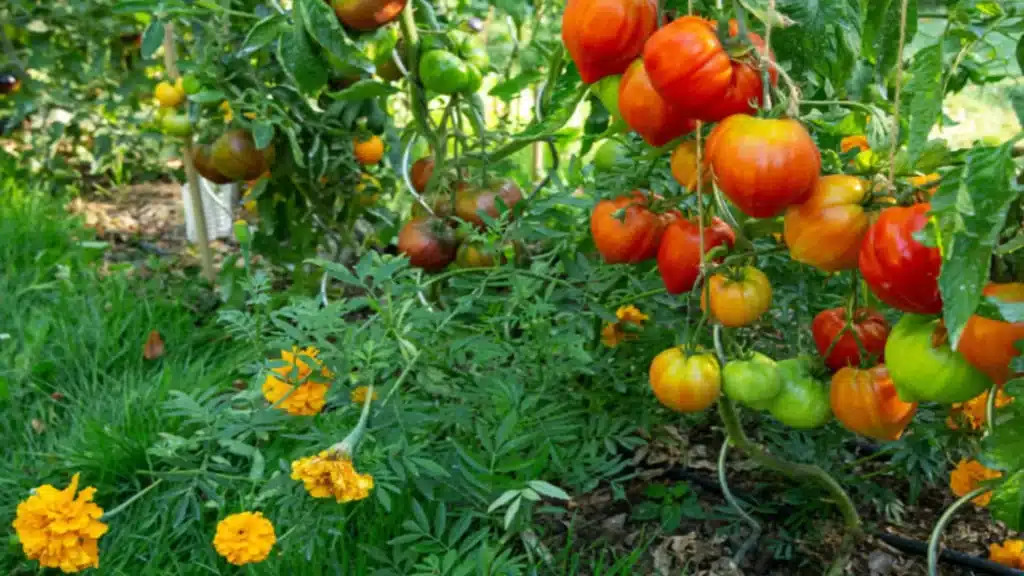
Marigolds

Bright flowers like marigolds in the tomato bed attract beneficial insects along the way. Certain varieties have shown some effect on root-knot nematodes in university trials.
As a broad pest repellent, though, the reputation feels a bit overstated, so their real strength lies in being a flowering companion first and foremost.
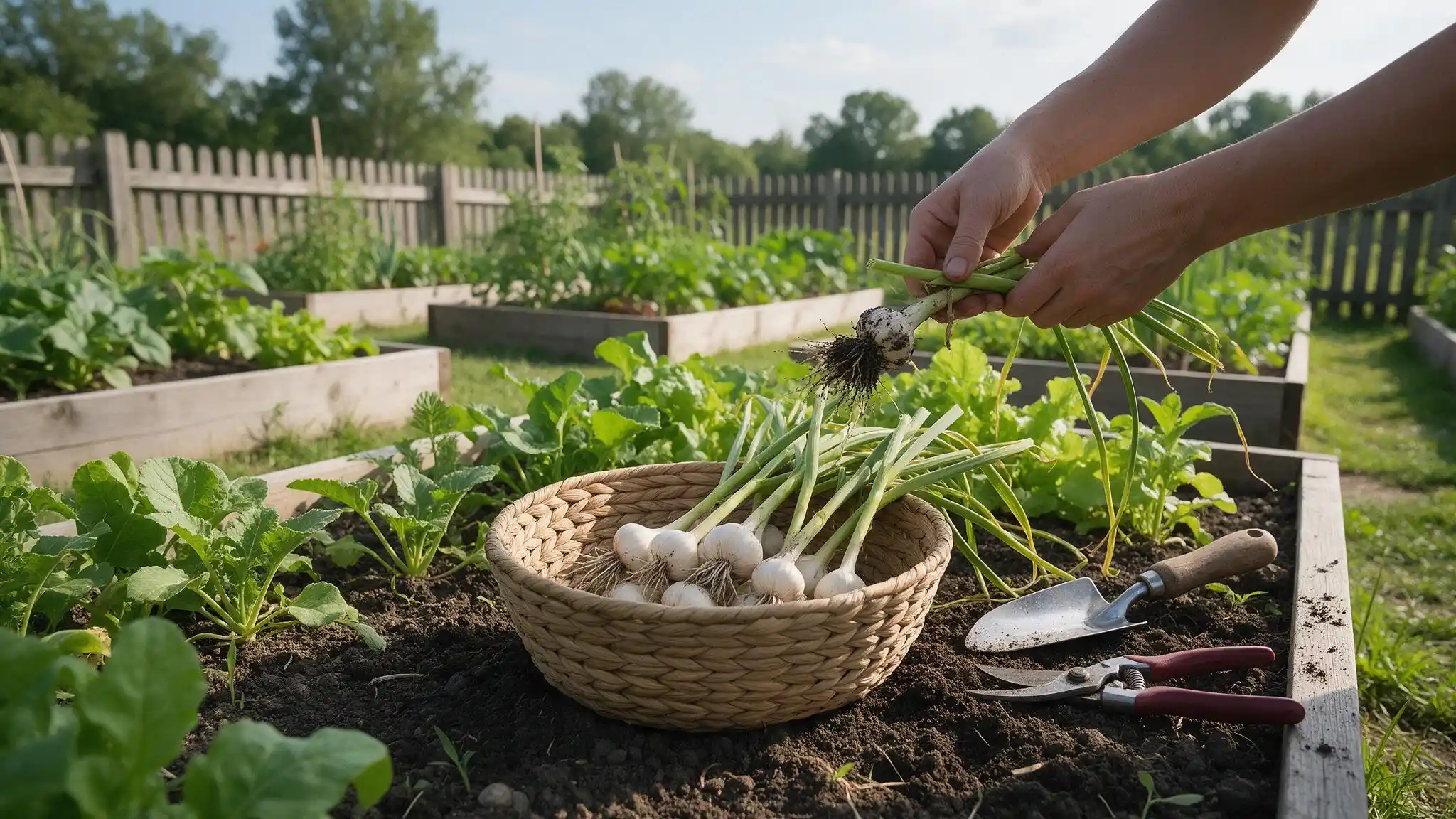
Garlic and Chives

Strong scents make garlic and the chives common picks near tomatoes, since those scents may push certain pests away.
Chives also add flowers, feeding pollinators and other helpful insects along the way. Both work well in small spaces, making them solid choices for a garden bed with limited room.
Carrots

Their different space needs make the carrots and tomatoes a good match. Carrots grow underground, while tomatoes stretch upward, with leaves spreading above the soil.
Smaller gardens benefit especially from this pairing. Just keep enough distance so tomato roots and carrot roots don’t tangle up together underground.
Parsley and Other Herbs

Herbs like cilantro, parsley, dill, rosemary, oregano, and thyme show up constantly around vegetable gardens. Flowering parsley, cilantro, and dill draw in beneficial insects that feed on garden pests.
Some added variety around tomatoes comes from these aromatic herbs too. Taller herbs need watching, though; they can block sunlight or crowd the tomato plant once everything matures.
Nasturtiums and Borage

Nasturtiums and borage bring flowers and variety to a tomato bed. Pollinators and other beneficial insects feed off their blooms.
Some pests get drawn to nasturtiums specifically, which is why they sometimes work as trap crops.
Room to spread matters for both, so smaller tomato companions don’t end up buried underneath them.
Lettuce and Other Low-Growing Crops

Lettuce and similar low-growing crops use the space around tomatoes well, especially early in the season.
Staying below the tomato canopy while young lets gardeners pull a second harvest from the same bed.
Placement matters, though; keep them where mature tomato leaves won’t cast heavy shade or crowd them out later.
Plants to Avoid Planting Near Tomatoes
Some plants make poor neighbors near tomatoes because of shared pests, diseases, nutrient competition, aggressive growth, or mismatched conditions.
Keep these crops at a fair distance, and spacing, airflow, and garden care all get easier.
Potatoes and Other Nightshades
Tomatoes and potatoes are in the same plant family and share the same pests and diseases, more than people realize.
Distance cuts the risk of problems jumping between them, especially in gardens already dealing with heavy disease pressure.
Corn
Too close together, and corn quickly pulls nutrients, water, and space away from tomatoes. Height becomes an issue too; corn towers over nearby plants and blocks their sun.
Keep the two apart, and spacing gets simpler while tomatoes actually get the light they need.
Brassicas
Broccoli, cabbage, and other brassicas planted next to tomatoes have entirely different needs. They end up competing for space and nutrients.
A few extension guides flag this pairing as weak for exactly that reason. Distance solves it, making both crops easier to manage.
Fennel
Compounds released by fennel can slow down whatever grows nearby, which is why it usually stays clear of vegetable crops entirely.
Give fennel its own patch, and the clash with tomatoes disappears while fennel still grows freely on its own.
Mature Dill
Beneficial insects show up for young dill’s flowers, no problem there. Mature dill, though, is a different story: it grows large and eats up space fast.
Leave room if dill’s going in near tomatoes, and keep those mature stems from creeping into the tomato canopy.
Walnut Trees
Walnut trees release juglone, a compound that can harm nearby sensitive plants. Tomatoes land on that sensitive list too, especially near the root zone.
Real distance matters here, keeping tomatoes clear of soil that walnut roots have affected.
How to Choose Companion Plants for Tomatoes?

A list of recommended plants only tells part of the story. How each crop grows across the whole season matters just as much as the list itself when deciding what goes beside a tomato.
Match Sunlight and Water Needs
Tomatoes need plenty of sun and steady moisture most. Companions that handle similar conditions are the better pick. Avoid pairing plants with very different water needs in one small space.
Leave Enough Space for Airflow
Tomato plants grow fast as the season moves along. Open space between the tomato and its companions lets leaves dry out properly and keeps air moving through the foliage.
Consider Nutrient and Root Competition
A steady nutrient supply matters most while tomatoes actively grow. Avoid crowding the root zone with too many heavy feeders, and choose plants like carrots, which use space differently, as a better fit.
Plan Around Plant Height
Shaded spots under mature tomato leaves aren’t right for shorter herbs, flowers, and vegetables. Taller companions need careful placement too, so they don’t block sunlight or interfere with tomato growth.
Tomato Companion Planting Tips
Managing companion planting through the whole season gets easier with a bit of planning. Mature plant size, spacing, sunlight, and easy access to each crop all deserve attention.
Start with enough space: Not every gap around a tomato needs filling with another crop. Protect room for the tomato to spread, air to move through its leaves, and space to water, check, prune, and harvest.
Place shorter crops carefully: Herbs, lettuce, carrots, and other small plants need enough light once tomatoes grow bigger. Check the expected mature height before planting anything near the base.
Group plants with similar needs: Similar sunlight and moisture requirements make for a better tomato pairing.
Watering gets simpler this way, and the risk of one crop getting too much or too little moisture drops too.
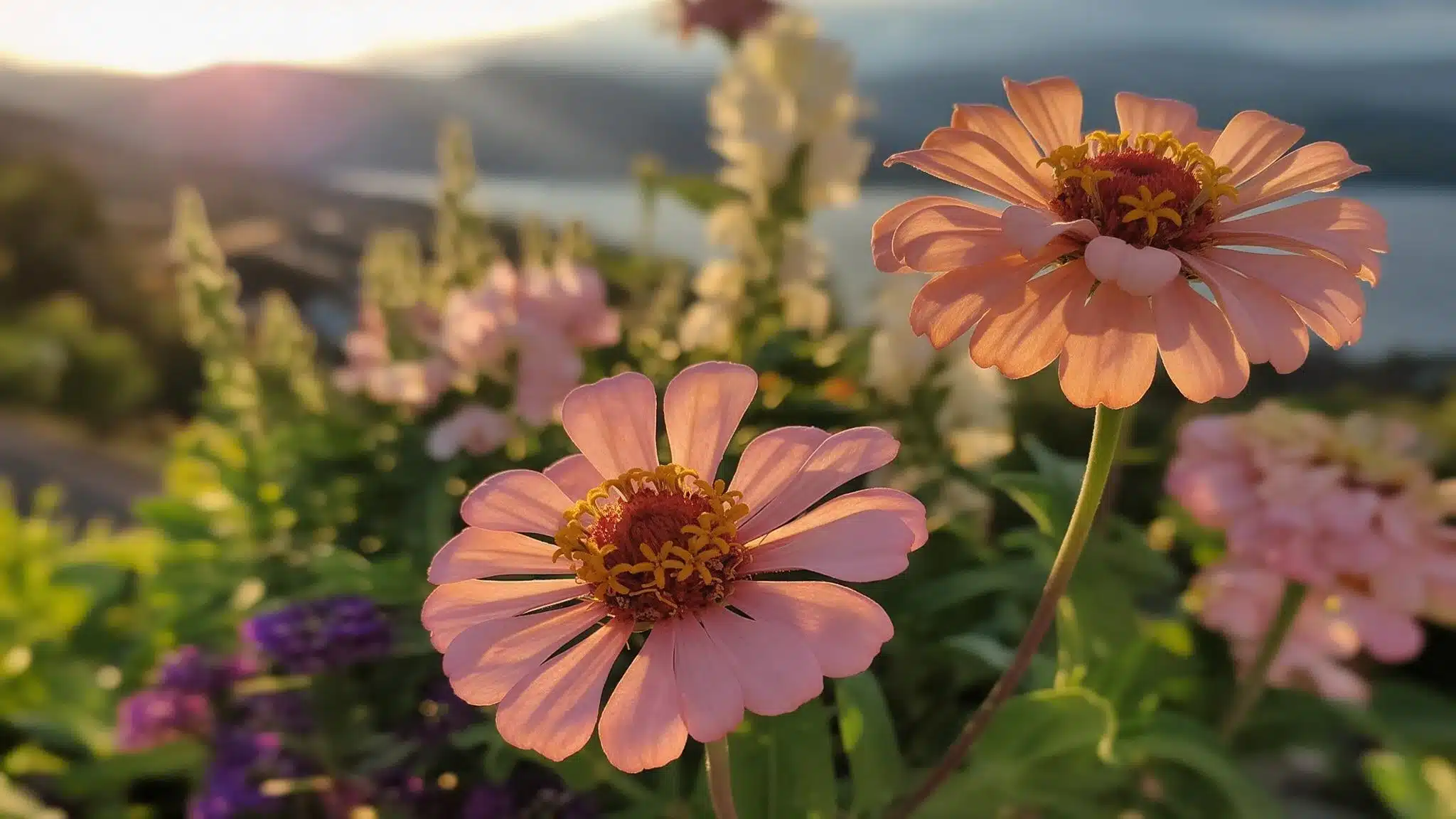
Mix flowers with edible crops: Flowering companions like marigolds, nasturtiums, borage, or flowering herbs add variety to the garden.
Pollinators and other beneficial insects get fed by their blooms too.
Watch for crowding: A planting combination can start out roomy with small seedlings and end up crowded as everything matures.
Checking the bed as plants grow, and moving or removing whatever starts blocking light or airflow, keeps things in check.
Conclusion
The best tomato companion plants fit into the garden without stirring up needless competition.
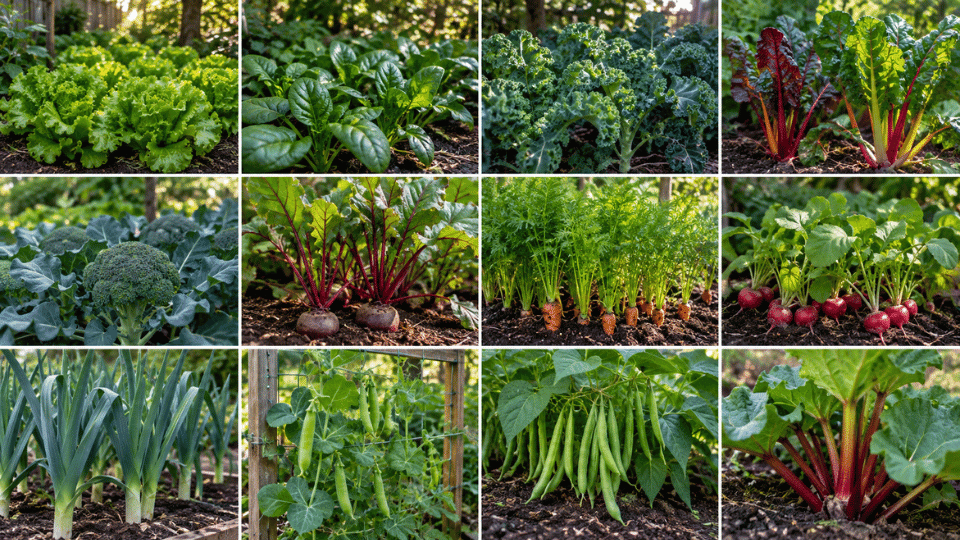
Basil, marigolds, garlic, chives, herbs, nasturtiums, borage, carrots, and lettuce all play a useful role with a bit of planning behind the placement.
Some flowers attract beneficial insects, while others use the space around tomatoes more efficiently.
Potatoes, corn, brassicas, fennel, mature dill, and walnut trees are better off kept apart for their own specific reasons.
Weighing sunlight, water, spacing, airflow, plant height, and root competition helps you choose what to plant next to tomatoes.
Frequently Asked Questions (FAQs)
1. Can You Plant Marigolds Next to Tomatoes?
Yes, marigolds grow well near tomatoes. Their flowers attract beneficial insects, and certain varieties may help manage root-knot nematodes in the soil.
2. Can Tomatoes and Peppers Be Planted Together?
Yes, tomatoes and peppers can share a garden bed as long as they get enough sunlight, water, and space, though they can share some pests and diseases too.
3. Can You Plant Carrots Next to Tomatoes?
Yes, carrots grow well near tomatoes since their roots develop underground while tomato leaves grow above the soil, making good use of the available garden space.