Sweat bees love warm days, and they are even more attracted to salty human skin.
A single buzz against your arm, and instantly your relaxing afternoon feels tense.
Knowing how to get rid of sweat bees the right way can save your yard, your patio, and your peace of mind. And also you- yes, it also protects you from painful bites.
Go through this to learn the safe methods for managing sweat bees in your yard. No strong chemicals, no guesswork, just practical steps that actually work.
What are Sweat Bees?
Sweat bees are part of the Halictidae family, a large category of bees that can be found nearly everywhere.
They are referred to as “sweat bees” for a simple reason.
They land on your skin to sip the salt and moisture from your sweat.
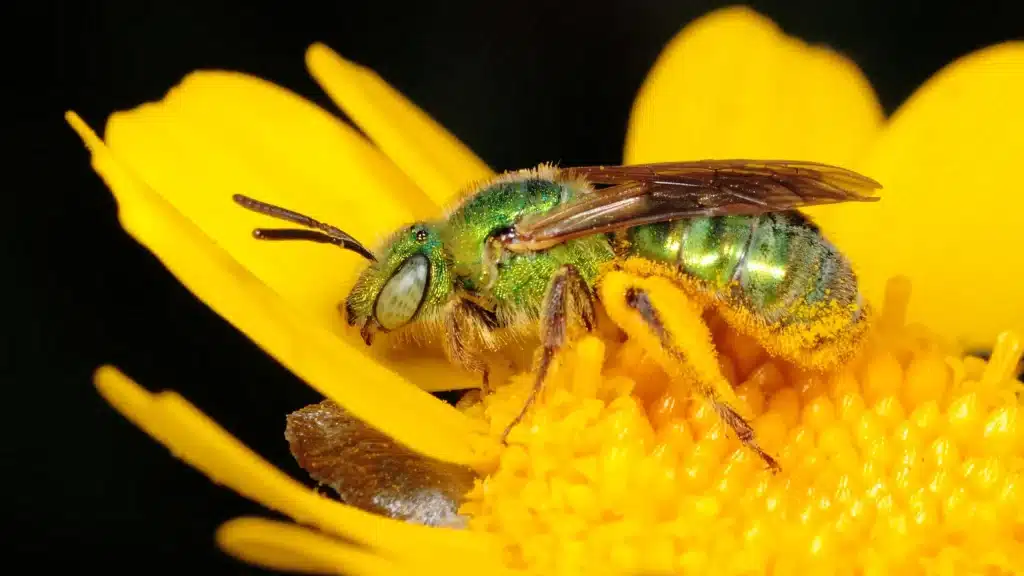
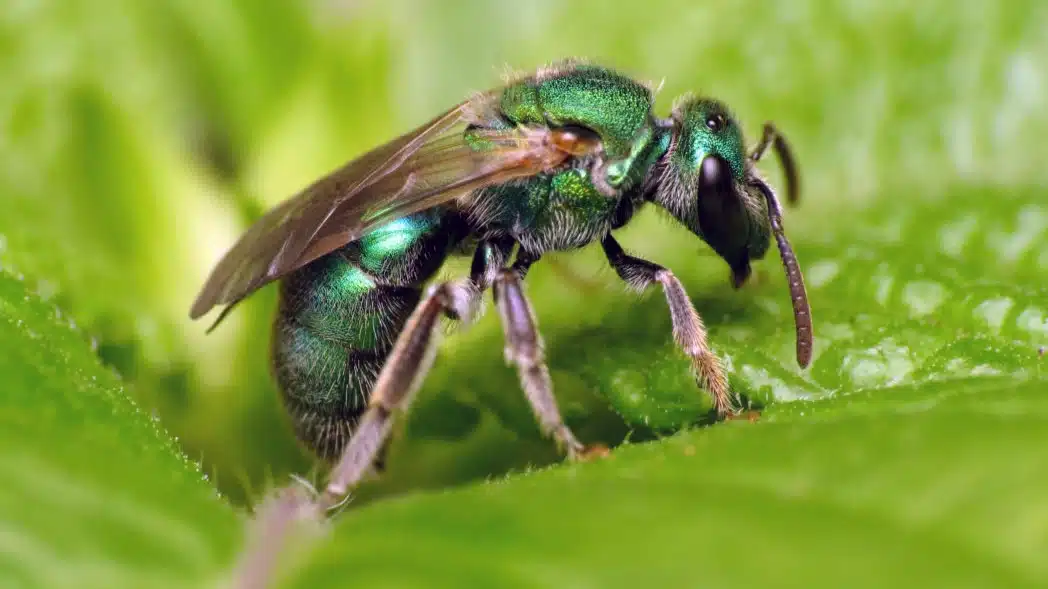
Their bodies frequently glisten in metallic shades of green, blue, or bronze when exposed to sunlight. If you look closely, it’s truly an impressive sight.
However, not all sweat bees conform to that glossy standard.
Some species appear simply black or brown, blending seamlessly with their surroundings.
How to Identify a Sweat Bee Before Trying to Remove it
Before you try to remove sweat bees, take a minute to identify them first. This step matters more than you’d think.
- Size and look: Sweat bees are small and slender, usually under half an inch long. Some shine in metallic green or blue, while others look plain black or brown.
- Nesting spots: Check bare, dry soil in your yard. Sweat bees often nest in the ground, not in trees or hives.
- Entrance signs: Look for tiny round holes in the dirt. You might also spot small mounds of loose soil piled near the opening.
- Why identification matters: Not every stinging insect needs pesticides. Some bees pollinate your garden and shouldn’t be harmed. Treating the wrong pest also wastes your time and money.
Sweat bees are often mistaken for other flying insects.
| Insect | Size | Nesting | Behavior |
|---|---|---|---|
| Sweat bee | Very small | Ground, solitary | Attracted to sweat, mild sting |
| Honey bee | Medium | Hives | Social, less interested in skin |
| Bumble bee | Large, fuzzy | Ground or cavities | Docile, rarely lands on people |
| Carpenter bee | Large, shiny | Wood | Bores holes in wood |
| Mining bee | Small | Ground | Similar to sweat bees, less aggressive |
| Wasp | Slender, smooth | Nests in the ground | More aggressive, painful sting |
Are Sweat Bees Dangerous?
Sweat bees can sting, but they’re not typically aggressive.
Only females can sting, and this usually happens when they get trapped against the skin rather than through unprovoked attacks.
The sting itself is mild, often described as a quick pinch that fades fast.
The main risk is for anyone with a bee sting allergy, where even one sting can trigger a serious reaction like swelling, difficulty breathing, or dizziness.
Anyone allergic should carry appropriate medication and seek emergency care if symptoms appear.
How to Get Rid of Sweat Bees Naturally?
Bees that nest in the ground seek particular conditions to create their habitats. Eliminate those conditions, and fewer bees will remain.
Combine several of these actions for the best long-term results.
1. Cover Bare Soil Where They Are Nesting
Bare, dry ground essentially invites sweat bees. Cover areas of visible soil throughout your yard. Well-maintained grass serves as an effective protective layer.
Groundcover plants or mulch can also help. After the soil is covered, it becomes significantly less attractive for nesting. Bees require exposed soil to burrow, so covering it removes their nesting option.
2. Improve Lawn Coverage
Thin, patchy lawns create spaces that bees enjoy. Inspect your yard and identify the vulnerable spots. Sow seeds in those areas or add fresh ground cover.
Avoid leaving extensive areas of loose, uncovered soil.
A denser lawn inherently hinders nesting chances. It also looks more appealing.
3. Keep Outdoor Areas Less Attractive for Nesting
Focus your efforts where people actually spend time. Including your beautiful patios, pathways, recreational spaces, and entrances.
First, increase the soil coverage in these heavily trafficked areas. If you discover a functioning nest in another location, don’t disturb it. Altering it may provoke defensive actions without any valid cause.
4. Reduce Direct Contact with Sweat Bees
At times, the simplest solution is ensuring your own safety. Wear lightweight clothes that provide greater skin coverage. Rest indoors when the temperature rises significantly.
Sweat bees appear more frequently during warm days. Clean your skin if bees persist in landing on you. And avoid trapping one between your garments and skin. That’s when stings typically occur.
5. Manage Outdoor Attractants
You don’t need to tear out your whole garden.
Just keep flowering plants a bit farther from busy areas. Standing water and damp soil attract bees too, so manage those spots.
Clean up food and drinks after outdoor meals. Small changes like these add up over time.
6. Use Natural Scent Deterrents
Sweat bees dislike strong scents like peppermint, citronella, and vinegar. Mix a few drops of essential oil with water and spray it around patios, doorways, and other gathering spots.
Reapply after rain or watering, since the scent fades outdoors. Use this alongside soil coverage rather than as a standalone fix.
7. Time Outdoor Activities Around Peak Bee Hours
Sweat bees are most active during warm, sunny hours.
Scheduling yard work or outdoor meals for early morning or evening reduces close encounters and gives nesting areas time to settle.
How to Get Rid of Sweat Bees in Specific Areas?
Different areas of your house require different methods. A patio differs from a garden bed. What works by your pool may not work near your foundation.
We’ll analyze it section by section so you know exactly where to focus.
Yard
Begin by walking through your yard and identifying nesting areas. Search for tiny openings in exposed soil. Once you identify unnecessary exposed soil, cover it.
Increase the amount of grass or ground cover wherever possible.
Next, simply observe the space for a bit. Hold off on treatment unless bee activity continues to increase.
Garden
Your garden truly requires some bees nearby. They aid in pollination, so avoid destroying the entire area. Alter the locations where individuals walk or gather most.
Add ground cover on commonly walked routes. This deters foot traffic from nesting areas without damaging your plants.
Around a Patio or Deck
Inspect the ground near your patio or deck first. Fill in any exposed areas you notice nearby. If water is pooling in the vicinity, get rid of it.
Cover food and drinks while dining outdoors. The objective is simple: prevent bees from wandering into your preferred gathering place.
Around a Pool
Bees frequently appear more around swimming pools. Water, people, and humidity all attract them. Minimize any visible nesting soil near the pool area.
Try to create a gap between the soil and the water.
And remind swimmers to avoid swatting at bees. Swatting typically makes things worse, not better.
Near Your House
Look closely at the soil near your foundation, walkways, and entry points. If bees seem to be getting inside, seal up any gaps or openings.
But don’t reach for a spray can just because bees are flying nearby. Flying near your house doesn’t always mean they’re a problem.
DIY Sweat Bee Control: What Actually Helps?
Not every DIY method works, and some can backfire. Let’s sort out what’s actually worth your time. Some steps help a lot.
1. Start With Habitat Modification
This should always be your first move. Cover bare soil around your yard. Add more grass or plants where you can. Focus on spots near patios, paths, and entrances.
Fewer nesting spots means fewer bees sticking around over time.
2. Use Physical Barriers Where Appropriate
Sometimes a simple barrier does the job. Set up temporary fencing around active nesting areas. This keeps people from walking too close.
Keep kids and pets away until things calm down. Give the area time to settle before checking again.
3. Be Careful With DIY Insecticides
Chemical treatment is a much more aggressive step. Never spray bees you haven’t identified first. You might end up harming helpful pollinators instead.
Always read the product label closely. Follow every instruction exactly as written.
Keep sprays away from flowering plants and pollinator zones. If the nest is hard to reach or feels risky, call a professional instead.
The decision comes down to location, bee numbers, risk level, and how much they’re disrupting your home.
DIY vs Professional Sweat Bee Control Cost
Sweat bee control costs vary by approach. Habitat fixes like covering bare soil or reseeding thin patches run $10–$40.
Protective gear (gloves, long sleeves, closed shoes) costs $15–$50 and gets reused for other yard tasks.
DIY sprays or barriers for small, isolated spots range from $10–$30.
By comparison, professional visits average $280 (typically $150–$500) and cover inspection and full nest removal.
Follow-up treatments cost $75–$150, usually less than the initial visit.
Ask about relocation instead of extermination, it typically costs about the same as extermination but preserves pollination benefits.
Wrapping Up
Sweat bees aren’t here to spoil your summer; they only need a bit of salt. Most of the time, a few small changes around your yard make a real difference.
Blanket exposed soil, organize wet areas, and make your outdoor spaces less appealing for nesting.
That is usually sufficient to keep bees away.
Your garden ought to be comfortable, not stressful. By taking the appropriate measures, you can enjoy your outdoor area again.
Frequently Asked Questions (FAQs)
1. Do Sweat Bees Live in Colonies?
Most sweat bees are solitary, though some species share nesting burrows without forming a true hive or colony structure.
2. What Time of Year are Sweat Bees Most Active?
They’re most active in late spring through summer, especially during warm, sunny weather.
3. How Do I Stop Sweat Bees From Landing on Me?
Avoid bright colors and sweet-smelling products, keep skin covered, and wipe away sweat regularly, since they’re drawn to its salt and moisture.